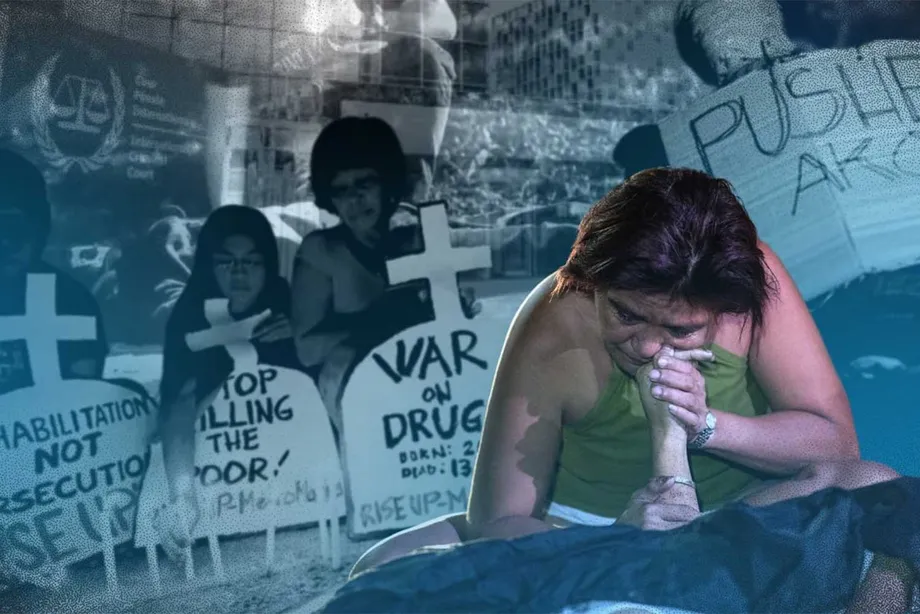
Thirteen deaths, five doctors and disputed medical records
MANILA, Philippines: Thirteen people whose bodies bore gunshot wounds were recorded as having died from illnesses, including pneumonia, stroke and sepsis, according to findings flagged by forensic pathologist Raquel Fortun. The discrepancies have prompted the civil society Truth Commission to seek an investigation into five doctors and offer legal assistance to affected families.
Contents
- Thirteen deaths, five doctors and disputed medical records
- Why the cause of death matters
- What the medical regulator can do
- Professional discipline and criminal charges follow different paths
- The Baylon case shows how long correction can take
- Investigators would need to examine who did what
- Families face costs, fear and missing documents
- How the records could matter to the Duterte case
- Key Points
The cases involve deaths in Caloocan and Quezon City during former President Rodrigo Duterte's campaign against illegal drugs. Bodies were exhumed and examined by Fortun, a commission member, who identified differences between the injuries and the causes entered on death certificates.
One of the five physicians has died. That doctor and another physician served as medical officers in the health departments of Caloocan and Quezon City. The allegations concern people shot in the head, torso, arm or neck whose documents attributed their deaths to disease.
The commission plans to approach families, review their records and submit death certificates and supporting documents to the Professional Regulation Commission (PRC). It also intends to write to the Philippine Medical Association (PMA) seeking an investigation.
Carlos Conde, the Truth Commission's spokesperson, said assistance would depend on what families wished to pursue.
"And if they want to file a petition, we certainly will assist them," he said.
Neri Colmenares, a lawyer representing victims' families and a former Bayan Muna representative, said there were currently no plans by the families to pursue the doctors. He argued that government prosecutors should take responsibility for investigating possible crimes, rather than placing that burden on relatives.
Why the cause of death matters
A death certificate is an official record that can become important evidence when a family seeks an investigation or brings a case. Recording an illness where a fatal shooting occurred can leave relatives having to challenge the medical record while also trying to establish who killed their loved one.
Ephraim Cortez, president of the National Union of Peoples' Lawyers (NUPL), said some cases contained a direct conflict between police accounts and medical paperwork: police reports described deaths during operations presented as legitimate, while death certificates listed natural causes.
Cortez said many families could not afford an autopsy or a medical report prepared for legal proceedings. An autopsy examines a body to determine how someone died; its findings can help investigators connect injuries to a death.
Families without those findings face a difficult practical problem. They may know that their relative was shot, yet the official document they must present records disease. Obtaining further medical evidence and correcting the record can require money, legal help and time.
Colmenares described the consequences for families and called for an investigation into possible cooperation between doctors and police.
"The impact of this miscertification is not trivial. These are very serious actions, and the doctor should be investigated, and those found to have connivance with the police should go to prison," he said.
What the medical regulator can do
The PRC has acknowledged the call for action and said its Professional Regulatory Board of Medicine would assess the evidence. Citing the Professional Modernization Act of 2000, the agency said professional boards have authority to investigate alleged violations by practitioners.
The board could consider a motu proprio investigation, meaning an inquiry it starts on its own authority. The Truth Commission could also file an administrative complaint supported by the disputed certificates and other evidence.
The PRC set out the board's proposed first step in a statement.
"The Commission, through the Professional Regulatory Board of Medicine, shall evaluate the available evidence to determine the appropriate action and assess whether sufficient grounds exist to proceed with the conduct of a motu proprio investigation," it said.
Doctors found through substantial evidence to have violated professional law, medical ethics or other applicable rules could face suspension or revocation of their registration to practise medicine. The PRC said any inquiry would follow the law and respect the rights of the professionals concerned.
Professional discipline and criminal charges follow different paths
Theodore Te, interim chair of the Free Legal Assistance Group, said the PRC was best placed to assess whether the doctors acted within professional and ethical rules. He also raised possible liability for malpractice.
A professional disciplinary case examines whether a doctor breached the standards governing medical practice. A criminal case asks whether someone committed an offence punishable under criminal law. The same conduct can prompt both kinds of scrutiny, but the evidence required and possible penalties differ.
Te said criminal liability would depend on the evidence, including whether an inaccurate entry resulted from negligence or a deliberate intention to mislead. He identified falsification of public documents as a possible charge if intentional deception could be established, and raised the possibility of conspiracy if evidence showed participation in a larger plan.
Criminal courts require proof beyond reasonable doubt, a higher evidentiary threshold than the substantial evidence standard the PRC described for professional discipline. Te said this would make pursuing criminal charges more difficult.
Colmenares argued that doctors who deliberately falsified records to protect perpetrators should be investigated as possible accessories to the underlying crimes. That is a proposed legal route requiring evidence about each person's actions and knowledge.
The Baylon case shows how long correction can take
Lenin Baylon's death illustrates the difficulties families can encounter when challenging an official record. Baylon was nine years old when he was killed by a stray bullet in December 2016. Colmenares described masked gunmen allegedly pursuing drug suspects.
Baylon's family said they were forced to sign a waiver accepting bronchopneumonia as the cause of death before his body would be released. Cortez said the family could not afford an autopsy.
Cortez cited a Court of Appeals decision in 2022 ordering the certificate corrected. Colmenares said the correction came almost nine years after Baylon's death. The ruling and the later correction describe different stages of the family's effort to change the record.
- December 2016: Nine-year-old Lenin Baylon was killed by a gunshot, while his death certificate listed bronchopneumonia.
- 2022: The Court of Appeals ordered the death certificate corrected, according to Cortez.
- Almost nine years after the death: Colmenares said the certificate was corrected.
Cortez said families can seek a court order to amend a death certificate, but described that process as lengthy. For relatives, changing a medical entry can therefore become a legal struggle in its own right, alongside any effort to investigate the killing.
Investigators would need to examine who did what
Conde said the commission could only speculate about why the five physicians signed the certificates. Questions about intent, pressure, responsibility and possible coordination would need investigation.
Conde raised the conditions surrounding the drug campaign as a possible factor.
"The context of this is the drug war and God knows what sorts of pressure or duress a lot of people were under," he said.
Some concerns also involve doctors in private practice who were allegedly not authorised to sign the certificates in question. Conde referred to Fortun's observation that relatives eager to bury their loved ones may have turned to private doctors to obtain the necessary paperwork.
Cortez said the alleged arrangements extended beyond physicians to funeral parlours. His allegation broadens the proposed inquiry to the process through which bodies were released, certificates obtained and burials arranged.
An investigation would need to establish each participant's role, examine the medical findings and compare the certificates with police records and other documents. The commission's planned submission would give regulators material to assess before deciding how to proceed.
Families face costs, fear and missing documents
Colmenares said unavailable records, uncooperative police and a lack of support from the Department of Justice made it difficult for families to bring cases. He also said relatives were afraid because the police personnel involved were still alive.
Those obstacles help explain the difference between the commission's offer of assistance and the families' current position on filing complaints. Having legal help available does not remove the cost of obtaining evidence or the fear associated with challenging officers.
Colmenares said public authorities should carry the main responsibility for pursuing possible crimes.
"The prosecutors, the government, are the ones who have the main burden of doing that," he said.
Conde has invited families with questionable certificates to approach the commission so that it can check the information and help them consider action before the PRC. Professional proceedings and a court application to correct a civil record would address different parts of their problem: the conduct of the doctor and the accuracy of the certificate.
How the records could matter to the Duterte case
Karapatan secretary-general Cristina Palabay described the disputed certificates as evidence of a cover-up of crimes committed under Duterte. She said protection from punishment had been a declared policy, pointing to his assurances of protection for soldiers and police who killed according to his orders.
Colmenares similarly argued that falsified certificates could have helped protect perpetrators by making killings harder to investigate. He said an inquiry could contribute evidence to proceedings at the International Criminal Court (ICC), where Duterte is detained in The Hague facing charges of crimes against humanity of murder.
Colmenares said the doctors were not named in the charges, but their conduct could feature in evidence and testimony. He linked the proposed investigation to prosecutors' task of establishing whether killings formed part of a widespread or systematic attack, meaning an attack carried out on a large scale or according to an organised pattern.
The scale of deaths remains contested: the campaign's commonly cited official toll is at least 6,000, while human rights groups estimate as many as 30,000. Those figures provide the wider setting for an inquiry focused on 13 disputed medical records.
Duterte's ICC trial was reported as scheduled for November 30, although no year or court confirmation accompanied that date. For the certificate allegations, the immediate next steps are the commission's planned submission of documents and the medical board's assessment of whether grounds exist for an investigation.
Key Points
- Fortun flagged 13 deaths involving gunshot wounds that certificates attributed to illnesses or other natural causes.
- Five doctors are implicated in the allegations; one has died.
- The Truth Commission plans to submit records to medical regulators and assist families who seek action.
- The PRC's medical board may consider an inquiry on its own authority or an administrative complaint.
- Possible professional penalties include suspension or revocation of medical registration; criminal charges would require a separate evidentiary assessment.
- Families face the costs of medical evidence, lengthy correction proceedings and fear of pursuing cases.
- Colmenares says government prosecutors should lead efforts to investigate possible crimes.