Six tourists await evacuation as replacement helicopter is sought
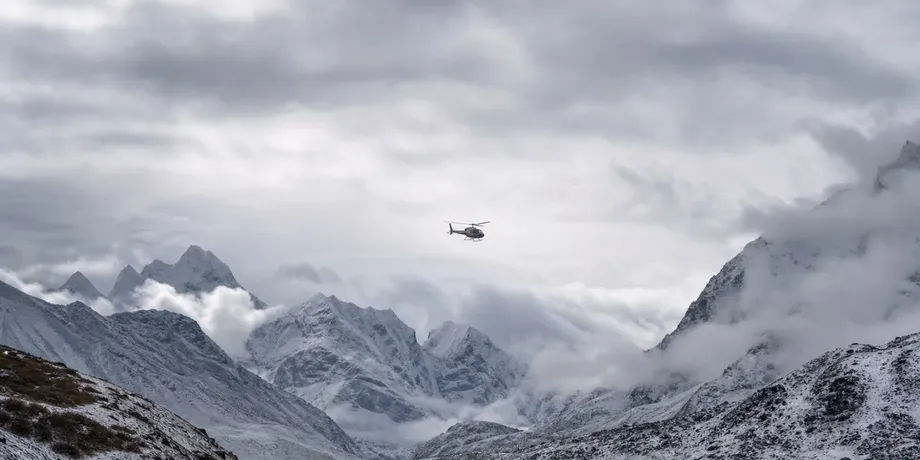
A technical fault in a Nepal Army helicopter at Surkhet has delayed efforts to evacuate six Indian tourists stranded by heavy snowfall at Danigad, in Ward 8 of Shey Phoksundo Rural Municipality in Nepal's Dolpa district. Authorities are seeking another helicopter after identifying the area where the group is stranded.
Contents
- Six tourists await evacuation as replacement helicopter is sought
- Who is stranded, and where are they?
- How contact was lost
- Warnings preceded the journey into the snow
- Why locating the group has not ended the emergency
- Phone coverage leaves gaps along the route
- A wider weather warning across Nepal
- Visitor figures show who is travelling in Upper Dolpa
- Key Points
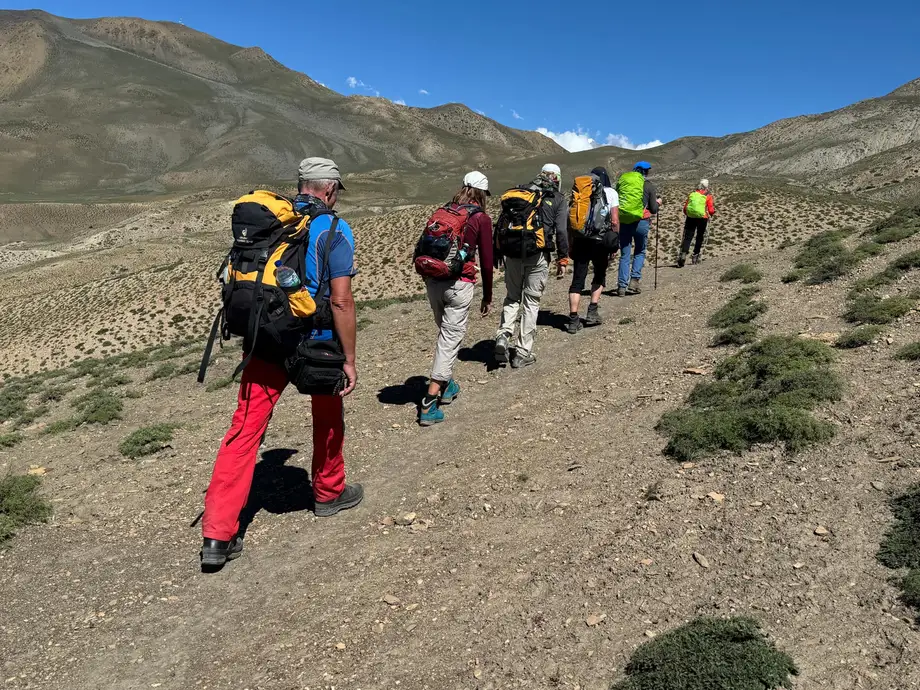
The tourists, four men and two women, became trapped while returning from Dho toward Phoksundo Lake. Snow has fallen continuously across Dolpa for several days, disrupting daily life in mountain communities and making travel through the high passes dangerous.
Dolpa Chief District Officer Junu Hamal Dhakal said the helicopter problem had made an immediate rescue difficult. The district administration learned of the tourists' situation on Kartik 14 in Nepal's calendar and planned an evacuation for Kartik 15, but the aircraft fault interrupted those preparations.
The Nepal Army has also deployed personnel to help with the operation. Rescue costs are expected to be covered by Nepal's Disaster Management Fund. Officials have not announced a completed evacuation, a confirmed arrival time for a replacement helicopter or the tourists' medical condition.
Who is stranded, and where are they?
The District Administration Office identified the tourists as Moumita Halder, Piyali Koley, Jajla Trivedi Kumar, Aditya Singha, Diplina Bishwas and Rajesh De. The group had travelled into the Dho area before continuing toward Shey Phoksundo Lake.
Danigad is the location given by the district administration for the stranded group. Earlier search information placed them around Numla and Bagla passes, also rendered as Numa La and Baga La, along the mountain route toward the lake.
The route crosses remote terrain between settlements and high mountain passes. A pass is a crossing through a mountain ridge; heavy snow can block the walking trail and make it difficult for trekkers to continue or return.
Shey Phoksundo Lake lies within Shey-Phoksundo National Park at about 3,600 metres above sea level and has an estimated depth of 145 metres. The tourists were travelling toward the lake through the surrounding mountain region when snowfall stopped their journey.
How contact was lost
The group's Nepali guide alerted the District Administration Office on Saturday evening, saying the tourists might have become stranded as snowfall intensified. Communication with the tourists was disrupted on Saturday night and was completely unavailable by Sunday morning, according to the chief district officer.
Dolpa Deputy Superintendent of Police Anil Raj Giri said police had been unable to contact the six tourists and had asked the relevant agencies to arrange a helicopter. Later information from the district administration identified the area where the tourists were waiting.
Dhakal described the location work and the planned evacuation in a statement about the rescue:
We have located the area where they are stranded, and an Army helicopter is arriving to rescue them. We hope to rescue them soon,
Officials also said the tourists were in contact with Nepal Army personnel posted in the national park, despite the lack of working mobile phones at the site. That gave the administration a way to obtain information while direct telephone contact remained unavailable.
Warnings preceded the journey into the snow
Authorities had barred trekkers from travelling to Upper Dolpa from 29 October because of the weather. Dhakal said the tourists continued toward the lake despite warnings from security personnel and their Nepali guide. Local residents had also warned that snow would make the mountain passes difficult to cross.
The chief district officer said the group left its guide and proceeded toward the lake as snowfall continued. The guide subsequently raised the alarm with the district office.
The key stages described by officials were:
- 29 October: Restrictions on trekking to Upper Dolpa began because of dangerous weather.
- Saturday afternoon: The six tourists became stranded in the snowy national park area.
- Saturday evening: Their guide contacted the District Administration Office to request help.
- Saturday night to Sunday morning: Communication deteriorated and then became unavailable.
- Kartik 15: A planned helicopter rescue was delayed by a technical fault at the Army's Surkhet air base.
District officials have urged residents and visitors to remain in safe locations and avoid risky routes while the bad weather continues. The administration also asked residents and tourists to check weather conditions before travelling. For other trekking groups, the immediate instruction is to stop journeys into exposed areas rather than attempt to cross snowbound passes.
Why locating the group has not ended the emergency
Surkhet's aircraft problem has added an equipment delay to an operation already complicated by snow, poor weather and difficult terrain. Authorities initially expected an Army helicopter to arrive shortly, then had to seek an alternative aircraft.
Dolpa has limited road access, and snow can also close its walking routes. A helicopter offers a way to reach people beyond those blocked trails, but the rescue still requires an available aircraft and weather conditions that allow it to operate.
The planned evacuation therefore depends on several practical steps: securing another helicopter, reaching the stranded area and bringing the six tourists to safety. Mobilising security personnel on the ground provides support while arrangements for the flight continue.
The Disaster Management Fund is expected to meet the rescue costs. That addresses the planned funding for the operation, while the immediate obstacle remains getting a usable helicopter to the area.
Phone coverage leaves gaps along the route
Shey Phoksundo Rural Municipality Chairman Dhawa Samduk Gurung described the communication problem facing both the tourists and the people trying to reach them:
Mobile phone communication is unavailable in the mountain passes between Wards 4 and 8, making it difficult to obtain information about the tourists' whereabouts and current condition.
The absence of coverage meant police and district officials could not simply call the group to check its position or needs. The guide's warning, information from local officials and contact through Army personnel became important parts of the response.
Snow and a lack of telephone service also complicated the initial search. Police first described the tourists as out of contact, while the district administration later said it had identified their area. The rescue effort has moved from trying to establish their whereabouts to arranging evacuation from the identified location.
Danigad's communication difficulties extend beyond this group. Other visitors and residents using the same passes face stretches where a mobile phone cannot connect them with help, even when they have a handset with them.
A wider weather warning across Nepal
Nepal's weather department had warned of rain and snow in the high Himalayas from Thursday night, including possible snowfall in parts of Karnali province, where Dolpa lies. The national disaster authority placed the country on high alert from 29 to 31 October.
The weather warning was linked to a system associated with Cyclone Arnab over the Bay of Bengal. Local guides also associated the heavy snowfall with that weather system. In Dolpa, the immediate effects were persistent snow, disrupted movement and worsening conditions along the trekking route.
Residents in high mountain areas have faced disruption to daily life as the snow continued for several days. The district administration's warning therefore applies to local communities as well as tourists: remain in safe places and avoid travel into areas where the weather is making routes hazardous.
Previous emergencies show the number of people that snowfall can strand at once. In October 2025, 15 trekkers, including three British women, were rescued from Mustang's Hidden Valley. Another incident near the Mustang-Dolpa border involved two Nepali tourists who required a helicopter evacuation.
A separate snowfall emergency in Manang left about 1,500 trekkers, including more than 200 foreigners, stranded on buried trails. Army and police personnel helped guide them to safety. Those operations involved different places and groups, but shared the problem now facing rescuers in Dolpa: snow closing the routes people had expected to walk.
Visitor figures show who is travelling in Upper Dolpa
The District Administration Office recorded 244 tourists in Upper Dolpa: 149 Nepali nationals, 44 visitors from countries belonging to the South Asian Association for Regional Cooperation, or SAARC, and 51 from other countries.
Those figures put Nepali visitors at about 61 percent of the total. Visitors from abroad accounted for the remaining 95 people, or about 39 percent. The six stranded Indian tourists represent about 2.5 percent of the recorded total of 244.
A separate visitor figure for Phoksundo Lake lists 4,882 arrivals during the first 11 months of Nepal's fiscal year 2082/83. The Upper Dolpa total describes the visitors recorded in that wider mountain area, while the lake figure covers arrivals over an extended period.
The emergency brings together several concrete weaknesses along this route: snowbound trails, gaps in telephone coverage, limited road access and the loss of the helicopter initially intended for the rescue. Authorities are now seeking another aircraft while security personnel support the six tourists awaiting evacuation.
Key Points
- Six Indian tourists, four men and two women, are stranded at Danigad in Dolpa after heavy snowfall.
- Authorities have identified their area and mobilised Nepal Army personnel.
- A technical fault in an Army helicopter at Surkhet delayed the planned evacuation; another helicopter is being sought.
- The group's guide alerted officials on Saturday evening, before direct communication was lost by Sunday morning.
- Authorities had restricted trekking to Upper Dolpa from 29 October because of dangerous weather.
- Rescue costs are expected to come from the Disaster Management Fund.
- No completed evacuation or confirmed arrival time for a replacement helicopter has been announced.