Three Days of Dangerous Weather Put Mountain Travel on Hold
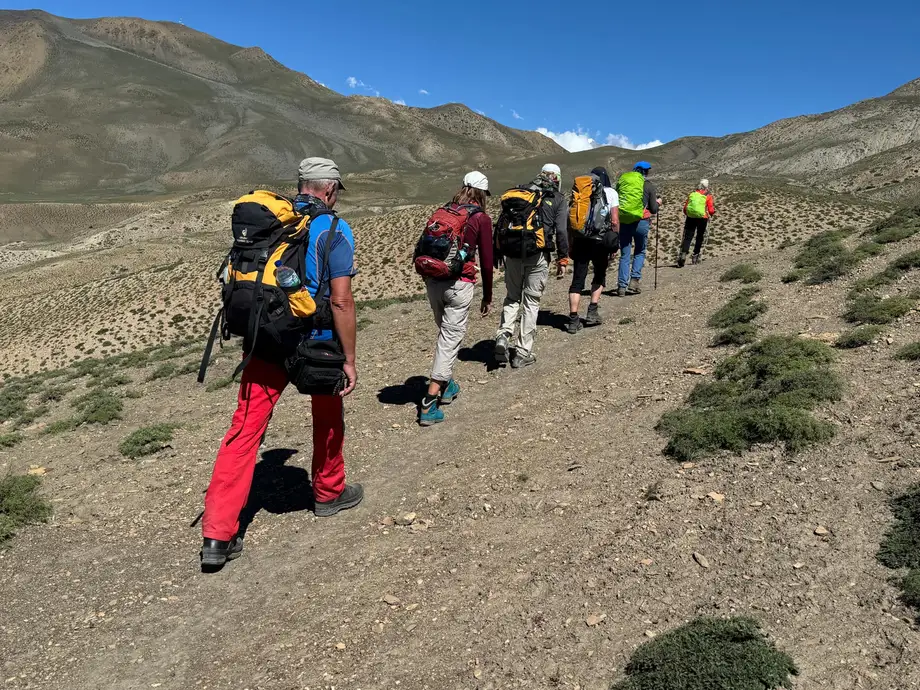
Nepal's Department of Immigration has urged trekkers to suspend journeys in high hill and Himalayan regions from October 29 to 31 and stopped issuing new permits for restricted trekking areas, citing forecasts of heavy snowfall, snowstorms and avalanches. Tourists already in affected mountain areas have been told to suspend their journeys and stay in safe locations.
Contents
- Three Days of Dangerous Weather Put Mountain Travel on Hold
- What the Permit Suspension Covers
- Trekkers Already in the Mountains Told to Stay Safe
- How the Cyclone Could Bring Rain and Snow to Nepal
- When and Where Conditions Could Worsen
- Mustang Warns of Disruption on Roads and in the Air
- Korala Travel Faces a Separate Local Warning
- River Communities and Farmers Also Face Risks
- Key Points
Department Director Surya Prasad Chapagain issued the notice after the National Disaster Risk Reduction and Management Authority warned of dangerous conditions during the three days, also identified in Nepali notices as Kartik 12, 13 and 14. The department directed trekking agencies, guides, tourists and other stakeholders to follow the instructions.
Mustang authorities issued separate warnings covering the same period. The District Administration Office urged people to avoid trekking at high altitude, while Lomanthang Rural Municipality advised against travel and vehicle movement toward the Korala border point until weather conditions improve.
The warnings extend beyond mountain trails. Heavy rainfall, thunderstorms, lightning and strong winds could affect parts of Nepal, with possible disruption to roads and domestic flights. Farmers harvesting paddy and people living near rivers or unstable hillsides have also been urged to take precautions.
The weather threat is linked to Cyclone Arnab over the Bay of Bengal. Nepal's Department of Hydrology and Meteorology expects weather associated with the storm to interact with other atmospheric systems, increasing the chance of rain and snow. The practical message for travellers is immediate: postpone exposed mountain journeys, check the rules for the intended route and follow local instructions before moving.
What the Permit Suspension Covers
The Department of Immigration's permit measure concerns designated restricted areas in the high hills and Himalayas. The department issues these trekking permits to foreign nationals. Its wider safety appeal asks people to postpone journeys into mountain regions exposed to the forecast hazards.
The distinction matters when changing travel plans: the permit suspension applies to restricted trekking areas, while weather advice reaches more broadly across high altitude destinations. Travellers need to confirm both whether their route requires a restricted area permit and whether local authorities have issued additional instructions.
The notice took effect immediately, with October 29–31 identified as the period covered by the trekking suspension. People who already hold permits have also been asked to refrain from trekking during those days. Having permission to enter an area does not remove the need to follow the weather advisory.
Chapagain's notice also calls for mountain travel to remain suspended until an official announcement says the danger has passed. No precise reopening time was given. Agencies and travellers therefore need an updated notice before treating the end of October 31 as permission to resume.
Trekkers Already in the Mountains Told to Stay Safe
The Department of Immigration addressed tourists who had already begun their journeys as well as those preparing to leave. Its statement instructed people in affected areas to pause their treks and remain in safe locations:
Those who have already set out on their treks are urged to remain in safe locations,
The department's notice asks tourists to avoid moving around unnecessarily and to stay in safe places or shelters. For a group already on a mountain route, that means putting the immediate safety instructions from local authorities and guides ahead of the planned itinerary.
Trekking agencies and guides have been directed to comply with the notice and ensure that others follow it. Their responsibilities include communicating the suspension to clients and revising journeys that would enter affected areas during the warning period.
How the Cyclone Could Bring Rain and Snow to Nepal
Cyclone Arnab has been intensifying over the Bay of Bengal and moving toward India's Andhra Pradesh coast. Nepal's disaster management authority said landfall in India was forecast before the expected effects in Nepal, which were due to begin from Thursday night.
The Department of Hydrology and Meteorology said moisture and weather systems associated with the cyclone could interact with westerly winds and a weather system higher in the atmosphere. Westerly winds move from west to east. When these systems meet, they can help produce rain over lower ground and snow at colder, higher elevations.
Meteorologist Bibhuti Pokharel said the system originating in the Bay of Bengal could weaken before reaching Nepal. The amount of rainfall would depend on its speed, strength and interaction with other weather systems.
The forecast therefore concerns the cyclone's wider weather effects, with different hazards depending on location and altitude. In the mountains, heavy snow can make trails and passes difficult to cross. Snowstorms can reduce visibility, while avalanches involve snow moving rapidly down a slope.
When and Where Conditions Could Worsen
The Department of Hydrology and Meteorology forecast an increasing chance of rain and snowfall from Thursday night, followed by possible heavy conditions on Friday and Saturday. The disaster management authority identified October 29–31 as the period requiring precautions.
The sequence of warnings gives travellers and residents several points to watch:
- Before October 29: The immigration notice takes effect, and agencies and travellers are asked to postpone affected journeys.
- October 29–31, also listed as Kartik 12–14: The requested trekking halt and restricted area permit suspension cover three days.
- From Thursday night: Rain and snowfall are expected to become more likely.
- Friday and Saturday: Some locations could experience heavy rain or snow, thunderstorms and lightning.
- Before travel resumes: Travellers should check updated official notices and local conditions.
Rain is possible across many parts of Koshi, Madhesh, Bagmati, Gandaki and Lumbini provinces. Some locations could experience heavy rainfall, thunderstorms and lightning. Rain and snow are also forecast in parts of Karnali and Sudurpashchim.
The hazards will vary across those provinces. A road through a wet hillside may face landslides, while a trail much higher up may face heavy snowfall and avalanche danger. Travellers need information for their actual destination and approach route, including the roads or flights used to reach it.
Mustang Warns of Disruption on Roads and in the Air
Mustang Chief District Officer Parshuram Pokharel said falling temperatures, landslides and adverse weather could affect both road and air transport. The District Administration Office's warning covered trekking at high altitude from October 29 to 31.
The district notice cited forecasts of moderate to heavy rainfall accompanied by thunder, lightning and strong winds across much of Gandaki Province. Higher hill and Himalayan areas could experience heavy snow and avalanches.
Road and flight disruption could complicate more than the trek itself. Visitors may have difficulty reaching their starting point or leaving after a journey, while residents and businesses may face interrupted movement of people and goods. Changing a walking itinerary therefore also requires checking onward transport.
The national disaster management authority separately advised people to avoid unnecessary travel. Travellers were urged to check with the relevant authorities before setting out, because road access and domestic flight operations would depend on the weather.
Korala Travel Faces a Separate Local Warning
Lomanthang Rural Municipality issued a specific appeal concerning the Korala border point and surrounding areas. Chairperson Tasi Nharbu Gurung urged transport operators, drivers, traders and tourists not to travel toward Korala because of the forecast conditions.
The municipality identified several connected risks: snowfall could make roads slippery, vehicles could be involved in accidents, and accumulated snow could block the route. Its advice was to suspend journeys and vehicle movement toward Korala until conditions improve.
This local instruction covers people travelling by vehicle as well as those visiting for tourism. Traders and drivers heading toward the border face the same access problems if snow makes roads unsafe or impassable.
The Korala warning is tied to improving weather conditions rather than a stated reopening hour. Anyone planning that journey should check the municipality's latest instructions before departure, alongside national weather and travel notices.
River Communities and Farmers Also Face Risks
Nepal's National Disaster Risk Reduction and Management Authority warned that adverse weather could disrupt daily activities as well as transport. Heavy rain could raise river and stream levels and increase the chance of landslides in hilly areas.
The authority urged people to avoid dangerous locations, especially riverbanks exposed to possible flooding. Its statement gave this instruction:
People should avoid staying in high-risk areas, particularly along riverbanks that may be affected by potential flooding,
Farmers face a separate concern because the forecast rain coincides with paddy harvesting. Ripe crops and harvested paddy left outside to dry could be damaged. The weather advice urged farmers to protect their crops and move agricultural produce into safe storage wherever possible before rainfall begins.
The combined warnings call for different actions in different places: shelter and postponed journeys for mountain visitors, fewer unnecessary trips on vulnerable roads, caution near rivers and unstable slopes, and protection of harvested crops. Updated forecasts from the Department of Hydrology and Meteorology, together with instructions from immigration, disaster management and local authorities, will guide the next decisions.
Key Points
- Nepal has urged a trekking halt in high hill and Himalayan regions from October 29 to 31.
- New permits for restricted trekking areas are suspended, and existing permit holders have also been asked to pause their journeys.
- Trekkers already in affected areas should remain in safe locations and follow local instructions.
- Forecast hazards include heavy snowfall, snowstorms, avalanches, heavy rain, lightning and strong winds.
- Mustang warned of road and flight disruption; Lomanthang advised against travel toward Korala until conditions improve.
- Authorities also warned of rising rivers, landslides and damage to paddy awaiting harvest or storage.
- Travel plans should follow updated official notices, including any announcement that the mountain weather danger has passed.