A possible restart, with thousands still waiting
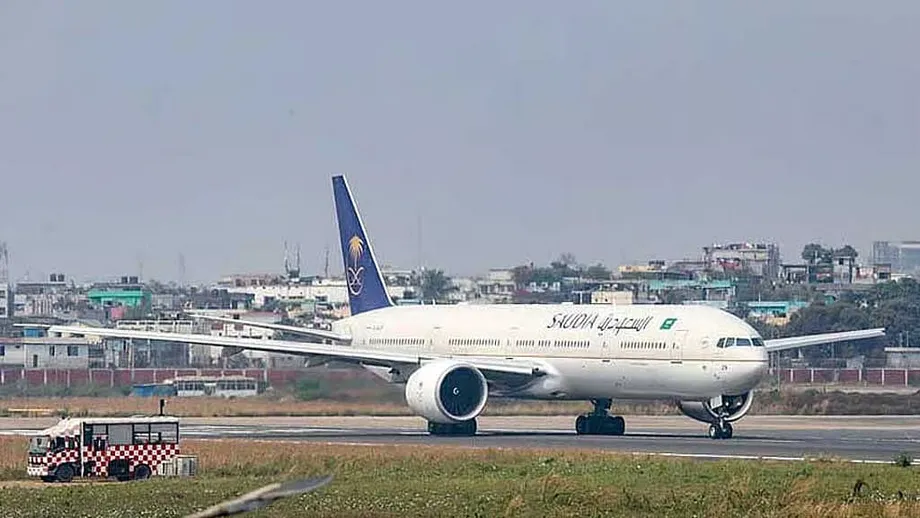
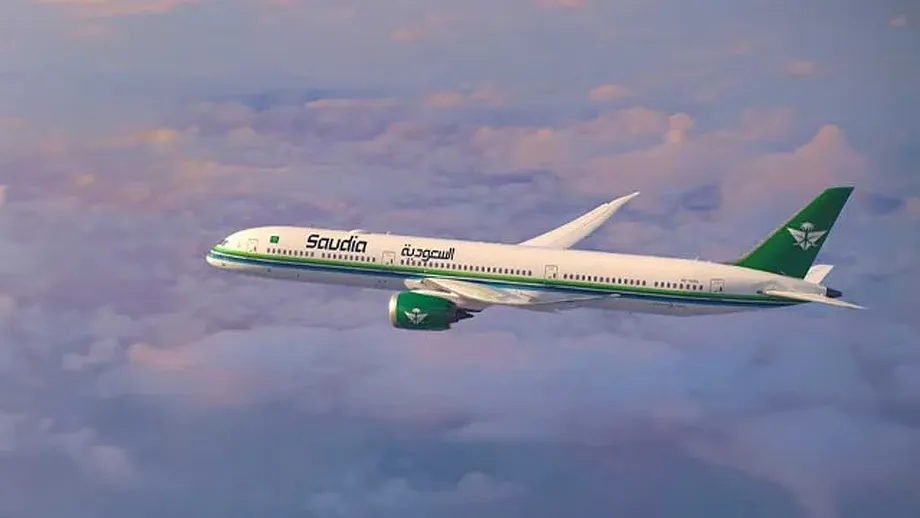
Saudia may resume flights between Dhaka and Riyadh on Wednesday, October 28, 2026, Bangladesh aviation authorities said, after restrictions at Saudi airports disrupted 146 direct and connecting services and affected 22,241 passengers.
Contents
- A possible restart, with thousands still waiting
- How the 146 disrupted flights break down
- What reopened in Riyadh, and when
- Jeddah and Medina remain alternatives from Dhaka
- Some Riyadh journeys now include a long bus ride
- What airlines have been told to provide
- Further attacks complicate the reopening
- A wider conflict reaches civilian travel
- Which dates passengers should watch
- At a Glance
The Civil Aviation Authority of Bangladesh (CAAB) said on October 27 that the proposed restart depended on conditions remaining stable. The announcement offered passengers a possible route back to the Saudi capital, while other airlines continued suspensions or moved services to alternative airports.
CAAB, citing information from Saudia, described the prospective resumption in a statement shared with Bangladesh airport authorities:
If everything goes well, hopefully, inshallah, from tomorrow, Saudia Airlines will resume operations from Riyadh Airport,
Biman Bangladesh Airlines has suspended its Dhaka services to Riyadh and Dammam until November 4. US-Bangla Airlines has cancelled flights on those two routes through October 31. Both carriers have pointed passengers toward other Saudi destinations for urgent travel.
Riyadh's King Khalid International Airport began reopening on October 25 after a closure lasting about two weeks. Some aircraft departed, but many scheduled flights remained cancelled, and Yemen's Houthi movement claimed another attack within hours of the reopening.
For passengers, the immediate task is to confirm the specific flight, airport and departure arrangements with their airline. Some journeys sold for Riyadh now involve landing elsewhere and continuing by bus. Saudia's possible October 28 return and the longer suspensions imposed by other airlines reflect different operating decisions during the same security crisis.
How the 146 disrupted flights break down
CAAB's ASM Flight Management recorded 69 disrupted direct flights and 77 disrupted transit flights. Squadron Leader Sakib shared the update, which counted services cancelled or suspended amid restrictions at Saudi airports.
Connecting services accounted for about 53% of the 146 affected flights, calculated from the 77 transit services. The disruption therefore extended well beyond aircraft flying directly between Bangladesh and Saudi Arabia: passengers travelling through another country also lost planned connections.
Biman had the largest number of disrupted direct flights, with 29, followed by Saudia with 19, Riyadh Air with 11 and US-Bangla with 10. Together, those figures account for all 69 direct services in the tally.
Among connecting services, IndiGo accounted for 30 affected flights, Emirates for 14, Qatar Airways for nine, Air India and flydubai for eight each, SalamAir for seven and EgyptAir for one. IndiGo's 30 represented about 39% of the 77 disrupted transit services.
The 22,241 affected passengers face different problems depending on their bookings. A passenger on a direct flight needs a replacement departure or another destination airport. Someone travelling through a hub may also need a revised connection, making confirmation of the entire itinerary especially important.
What reopened in Riyadh, and when
King Khalid International Airport reopened two terminals on October 25. Terminal 1 was designated for domestic flights, while Terminal 2 was assigned international services operated by Saudi airlines.
Flight tracking showed an aircraft leaving Riyadh for Jeddah early that day. The airport's website also listed domestic and international services, including arrivals from Dubai, Paris and Cairo, although cancellations continued.
The main dates show how a partial airport reopening has overlapped with continuing airline restrictions:
- October 10: A missile strike on Riyadh airport killed 13 people and injured 308, according to Saudi authorities.
- October 12: CAAB issued instructions requiring airlines to notify and assist passengers affected by Saudi airport disruptions.
- October 16: Biman began operating two daily flights between Dhaka and Jeddah.
- October 25: Riyadh airport began reopening after about two weeks; the Houthis claimed a fresh strike the same day.
- October 27: Bangladesh aviation authorities announced that Saudia might resume Riyadh operations on October 28.
- October 31 and November 4: The announced suspension periods end for US-Bangla and Biman respectively on their Riyadh and Dammam routes.
Each airline still has to decide which services it can operate. A terminal reopening gives carriers somewhere to handle passengers, while individual departures remain subject to operating and security decisions.
Jeddah and Medina remain alternatives from Dhaka
Biman's October 25 press release advised people travelling to or returning from Saudi Arabia to use Jeddah and Medina international airports while its Riyadh and Dammam services remain suspended.
The national carrier has operated two daily Dhaka–Jeddah flights since October 16 and said that arrangement would continue until November 4. Regular Dhaka–Medina flights are also operating, using Boeing 787 aircraft.
US-Bangla's general manager for public relations, Kamrul Islam, said security concerns prompted the airline's cancellations. Passengers with urgent travel needs or visa problems could travel through Jeddah, where its service remained available.
Passengers choosing either alternative need to account for the journey from their arrival airport to their final destination. A ticket to Jeddah or Medina changes where a traveller enters Saudi Arabia, so onward transport and its timing become part of the travel plan.
Biman directed passengers seeking ticketing and travel information to its nearest sales centre and said further scheduling decisions would be announced later.
Some Riyadh journeys now include a long bus ride
Saudia has been operating some services associated with Riyadh through Dammam and Al Qassim, with an airline arranged bus transfer between the airport and the capital included in the ticket. Al Qassim is about 400 kilometres northwest of Riyadh.
Riyadh Air has also moved several international services to Al Qassim. Its operating list includes Dhaka, Cairo, Jeddah, London Heathrow, Lahore and Islamabad, all through that airport until further notice.
Passengers leaving Riyadh on those Riyadh Air services can check in at the InterContinental Durrat Al Riyadh hotel and take a complimentary bus to Al Qassim. The airline puts the bus journey at about four and a half hours.
Hotel check-in opens eight hours and 15 minutes before the scheduled flight departure and closes six hours and 30 minutes before takeoff. Travellers making their own way to Al Qassim are advised to arrive at the airport at least three hours before departure.
Those arrangements make the meeting point and bus departure time essential parts of the booking. A passenger expecting to leave from King Khalid International Airport could instead need to report to a hotel several hours earlier. Airlines have asked travellers to check their booking instructions for the actual airport and transfer arrangements.
What airlines have been told to provide
CAAB's October 12 directive instructed airlines operating direct and connecting services to Saudi Arabia to inform passengers promptly about closures, delays, cancellations and schedule changes.
Airlines were told to use SMS, telephone calls, email, websites, social media and other available channels. Their messages must explain revised departure times and arrangements for rebooking or refunds, and advise passengers to confirm their flight before travelling to the airport.
For people stranded at Hazrat Shahjalal International Airport in Dhaka, CAAB instructed airlines to provide food, drinking water, refreshments, medical support and other necessary assistance where applicable. Elderly passengers, children, people with disabilities and other vulnerable travellers were to receive special attention.
Each airline was also asked to appoint a designated contact, backed by enough staff, to coordinate assistance, flight updates and operating arrangements with airport authorities. That gives the airport a named person to work with when a cancellation leaves passengers needing help.
Hazrat Shahjalal International Airport's executive director, Group Captain SM Ragib Samad, attributed the disruption across Saudi airports to the prevailing security situation.
Passengers facing visa expiry or other immigration problems were advised to contact the relevant Saudi authorities, the Saudi Embassy in Dhaka and other appropriate agencies. Changing a flight and extending permission to stay are separate processes, so travellers may need help from both the airline and immigration authorities.
Further attacks complicate the reopening
Houthi military spokesman Yahya Saree claimed the group launched another attack on Riyadh airport on October 25, hours after operations restarted. Residents had received warnings of a hostile aerial threat, and explosions were heard in the capital.
Saree described the claimed attacks in a statement:
conducted three military operations with dozens of ballistic missiles,
Saudi authorities had not commented on the claimed fresh airport strike. The Saudi led coalition said it had intercepted at least 10 ballistic missiles during the attacks, and also described intercepting a missile aimed at Riyadh and two drones in the area.
Saudi civil defence reported that falling debris injured two people in the south and damaged buildings and vehicles. An interception can destroy an incoming weapon while still leaving dangerous fragments to fall onto populated areas.
Dammam has also suffered a deadly airport attack. Saudi Arabia's General Authority of Civil Aviation said an attack at King Fahd International Airport killed a Saudi citizen and an Indian resident and injured eight people. The Houthis said Dammam airport was among sites targeted with missiles and drones over the preceding 48 hours.
Saudi authorities put the number killed in attacks on Saudi airports since the start of October at at least 21. That included the 13 people killed in the October 10 Riyadh strike, which injured 308.
The Saudi energy ministry separately said intercepted drone debris killed two people, residents from the Philippines and Nepal, near an Aramco processing facility at the Shaybah oil field. Their deaths occurred away from the airport attack in Dammam.
A wider conflict reaches civilian travel
The airport disruption is part of renewed fighting between the Houthis and Yemen's government, which is supported by Saudi Arabia. A truce that had lasted several years began breaking down in July, followed by attacks on airports, oil facilities and shipping.
The Houthis say their strikes respond to Saudi attacks and restrictions on territory they control. Saudi forces have carried out air operations in Yemen, while the kingdom's air defences have intercepted missiles and drones aimed at Saudi territory.
Saudi Arabia, Pakistan and Türkiye had already agreed to begin implementing their joint defence commitments after an October 5 emergency meeting in Riyadh. The activation of the Makkah pact included plans for agreed military forces and capabilities to be deployed to the kingdom. Pakistan's Defence Minister Khawaja Asif described Pakistani and Turkish roles as supportive, with Saudi forces conducting combat operations.
Greece has also agreed to keep its Patriot air defence system in Saudi Arabia. Greek Prime Minister Kyriakos Mitsotakis met Crown Prince Mohammed bin Salman as Riyadh airport restarted operations. The Greek battery is deployed at Yanbu, an oil export hub on the Red Sea.
The disruption has reached beyond ordinary airline schedules. Saudi Arabia's flagship investment conference was postponed until 2027, while the Dakar Rally was among major events affected by cancellations, postponements or relocation decisions during the conflict.
Which dates passengers should watch
Saudia's proposed October 28 restart is the nearest possible change for passengers on the Dhaka–Riyadh route. Confirmation of the actual operating flights was still pending in the October 27 announcement.
Other airlines have set later dates. Flydubai has cancelled Riyadh services through October 29, Etihad has cancelled Abu Dhabi–Riyadh flights until November 5, and Emirates has scheduled a return to Riyadh for November 8. Air Arabia's Sharjah service remains suspended without an announced restart date.
For passengers leaving Bangladesh, US-Bangla's October 31 suspension deadline and Biman's November 4 deadline remain the relevant dates for their Riyadh and Dammam services. Biman's expanded Jeddah schedule also runs through November 4.
Passengers with connecting tickets should ask about every leg of the journey, the airport they will actually use, any bus transfer and the options if a connection is missed. Those whose flights are cancelled should contact their airline or booking agent for rebooking or refund arrangements.
At a Glance
- Saudia may resume Dhaka–Riyadh services on October 28, subject to stable conditions.
- Bangladesh aviation authorities counted 146 disrupted flights affecting 22,241 passengers.
- The total includes 69 direct flights and 77 connecting services.
- Biman's Riyadh and Dammam services are suspended until November 4; US-Bangla's cancellations run through October 31.
- Jeddah and Medina remain alternatives, while some Riyadh bookings involve Al Qassim or Dammam and a bus transfer.
- CAAB has instructed airlines to provide flight updates, rebooking and refund information, and assistance for stranded passengers.
- Passengers should confirm their flight, actual airport and transfer arrangements before setting out.