A faster overnight connection awaits final railway approval
The proposed Bengaluru–Mumbai Vande Bharat sleeper service is targeting November 3, 2026, for commercial operations, with a tentative timetable that would cover 1,118 kilometres in about 16 hours. That would save roughly six to eight hours compared with existing trains taking 22 to 24 hours between the two cities.
Contents
- A faster overnight connection awaits final railway approval
- Evening departures, arrivals before noon
- How much time would passengers save?
- Eight proposed stops across three states
- What the sleeper coaches would provide
- A fare of about Rs 3,000 is expected
- Why the Bengaluru terminal is drawing criticism
- How the November launch plan has developed
- Key Points
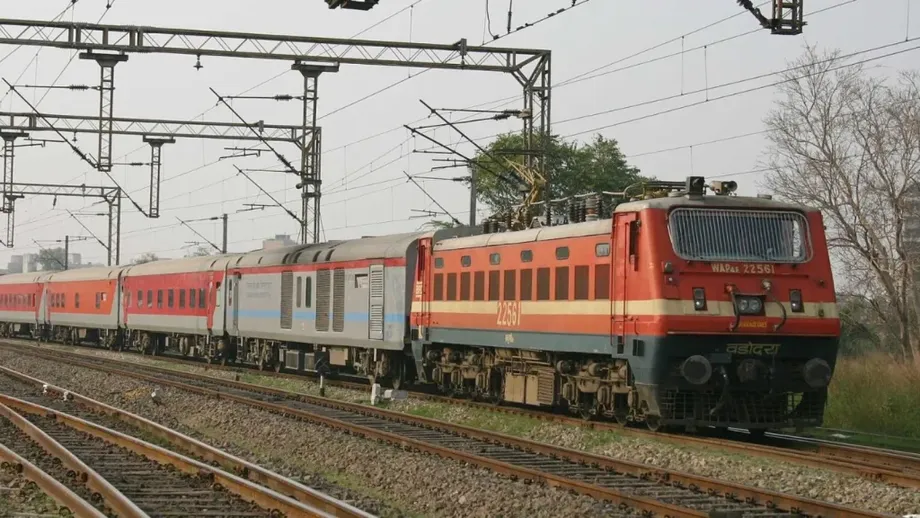
Railway Minister Ashwini Vaishnaw is expected to inaugurate the train on November 1 at Sir M Visvesvaraya Terminal (SMVT) in Bengaluru. The service would connect the terminal with Chhatrapati Shivaji Maharaj Terminus (CSMT) in Mumbai, using two trains manufactured by BEML, each with 16 air conditioned coaches. It is being described as South India's first Vande Bharat sleeper service.
Passengers still face an unsettled launch calendar. The latest proposed commercial start is November 3, while an earlier plan put it on Monday, November 2, subject to approval. The inauguration has been placed at 10:30 am in the launch plan and at noon by South Western Railway officials describing the ceremony. As of Thursday evening, the railway had not officially announced the flag-off. The Railway Board is expected to release the timetable, operating days and other details on November 1; confirmed fares, booking arrangements, train numbers and the final stop list are also awaited.
The prospect is nevertheless substantial for travellers: an evening departure, a berth for the night and arrival shortly before noon, rather than spending most of the following day aboard a conventional train. The proposed Bengaluru starting point has drawn criticism, however, because some passengers consider SMVT harder to reach than the city's main railway station.
Evening departures, arrivals before noon
Under the tentative timetable, the Mumbai service would leave SMVT Bengaluru at 7:50 pm and arrive at CSMT at 11:55 am the next day. The journey would take 16 hours and five minutes. From Mumbai, departure would be at 8:10 pm, with arrival in Bengaluru at 11:55 am the following day, taking 15 hours and 45 minutes.
The return journey would therefore be 20 minutes shorter. Both directions would offer an overnight trip, but the late morning arrival matters for planning: passengers with early appointments would still need to travel earlier, while those with afternoon commitments would need to allow time to leave the station and reach their destination.
The proposed frequency is six days a week, with primary maintenance at SMVT Bengaluru. For anyone booking a return journey, the weekly day without a service will be as important as the departure time. Train numbers 27652 and 27651 have been identified for the route, although their use remains subject to confirmation.
How much time would passengers save?
The proposed Bengaluru departure would cut a journey of 22 hours to 16 hours and five minutes, saving five hours and 55 minutes. Against a journey of 24 hours, the saving would be seven hours and 55 minutes. Put simply, the expected improvement is close to six to eight hours, depending on which existing train a passenger would otherwise take.
The comparison explains why a sleeper service could be attractive even though it still occupies part of two calendar days. Travellers would board in the evening, sleep during much of the journey and arrive before lunch. Conventional services taking 22 to 24 hours require considerably more time aboard.
Across the stated distance of 1,118 kilometres, the proposed Bengaluru to Mumbai schedule works out to an average speed of about 70 kilometres per hour, including station stops. An average speed counts the whole journey, including time spent standing at platforms, rather than just the periods when the train is moving.
Eight proposed stops across three states
The train would use the Guntakal route through Andhra Pradesh, Karnataka and Maharashtra. The expanded proposed stop list includes Anantapur, Guntakal, Raichur, Yadgir, Kalaburagi, Solapur, Pune and Kalyan before the Mumbai terminus.
Yadgir is the addition to the earlier list of seven intermediate stops. Its inclusion followed demands from rail passenger forums, giving another town a place in the proposed service. Each intermediate stop is expected to last no more than five minutes.
Those stops would extend the train's usefulness beyond passengers travelling between Bengaluru and Mumbai. Travellers along the corridor could use it for shorter journeys, subject to the booking arrangements. The brief station calls would also leave limited time for boarding, especially for people travelling with children, substantial luggage or reduced mobility.
The Railways has conducted a trial run through the Ghat section between Mumbai and Pune. This is the part of the route that crosses the hills between the two cities. It is a relevant operational step for a train expected to maintain a much shorter end to end schedule.
What the sleeper coaches would provide
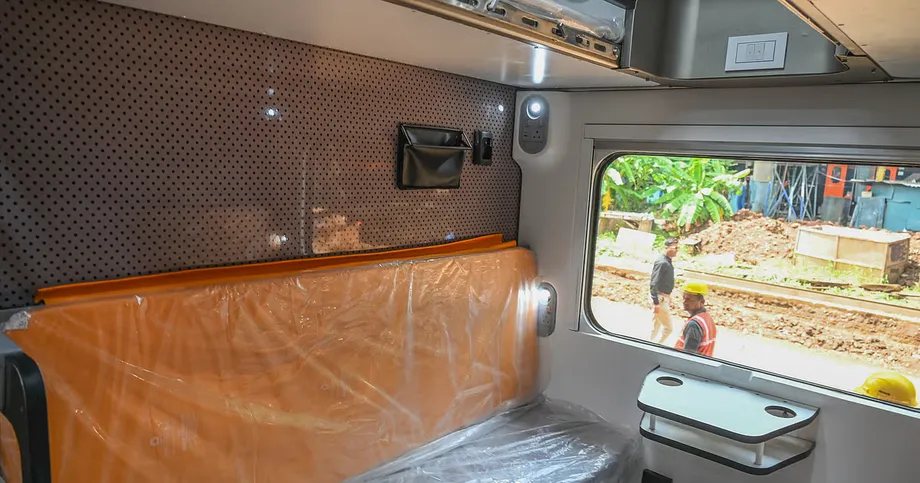
Each train is described as having 16 air conditioned coaches and 823 berths. A berth is a sleeping space rather than an upright seat, making the layout suited to a journey that continues through the night. Two BEML trainsets are planned for the route.
Interior footage shared by travel content creator Akshay Malhotra shows cushioned berths, ladders for reaching upper sleeping spaces, separate reading lights, phone holders and charging points for laptops and phones. The walkthrough also shows luggage space and curtains for privacy.
The video presents toilets with sensor operated flushing, a washbasin area and pantry facilities to support meals during the journey. The driver's cabin has digital displays and control panels. For passengers, the most immediate benefits would be a place to sleep, access to charging and food served aboard, all useful on a trip lasting most of a night and part of the next morning.
A fare of about Rs 3,000 is expected
A berth in third AC, commonly called 3AC, is expected to cost about Rs 3,000, including onboard meals. Third AC is an air conditioned sleeping class in which berths are arranged in three levels in the main sleeping bays.
The meal inclusion matters when assessing the proposed price, because passengers would be paying for both transport and food during the journey. The eventual ticket cost will determine how the service compares with the conventional trains already connecting the cities.
No confirmed opening date for reservations has been given. Travellers considering the inaugural period will need the booking announcement to establish which departures they can actually reserve and at what price, rather than relying on the expected fare alone.
Why the Bengaluru terminal is drawing criticism
SMVT Bengaluru, in Byappanahalli, has become a point of disagreement in the launch plan. Railway enthusiasts and regular passengers have criticised the choice of this terminal instead of Krantivira Sangolli Rayanna Bengaluru City railway station, usually called KSR Bengaluru, at Majestic.
The Railway Board had initially considered KSR Bengaluru as the starting point. Critics of the move to SMVT cite poorer connectivity, particularly for passengers who depend on connections through the city's main transport hubs or live closer to KSR.
The practical issue is the journey to the train. A faster railway service can save hours between cities, while a less convenient terminal can require passengers to spend more time reaching their departure point or completing the trip after arrival. The effect will vary according to where a traveller lives and the transport available to them.
For a proposed 7:50 pm departure, reaching SMVT in time would become part of the evening travel plan. On the return, passengers arriving at 11:55 am would still need to account for the journey from the terminal to home, work or another connection.
How the November launch plan has developed
The current proposal follows the earlier November launch plan, which targeted an inauguration on November 1 and regular services from November 2. The latest commercial target moves that passenger start to November 3 while retaining the proposed inauguration on Karnataka Rajyotsava, the celebration marking the state's formation.
The key dates distinguish the ceremonial departure from the service that ordinary passengers would book:
- October 20, 2026: The earlier proposal targeted a November 1 inauguration and November 2 start for regular services.
- November 1, 2026: The inauguration is planned at SMVT Bengaluru, with the Railway Board also expected to issue operational details.
- November 3, 2026: The latest proposal places the beginning of commercial operations on this date.
South Western Railway also plans to issue about 350 complimentary souvenir tickets to railway enthusiasts and social media creators for the inaugural journey. That run is expected to follow a special timetable and stopping pattern. Union ministers H D Kumaraswamy and Prahlad Joshi are expected to attend alongside Vaishnaw.
For regular passengers, the central change would be a substantially shorter overnight rail journey between the two cities. Whether it fits a particular trip will depend on the final operating day, available berths, ticket price and travel time to and from the stations.
Key Points
- Commercial services are targeted for November 3, following a proposed November 1 inauguration.
- The tentative journey takes 16 hours and five minutes from Bengaluru and 15 hours and 45 minutes from Mumbai.
- The 1,118 kilometre route has eight proposed intermediate stops, including Yadgir.
- Two BEML trains are planned, each with 16 air conditioned coaches and 823 berths.
- A third AC berth is expected to cost about Rs 3,000, including meals.
- Final railway confirmation is awaited, while the choice of SMVT Bengaluru continues to draw criticism over access.