April 2, 2027 Is the Army's Readiness Deadline
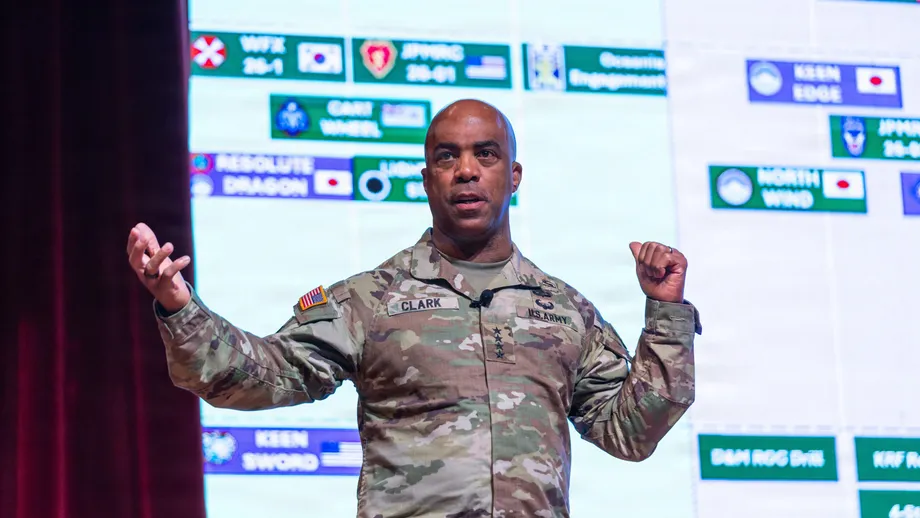
US Army Pacific is working toward an April 2, 2027 deadline to position forces, equipment and supplies for a possible conflict over Taiwan, its commander, Gen. Ronald Clark, said at the TechNet Indo-Pacific conference in Honolulu on October 28. The effort includes rotating personnel and military equipment through island chains west of the International Date Line.
Contents
Clark said the command still uses the planning period known as the Davidson window, named after a 2021 warning that China could develop the military capability to invade Taiwan within six years. His remarks put a specific readiness date behind a broader effort to prepare American forces in the Pacific.
Asked whether that window remained relevant, Clark, the commander of US Army Pacific, gave a direct answer:
The answer for us at USARPAC is yes.
At the same time, the US Office of the Director of National Intelligence has assessed that Chinese leaders do not currently plan to invade Taiwan in 2027 and have no fixed timetable for unification. Military preparations and intelligence assessments are addressing different questions: what American forces must be ready to handle, and what Beijing currently intends to do.
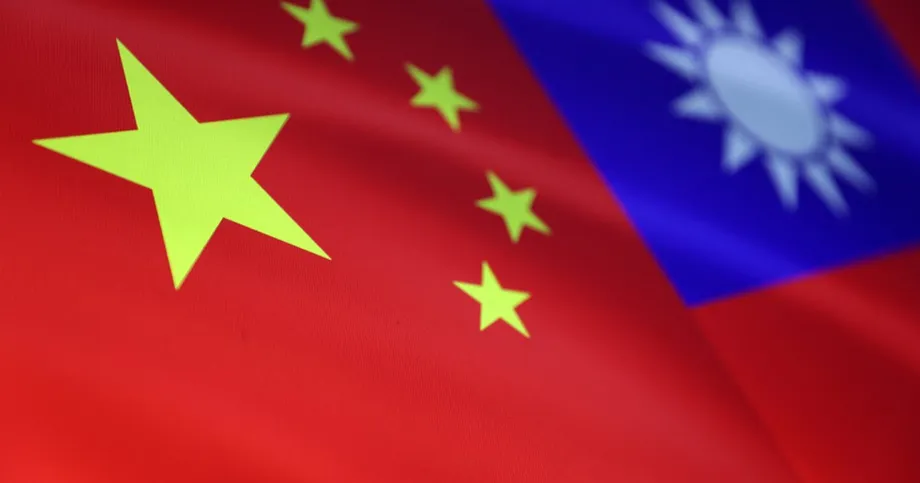
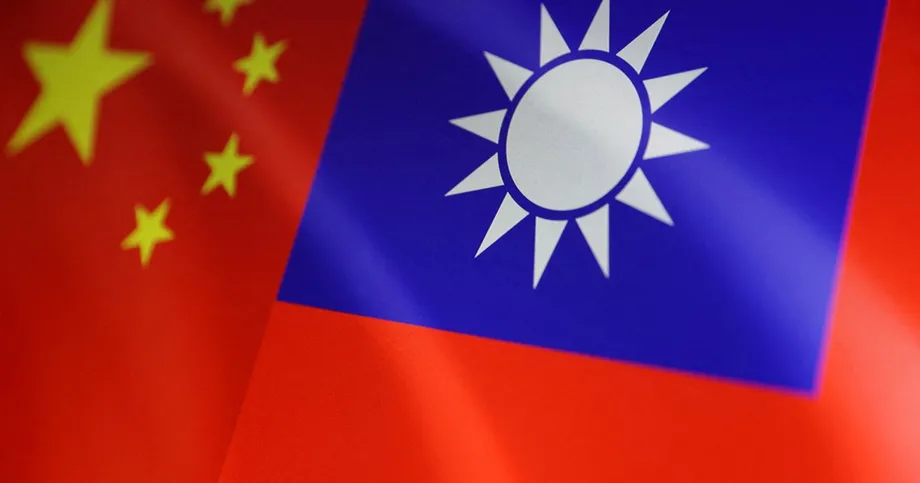
Taiwan is a self-governed democracy that Beijing claims as its territory. The United States supplies Taiwan with weapons while maintaining uncertainty about how it would respond to an invasion. Clark's preparations seek to deter an attack by making American forces better positioned to respond if one occurs.
How the Davidson Window Took Shape
Adm. Philip Davidson, then commander of US Indo-Pacific Command, delivered his warning to the Senate Armed Services Committee in 2021. The six years leading to 2027 subsequently became a benchmark for American defense budgets and military strategy in the Pacific.
Clark was Davidson's chief of staff when the admiral made that assessment. His current preparations carry the earlier warning into decisions about where troops serve, where equipment is stored and how forces would receive supplies during a crisis.
Several milestones explain how the planning window developed:
- 2021: Davidson warned a Senate committee that China could develop the capability to invade Taiwan within six years.
- 2023: William Burns, then CIA director, said at an event at Georgetown University that US intelligence indicated that President Xi Jinping had instructed China's military to be ready by 2027 to conduct a successful invasion.
- March 2026: The Office of the Director of National Intelligence's Annual Threat Assessment said Chinese leaders did not currently plan a 2027 invasion and had no fixed unification timeline.
- October 28: Clark reaffirmed the Davidson window as a planning benchmark during his Honolulu remarks.
- April 2, 2027: Clark's stated target for readiness under the Army's regional preparations.
Burns's description concerned an instruction to China's People's Liberation Army to develop military readiness. The intelligence assessment addressed Beijing's current plans. For American commanders, preparing forces requires allowing time to move equipment, arrange rotations and organize supplies before a crisis begins.
What US Intelligence Says About Beijing's Intentions
The Office of the Director of National Intelligence's March 2026 Annual Threat Assessment gives a more conditional picture of China's choices than a countdown to war would suggest. It identifies military readiness, politics in Taiwan and the possibility of American intervention as factors Beijing would consider.
The office stated its assessment of China's current intentions in explicit terms:
Chinese leaders do not currently plan to execute an invasion of Taiwan in 2027, nor do they have a fixed timeline for achieving unification.
The assessment also described the considerations likely to shape any decision to use force:
Beijing almost certainly will consider a variety of factors in deciding whether and how to pursue military approaches to unification, including PLA readiness, the actions and politics of Taiwan, and whether or not the US will militarily intervene on Taiwan's behalf.
Clark's command is preparing for the possibility that China could have both the capacity and the intent to attack. The intelligence office describes Beijing's intentions as dependent on several conditions. Together, those positions explain why military preparations can continue even when intelligence officials see no current plan for an invasion in the target year.
What Army Ready Forward Changes
Army Ready Forward is the name Clark gave to the effort to prepare the regional operating environment. It places personnel, equipment and materiel, meaning military supplies and other resources, on a rotational basis across the first and second island chains west of the International Date Line.
The island chains are geographical groupings used in military planning across the western Pacific. Positioning resources there puts them nearer the area where forces might be needed. Rotations involve moving units or personnel through locations for periods of service, rather than describing every deployment as a permanent assignment.
Clark's account indicates that positioning is already underway. The task combines moving people with arranging access to the equipment and supplies they would need. Soldiers arriving in a region still depend on transport, communications and a reliable flow of essential materials to operate.
The remarks did not provide a country by country deployment list, troop totals, equipment quantities or a budget for Army Ready Forward. Those details would be needed to measure the initiative's size and how much work remains before April 2027.
For Taiwan and nearby countries, the practical change described by Clark is an American Army presence organized around having resources forward before an emergency. Deterrence is the intended result: persuading a potential attacker that using force would face a prepared response.
Why Supplying Forces Is Central
Clark identified sustaining forces when normal infrastructure is disrupted or unavailable as an urgent operational requirement. In plain terms, troops must keep receiving what they need even when the facilities and networks they normally use stop working.
Military readiness therefore extends beyond possessing weapons. Equipment needs maintenance and replacement parts, while personnel need continuing supplies. A force can arrive ready to operate and still face serious difficulties if its support system cannot keep functioning.
Clark, explaining the problem he wanted industry to help solve, said:
Our operational requirement is clear: we must develop resilient, affordable and scalable ways to sustain forces at the tactical edge when traditional infrastructure is disrupted or unavailable. This requirement underscores an urgent need for industry partnership.
The tactical edge means the places where units are carrying out their immediate missions. Clark's requirement is for support that can survive disruption, remain affordable and expand to serve more forces when needed. Those demands connect the Army's deployment plans directly to what suppliers can produce and deliver.
The Search for Equipment That Can Be Produced in Numbers
Clark said the Army needs a mix of sophisticated weapons and less expensive systems that manufacturers can produce in large quantities. Autonomous systems, which can perform some tasks without continuous human control, are a particular focus.
Expensive equipment designed around highly specific military requirements can take substantial time to develop and purchase. The Defense Department has been moving toward using suitable commercial technology sooner, seeking equipment soldiers can use during operations without waiting for every feature of a specially developed system.
Clark described the balance he wants industry to achieve:
We need the right balance between exquisite, high-end systems and affordable, mass-producible alternatives. Meeting that requirement demands that the industrial base adapt to provide the surge capability and capacity required in crisis.
Large numbers of inexpensive drones illustrate the approach. They can give forces more systems to deploy and can be used in numbers intended to overwhelm an opponent. Advanced weapons still have a place in Clark's plan, alongside equipment that is cheaper to manufacture and replace.
Manufacturing capacity matters because a crisis could require deliveries far above normal purchasing levels. Clark's reference to surge capacity concerns how quickly companies could increase production. His readiness deadline therefore creates demands for factories and supply networks as well as military units.
Preparations Extend Beyond 2027
April 2, 2027 gives Army Pacific a date against which to organize its preparations. Clark described it as a readiness deadline and said the command would continue modernizing and positioning forces beyond that year.
Explaining how the command uses the date, Clark said:
It is a period of time for which we're snapping the chalk line to say we need to be ready by this date.
US policy toward Taiwan remains another part of Beijing's calculations. Washington provides arms while maintaining strategic ambiguity, meaning it leaves uncertain the precise military response it would make to an invasion. The intelligence assessment specifically includes possible American intervention among the factors Chinese leaders would weigh.
The concrete work Clark described is preparing troops, equipment, supplies and production capacity together. His message to industry was that the Army needs systems it can obtain in useful numbers and support under difficult conditions, with preparations continuing beyond the current planning window.
Key Points
- US Army Pacific is working toward an April 2, 2027 readiness target for a possible Taiwan conflict.
- Army Ready Forward is rotating personnel, equipment and supplies through Pacific island chains west of the International Date Line.
- The Davidson window stems from a 2021 warning about China's potential military capability within six years.
- US intelligence assesses that Beijing has no current plan to invade Taiwan in 2027 and no fixed unification timetable.
- Clark wants advanced weapons alongside affordable systems that can be produced in large quantities, particularly autonomous systems.
- Keeping forces supplied during disruption and increasing industrial production are central to the preparations.