Two ministers face asset freezes and entry bans
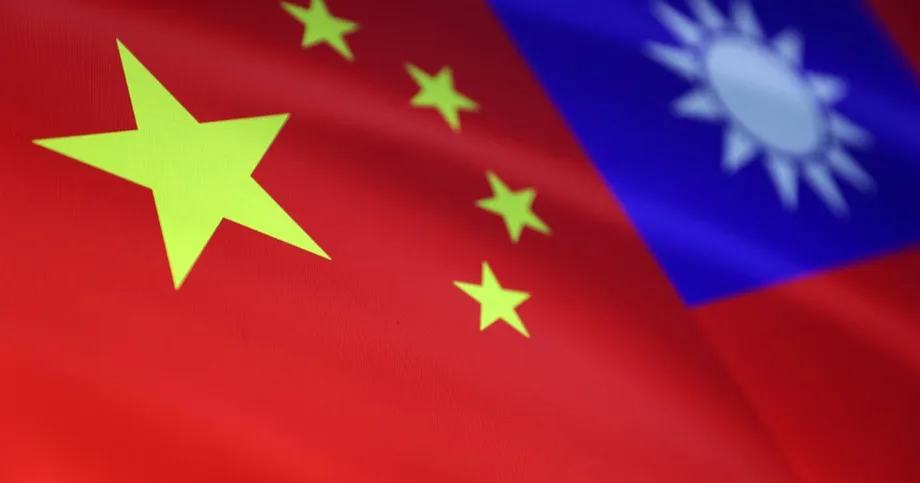
China imposed sanctions effective October 12, 2026, on Paraguay's Minister of Information and Communication Technologies, Gustavo Villate, and Belize's Foreign Minister, Francis Fonseca, targeting officials from two of Taiwan's 12 remaining diplomatic allies. The measures freeze their property in China, prohibit transactions and cooperation with them, and bar their entry into mainland China, Hong Kong and Macau.
Contents
- Two ministers face asset freezes and entry bans
- What the restrictions actually cover
- Beijing invokes sovereignty and security
- Paraguay's ties include technology and legal cooperation
- Belize marked an anniversary after a ministerial visit
- A sequence of meetings and public commitments
- Pressure on a shrinking diplomatic network
- What is still unknown
- Key Points
China's Foreign Ministry announced the restrictions in separate decisions citing Articles 3, 4, 6, 9 and 15 of the country's Anti-Foreign Sanctions Law. The decisions identify Villate by his full name, Gustavo Emigdio Villate Samaniego, and list Fonseca's portfolio as foreign affairs, foreign trade, education, culture, science and technology.
The announcement followed Taiwan's National Day celebrations and a message from Belize's embassy in Taiwan marking 37 years of diplomatic relations on October 11. Both sanctioned ministers had also held meetings with senior Taiwanese diplomats in recent months, underscoring the continuing ties that Beijing wants their governments to abandon.
The sanctions are described as largely symbolic because ministers from Taiwan's diplomatic allies generally do not travel to China. Their financial effect is less certain: no value has been disclosed for any Chinese assets belonging to either official, and no affected transaction has been identified.
What the restrictions actually cover
The decisions establish three types of restrictions. They freeze movable and immovable assets and other property within China, prohibit organizations and individuals within China from conducting transactions or cooperation with the ministers, and deny visas and entry. Hong Kong and Macau are explicitly included in the entry prohibition.
The inclusion of individuals matters because the restrictions extend beyond companies or government bodies. The transaction provisions also reach further than a travel ban, potentially preventing dealings with either minister even without a visit to China. Whether any existing relationship is affected has not been disclosed.
These are sanctions against two named officials, rather than an announced general trade ban on Paraguay or Belize. The decisions do not say that all businesses, citizens or government agencies in either country are prohibited from dealing with China. That distinction limits what can be concluded about their immediate economic reach.
Beijing invokes sovereignty and security
China's Foreign Ministry said the measures were intended to protect national sovereignty, security and development interests and to oppose activities supporting Taiwan independence. It accused certain politicians in Paraguay and Belize of acting out of personal interests and supporting continued diplomatic relations with Taiwan, describing them as "anti-China."
Those accusations express Beijing's position, not an agreed account of the ministers' conduct. China claims Taiwan as part of its territory and rejects the island's recognition as a sovereign state. Taiwan's democratically elected government rejects that claim and maintains that the island's future can be decided only by its people.
The Anti-Foreign Sanctions Law is the domestic legal authority Beijing cited for these measures. In this instance, China is using it to impose restrictions on foreign officials over their support for diplomatic ties with Taiwan. The decisions identify the relevant articles but do not set out a detailed public account of each minister's alleged actions.
Beijing has previously applied similar sanctions mainly to Western politicians supporting Taiwan. Targeting ministers from countries that formally recognize Taipei directs that pressure at officials responsible for maintaining some of Taiwan's few remaining diplomatic relationships.
Paraguay's ties include technology and legal cooperation
Villate met Taiwan's Deputy Foreign Minister Chen Ming-chi in Paraguay in June. His role as information and communication technologies minister places that contact alongside a broader relationship involving cybersecurity, artificial intelligence and computing investment.
Paraguayan President Santiago Pena visited Taipei earlier in the year and signed agreements covering mutual legal assistance in criminal matters, cybersecurity cooperation, and investment in artificial intelligence and computing. Mutual legal assistance provides a framework for cooperation between authorities investigating or prosecuting crimes. The agreements show that the relationship extends beyond ceremonial visits.
Villate also publicly reaffirmed Paraguay's position during Taiwan's National Day celebrations. In a social media message, the technology minister described the relationship in terms of shared political principles:
"Paraguay reaffirms its relationship of friendship and cooperation, based on shared values and principles: the self-determination of peoples, human rights and democracy".
Pena has described Taiwan as a "fundamental partner" for Paraguay. China's announcement does not establish whether any of the agreements signed during his visit will be affected. The restrictions name Villate personally, and no suspension of the bilateral projects has been announced.
Belize marked an anniversary after a ministerial visit
Fonseca met Taiwan's Foreign Minister Lin Chia-lung in Belize in September. Taiwan's Foreign Ministry said the two sides agreed to deepen their relationship, making the meeting another recent demonstration of Belize's continued commitment to Taipei.
Shortly before China's sanctions announcement, Belize's embassy in Taiwan posted a message celebrating the October 11 anniversary of diplomatic relations. The embassy described the occasion as marking 37 years of ties and expressed its intention to continue the partnership:
"Together, we look forward to a future of growth, opportunity, and lasting friendship," the embassy wrote.
The embassy message and the September meeting demonstrate that Belize was publicly affirming the relationship before the sanctions. They are not responses to the restrictions themselves. Belize's Foreign Ministry had not immediately commented on China's announcement.
Fonseca's listed responsibilities span diplomacy, trade, education, culture, science and technology. Although that portfolio covers several areas of possible cooperation, the announcement does not identify a particular Belizean project or agreement that the sanctions would interrupt.
A sequence of meetings and public commitments
The sanctions followed months of diplomatic contact rather than a single isolated event. The main developments place the October announcement in the context of practical cooperation and public statements of friendship:
- Earlier in the year: Paraguay's President Santiago Pena visited Taipei and signed agreements on criminal legal assistance, cybersecurity, artificial intelligence and computing investment.
- June: Gustavo Villate met Taiwan's Deputy Foreign Minister Chen Ming-chi in Paraguay.
- September: Francis Fonseca met Taiwan's Foreign Minister Lin Chia-lung in Belize.
- October 10: Taiwan celebrated National Day, which Villate marked with a message supporting Paraguay's relationship with the island.
- October 11: Belize's embassy in Taiwan marked what it described as the 37th anniversary of diplomatic ties.
- October 12, 2026: China's sanctions decisions took effect against Villate and Fonseca.
The detailed accounts reproducing the decisions specify October 12, 2026, as the effective date. Other reports give October 12 without stating a year. They describe the same three principal measures: property freezes, restrictions on dealings and entry bans.
The timing connects the announcement to a period of visible support for Taiwan. It does not establish that any one meeting or social media post alone prompted China's action. Beijing's stated justification refers more broadly to politicians supporting continued diplomatic relations.
Pressure on a shrinking diplomatic network
Paraguay and Belize together account for two of Taiwan's 12 formal diplomatic partners, or approximately one sixth of the total. Guatemala and Haiti are also among its partners in the Americas, alongside several Caribbean island countries. The sanctions therefore target officials from a substantial share of a small diplomatic network.
China has pressed Taiwan's partners to end relations with Taipei and recognize Beijing instead. Honduras severed its decades of ties with Taiwan in 2023, followed by Nauru in 2024. Nauru was the latest country identified in the reports as having made that switch.
Formal diplomatic recognition is different from maintaining trade or other unofficial contacts. Beijing's complaint here concerns Paraguay and Belize continuing to recognize and engage Taiwan through official diplomatic relations. Neither country has announced a change in that policy following the sanctions.
The measures also fit a broader pattern of restrictions connected to Taiwan. In April, China imposed European defense export restrictions on seven entities over alleged involvement in arms sales to Taiwan or cooperation with Taiwanese authorities. Those measures concerned exports to companies, whereas the latest decisions concern the assets, dealings and travel of individual ministers.
Pressure has also affected diplomatic travel. Taiwan's president canceled an Eswatini visit in April after Seychelles, Mauritius and Madagascar withdrew overflight permissions. Taiwanese officials attributed that disruption to Chinese pressure; Seychelles and Madagascar described their decisions in terms of their own policies. That episode and the latest sanctions involve different mechanisms, but both concern Taiwan's ability to sustain contact with its diplomatic partners.
What is still unknown
Paraguay's Ministry of Information and Communication Technologies and Belize's Foreign Ministry did not immediately respond to requests for comment made outside regular office hours. Taiwan's Foreign Ministry also had no immediate comment. Those initial silences do not establish acceptance of the measures or a change in diplomatic policy.
The immediate financial effect remains unquantified. No disclosed information establishes whether Villate or Fonseca owns property in China, has a transaction covered by the restrictions, or planned travel to any of the places now barred to them.
No expiry date, scheduled review, hearing or appeal deadline has been reported. The immediate question is whether the sanctions disrupt identifiable dealings or remain chiefly a political signal. For now, Beijing has imposed personal restrictions while Paraguay and Belize's diplomatic relations with Taiwan remain in place.
Key Points
- China's sanctions against Gustavo Villate and Francis Fonseca took effect on October 12, 2026.
- The measures freeze property in China, restrict transactions and cooperation, and bar entry to mainland China, Hong Kong and Macau.
- Beijing cited Articles 3, 4, 6, 9 and 15 of its Anti-Foreign Sanctions Law.
- Both ministers held recent meetings with senior Taiwanese diplomats.
- Paraguay and Belize are two of Taiwan's 12 formal diplomatic partners.
- No immediate government responses or quantified financial effects were reported.