Delhi to Agra in 59 Minutes Under Northern Rail Plan
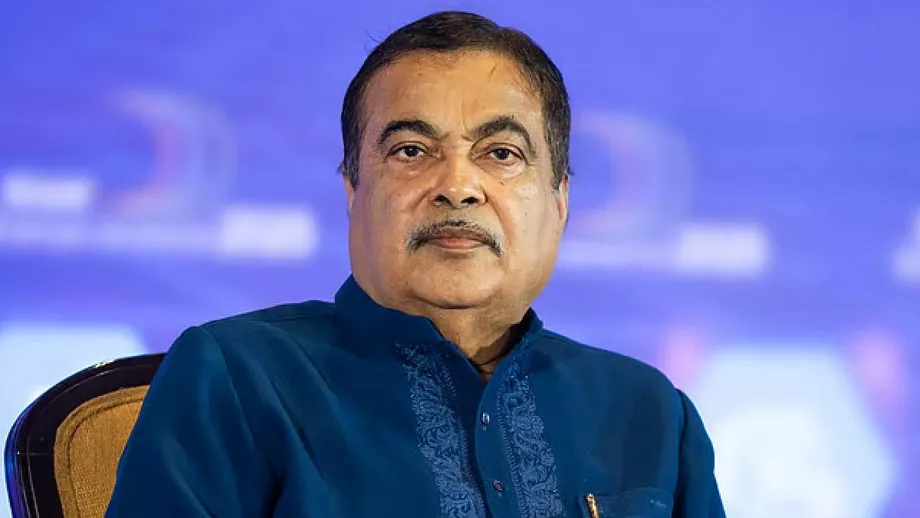
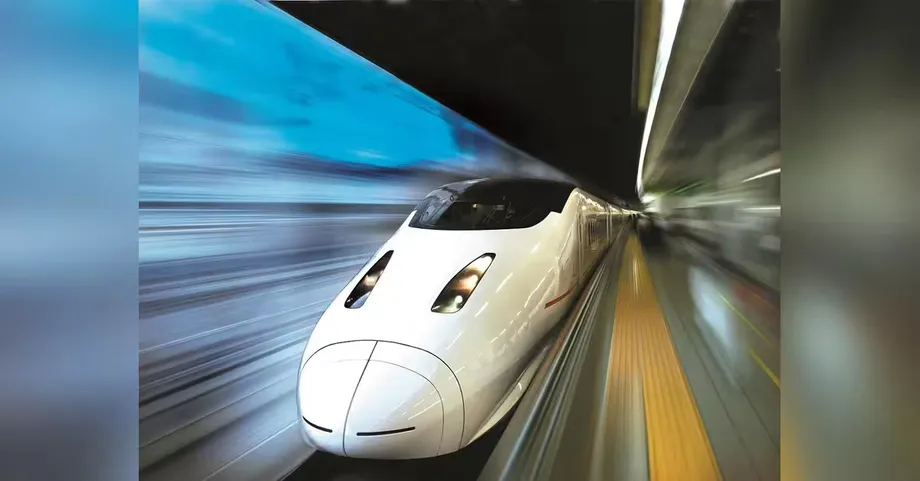
Prime Minister Narendra Modi has approved a northern bullet train corridor connecting Delhi with Guwahati through cities including Agra, Lucknow, Varanasi, Patna and Siliguri, Railway Minister Ashwini Vaishnaw announced in Varanasi on Saturday, October 31, 2026.
Contents
- Delhi to Agra in 59 Minutes Under Northern Rail Plan
- Which Cities Would the Corridor Connect?
- What Journey Times Were Announced?
- How Would It Compare With Flying?
- Indian Workers at the Centre of Construction Promise
- Varanasi Also Gets Attention for Local Services
- Kashi Station Plans Include Space for 50,000 Passengers
- Namo Bridge Carries a Separate 2029 Target
- Railway Funding Becomes Part of the Political Message
- Key Points
Vaishnaw outlined projected journeys of 59 minutes from Delhi to Agra, one hour and 45 minutes from Delhi to Kanpur, and three hours and 35 minutes between Delhi and Varanasi. The proposed network would connect the national capital with cities across Uttar Pradesh, Bihar, West Bengal and Assam.
The minister made the announcement before flagging off new Vande Bharat Sleeper Express services between Varanasi and New Delhi. He presented the bullet train project as both a transport investment and a source of work for Indian builders, welders and artisans.
Vaishnaw, who heads the railway ministry, described the prime minister's decision in sweeping terms:
The prime minister has approved the north corridor of the bullet train, which will change the lives of many.
The announcement combined a proposed network stretching to Guwahati with specific journey estimates concentrated on Delhi and Uttar Pradesh. Alongside it, officials described local trains, station redevelopment and a new bridge intended to improve travel around Varanasi.
Which Cities Would the Corridor Connect?
Vaishnaw named Delhi, Agra, Kanpur, Lucknow, Ayodhya, Varanasi, Prayagraj, Patna, Siliguri and Guwahati as cities the northern corridor would connect. The route would bring northern, eastern and northeastern destinations into the same high speed rail plan.
Uttar Pradesh accounts for six of those ten named cities: Agra, Kanpur, Lucknow, Ayodhya, Varanasi and Prayagraj. Patna would connect the network to Bihar, while Siliguri would provide a link through West Bengal before its extension to Guwahati in Assam.
For passengers, the proposal offers the prospect of faster journeys between places used for work, education, medical treatment and pilgrimage. For cities beyond Varanasi, the eastern extension is a substantial part of the announcement, although most of the detailed travel estimates concerned the western portion of the proposed network.
What Journey Times Were Announced?
Vaishnaw's principal projections put several major journeys within a few hours. These are expected travel times for the proposed bullet train services:
- Delhi to Agra: 59 minutes.
- Delhi to Kanpur: one hour and 45 minutes.
- Delhi to Lucknow: two hours and 12 minutes.
- Lucknow to Varanasi: one hour and 21 minutes.
- Varanasi to Delhi: three hours and 35 minutes.
The Delhi to Agra projection was also given as 69 minutes in another description of the announcement, ten minutes longer than the minister's widely cited 59 minutes. Further estimates attributed to Vaishnaw put Varanasi to Patna at one hour and Kashi to Prayagraj at 33 minutes. Kashi is another name for Varanasi.
Delhi to Lucknow would take 132 minutes under the stated projection, compared with 105 minutes to Kanpur, a difference of 27 minutes. Such short intervals help explain why the government is presenting the network as a way to make travel between major cities easier to fit into a working day.
The figures also show the geographic limits of the detail announced so far: passengers were given specific estimates for several journeys around Uttar Pradesh and to Patna, while the extension through Siliguri to Guwahati was described chiefly in terms of the cities it would connect.
How Would It Compare With Flying?
Uttar Pradesh Chief Minister Yogi Adityanath said a plan had been prepared for the Delhi to Varanasi high speed rail link. He described a journey of about three and a half hours and argued that it would offer a simpler, more convenient and more affordable option than flying.
Vaishnaw also presented the corridor as a service for middle income households and people travelling for jobs, study or treatment. Those purposes make price as important as speed: a faster train becomes useful to more families when they can afford to use it regularly.
Passengers comparing rail and air travel would need to consider the full journey, including reaching the station or airport and getting to their destination after arrival. The proposed train time gives a starting point for that comparison, while officials' affordability claims describe the market they want the service to reach.
Indian Workers at the Centre of Construction Promise
Vaishnaw said construction would use Indian capabilities, specifically mentioning the pillars and girders that support railway structures. Pillars carry the structure from below; girders are the large beams spanning the spaces between them.
The railway minister linked the work to the government's Make in India initiative and described the role of domestic labour:
The construction is progressing rapidly. It will be fully 'Make in India', built by the youth and welders of India.
Young people, middle income groups and artisans working in small industries were among the beneficiaries he identified. His remarks placed construction employment alongside faster passenger journeys as a central reason for pursuing the project.
Vaishnaw did not specify a detailed corridor cost, completion deadline, approved fare schedule or a breakdown of construction progress by route section. Those details will determine when passengers can use the services, what they will pay and how the work is divided across the proposed network.
Varanasi Also Gets Attention for Local Services
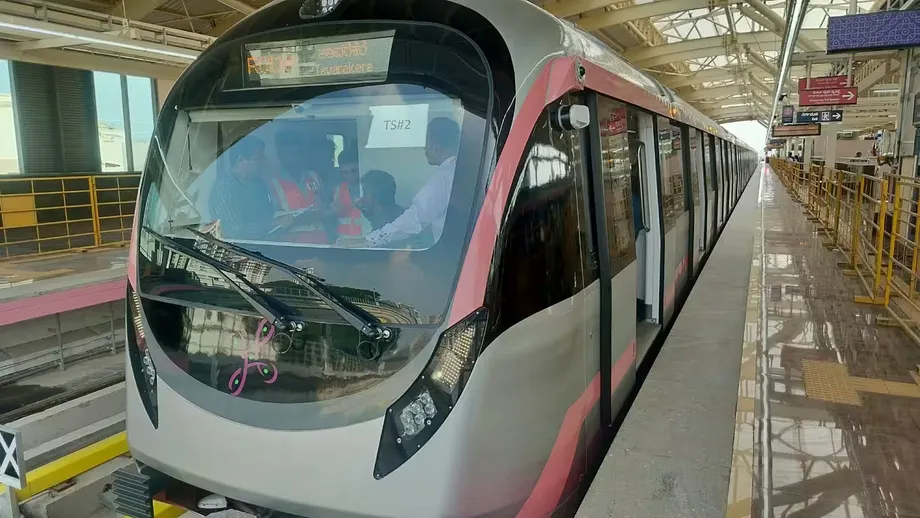
Vaishnaw announced 10 Mainline Electric Multiple Unit services in and around Varanasi to serve commuters, traders and pilgrims. Usually shortened to MEMU, these are electric trains used for local and regional journeys, with powered equipment distributed through the train.
The local programme includes four pairs of trains between Varanasi City and Rajatalab. A pair means a service in each direction. Stations expected to benefit include Varanasi Junction, Banaras, Bhulanpur and Hardattpur.
A daily connection between Banaras and Prayagraj Rambagh was also described. Its route would serve places including Rajatalab, Madhosingh, Gyanpur Road, Handia Khas and Jhusi. The proposed schedule has a departure from Banaras at 7 a.m., arrival in Prayagraj at 9:50 a.m., and a return departure at 6 p.m.
An extension toward Aunrihar is planned. For someone travelling from a smaller station, these services address a different need from the bullet train: frequent access to nearby cities, markets and connections. The Vande Bharat Sleeper service announced at the same event adds another option for longer journeys between Varanasi and New Delhi.
Kashi Station Plans Include Space for 50,000 Passengers
Kashi railway station is being redeveloped as a major transport hub, Vaishnaw said during his Varanasi visit. He described facilities on both its northern and southern sides, including a waiting area intended to accommodate more than 50,000 passengers at once.
The station's southern side is about two kilometres from Kashi Vishwanath Temple, according to the minister. He said the layout would make it easier for arriving pilgrims to reach the temple and the city's ghats, the steps leading down to the Ganges.
That connection matters for a city where many rail passengers continue to religious sites after leaving the station. Waiting space, access routes and onward transport will shape that part of the journey, particularly when large numbers of visitors arrive together.
Adityanath said 157 railway stations in Uttar Pradesh had been modernised. He described upgraded passenger facilities alongside architectural features reflecting the places those stations serve.
Namo Bridge Carries a Separate 2029 Target
Vaishnaw also announced that a new bridge being built beside Varanasi's Malviya Bridge would be named Namo Bridge. The project combines a road deck with railway tracks below and is intended to expand capacity around Kashi station.
The bridge is described as 1,074 metres long, with a total length including approaches of about 2.5 kilometres. Its estimated cost is between Rs 2,642 crore and Rs 2,657 crore. A crore equals 10 million rupees.
Plans call for six road lanes and four railway tracks. The bridge would link the Namo Ghat side with Padao on the Chandauli side, while allowing road traffic to bypass parts of the city. The wider rail corridor associated with the bridge is described as capable of accommodating more than 100 additional trains.
The dates announced for the bridge and northern rail proposal are:
- April 28, 2026: Modi laid the foundation stone for the bridge.
- October 31, 2026: Vaishnaw announced the Namo Bridge name and said Modi had approved the northern bullet train corridor.
- 2029: Railways targets completion of Namo Bridge.
The 2029 target applies to the bridge. The northern bullet train corridor has its own planning and construction requirements, with its opening schedule still to be announced.
Railway Funding Becomes Part of the Political Message
Vaishnaw said Uttar Pradesh would receive Rs 20,000 crore for railways this year. He contrasted that with Rs 1,000 crore during an earlier period when Congress governed at the Centre and the Samajwadi Party governed the state.
Using the figures he cited, the current allocation is 20 times the earlier amount. The minister used the comparison to argue that railway investment in Uttar Pradesh had expanded under the Bharatiya Janata Party government.
The Rs 20,000 crore figure concerns railway funding for Uttar Pradesh across projects. The northern bullet train proposal, local MEMU services, station upgrades and bridge construction each address different transport needs, from travel across states to the daily journey into Varanasi.
For passengers, the most concrete measures of progress will be when services begin, how frequently they run and how easily stations connect with surrounding neighbourhoods. The announcement supplies ambitious journey targets and a broad route, while the local projects provide more specific details about access, capacity and schedules.
Key Points
- Vaishnaw said Modi approved a northern bullet train corridor connecting Delhi with Guwahati through Uttar Pradesh, Bihar and West Bengal.
- The main projections include Delhi to Agra in 59 minutes, Delhi to Kanpur in one hour and 45 minutes, and Delhi to Varanasi in three hours and 35 minutes.
- Officials said Indian workers would build the project and presented it as an affordable alternative to flying.
- No detailed corridor cost, approved fares or completion deadline was announced.
- Varanasi plans also include local MEMU services and a Kashi station waiting area for more than 50,000 passengers.
- Namo Bridge has a separate completion target of 2029.