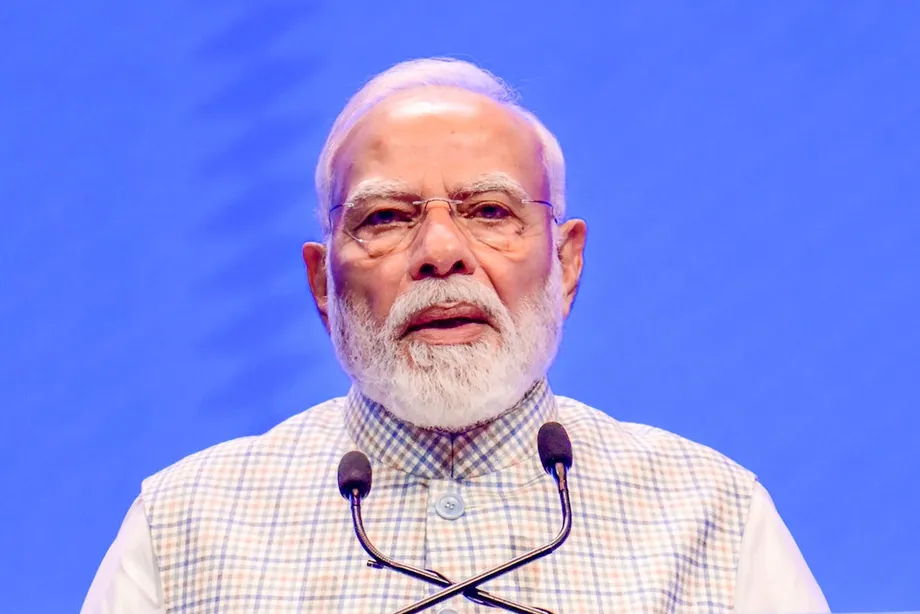
Banaskantha programme brings farm payments and construction plans together
Prime Minister Narendra Modi is scheduled to launch development projects worth more than Rs 14,000 crore in Banaskantha on October 30, 2026, opening a visit to Gujarat that combines payments to farmers, transport construction, dairy research and celebrations marking Sardar Vallabhbhai Patel's 151st birth anniversary.
Contents
- Banaskantha programme brings farm payments and construction plans together
- What the PM-KISAN payment means for families
- Storage and horticulture projects target the journey from farm to market
- A cattle research centre puts breeding technology on the agenda
- Metro extensions, a wider highway and two trains
- Thousands of Anganwadi centres are planned
- Ekta Nagar pairs public services with visitor attractions
- Patel anniversary celebrations bring security and culture together
- The schedule across the two days
- Key Points
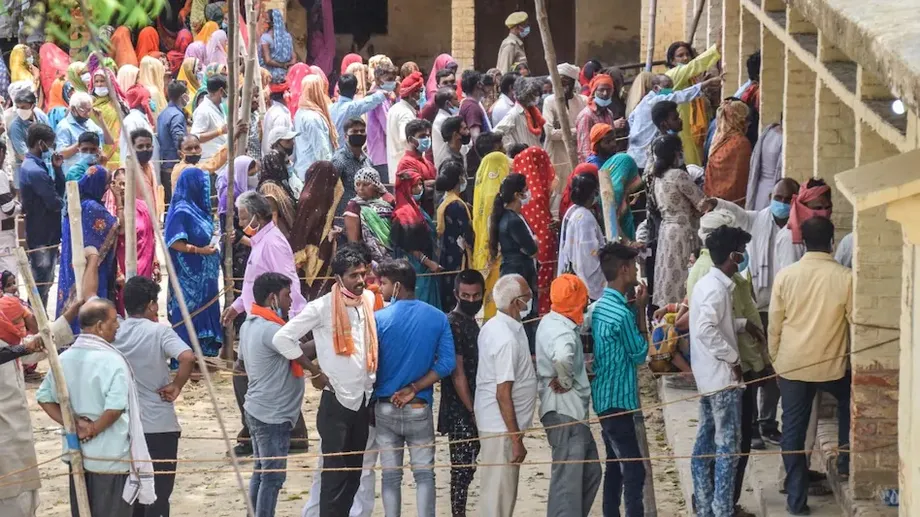
The two days of events, on October 30 and 31, will begin with a visit to a cattle breeding laboratory and research farm at Bhildi. At a public programme around 10:30 am, Modi is due to release the 24th instalment of the Pradhan Mantri Kisan Samman Nidhi scheme, known as PM-KISAN, benefiting more than 9.34 crore farmer families.
The agriculture ministry's announced payment figure is Rs 18,690 crore, commonly presented in the visit's programme as about Rs 19,000 crore. Each eligible family is to receive Rs 2,000 directly into its bank account. A crore equals 10 million, so the payment reaches more than 93.4 million families across India.
The itinerary also includes the start of work on two Ahmedabad Metro extensions, a project to double the number of lanes on the Ahmedabad-Mehsana road, and the launch of two railway services. Modi will then travel to Ekta Nagar, where projects worth more than Rs 400 crore and cultural events are scheduled.
The programme brings together projects at different stages. Completed facilities will be inaugurated or dedicated to the nation, while foundation ceremonies will mark the start of others. The metro extensions and highway widening belong to the construction agenda; the farmer payment is a separate transfer of financial assistance.
What the PM-KISAN payment means for families
PM-KISAN provides eligible families owning agricultural land with Rs 6,000 a year, paid in three instalments of Rs 2,000. The October payment represents one of those three instalments, rather than an increase in the annual entitlement.
The scheme uses Direct Benefit Transfer, or DBT, to send money into bank accounts linked to Aadhaar, India's identity system. For a farming household, the payment adds money that can help meet expenses such as seeds, fertiliser or other immediate needs.
The agriculture ministry says PM-KISAN has disbursed Rs 4.47 lakh crore through 23 instalments since its launch in February 2019. That is Rs 447,000 crore. Union Agriculture Minister Shivraj Singh Chouhan is scheduled to join the Banaskantha programme remotely from Raisen in Madhya Pradesh.
The public gathering at Bhildi will also bring together farmers and livestock keepers from the region. Organisers have arranged traditional woven cots instead of chairs for participants, giving the meeting a setting closely associated with rural life.
Storage and horticulture projects target the journey from farm to market
Modi is due to dedicate 521 completed projects under the Agriculture Infrastructure Fund, with a total project cost of around Rs 4,950 crore. They include cold stores, refrigerated supply chains, warehouses, grain silos, processing centres, polyhouses and greenhouses.
These facilities address different problems after a crop is grown. Refrigeration can keep perishable produce fresh for longer. Warehouses provide storage, while processing centres prepare crops for sale or turn them into products with a longer shelf life. Polyhouses and greenhouses use covered structures to give growers greater control over growing conditions.
The agriculture ministry puts investment supported by the fund nationally at about Rs 1.75 lakh crore across more than 2.28 lakh projects. The 521 facilities in the Gujarat programme form part of that wider effort to reduce losses after harvest and improve access to markets.
Work is also scheduled to begin under 12 horticulture clusters covering approximately 1.46 lakh hectares and expected to benefit more than 1.3 lakh farmers. Horticulture includes crops such as fruit and vegetables. A cluster groups production and related services in a particular area so that growing, storage, processing and marketing can be developed together.
Two clusters in North Gujarat will focus on potatoes. The visit also includes the inauguration of an expanded potato processing plant at Sanadar, linking the crop programme with additional processing capacity. An automated storage and retrieval system for products treated at ultra high temperatures, known as UHT products, is to be commissioned at Palanpur.
A cattle research centre puts breeding technology on the agenda
The Bharat Bovine Breeding and Research Centre at Bhildi covers 127 acres. Described as India's first facility dedicated to the Kankrej cattle breed, it is intended to improve breeding and expand access to advanced reproductive technologies.
Modi is scheduled to visit its cattle farm and the Embryo Transfer Technology-In Vitro Fertilisation laboratory at around 9:30 am on October 30. In vitro fertilisation, or IVF, involves fertilising an egg in a laboratory. Embryo transfer allows an embryo to be placed in another animal that carries the pregnancy.
For cattle breeding, these methods can help produce more offspring from animals selected for desirable inherited traits. Programme descriptions project that the centre could accelerate breed improvement by 10 to 20 times. That figure is an expectation for the facility's work.
Prime Minister Narendra Modi described the centre in a post on X ahead of the visit, presenting it as an example of agricultural science serving farmers.
It is a great example of how science and innovation are furthering the welfare of our farmers.
Two proposed Banas Dairy Bio-CNG plants add another livestock component. Foundation stones are planned for facilities at Tharad and Radhanpur, designed to process 75 and 100 metric tonnes of dung a day respectively. Their combined planned capacity is 175 tonnes daily. Bio-CNG is a fuel produced by treating gas generated as organic material breaks down.
Metro extensions, a wider highway and two trains
Ahmedabad Metro's planned Phase 2A will connect Koteshwar Road with the airport through five stations over more than six kilometres. Phase 2B will extend from GIFT City to Shahpur, covering more than 3.3 kilometres with three stations.
Together, the extensions would add more than 9.3 kilometres and eight stations. The airport connection would bring the metro closer to air travellers, while the GIFT City extension would expand access around the financial services district. Opening dates for these extensions and the widened highway have not been announced in the visit's programme.
The Ahmedabad-Mehsana road, State Highway 41, is scheduled for widening and strengthening at an estimated cost of Rs 2,600 crore. Its capacity will increase from four lanes to eight. The stated aim is to make travel between Ahmedabad and North Gujarat faster, safer and more comfortable.
Modi is also due to flag off the Ahmedabad (Sabarmati)-Varanasi Express and the Mehsana-Becharaji-Sabarmati MEMU. A MEMU is an electric train commonly used for shorter journeys with multiple stops. The two services therefore serve different travel needs: a longer connection to Varanasi and a regional route linking communities in Gujarat.
Thousands of Anganwadi centres are planned
The visit includes foundation ceremonies for 4,030 new Anganwadi centres and the inauguration of 361 completed centres. The initiative involves an investment of Rs 800 crore and is expected to benefit more than four lakh people, or 400,000.
Anganwadi centres provide local services associated with early childhood care, nutrition and preschool learning, alongside support for mothers. The centres in this programme are described as designed for children.
The figures show how much of the programme still involves construction. The 4,030 planned centres outnumber the 361 completed facilities by more than 11 to one. Together they account for 4,391 centres, with services at the new locations dependent on their completion.
Ekta Nagar pairs public services with visitor attractions
At Ekta Nagar, also known as Kevadia, Modi is scheduled to launch or begin projects worth more than Rs 400 crore on October 31. The programme includes sewage and water treatment facilities, lighting on building exteriors, improvements to Narmada Ghat, an IRCTC hotel, and the Rainforest, Unity and Eco Trail.
The package combines services used by the town with facilities aimed at visitors to the Statue of Unity and surrounding attractions. Water and sewage treatment address daily infrastructure needs, while the hotel, trails and lighting add to the visitor programme.
Modi is also due to visit the Rain Forest and Vaman Vriksha Vatika. The previous evening's itinerary includes Ekta Prakash Parv, an illumination festival built around the 530 metre Valley of Flowers Road and a Glow Tunnel measuring 180 metres. More than 1.5 crore LED lights, equivalent to 15 million, have been used for the display.
Bharat Parv 2026 is scheduled to open at around 5 pm on October 30 and continue until November 15. States and Union territories will showcase traditions, folk performances, regional food, handicrafts and tourist attractions, extending the cultural programme beyond the prime minister's visit.
Patel anniversary celebrations bring security and culture together
October 31 marks the 151st birth anniversary of Sardar Vallabhbhai Patel. Modi is scheduled to offer floral tributes at the Statue of Unity in the morning and attend Rashtriya Ekta Diwas, or National Unity Day, celebrations at about 5:30 pm.
The Ekta Parade will feature Central Armed Police Forces, state police forces and central police organisations. The programme will focus in part on the security forces' operations against Left Wing Extremism.
A National School of Drama presentation on Naxal Mukt Bharat, meaning an India free of Naxalite insurgency, is scheduled to involve around 2,000 artists from 126 affected districts. The wider celebrations have Vande Mataram as their central theme, with about 5,000 artists from across India taking part in classical and folk performances at the close.
The schedule across the two days
Banaskantha hosts the agricultural, livestock and major infrastructure announcements on October 30. Ekta Nagar then becomes the centre of the itinerary for cultural events, tourism projects and the Patel anniversary ceremonies.
- October 30, around 9:30 am: Visit to the breeding laboratory and cattle research farm at Bhildi.
- October 30, around 10:30 am: Banaskantha public programme, project launches, the PM-KISAN payment and the flagging off of two trains.
- October 30, around 5 pm: Opening of Bharat Parv 2026 at Ekta Nagar.
- October 30, around 7:45 pm and 8:15 pm: Ekta Prakash Parv, followed by Narmada aarti.
- October 31, around 9 am: Floral tributes at the Statue of Unity, followed by project ceremonies scheduled around 9:15 am.
- October 31, around 5:30 pm: National Unity Day celebrations.
- November 15: Scheduled conclusion of Bharat Parv 2026.
Farm families across India are the intended recipients of the immediate cash transfer. Gujarat's residents, producers and travellers are the intended users of the physical projects, with some facilities ready for inauguration and others entering construction.
Key Points
- Modi's October 30 and 31 visit includes more than Rs 14,000 crore in development projects at Banaskantha.
- The 24th PM-KISAN instalment is scheduled to send Rs 2,000 each to more than 9.34 crore eligible farmer families.
- The programme includes 521 completed agricultural infrastructure projects costing around Rs 4,950 crore and 12 horticulture clusters.
- Transport plans include two metro extensions, widening State Highway 41 to eight lanes and launching two train services.
- The Anganwadi initiative covers 4,030 planned centres and 361 completed centres, with an investment of Rs 800 crore.
- Ekta Nagar will host projects worth more than Rs 400 crore, Patel anniversary celebrations and Bharat Parv, which runs until November 15.