A familiar father figure leaves South Korea in mourning
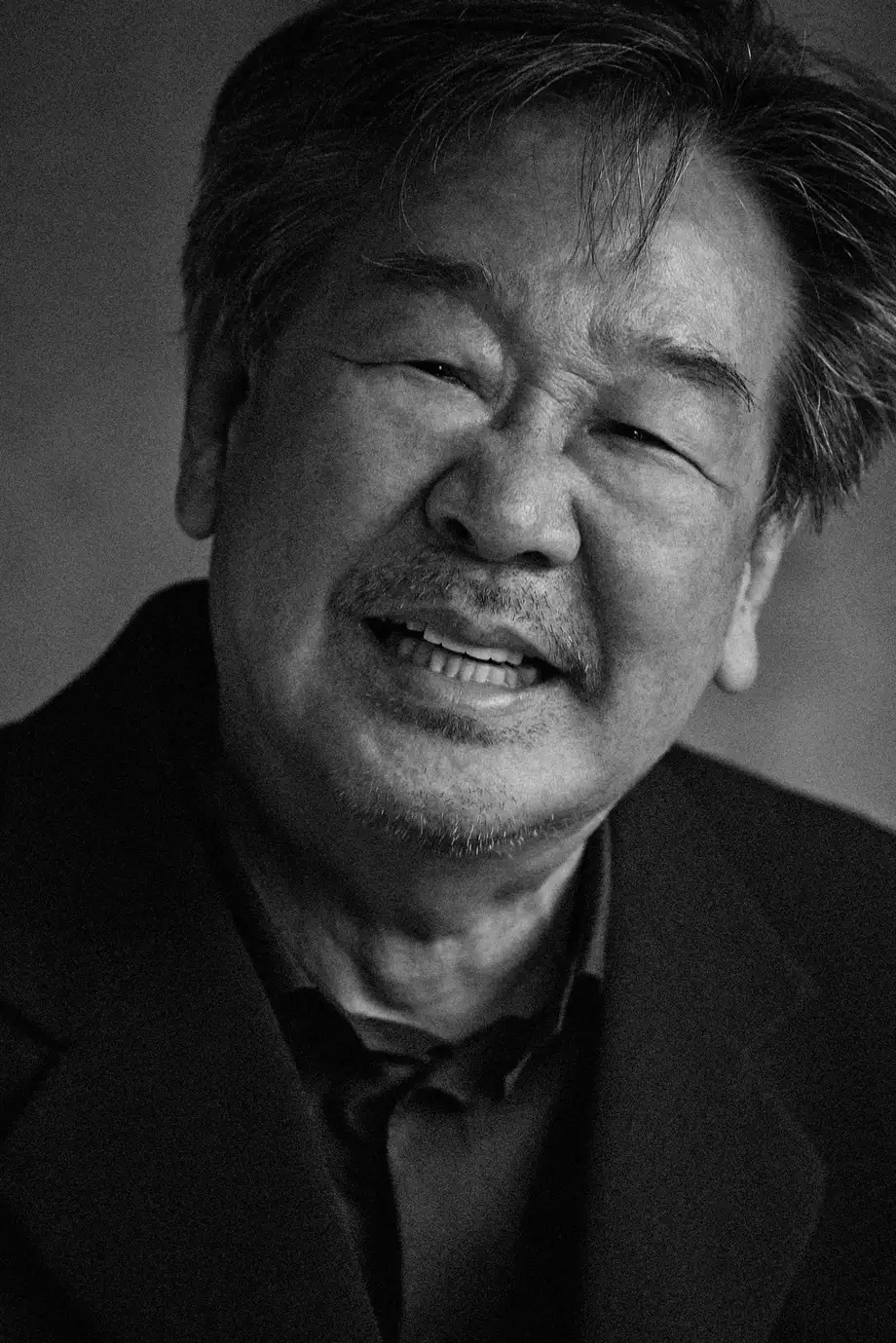
Choi Bool-am, whose roles as detective Park Young-han in "Chief Inspector" and a village patriarch in "Country Diaries" made him one of South Korea's most familiar television actors, died at about 10 p.m. on October 29 while receiving treatment at a hospital in Seoul's Gangseo District, his family said. His family gave his age as 87, although 86 was also reported.
Contents
- A familiar father figure leaves South Korea in mourning
- From Hamlet to the television screen
- The detective and the village father
- Fourteen years listening through food
- Health problems brought his work to a halt
- A television storyline became a lasting commitment
- Recognition on screen and a term in parliament
- Tributes recall the person behind the roles
- A private wake and a final farewell
- Key Points
The actor, whose real name was Choi Young-han, had struggled with mobility after surgery for a herniated disc in March of the previous year. He underwent rehabilitation, but his health recently worsened. His condition had already forced him to leave "Korean Cuisine and Dining," the KBS documentary program he hosted for 14 years.
His funeral is being organised by the children's charity ChorogUsan, also known as Green Umbrella or ChildFund Korea, reflecting a commitment to children's welfare that lasted more than four decades. A private wake has been established at Asan Medical Center in Seoul. The funeral procession is scheduled for November 2 at 7 a.m., followed by a funeral Mass at Yeouido Catholic Church and burial at Donghwa Gyeongmo Park in Paju.
President Lee Jae-myung and Culture Minister Choi Hwi-young joined the public tributes. For generations of viewers, Choi represented two reassuring kinds of authority: a detective determined to catch criminals and a rural father whose presence held a family together. His later documentary work brought that familiar voice into conversations about food, memory and ordinary lives.
From Hamlet to the television screen
Choi was born in 1939 in Jemulpo, Incheon. He attended Seoul Central High School and studied theater and film at Sorabol College of Arts and Hanyang University. His acting career began on stage in a 1959 production of "Hamlet" with the experimental theater troupe Silheom Geukhoe.
He joined the National Theater Company of Korea in 1965. That stage experience preceded the television performances that would make his face familiar across the country.
Most accounts place his television debut in 1967, although 1961 has also been cited. The more detailed career histories identify him as a member of KBS's sixth group of actors selected through special recruitment in 1967. His first television role was the elderly statesman Kim Jong-seo in "Suyang Daegun."
His career crossed theater, television and film rather than remaining within a single medium. Later screen credits included "You and I" and "Mimang," alongside films such as "A Fine, Windy Day" and "Gilsotteum." Yet it was two long running television dramas that most firmly shaped his public identity.
The detective and the village father
"Chief Inspector" began in 1971, with Choi playing Park Young-han. His appearances extended through the program's runs from 1971 to 1984 and from 1985 to 1989. The character's insistence on justice made Choi a defining presence in Korean television crime drama.
"Country Diaries" gave him a different kind of authority. As the Kim family patriarch in the fictional village of Yangchon, he became associated with the responsibilities and affections of rural family life. The MBC series ran from 1980 to 2002, a span of 22 years.
Viewers could encounter Choi as both a determined police officer and a familiar father over much of the same period. Those repeated appearances helped turn the description "national father" into more than a reference to one performance. His characters became part of the rhythm of household television viewing.
Choi returned to the world of his famous detective role with a special appearance in the 2024 series "Chief Inspector 1958." The appearance connected an actor identified with the original drama to a newer production exploring its central character's earlier life.
Fourteen years listening through food
"Korean Cuisine and Dining" brought Choi into another kind of storytelling from 2011. For 14 years, he travelled around South Korea to introduce regional food and the people whose lives surrounded it.
The program explored the history, memories and work contained in everyday meals. A dish could become a way to discuss a place, a family or an experience that might otherwise receive little attention. Choi's role was to guide viewers through those stories with the familiarity he had built over decades.
Choi expressed his appreciation for that experience while narrating the program:
Looking back, every moment was like a present to me, as well ...
His work as a presenter also included "Good Country Movement Headquarters," which he hosted from 1999 to 2008. Together, those programs gave him a sustained presence outside scripted drama, allowing audiences to hear him speak with people about their own lives rather than through fictional characters.
Health problems brought his work to a halt
Choi's departure from "Korean Cuisine and Dining" followed the spinal surgery that left him with difficulty moving. A herniated disc occurs when material inside one of the cushions between the bones of the spine pushes outward and can press on nearby nerves, causing pain or problems with movement.
His family sought to protect time for rehabilitation. When MBC released the documentary "Paha, I Am Choi Bool-am" in May, he did not appear on camera at his family's request so that he could concentrate on his recovery.
Choi nevertheless sent a message to viewers through the broadcaster, thanking the people who had followed his work:
I want to express my gratitude to the viewers who have loved me for a long time. That is the heart of a performer.
His death followed a recent deterioration in his health. The family described his hospital treatment and rehabilitation, but did not announce a specific medical cause of death.
A television storyline became a lasting commitment
Choi's connection with children's welfare grew from his acting work. In "Country Diaries," his character adopted the youngest son, Geum-dong. That storyline helped bring him into contact with Green Umbrella, beginning a relationship that extended far beyond the program.
He supported the charity from the 1980s and served as its national sponsorship chairman. The foundation credited him with helping lead a community of about 500,000 supporters, drawing attention to children facing hardship and encouraging help so they could grow into healthy adults.
One small detail from that work has returned to public attention after his death. On July 9, 2013, Choi threw the ceremonial first pitch before an LG Twins game against the NC Dinos at Jamsil Baseball Stadium in Seoul. He was attending an event for children supported by the foundation.
Choi tied a green handkerchief bearing the charity's name around his right wrist before throwing the ball. The gesture placed the children's organisation at the centre of a moment otherwise focused on a celebrity guest.
His service also included work with young people in detention and other vulnerable adolescents. As chairman of Zero Camp, he supported cultural and arts education intended to give young people opportunities to change their lives.
During an appearance on the KBS program "Morning Yard," Choi spoke about the need for care and attention. In translation, he said:
What these children desperately need is, in fact, love. You have no idea how desperately they need the knowledge that someone is paying attention to them.
Recognition on screen and a term in parliament
Choi received major acting awards across several parts of his profession. His honors included best actor recognition for television and theater at the Baeksang Arts Awards, and the Grand Bell Award for best actor in film in 1979. His Baeksang television acting awards included wins in 1974 and 1978.
He received the Magnolia Medal of the Order of Civil Merit in 1998 and the Silver Crown Order of Cultural Merit in 2014. The latter recognised his contribution to Korean culture and the arts.
Choi also entered politics in 1992, serving in the 14th National Assembly as a proportional representation lawmaker for the Unification National Party. Under proportional representation, parties receive seats according to their share of the vote, and fill them with candidates from a party list.
He later ran unsuccessfully in the election for the 15th National Assembly as a New Korea Party candidate and returned to his main profession. His time in politics formed one chapter of a public life that remained most closely associated with acting, presenting and charitable work.
Tributes recall the person behind the roles
President Lee Jae-myung paid tribute on October 30, recalling Choi's performances as Park Young-han in "Chief Inspector" and the family patriarch in "Country Diaries." Lee described an actor who had stayed beside the public as both a defender of justice and a warm father figure.
Lee also recalled a principle Choi had expressed about the relationship between character and performance. In the president's tribute, Choi's words were translated as:
To become a good actor, you must first become a good person.
The president connected that principle to Choi's concern for people facing hardship, saying that his kindness extended beyond acting. He also recalled the actor's gentle voice and hearty laughter.
Culture Minister Choi Hwi-young expressed sorrow that a promise to share a glass of makgeolli, a Korean rice drink, would go unfulfilled. His tribute offered a more personal image alongside the national recognition: a meeting that would now never happen.
Choi is survived by his wife, actor Kim Min-ja, whom he had been married to for more than five decades, their son Dong-nyeok and their daughter Dong-bi.
A private wake and a final farewell
The family has requested privacy inside the wake at Asan Medical Center. Green Umbrella chairman Hwang Young-ki is chairing the funeral committee, with the arrangements honouring Choi's long service to children.
Choi became a Catholic in October 2018 and chose the baptismal name Francis, inspired by the saint's service to poor and marginalised people. His wife and actor Kim Hye-soo attended the baptism, which was accompanied by a renewal of the couple's marriage vows.
Cardinal Andrew Yeom administered the sacrament of the sick to Choi in his hospital room on October 20. In Catholic practice, the sacrament offers spiritual comfort and prayer to someone who is seriously ill.
The principal dates in his career and the announced farewell arrangements trace a life that began on stage and reached far beyond it:
- 1959: Made his stage debut in "Hamlet."
- 1965: Joined the National Theater Company of Korea.
- 1967: Began the television career described in most detailed biographies, appearing in "Suyang Daegun."
- 1971: Began playing Park Young-han in "Chief Inspector."
- 1980 to 2002: Appeared in "Country Diaries" throughout its 22 years on television.
- 2011: Began hosting "Korean Cuisine and Dining," a role he held for 14 years.
- October 29: Died at about 10 p.m. in a hospital in Seoul's Gangseo District.
- November 2: Funeral procession scheduled for 7 a.m., followed by Mass at Yeouido Catholic Church and burial in Paju.
Key Points
- Choi Bool-am's family announced his death at 87 after hospital treatment and a period of rehabilitation.
- "Chief Inspector" and "Country Diaries" made him a familiar figure to generations of South Korean viewers.
- He hosted "Korean Cuisine and Dining" for 14 years before leaving because of health problems.
- His support for children's welfare lasted more than four decades, and Green Umbrella is organising his funeral.
- He is survived by his wife, actor Kim Min-ja, and their two children.
- A funeral Mass and burial are scheduled for November 2, following a private wake in Seoul.