A single purchase for journeys across Uzbekistan
Uzbekistan is proposing a national transport booking platform from January 1, 2028, with an earlier trial linking a flight from Tashkent to Urgench with a train journey to Khiva. Called Bir Yo'l, or One Route, the system would bring railway, aviation, bus and urban passenger transport services together, allowing travellers to arrange several parts of a journey through one order and payment.
Contents
- A single purchase for journeys across Uzbekistan
- What passengers would be able to book
- The first test would connect Tashkent with Khiva
- One payment leaves a fare question open
- Timetables would be coordinated as well
- Tashkent would handle smoother domestic flight connections
- The targets extend beyond the launch date
- How the proposed changes would unfold
- Key Points
The proposal forms part of a draft resolution developed by the Ministry of Transport for a strategy covering domestic passenger transport through 2030. The draft was opened for public discussion with a November 11 deadline. Its launch dates and service targets remain proposals rather than an approved operating timetable.
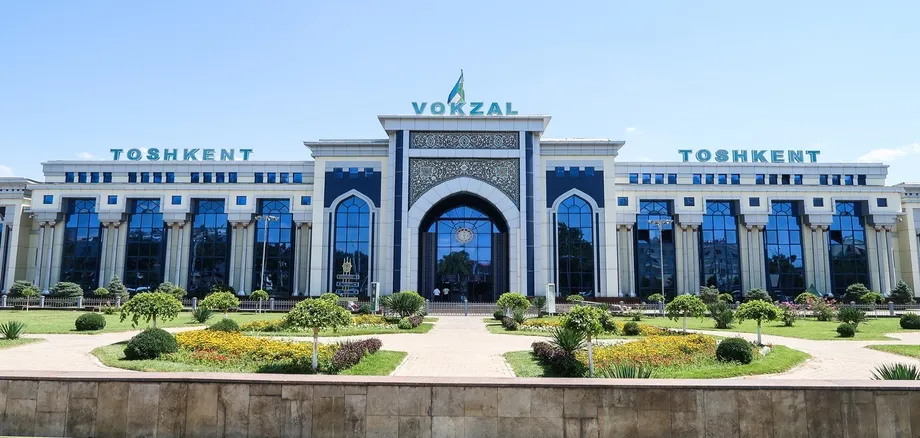
The first trial would begin on July 1, 2027, on the route connecting Tashkent International Airport, Urgench International Airport and Khiva railway station. That would put the booking system into use six months before the proposed national introduction.
Passengers would be able to check routes, departure times, ticket prices and available seats in one place. The larger change would be the ability to combine transport services that currently require separate booking systems, making a flight and a connecting train part of the same purchase.
What passengers would be able to book
Bir Yo'l would support travel planning from a passenger's starting point to the final destination, including electronic tickets and transfer services. A traveller could look beyond the flight or railway station and arrange the connecting parts of the trip through the same platform.
Uzbekistan currently has separate systems for buying tickets remotely through Uzbekistan Airways, Uzbekistan Railways and Avtoticket. Automated fare payment systems are also being introduced on urban public transport. There is no single system combining bookings and payments across all these forms of transport.
The proposed platform would bring information and purchasing together. Seeing a train departure beside a flight arrival would help a passenger choose a connection before paying, while information about available seats would show whether the planned journey could actually be booked.
A shared mobile application is also planned. It would carry schedules, routes, transfer information and notices about changes to services, giving passengers a place to check their journey after making a purchase.
The first test would connect Tashkent with Khiva
The pilot route would combine air travel between Tashkent and Urgench with a railway connection to Khiva. Its three named stops give the project a specific first task: selling a journey across two forms of transport through one platform.
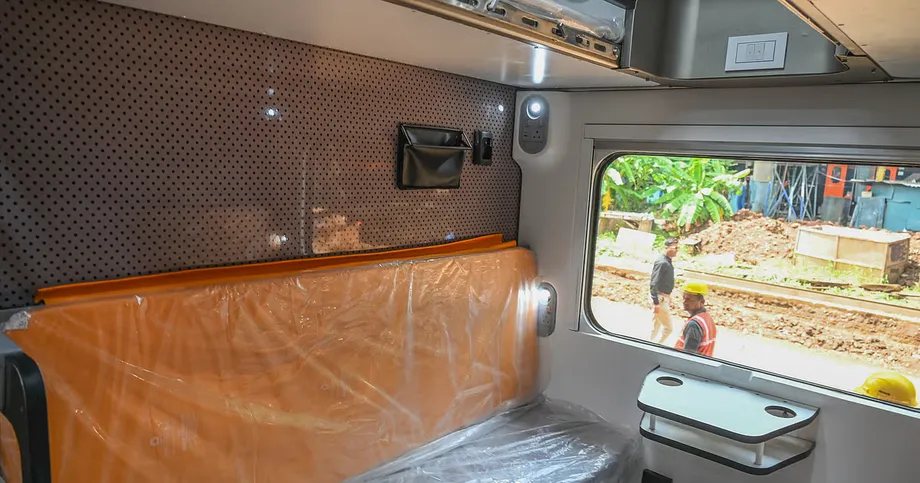
Khorezm already has railway infrastructure supporting that connection. An 11 kilometre line linking Urgench airport to the railway network was built under a project costing 225 billion soums. President Shavkat Mirziyoyev inspected the new line in August, and regular CR200J electric train services between the airport and Khiva began on September 3.
The proposed trial would bring the booking arrangements together around that physical connection. Airlines and the railway operator would need to connect their information systems and establish common arrangements for fares, payments and ticket sales.
For passengers, the practical result would be a way to arrange the flight and onward train together. For the participating operators, the trial would test whether seat availability, bookings and payment records could be coordinated across their systems before a broader rollout.
One payment leaves a fare question open
The draft calls for a single order, payment and ticketing process, but does not specify whether combined journeys would have one fare or whether the price would be the sum of the separate journey segments. A passenger could therefore gain a simpler purchase process while the method for calculating the total price still requires a decision.
The pilot specifically includes work on common fare and settlement arrangements. Settlement means dividing the money from a purchase between the companies providing the journey. If a passenger pays once for a flight and a train, the system needs to record which operator receives each part of that payment.
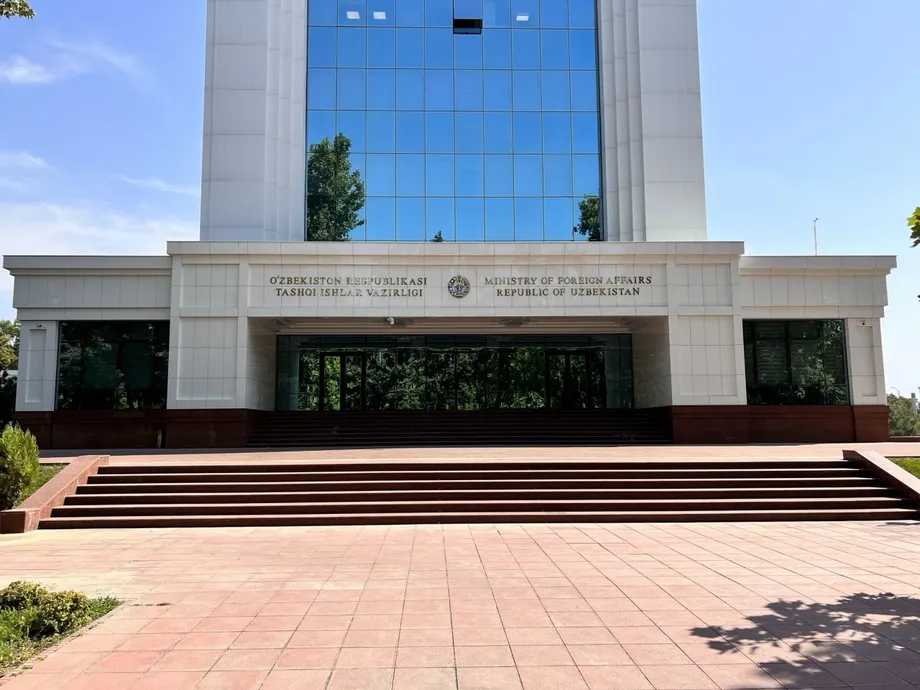
The Ministry of Transport and Ministry of Digital Technologies would develop the technical requirements with Uzbekistan Railways, Uzbekistan Airports and airlines. Their responsibilities would include linking operator information systems and creating the mechanism for a shared order, payment and ticket issue.
Those connections matter because a booking platform must do more than display a timetable. It needs to communicate with the systems that hold seats and issue tickets so that the journey selected by the passenger can be confirmed.
Timetables would be coordinated as well
Uzbekistan's draft strategy also proposes coordinating train, aircraft and bus schedules. Bus arrival and departure times would be aligned with railway and flight services to reduce the time passengers spend waiting between different forms of transport.
A combined purchase is more useful when its connections are practical. A traveller arriving at an airport may still face a long wait if the next bus leaves hours later. Coordinating timetables addresses that part of the journey alongside the changes to booking and payment.
Artificial intelligence systems would be used to forecast passenger demand and help prepare service schedules. In simple terms, that means using data to estimate how many people are likely to travel and using those estimates when deciding when services should run.
The draft connects this work to passenger flows and transfer times. Its purpose is to make the different services fit together more closely, including buses serving passengers arriving by train or plane.
Tashkent would handle smoother domestic flight connections
Passengers travelling between Uzbekistan's regions through Tashkent would also be covered by proposed changes to domestic aviation. The strategy calls for connecting flights with schedules that give passengers a convenient transfer at the capital's airport.
Planning those connections would take account of airport operations and aviation security requirements. The interval between flights needs to allow the airport to process passengers and baggage as well as fit the airlines' departure schedules.
A single electronic ticket would cover connecting flights, with passengers checking in through to their final destination. Baggage would also be sent to that destination without passengers having to collect it and hand it over again at the intermediate airport.
For someone flying from one region to another through Tashkent, the proposed arrangement would remove a repeated baggage collection and check in process. It would also place the two flights within one ticketing process, alongside the wider effort to make connections easier to arrange.
The targets extend beyond the launch date
The strategy sets a target for 10% of passengers to use the unified electronic ticket platform in 2028, rising to 15% in 2029 and 25% in 2030. The final target is 15 percentage points above the first year's target, or two and a half times its level.
Reaching those shares would involve connecting the platform to transport operators, establishing user registration and introducing incentives to buy electronic tickets. The mobile application and service notifications would form part of the same effort to bring passengers onto the system.
The targets envisage adoption over several years. At 25%, the 2030 goal would amount to one passenger in four using the shared platform, rather than every passenger moving to it immediately after launch.
How the proposed changes would unfold
The transport strategy combines digital booking with changes to railway services and connections. Alongside Bir Yo'l, it includes plans to extend the route of high speed electric trains operating between Tashkent and Andijan to Samarkand by the end of 2027.
Services on the Fergana Valley loop line would double in frequency by the end of 2028. More frequent trains and coordinated connections would change the transport options available to passengers, while the booking platform would provide a common way to find and purchase them.
The main dates and targets set out in the proposal are:
- November 11: deadline for public discussion of the draft resolution.
- July 1, 2027: proposed start of the unified ticket pilot linking Tashkent airport, Urgench airport and Khiva railway station.
- By the end of 2027: planned extension to Samarkand of the electric train route operating between Tashkent and Andijan.
- January 1, 2028: proposed introduction of the national Bir Yo'l platform.
- By the end of 2028: planned doubling of service frequency on the Fergana Valley loop line.
- 2028 to 2030: platform usage targets rising from 10% to 25% of passengers.
Passengers would see the changes first through the limited airport and railway pilot. The wider programme would then depend on connecting more operators, coordinating their services and making the common booking process available across the planned transport network.
Key Points
- Uzbekistan proposes launching Bir Yo'l nationally on January 1, 2028, to combine rail, air, bus and urban transport bookings.
- A pilot would begin on July 1, 2027, linking Tashkent airport, Urgench airport and Khiva railway station.
- Passengers could plan connecting journeys and purchase tickets and transfers through one order and payment.
- The draft leaves the pricing method for combined journeys undecided.
- Domestic flight connections through Tashkent would include check in and baggage handling through to the final destination.
- The strategy targets platform use by 10% of passengers in 2028 and 25% in 2030.