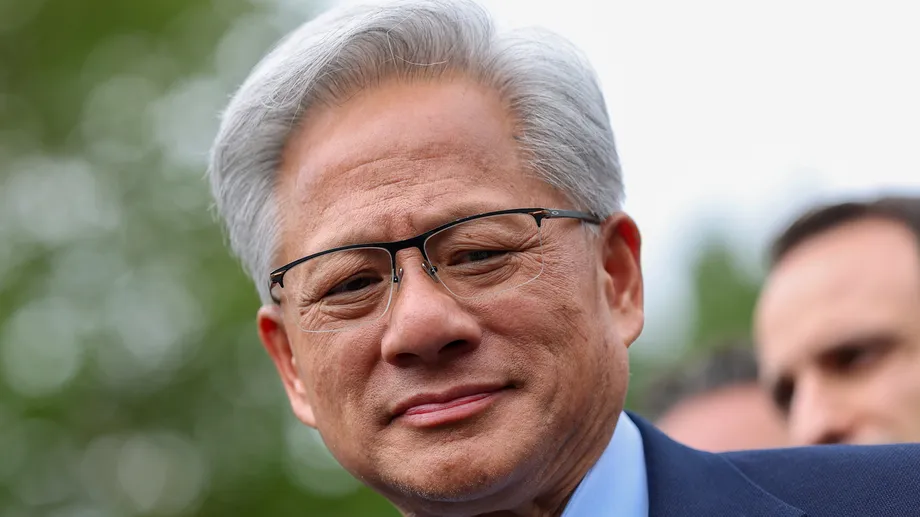
A $4.8 billion buying spree draws intelligence scrutiny
A Malaysian company linked to Singapore data center operator Megaspeed bought at least $4.8 billion in equipment built around Nvidia technology in less than two years. Those purchases are now part of a wider controversy involving suspected chip diversion to China, an alleged Chinese intelligence operative and her contacts with Nvidia chief executive Jensen Huang.
Contents
- A $4.8 billion buying spree draws intelligence scrutiny
- Who is Alice Huang?
- How did she meet Nvidia's chief executive?
- Why investigators examined the chip purchases
- What happened from 2024 to 2026?
- Why was Jensen Huang not warned?
- Why chip sales and presidential access matter
- What the companies and Beijing say
- Key Points
US intelligence agencies reportedly concluded that Alice Huang, a Chinese citizen associated with Megaspeed, was passing information to Beijing. Officials had already suspected her of helping China obtain advanced Nvidia chips despite American export restrictions. Surveillance then brought her relationship with Jensen Huang into focus, according to people familiar with the intelligence findings.
President Donald Trump was reportedly briefed about the intelligence approximately a year before the allegations became public on October 29, 2026. He decided against taking action at that point amid concerns about disrupting Nvidia sales and complicating trade relations with China.
Nvidia rejects suggestions that its chief executive shared trade secrets or national security information. Megaspeed says it has hired outside lawyers to investigate and will cooperate with the US government. China's Embassy in Washington has rejected the accusations.
The case brings together two sensitive issues: who can obtain the powerful processors used to build artificial intelligence, and what information an intelligence service might seek through access to the executive running their leading supplier.
Who is Alice Huang?
Alice Huang, also identified as Huang Le, has held a senior position at Megaspeed, which operates in the business of supplying computing infrastructure. She and Jensen Huang are not related.
Alice Huang reportedly described herself as Megaspeed's chief executive. Corporate paperwork listed her as managing director during the company's first eight months, before removing her from that position. A Chinese investment fund where she worked described her as a former television reporter, although that part of her background has not been independently verified.
Her present relationship with Megaspeed is uncertain. A person familiar with the company's operations said she reduced her involvement after the US investigation began. Alice Huang has not responded to a request for comment.
The intelligence allegation is that she supplied information directly to Beijing. The specific information allegedly passed, her instructions and the full scope of her activities have not been publicly disclosed. The accusations are attributed to people discussing classified intelligence anonymously.
How did she meet Nvidia's chief executive?
A photograph posted to NetThunder's LinkedIn account in June 2024 showed Alice Huang sitting near Jensen Huang at a Taipei bar. They were drinking whisky with other artificial intelligence executives after a technology exhibition. Megaspeed began buying chips a few weeks later.
The two were seen together again in May 2025 after a business dinner with other AI suppliers in Taipei. Alice Huang waited behind Jensen Huang while he answered questions from Taiwanese journalists outside the restaurant.
US surveillance reportedly indicated that the two had developed a close relationship. Nvidia describes their interactions as routine contacts between a chief executive and a customer.
John Rizzo, a spokesman for Nvidia, defended the meetings as part of Jensen Huang's normal business responsibilities:
Jensen's contacts with Huang are neither unusual nor unexpected. Meetings with customers are part of a CEO's job.
Nvidia says Jensen Huang speaks with thousands of executives from customer companies each year. The company also says Megaspeed receives ordinary business information, rather than sensitive trade secrets or national security details.
Why investigators examined the chip purchases
The US investigation into Megaspeed reportedly began in late 2024, after a Commerce Department official visited a Malaysian data center and found Nvidia equipment still packed in boxes. Investigators examined whether the company's business could be helping Chinese customers obtain access to restricted technology.
Megaspeed's Malaysian sister company purchased at least $4.8 billion in Nvidia based equipment in less than two years, an unusually large volume for a business with a limited public profile. The figure covers equipment built around Nvidia products, which can include complete computing systems and associated components.
Megaspeed reportedly bought Nvidia chips from Aivres, the US arm of Chinese technology company Inspur, which is on a US trade blacklist. Megaspeed also reportedly supplied computing power to Alibaba and other Chinese companies.
Those business relationships matter because access to AI hardware can take different forms. A customer can purchase processors and install them in its own facility, or pay to run software on processors housed in another country. Investigators examining possible evasion therefore have to consider both the movement of equipment and the provision of computing services.
Nvidia says it previously investigated and rejected allegations that Megaspeed smuggled chips into China. Megaspeed's current leadership says it takes the accusations seriously and has retained external legal counsel for a comprehensive internal investigation.
What happened from 2024 to 2026?
The commercial contacts, equipment investigation and intelligence concerns developed over several years. The reported sequence places the first publicly documented Taipei meeting before the large purchasing activity and the Commerce Department inquiry.
- June 2024: A photograph posted by NetThunder showed Alice Huang and Jensen Huang with other AI executives at a Taipei bar, weeks before Megaspeed began buying chips.
- Late 2024: A Commerce Department official reportedly found Nvidia equipment still boxed at a Malaysian data center, prompting an investigation.
- May 2025: Alice Huang and Jensen Huang were seen leaving a business dinner in Taipei with other AI suppliers.
- 2025: Singaporean authorities reportedly questioned Alice Huang and later released her.
- About a year before October 2026: Trump reportedly received a briefing on the intelligence concerns and decided against taking action at that time.
- 2026: The Commerce Department investigation reportedly moved to the Justice Department, while related companies continued buying Nvidia chips.
- October 29, 2026: The allegations became public, prompting denials from Nvidia and a statement from Megaspeed about its internal investigation.
The reported transfer to the Justice Department brought the inquiry to the department responsible for federal criminal enforcement. No public charging document, hearing date or deadline for completing the investigation was identified.
Why was Jensen Huang not warned?
Jensen Huang reportedly had not received a defensive briefing about Alice Huang. Intelligence agencies sometimes give these briefings to Americans they believe are being targeted by a foreign intelligence service. The purpose is to warn the person about the suspected threat and help protect information.
When Trump first received the intelligence, US officials reportedly believed Jensen Huang did not know Alice Huang was collecting information for China. Some senior administration officials later expressed suspicion that he might have known. No updated intelligence assessment explaining a change in that judgment has been made public.
The reason for withholding a warning has also not been disclosed. Protecting an ongoing surveillance operation was described as a possible consideration: warning a person in contact with a suspected operative can alert that operative to the investigation.
Nvidia has said it expects the government to communicate any genuine threat. Rizzo, speaking for the company, expressed confidence that officials would provide such a warning:
confident that if the US government believes that any person is a threat to American industry, it would let us know.
The White House, the Central Intelligence Agency and the National Security Agency declined to comment. Surveillance of Alice Huang was reportedly continuing when the allegations became public.
Why chip sales and presidential access matter
Jensen Huang has lobbied the Trump administration to ease restrictions on Nvidia chip sales to China. His position gives him access to discussions about a market that matters commercially to Nvidia and strategically to Washington.
US officials were concerned that Alice Huang might obtain information about Trump's thinking on major issues in relations with China through her contacts with the Nvidia chief executive. They also considered whether she was collecting information about Nvidia itself. Trump was expected to discuss key bilateral issues with Chinese President Xi Jinping during a November visit to China.
Advanced AI processors perform enormous numbers of calculations at once. Companies use them to train AI models, meaning the process through which software learns patterns from data, and to operate those models afterward. Restricting access to the processors is one way Washington seeks to limit China's development of powerful AI systems.
Chinese demand for Nvidia hardware has continued despite those restrictions and growing domestic competition. In the first half of 2026, Nvidia shipped 678,000 AI accelerators in China and Huawei shipped 572,000, according to IDC figures described in coverage of Huawei's narrowing shipment gap. Their market shares were 34% and 28%, respectively, a difference of six percentage points.
Those figures help explain the commercial pressure surrounding export policy. Nvidia still serves a substantial Chinese market, while Chinese buyers are expanding their use of domestic alternatives and seeking computing capacity abroad. Megaspeed's reported provision of services to Chinese companies places its business directly within that contest over access.
What the companies and Beijing say
Megaspeed says its current leadership is committed to establishing the facts behind the allegations. The company has notified the US government that it intends to cooperate fully and has commissioned an internal investigation led by outside counsel.
Nvidia says Megaspeed is treated like other customers. Its response addresses both the suspected movement of chips and the alleged exchange of sensitive information: the company says it previously investigated the smuggling accusations and maintains that Jensen Huang's meetings involved ordinary business discussions.
China's Embassy in Washington rejected the espionage allegations, describing them as "groundless smears and slanders." Singaporean authorities reportedly questioned Alice Huang in 2025 and released her, but details of that questioning have not been disclosed.
The controversy also puts renewed attention on Nvidia's ability to monitor customers. Earlier in October, Jensen Huang said he would consider stopping unsafe AI sales after discussing concerns with the customer. He also stressed the limits of Nvidia's ability to judge how other companies use its general purpose technology.
The Megaspeed case presents a different, concrete monitoring problem: tracing where expensive computing equipment goes, who uses it and whether business contacts expose sensitive information. The companies' denials, the continuing surveillance and the reported Justice Department inquiry leave those issues central to the government's next steps.
Key Points
- US intelligence agencies reportedly assessed that Alice Huang, a Chinese executive associated with Megaspeed, passed information to Beijing.
- Megaspeed's Malaysian sister company bought at least $4.8 billion in equipment built around Nvidia technology in less than two years.
- A Commerce Department investigation reportedly began in late 2024 and moved to the Justice Department in 2026.
- Nvidia says Jensen Huang's contacts with Alice Huang were routine and involved no trade secrets or national security information.
- Trump reportedly received an intelligence briefing about a year before the allegations became public; Jensen Huang reportedly received no defensive briefing.
- Megaspeed has hired outside lawyers and pledged cooperation. China's Embassy in Washington rejects the accusations.