Green power requirement comes with closer scrutiny of electricity demand
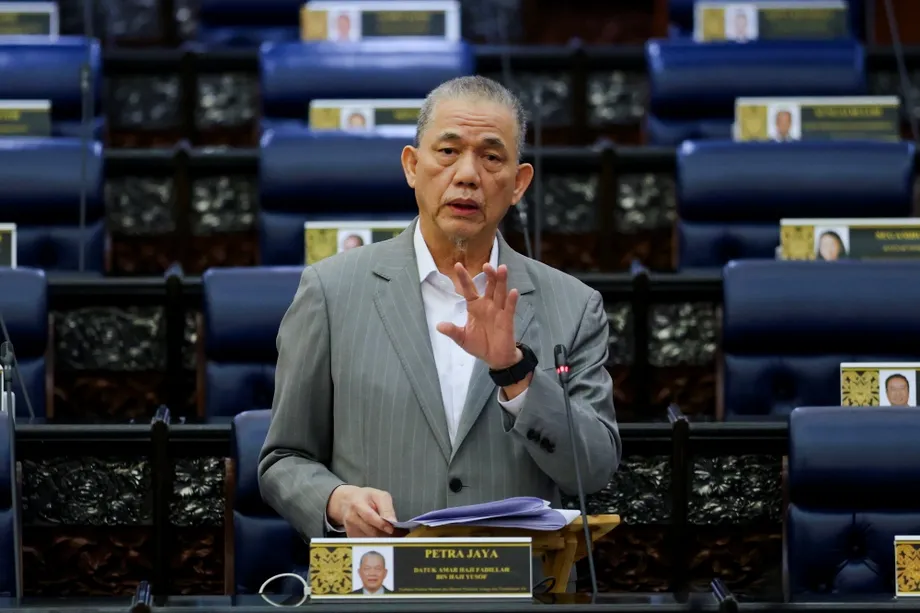
Malaysia has approved a requirement for data centres to use at least 30% renewable energy, while tightening scrutiny of how much electricity operators reserve and actually consume. Deputy Prime Minister Fadillah Yusof told the Dewan Rakyat on October 28, 2026, that the Energy Commission was developing the framework and guidelines needed to put the requirement into practice.
Contents
- Green power requirement comes with closer scrutiny of electricity demand
- How will the 30% requirement be measured?
- Solar generation and direct purchases offer two routes
- Who pays the CRESS charges?
- Why reserved power and actual use are far apart
- Approvals show the scale of the coming expansion
- Electricity applications face technical checks
- Backup generators and water reserves shape local safeguards
- Dates that matter for operators
- Key Points
The electricity figures show why the government is reviewing demand closely. As of August 2026, data centres had contracted for 2,346 megawatts of electricity but were drawing 1,374 megawatts, or 58.5% of that amount. The gap was 972 megawatts, equivalent to 41.5% of their contracted demand.
Fadillah, who is also energy transition and water transformation minister, said operators should develop solar generation for their own use and equip their facilities with backup generators to help reduce pressure on the national grid during critical periods. The government wants the industry to meet more of its own needs without shifting additional electricity supply costs to households and other businesses.
The policy combines three practical concerns: securing cleaner electricity, keeping the grid reliable and deciding who pays for new infrastructure. It also makes the way the 30% threshold is measured commercially important. A requirement based on installed capacity can lead to a different amount of renewable generation from one based on electricity consumed over time.
For communities hosting data centres, the assessment extends beyond electricity. Fadillah said projects in locations with low water reserve margins would not be considered for development, placing local water availability alongside grid capacity in decisions about where the industry can expand.
How will the 30% requirement be measured?
The government has described the minimum renewable share in terms of total electricity demand capacity or energy consumption. An October 27 account of Fadillah's parliamentary statement described it as 30% of total energy use, while his written parliamentary reply to Bukit Bendera MP Syerleena Abdul Rashid referred to total electricity demand capacity. The Energy Commission's framework is still being developed, leaving the final calculation method and implementation timetable to be specified.
Capacity is the amount of power equipment can supply or a facility can draw at a particular moment, usually measured in megawatts. Consumption is the electricity used over a period, measured in kilowatt-hours or megawatt-hours. A solar installation's rated capacity and the electricity it produces throughout a day are different quantities because its output changes with sunlight.
The choice matters for investment. Under a simple capacity calculation, 30% of a data centre pipeline requiring 5 gigawatts would equal 1.5 gigawatts of renewable capacity. Meeting 30% of electricity consumption would instead require calculations based on actual generation and use over the relevant period.
Industry estimates put the potential solar and storage market at RM9 billion to RM36 billion, depending on how the requirement is applied. Those estimates use an assumed project cost of RM4 million per megawatt and varying capacity and consumption scenarios. The regulator's final rules will determine which assumptions operators can use when planning their projects.
Solar generation and direct purchases offer two routes
Data centres can meet the renewable requirement through the Corporate Renewable Energy Supply Scheme, known as CRESS, or the Solar for Self-Consumption programme, known as SELCO. Fadillah encouraged participation in both approaches as part of reducing reliance on conventional electricity supply.
CRESS allows renewable energy developers to sell electricity directly to corporate customers using the national grid. A data centre can therefore buy green electricity from a separate generator rather than produce all of it at its own facility.
SELCO takes a different approach: operators generate solar electricity for their own consumption. Fadillah encouraged data centres to use this programme without exporting surplus electricity to the national grid. The aim is to serve their own demand and reduce the additional burden on the wider electricity system.
Fadillah explained the purpose of encouraging generation at data centres during the parliamentary question and answer session:
This approach aims to increase the use of self-generated energy by the data centre sector while reducing its full dependence on electricity supplied by the national grid.
Who pays the CRESS charges?
Fadillah also clarified that the national grid system access charge payable by renewable energy developers under CRESS remains 14 sen per kilowatt-hour. Green electricity users pay a separate charge of four sen per kilowatt-hour. He said the two charges should not be combined into a single 18 sen fee.
The charges apply to different participants. The developer pays for access to the grid through which its electricity reaches customers, while the user has a separate payment obligation. Contracts between developers and buyers will determine the broader commercial terms of their electricity purchases.
The developer charge was initially set at 20 sen per kilowatt-hour following industry engagement, then reduced to 14 sen. That is a reduction of six sen, or 30%. Fadillah said the charge covers operations and regulatory costs, market development and work to expand or strengthen the electricity system. The Energy Commission discussed the rates with industry participants, who accepted them, he said.
A package introduced in September requires contracts lasting 10 years between renewable electricity providers and corporate buyers. Projects must begin commercial operation by December 31, 2028, to qualify for the 14 sen rate. That deadline gives developers and data centre customers a concrete date around which to arrange construction, grid connections and electricity purchases.
Why reserved power and actual use are far apart
Data centres were consuming 1,374 megawatts against contracted demand of 2,346 megawatts in August. Fadillah said operators estimate their needs when applying for electricity supply, but actual consumption can turn out to be lower. The Data Centre Task Force was established to examine those requirements and actual usage more closely.
A utility must plan for electricity it has promised to supply, even when a customer initially uses less. Generation, transmission lines and other equipment may need to be available when that customer increases its operations. This makes the accuracy of demand applications important for investment decisions across the power system.
Malaysia had already moved to make investors pay for reserved power and grid upgrades. Investment, Trade and Industry Minister Johari Abdul Ghani outlined those conditions in Parliament on October 15, including charges for capacity held available even when a data centre does not use it.
Fadillah's written reply also said the Connected Load Charge had been increased to encourage efficient use of approved capacity and discourage applications beyond actual requirements. Together, the demand checks and charging rules give operators a financial reason to make realistic forecasts rather than reserve more electricity than they expect to need.
Approvals show the scale of the coming expansion
Data centre projects had secured approval for 12.3 gigawatts of electricity supply capacity as of August, Fadillah said in his written parliamentary reply. The government projects the sector's maximum electricity demand at 8,391 megawatts by 2030, equivalent to 8.391 gigawatts. One gigawatt equals 1,000 megawatts.
The figures describe different stages of development: approved supply capacity, contracted demand and electricity currently being drawn. Planning must account for when approved projects will become operational and how their use will grow, alongside the consumption recorded at existing facilities.
Industry information also indicated that the Data Centre Task Force had approved 5 gigawatts of additional capacity subject to the 30% renewable requirement. That amount represented about 60% of an 8.3 gigawatt project pipeline identified as of June.
Fadillah described a phased approach to expanding generation and strengthening the grid. The government will monitor actual demand, assess risks and update generation and network planning as the industry develops. For electricity providers, this means coordinating new investment with projects that are progressing, rather than relying only on the total capacity requested.
Electricity applications face technical checks
Every application for electricity supply to a data centre undergoes a technical assessment by the Energy Focus Group, managed by the Energy Commission, before referral to the Data Centre Task Force. The review considers whether the power system can supply the proposed demand and what infrastructure investment would be required.
The assessment uses projections approved by the National Energy Council and examines both transmission and distribution networks. Transmission carries large amounts of electricity across the system, while distribution delivers it through more local networks. A large data centre can require changes beyond its own connection point.
Fadillah said the government's priorities include system security, sufficient capacity, safe reserve margins, grid stability and continuity of supply for all consumers. Reserve margins provide a cushion between available electricity capacity and demand, helping the system cope when equipment is unavailable or demand rises.
The cost rules follow the principle that users creating additional system costs should pay a fair share of them. An Ultra High Voltage tariff took effect on July 1, 2025, for existing and new data centres supplied at high or extra high voltage, alongside the other measures intended to allocate infrastructure costs more fairly.
Backup generators and water reserves shape local safeguards
Fadillah said data centres need backup generators that can support demand control during critical periods and when operating reserves are low. Using those generators would allow facilities to reduce the electricity they draw from the grid when the wider system is under pressure.
Wan Ahmad Fayhsal Wan Ahmad Kamal, the MP for Machang, raised the issue during questions about protecting public electricity and water supplies during droughts or supply disruptions. His question connected national energy planning with the pressures people may experience in the areas hosting data centres.
Water availability is part of the task force's location assessment. Fadillah said it considers water reserve margins using feedback and recommendations from state water supply operators. Projects in areas with low margins would not be considered for development.
Nuclear energy remains under government consideration as another possible electricity source. Fadillah said Malaysia first needs to address international agreements and treaty obligations, meet International Atomic Energy Agency standards and ensure suitable safety regulation, workforce capacity and technology. He placed national readiness and public safety at the centre of that decision.
Dates that matter for operators
The renewable requirement sits within a sequence of tariff changes, demand reviews and investment conditions. Operators planning electricity procurement now face both a developing compliance framework and an established deadline for the CRESS access rate.
- July 1, 2025: The Ultra High Voltage tariff took effect for data centres receiving electricity at high or extra high voltage.
- August 2026: Contracted data centre demand stood at 2,346 megawatts, while actual use was 1,374 megawatts.
- October 15, 2026: Johari outlined conditions requiring investors to pay for reserved electricity capacity and transmission upgrades.
- October 28, 2026: Fadillah described the renewable energy framework, demand assessments and supply safeguards in the Dewan Rakyat.
- December 31, 2028: CRESS projects must reach commercial operation to qualify for the 14 sen developer access rate.
- 2030: The government's projected maximum electricity demand from data centres reaches 8,391 megawatts.
For developers, the immediate task is to align electricity reservations, renewable procurement and infrastructure spending with realistic operating needs. For the government, the same decisions will shape how quickly data centres can expand while maintaining electricity and water supplies for other users.
Key Points
- Malaysia has approved a minimum 30% renewable energy requirement for data centres, with detailed guidelines under development.
- Actual electricity use was 58.5% of contracted demand in August 2026.
- Operators are encouraged to buy renewable electricity through CRESS or generate solar power for their own consumption.
- CRESS developers pay a 14 sen access charge per kilowatt-hour; users pay a separate four sen charge.
- Electricity applications undergo technical review, and locations with low water reserve margins will not be considered for development.
- Projects seeking the 14 sen CRESS rate must begin commercial operation by December 31, 2028.