Rp 17 trillion drawn as Mandiri explains its safeguards
Bank Mandiri has disclosed a Rp 40 trillion credit facility for PT Jhonlin Baratama, with Rp 17 trillion already used, as the Indonesia Stock Exchange seeks answers about repayment capacity and the use of shares in two affiliated companies as collateral.
Contents
- Rp 17 trillion drawn as Mandiri explains its safeguards
- What will the borrowing finance?
- How does the Bayan acquisition fit into the story?
- Repayment depends on existing coal operations
- Business reports and a reserve for payments
- What does collateral coverage of 150% mean?
- Falling share prices put the backup under pressure
- When can Mandiri demand more security?
- The dates behind the scrutiny
- Key Points
The state owned Indonesian bank says repayment will come from existing coal operations within Jhonlin Group. Its security package includes fixed assets, company accounts and shares in PT Jhonlin Agro Raya Tbk (JARR) and PT Pradiksi Gunatama Tbk (PGUN). According to Mandiri, the combined collateral coverage ratio stands at 150%, using the lowest prices reached by those shares during trading over the preceding month.
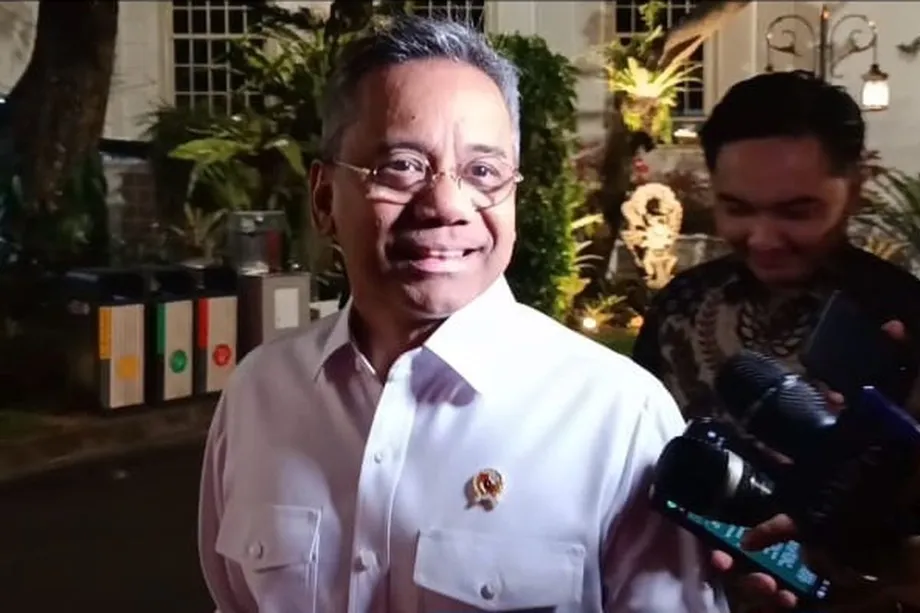
The clarification, submitted to the exchange on October 26, 2026, and described publicly on October 27, answered further questions about a large financing arrangement involving the business group of entrepreneur Andi Syamsuddin Arsyad, known as Haji Isam. The exchange's request was set out in letter S-13310/BEI.PP1/10-2026, dated October 21.
The Rp 17 trillion used represents 42.5% of the facility's Rp 40 trillion ceiling, leaving Rp 23 trillion unused at the time of the disclosure. A credit ceiling is the maximum available under an agreement, while the amount drawn is the money actually borrowed.
Mandiri's explanation brings together three safeguards: cash generated by coal businesses, funds reserved for scheduled payments, and assets pledged as backup. The agreement also allows the bank to demand more collateral or a reduction in outstanding borrowing if collateral coverage falls below its requirements.
What will the borrowing finance?
Jhonlin Baratama's facility is intended to support business development, capital expenditure and financing needs across Jhonlin Group's coal industry operations and supporting sectors, Mandiri said. Capital expenditure means spending on assets used in a business over time, rather than ordinary daily expenses.
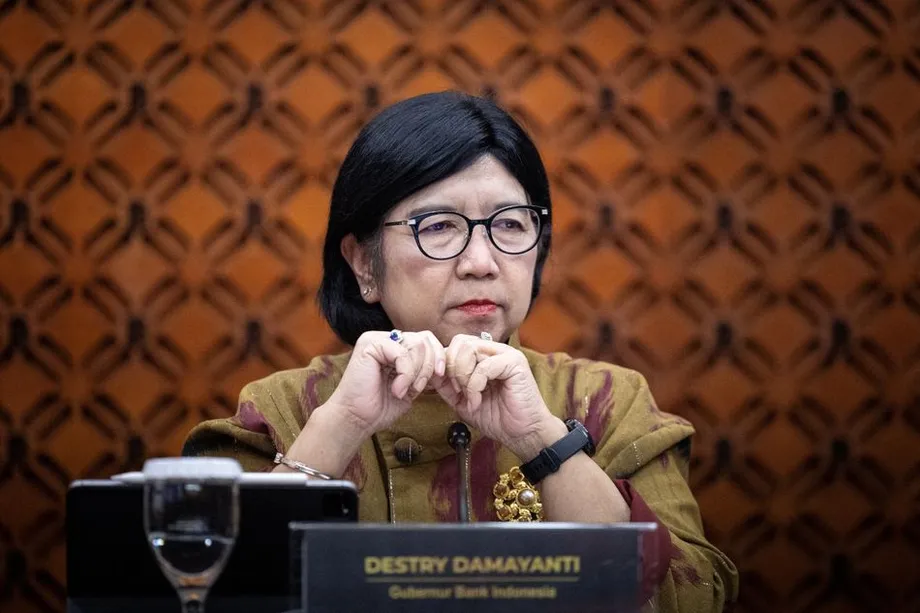
Adhika Vista, Mandiri's senior vice president responsible for corporate secretary matters, described the intended scope of the financing in the bank's clarification:
The credit facility was also intended to support the group's business expansion "in the coal industry and its supporting sectors".
Mandiri said its lending decision considered business prospects, financial performance, repayment ability and the borrower's capacity to contribute its own money toward the needs of the company and its group. That last factor concerns how much funding the business can provide itself alongside bank borrowing.
The bank has repeatedly said the facility is not intended for share trading. Its response came amid scrutiny of both the pledged shares and Jhonlin Baratama's acquisition of a substantial stake in coal producer PT Bayan Resources Tbk (BYAN).
How does the Bayan acquisition fit into the story?
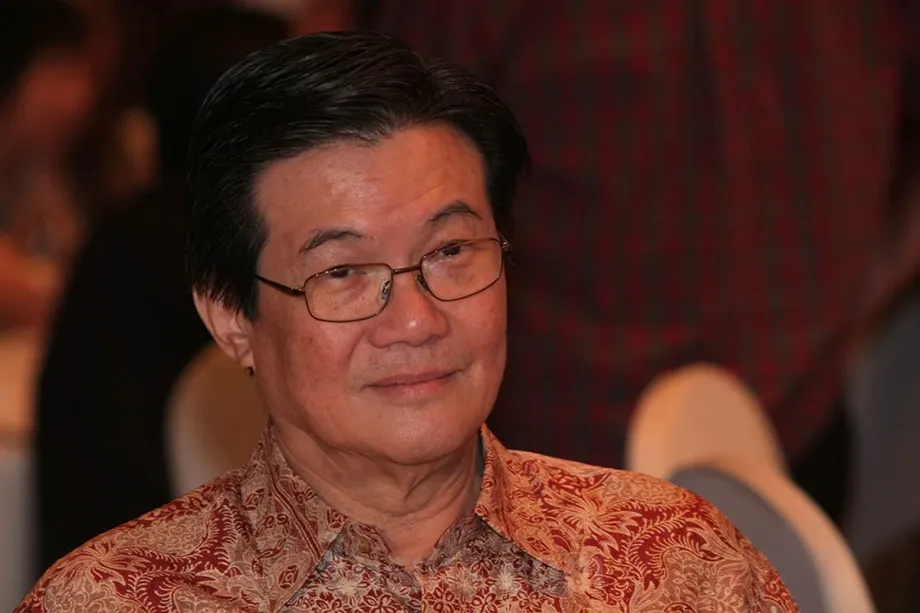
Jhonlin Baratama completed the acquisition of 10,084,088,370 Bayan Resources shares on October 7, 2026, giving it a 30.25% stake. Bayan's directors said the company received notification letters dated October 8 from the sellers, Low Tuck Kwong and his daughter Elaine Low.
Low Tuck Kwong transferred 10,067,421,703 shares, while Elaine Low transferred 16,666,667. After the transaction, their direct holdings stood at 9.95% and 22.05%, respectively.
The borrowing has been described as financing the purchase of the 30.25% Bayan stake. Mandiri states that its facility supports coal business development and is not for share trading. Asked by the exchange whether the financing involved business conducted directly or indirectly with Bayan or other listed companies, the bank did not explicitly confirm or deny that connection.
Mandiri instead pointed to its agreed financing purposes and monitoring arrangements. The practical issue for investors is where the borrowed money goes within the group and which operating businesses generate the cash needed to repay it.
Repayment depends on existing coal operations
Mandiri says it assessed repayment using only cash flow from Jhonlin Group's existing coal businesses. Cash flow is the money moving into and out of a business, including receipts from customers and payments for operating expenses.
Adhika explained the basis of that assessment in the bank's clarification:
In assessing a borrower's repayment capacity, Bank Mandiri only takes into account cash flow from existing businesses derived from Jhonlin Group's coal industry operations.
The main repayment sources are the borrower's operations and dividends from several operating subsidiaries in the coal business. A dividend is money a company distributes to its shareholders. Here, dividends from subsidiaries can move earnings within the group toward the entities responsible for servicing the borrowing.
Mandiri said those sources were sufficient to meet obligations over the short, medium and long term. Its assessment included sensitivity tests covering changes in coal prices and production volumes. Such tests examine how payment capacity changes when a business earns less because it sells fewer tonnes or receives a lower price.
For Jhonlin, this makes coal earnings central to the financing arrangement. Lower sales receipts would reduce the cash available for business expenses, dividends and debt payments, which is why the bank says it tested both prices and output.
Business reports and a reserve for payments
Mandiri requires business activity reports at intervals specified in the financing documents. The bank says it uses those reports to monitor whether the money is being spent for the purposes agreed in the facility.
The agreement also provides for a sinking fund, a reserve built up to help pay interest and instalments of principal. Interest is the cost of borrowing, while principal is the original money borrowed that must be returned.
The reserve addresses the timing of payments. A business may receive money from customers on different dates from those on which loan payments fall due. Setting funds aside gives the borrower a pool of money intended for those scheduled obligations.
Mandiri's controls therefore cover both the use of the borrowing and the availability of money for repayment. Business reports track the financing's purpose, while the sinking fund supports payment of interest and principal under the agreement.
What does collateral coverage of 150% mean?
Mandiri says the total value of pledged collateral exceeds the credit facility, with a collateral coverage ratio of 150%. In simple terms, a ratio of 150% means Rp 150 of recognised collateral value for every Rp 100 of credit used in the calculation.
The ratio covers the combined security package, including fixed assets, other assets, company accounts and pledged shares. Mandiri said it remained at that level after using the lowest intraday prices of JARR and PGUN over the previous month. An intraday low is the lowest price reached during a trading session.
Assets other than shares were valued by an independent public appraisal firm, known in Indonesia as a Kantor Jasa Penilai Publik, or KJPP. Mandiri said checks and the legal process of securing the assets involved notaries and/or land deed officials, known as PPAT.
The bank also said the security arrangements followed applicable requirements, including rules concerning ownership of the pledged assets. Those legal steps matter because a lender needs enforceable rights over collateral if it later has to recover unpaid debt.
Mandiri places the pledged shares behind operating cash flow as a secondary repayment source. The intended sequence is for coal businesses to service the borrowing, with collateral available as a backup if repayment fails.
Falling share prices put the backup under pressure
JARR and PGUN drew attention because their prices moved sharply before Mandiri's latest explanation. Trading figures for October 21 at 9:52 a.m. Jakarta time put PGUN at Rp 7,450, down 23.79% since the start of the year, and JARR at Rp 2,220, down 31.27%.
Both had reached much higher prices on October 13: Rp 29,527 for PGUN and Rp 8,175 for JARR. The movements brought the valuation of pledged shares into focus, alongside PGUN's reported ownership concentration of 99.95% and its inclusion in the high shareholding concentration category.
Banking observer Moch Amin Nurdin warned that a lender faces two connected risks when shares serve as collateral: falling prices reduce their value, while selling a large block can put further pressure on the price. Liquidity, meaning how easily an asset can be sold, becomes especially important when a bank needs to recover money quickly.
Mandiri said it considered PGUN's ownership concentration through sensitivity tests of share price volatility. The bank's approach combines testing share values with reviewing the borrower's ability to pay from coal earnings.
When can Mandiri demand more security?
Mandiri's credit agreement allows it to require additional collateral or a reduction in outstanding borrowing when collateral coverage requirements are not met. Any such reduction would be separate from scheduled principal instalments.
The mechanism gives the borrower two ways to restore coverage: pledge more acceptable assets or reduce the debt against which existing assets are measured. For Jhonlin, a fall in recognised collateral value could therefore create a need to provide additional security or cash earlier than the normal repayment timetable.
The exchange also asked about the basis for valuing JARR and PGUN shares, including their prices when the financing agreement was signed, the number pledged and the value recognised by the bank. Its questions covered a maximum limit of 50% and possible valuation discounts for volatility and liquidity. A valuation discount, often called a haircut, reduces the amount a bank recognises against an asset's market price.
Mandiri said its conservative valuation of additional share collateral followed Article 4 of Financial Services Authority Regulation No. 40/POJK.03/2017 and internal policy. The public explanation did not give the facility's interest rate, maturity, detailed stress test results, exact valuation discounts or the full calculation behind the 150% ratio.
Nafan Aji Gusta, senior market analyst at Mirae Asset Sekuritas, said lending risk should be assessed against the bank's capital, wider corporate loan portfolio and lending limits. He also identified provisions for expected credit losses as a buffer. His discussion of possible guarantees, controlled accounts and insurance described protections that can be used in corporate lending; Mandiri's disclosed security package consists of the assets and accounts it specified.
The dates behind the scrutiny
The share pledges, Bayan acquisition and exchange questions unfolded over several weeks. The sequence explains why Mandiri's latest disclosure addressed both business repayment capacity and the market value of its collateral.
- September 30, 2026: Shareholders pledged JARR and PGUN shares to Bank Mandiri. PT Eshan Agro Sentosa pledged 7,997,556,204 JARR shares, representing its entire holding.
- September 30, 2026: Three PGUN shareholders pledged their holdings: PT Araya Agro Lestari, 2.20 billion shares; PT Citra Agro Raya, 2.19 billion; and PT Baramega Citra Mulia Persada, 900 million.
- October 7, 2026: The JARR pledge was disclosed, and Jhonlin Baratama completed its acquisition of 30.25% of Bayan Resources.
- October 16, 2026: Mandiri explained that the facility supported coal business needs and had several types of collateral.
- October 21, 2026: The exchange issued its further request for clarification.
- October 26, 2026: Mandiri submitted its response, with further details described publicly on October 27.
The Rp 40 trillion facility gives Jhonlin substantial borrowing capacity, while Rp 17 trillion had been used by the disclosure date. For Mandiri, the continuing task is to monitor the coal earnings supporting repayment and keep the pledged assets within the agreement's coverage requirements.
Key Points
- Bank Mandiri provided a Rp 40 trillion credit ceiling to Jhonlin Baratama; Rp 17 trillion, or 42.5%, had been used.
- The bank says the money supports coal business development, capital expenditure and related financing needs.
- Repayment is assessed using existing coal operations and dividends from coal subsidiaries.
- Collateral includes fixed assets, company accounts and JARR and PGUN shares, with combined coverage stated at 150%.
- The agreement allows additional collateral or reductions in outstanding borrowing if coverage requirements are breached.
- Jhonlin acquired 30.25% of Bayan Resources on October 7, 2026; Mandiri did not explicitly confirm or deny a financing connection to that transaction.