Fuel arrives as the first reactor awaits clearance
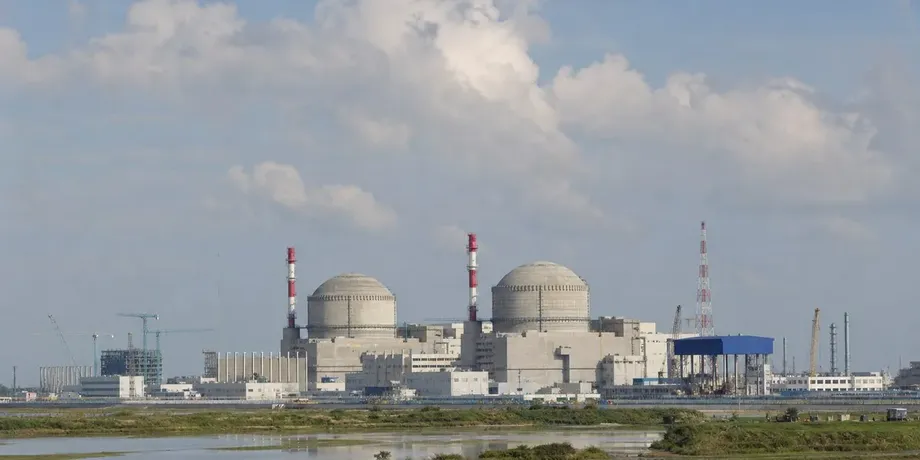
A shipment of Russian nuclear fuel weighing 41 tons has reached Bangladesh's Rooppur Nuclear Power Plant, while its first reactor awaits regulatory permission to begin the next stage of testing. Project engineers hope the plant can supply at least 300 megawatts to the national grid by December 2026.
Contents
- Fuel arrives as the first reactor awaits clearance
- Two reactors, two different stages of progress
- What the 300 megawatt target means
- A valve problem preceded the latest test milestone
- Why the fuel flights needed airspace permission
- How the schedule has changed
- Why the cost in taka has risen
- What Bangladesh expects from Rooppur
- Key Points
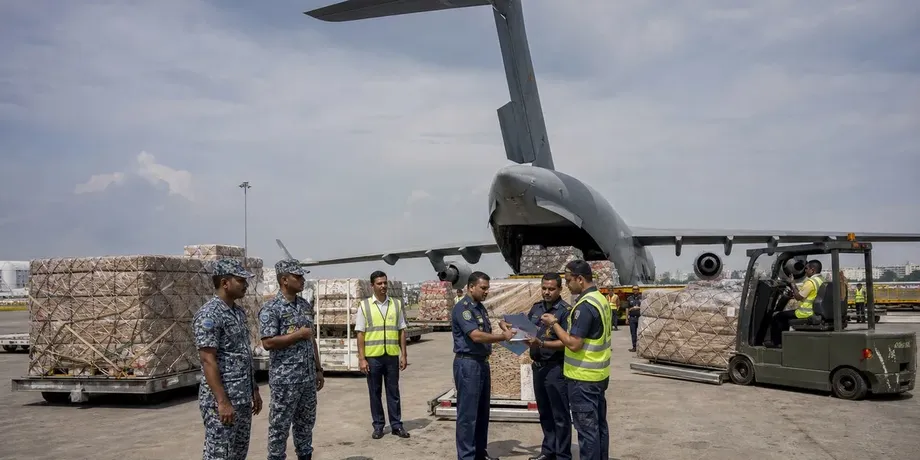
The latest consignment, described in an October 27 update, arrived in 12 containers and was carried from the airport to the plant on three trucks under police and army security. Rooppur is in Pabna, about 200 kilometres northwest of Dhaka.
The delivery is the third shipment for Rooppur's second unit. The immediate electricity target concerns the first unit, which has completed its B-2 physics test. Zahedul Hasan, managing director of Nuclear Power Plant Company Bangladesh Limited (NPCBL), said the test reports were submitted to the Bangladesh Atomic Energy Regulatory Authority (BAERA) on October 21.
BAERA's approval is required before the first reactor enters power start-up, the stage when operators gradually raise output and test equipment under increasing power. The December electricity target depends on that permission and successful testing.
Two reactors, two different stages of progress
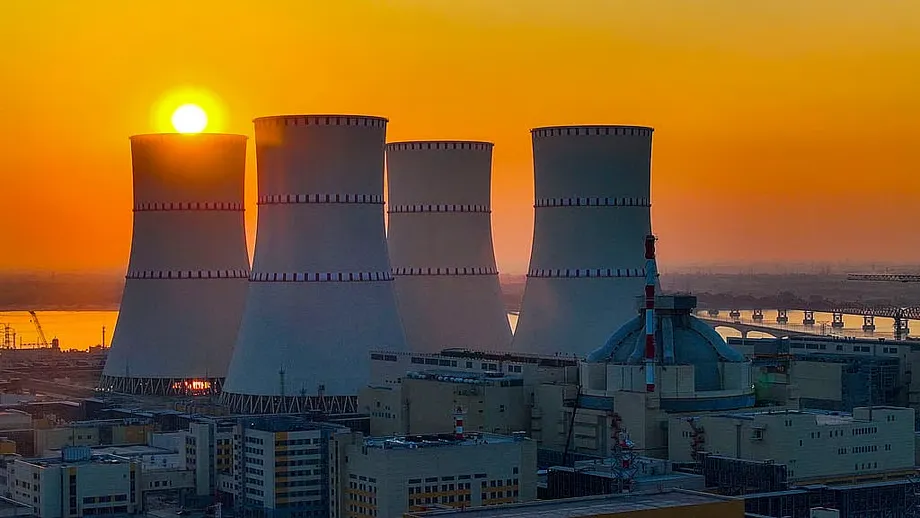
Rooppur has two VVER-1200 reactors, each with a planned generating capacity of 1,200 megawatts. Together, they would provide 2,400 megawatts when fully operational. They are progressing on separate schedules: the first unit is preparing for power start-up, while fuel deliveries are continuing for the second.
Project officials say 163 fuel assemblies for Unit 2 are scheduled to arrive in seven shipments. Another 48 assemblies are expected in two shipments for future refuelling of Unit 1. A fuel assembly is a structured bundle of rods containing nuclear fuel that is placed inside the reactor.
The shipment update also lists seven further flights carrying fuel from Russia during November and December. Rosatom, Russia's state nuclear energy corporation, says deliveries for Unit 2 are scheduled to run from October through the end of December 2026, using several flights under the project contract.
The 41 tons is the reported weight of the consignment carried in 12 containers. The assembly counts describe the reactor fuel being supplied. For the project, the practical task is to deliver the required assemblies, complete the necessary checks and prepare each unit for its next approved stage.
What the 300 megawatt target means
NPCBL says it is ready to begin power start-up late in October if BAERA gives clearance. Operators would initially generate electricity on a limited scale, increasing output step by step as tests succeed.
Project engineers expect the first unit to begin supplying test electricity to the national grid after reaching about 25 to 30 percent of its capacity. For a reactor rated at 1,200 megawatts, that range is 300 to 360 megawatts. Their target of at least 300 megawatts by December therefore corresponds to the lower end of that range.
The initial 300 megawatts would equal one quarter of the first unit's capacity and one eighth of the entire plant's planned 2,400 megawatts. Bangladesh would receive electricity before Rooppur reaches its full planned output, with further increases tied to testing and approval.
Test electricity comes during commissioning, when operators check the plant before routine commercial operation. Each stage requires testing and formal regulatory approval. No firm date for BAERA's final clearance or the start of commercial generation has been announced.
A valve problem preceded the latest test milestone
Rooppur's first unit has already faced a technical setback involving a pilot-operated relief valve, often shortened to PORV. A relief valve helps control pressure by opening when required. Science and Technology Minister Fakir Mahbub Anam identified the component as a cause of delay.
Anam described the problem in comments made in Bengali. His words translate as:
The valve complication at Rooppur was unexpected.
The minister said Bangladeshi and Russian scientists were working on the problem. Earlier expectations of trial electricity generation in September had slipped as the plant continued its preparations.
NPCBL's subsequent announcement that the first unit had completed its B-2 physics test marked a later step in that process. Physics testing examines the reactor's behaviour before operators proceed to higher power. The next decision rests with BAERA, which must review the submitted results before authorising power start-up.
Why the fuel flights needed airspace permission
Fuel deliveries for the second unit also encountered a transport delay. A planned flight schedule was cancelled after airspace clearance was not received in time. Rosatom did not officially identify Pakistan as the country responsible, although the clearance issue prompted questions about Pakistan's handling of the flights.
The expected route passes through the airspace of Kazakhstan, Turkmenistan, Afghanistan, Pakistan and India. Flights carrying nuclear material require diplomatic permission from each country along the route, making coordination across several governments part of the delivery process.
Pakistan Foreign Ministry spokesperson Sajjad Haider described the issue as technical and procedural rather than political. He said applications for diplomatic flights and overflight permission are processed according to established guidelines and civil aviation protocols.
Haider also said coordination among aviation authorities and other agencies can lead to schedule changes. Rosatom subsequently set out an October to December delivery window for Unit 2, replacing the earlier expectation that a shipment would arrive in September.
How the schedule has changed
Rooppur's fuel deliveries and construction milestones stretch across several years. Fuel for the first unit arrived well before the current preparations for electricity generation, while the second unit is now receiving its own supply.
- October 2023: The first shipment of uranium fuel for Unit 1 arrived in Bangladesh, accompanied by the formal handover of the plant's graduation certificate.
- April 2026: Fuel loading began in the first unit's reactor vessel.
- October 21, 2026: NPCBL submitted the first unit's physics test reports to BAERA.
- October to December 2026: Rosatom scheduled several flights delivering fuel for Unit 2.
- December 2026: Project engineers hope Unit 1 will be supplying at least 300 megawatts of test electricity to the grid.
- June 2028: The revised deadline for completing the project follows two extensions from December 2025.
The initial agreement with Russia had envisaged electricity generation from the first unit in 2023. Implementation later faced supply disruptions and payment difficulties associated with the COVID-19 pandemic and the war in Ukraine.
The December 2026 target concerns an initial contribution to the grid. June 2028 is the revised project completion deadline. Bangladesh is therefore pursuing an earlier, limited electricity supply while work continues toward completing the wider project.
Why the cost in taka has risen
Rooppur's estimated project cost has increased by about Tk 260 billion to Tk 1.39 trillion. The main contract price expressed in euros or dollars has remained unchanged despite the deadline extensions.
A stronger dollar in Bangladesh's currency market has increased the amount of taka needed to meet foreign currency costs. When the taka buys fewer dollars, an unchanged dollar bill requires more local currency to pay it.
The stated figures imply an earlier estimate of about Tk 1.13 trillion. An increase of Tk 260 billion represents roughly 23 percent of that amount. This gives a measure of the additional pressure on the project budget in Bangladesh's own currency.
The Bangladesh Atomic Energy Commission, under the Ministry of Science and Technology, is implementing Rooppur with Russian financial and technical assistance. Rosatom's engineering division is the general designer and main contractor.
What Bangladesh expects from Rooppur
Bangladesh is seeking electricity from Rooppur while facing power shortages. Reduced imports of liquefied natural gas and unpaid bills affecting private power producers have contributed to plant shutdowns and increased scheduled power cuts.
The government hopes the first reactor's eventual 1,200 megawatts will ease the supply shortage and reduce reliance on expensive plants that burn oil. The proposed initial supply of 300 megawatts would provide a smaller contribution while operators continue testing.
India has helped train engineers who will operate and maintain Rooppur under a trilateral agreement with Bangladesh and Russia. That cooperation draws on India's experience with Russian reactor technology at the Kudankulam Nuclear Power Plant in Tamil Nadu.
As of the October 2026 update, Kudankulam was generating 2,000 megawatts from two units. Two more units were expected to become operational in 2027, followed by another two in 2030. For Bangladesh, the training arrangement provides access to operating experience as its own engineers prepare to run the country's first nuclear power plant.
Key Points
- Rooppur received its third fuel shipment for Unit 2, a consignment weighing 41 tons in 12 containers.
- Unit 1 completed its B-2 physics test, with reports submitted to BAERA on October 21, 2026.
- Power start-up requires regulatory clearance before output can rise through successive testing stages.
- Engineers hope to supply at least 300 megawatts to the grid by December 2026.
- Rosatom schedules Unit 2 fuel deliveries through December 2026.
- The two reactors have a combined planned capacity of 2,400 megawatts.
- The revised project deadline is June 2028, with the estimated cost now Tk 1.39 trillion.