A coat associated with power became a police target
North Korean police confiscated leather trench coats from shoppers and market sellers in a crackdown described by residents in November 2021 as an effort to stop ordinary people copying leader Kim Jong Un. In Pyongsong, a city north of Pyongyang in South Pyongan province, a resident said officers treated imitation of the leader's clothing as a challenge to his authority.
Contents
The coats were expensive purchases. A genuine leather version reportedly cost about 170,000 North Korean won, while a synthetic version cost about 80,000 won. Against a reported average monthly salary of 4,000 won in 2018, those prices represented roughly 42.5 months and 20 months of basic pay respectively. People who had saved or traded to buy one faced losing it when they wore it outside.
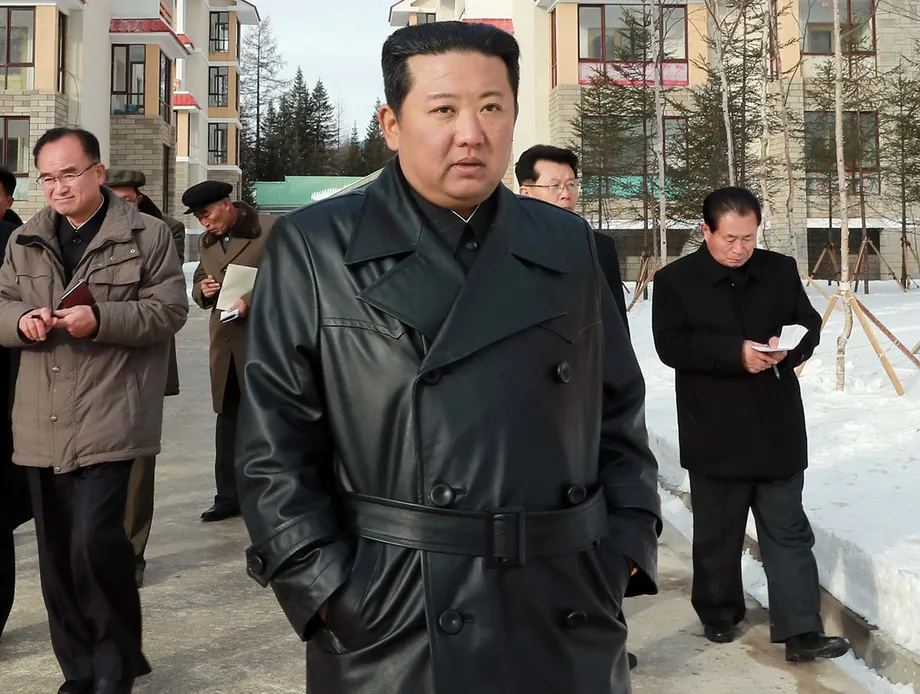
Kim helped popularize the trench coat style through a television appearance in 2019. Wealthy buyers initially purchased genuine leather coats imported from China. Domestic clothing makers then produced cheaper copies using imitation leather, bringing a look associated with the leadership into ordinary marketplaces.
The detailed account of enforcement came from two residents speaking anonymously, including the Pyongsong resident interviewed on November 21, 2021. They described seizures affecting sellers, manufacturers and people wearing the coats. No publicly issued legal text, nationwide enforcement figures or end date accompanied their accounts, leaving the precise reach and duration of the restriction unclear.
Why the January parade mattered
A military parade associated with the Workers' Party's eighth congress in January 2021 gave the style another powerful advertisement. Kim appeared in leather alongside senior officials, according to the Pyongsong resident. The message reaching viewers was that this was clothing worn at the top of the political hierarchy.
Kim's sister, Kim Yo Jong, and other powerful women also wore leather coats, the resident said. Their appearances helped spread interest among women, widening a market that had already attracted young men.
The Pyongsong resident, who requested anonymity for security reasons, described how those appearances changed the garment's appeal:
So now the leather coat has become a symbol for powerful women too,
Clothing merchants responded to that demand. The resident said private sellers began asking trading company officials to import synthetic leather from September 2021 so that local makers could copy the coats worn by Kim and other officials.
The commercial chain was straightforward: television made the design desirable, traders obtained the material, garment makers reproduced it and sellers brought the finished coats to market. The reported police response interrupted that chain at several points.
What residents said police were enforcing
Police in Pyongsong reportedly began confiscating coats both from sellers and from people wearing them in public. A second resident, from North Pyongan province in the northwest, described authorities pursuing companies making coats that closely resembled Kim's clothing.
The Pyongsong resident said officers explained the restriction as a party directive determining who could wear the garments. In that account, the issue was the design's association with the leader, rather than leather as a material.
The resident recounted the explanation given by police when people challenged the seizures:
The police respond to the complaints, saying that wearing clothes designed to look like the Highest Dignity's is an 'impure trend to challenge the authority of the Highest Dignity.' They instructed the public not to wear leather coats, because it is part of the party's directive to decide who can wear them,
"Highest Dignity" is an honorific used for Kim. The language attributed to officers turned an everyday purchase into a political issue: a coat resembling the leader's could be treated as an unauthorized claim to the status attached to his appearance.
Residents described a direct conflict between that reasoning and their understanding of ownership. They had paid for clothing on sale in the marketplace and expected to be able to wear it.
How the fashion spread from imports to local copies
Leather jackets already had a history in North Korea before Kim's trench coat became fashionable. The North Pyongan resident traced their popularity to the early 2000s, when South Korean films circulated in provincial cities and actor Jang Dong-gun's leather jacket attracted attention.
Imported finished jackets and garments made inside North Korea continued to be sold in markets, the resident said. Kim's later appearances shifted demand toward the longer trench coat style.
That history brings together two different routes by which fashion reached buyers. South Korean entertainment helped popularize leather jackets, while appearances by North Korea's own leadership made leather trench coats desirable. Merchants supplied customers responding to both.
The main stages described by residents were:
- Early 2000s: Leather jackets gained popularity as South Korean films spread in provincial cities.
- 2019: Kim's television appearance in a leather trench coat encouraged demand for similar garments.
- January 2021: Kim and senior officials appeared in leather coats at a military parade associated with the eighth party congress.
- April 2021: Some covert maritime trade through state trading companies reportedly resumed.
- September 2021: Merchants sought synthetic leather imports to reproduce the leadership's coat designs.
- November 2021: Residents described police confiscating coats and targeting businesses making close copies.
The sequence helps explain why the crackdown reached beyond individual wearers. By late 2021, businesses had invested in obtaining material and producing a recognizable style for customers who wanted it.
How much did a coat cost?
Genuine leather coats reportedly sold for about 170,000 won, compared with 80,000 won for synthetic versions. A real leather coat therefore cost slightly more than twice as much. Synthetic leather is a manufactured material made to resemble animal hide, allowing producers to offer a similar appearance at a lower price.
The reported dollar prices were approximately $34 for genuine leather and $16 for imitation leather. Even the cheaper option represented a substantial purchase against the wage figures cited at the time.
Accounts gave different dollar estimates for basic income: one placed average monthly pay in 2018 at 4,000 won, or about $0.66, while another put basic income at about $4 and annual earnings including bonuses at $201. The figures describe pay differently and use different dollar equivalents. Using the prices and salary stated in won, a synthetic coat cost 20 months of the reported basic wage, while a genuine leather coat cost 42.5 months.
Using the separate annual earnings estimate of $201, a $34 coat amounted to about 17 percent of a year's income, or roughly two months of average earnings spread across the year. A $16 coat amounted to about 8 percent.
For a buyer, confiscation meant losing an expensive possession already paid for. For a seller or garment maker, it meant losing stock or being unable to sell a design produced in response to visible demand.
The trading companies behind the material
North Korean entrepreneurs obtained coat fabric by placing orders through state trading companies, according to the resident in North Pyongan. Those companies connected private demand with imported supplies.
North Korea and China had halted normal trade at the start of the COVID-19 pandemic in January 2020. State firms reportedly resumed some covert maritime trade in April 2021, giving businesses a route to obtain goods despite the border restrictions.
A Chinese customs document was described as recording North Korean imports of various fabrics during 2021, including dozens of meters of synthetic leather. That detail fits the residents' account of clothing makers seeking material for local production as the coats became more popular.
State trading companies and private clothing businesses occupied different places in the same supply chain. Entrepreneurs sought material through the companies, manufacturers turned it into coats and market sellers offered the finished products to buyers. Police seizures then placed the resulting stock at risk.
The reported crackdown therefore affected more than a fashionable look. It reached a small commercial network whose participants had spent money obtaining fabric, making garments and bringing them to market.
Buyers challenged the loss of their property
Young men protested when police took their coats, according to the Pyongsong resident. Their objection centered on a simple point: they had bought the clothing with their own money.
The resident described their response to the seizures:
Young men protest, saying they bought the coats with their own money and there is no reason to take them away,
The North Pyongan resident also described people questioning why choosing a leather coat should be considered politically objectionable. Those complaints placed the practical cost of enforcement beside the language of loyalty attributed to police.
Restrictions on mullets and skinny jeans were also reported earlier in 2021 as part of a campaign against foreign cultural influence. The explanation given for the leather coat seizures was more specific: residents said officers objected to clothing that copied the leader's appearance.
Kim and other senior figures had made the coats attractive by wearing them in public. Merchants supplied that demand, and customers paid for the resulting garments. The reported intervention then reserved a visible symbol of power for people authorized to display it, leaving ordinary buyers and businesses to bear the cost.
Key Points
- Residents described leather coat seizures in November 2021, with detailed accounts from Pyongsong and North Pyongan province.
- Police reportedly cited a party directive against copying Kim Jong Un's clothing.
- Kim's appearances in 2019 and at a January 2021 parade helped popularize leather trench coats.
- Kim Yo Jong and other powerful women helped extend the style's appeal among women.
- Genuine leather coats reportedly cost 170,000 won, compared with 80,000 won for synthetic versions.
- Enforcement reportedly affected wearers, sellers and manufacturers making close copies of the leader's coats.
- The accounts did not include a public legal text or a clear timetable for the restriction.