Nearly 9 Billion Baht Paid as Flooding Continues
Thailand has transferred 8,953.286 million baht in flood relief to 1,169,366 households across 54 provincial jurisdictions, including Bangkok, the Department of Disaster Prevention and Mitigation said in an October 25, 2026 update. Another payment batch worth 15.142 million baht was scheduled for 2,006 households in Chonburi and Suphan Buri, with transfers beginning at 11 a.m.
Contents
- Nearly 9 Billion Baht Paid as Flooding Continues
- How the Latest Transfers Work
- Two Days of Payments and the Next Deadlines
- Bangkok's Extra Funding Step
- Why Hundreds of Thousands of Claims Need Checks
- Home Inspections Face a Tight Schedule
- More Than a Million People Still Affected
- Falling Water Brings Recovery Work
- How to Check a Claim and What Comes Next
- Key Points
Nirat Phongsitthaworn, the department's director general, said provincial authorities and Bangkok were continuing to certify applications before sending recipient information to Government Savings Bank. The bank transfers assistance to accounts with complete, accurate details and PromptPay registration linked to the recipient's national identification number.
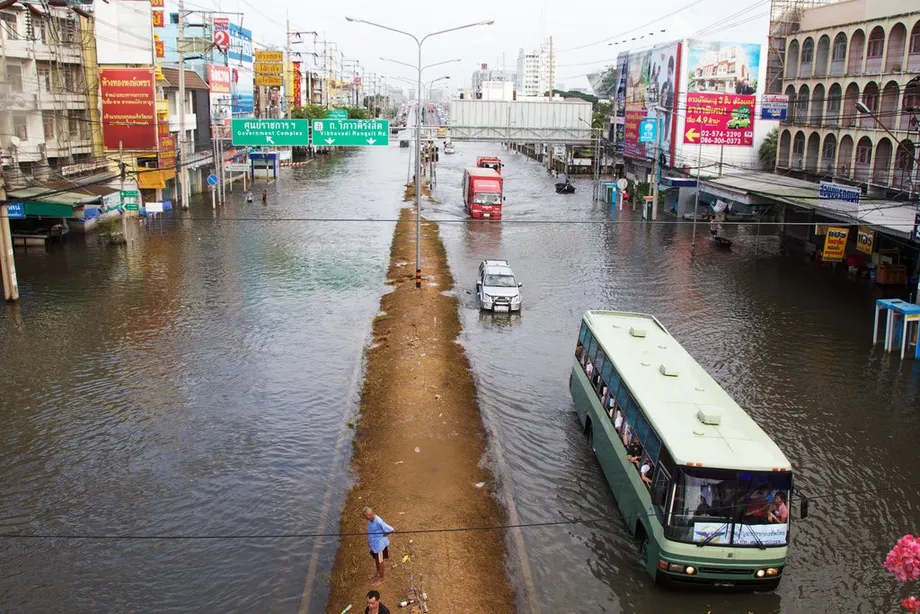
The payments come as flooding continues across 17 provinces and Bangkok. The latest update counted 336,668 affected households, or 1,017,515 people, across 56 districts, 385 subdistricts and 2,756 villages. Water levels were falling in most affected areas, while officials continued relief work and began assessing damage where conditions had improved.
Bangkok faces an additional administrative challenge. Deputy Governor Tavida Kamolvech said the capital had transferred its required financial contribution into the banking system, while officials worked through large numbers of applications needing document checks or visits to damaged homes.
The national payment total, the continuing flood count and Bangkok's application backlog measure different parts of the response: money already delivered, people still facing flooding and claims still moving through assessment. For a household waiting for assistance, the practical steps remain local certification, accurate payment information and completion of any further checks requested by officials.
How the Latest Transfers Work
The October 25 payment batch covers Chonburi in eastern Thailand and Suphan Buri in the central region. The department submitted information for 2,006 households to Government Savings Bank, which was due to begin transferring 15,142,000 baht from 11 a.m. The announcement described payments proceeding gradually, rather than every account receiving money at the same moment.
PromptPay allows a bank account to receive transfers through a registered identifier, such as a national ID number. For this relief programme, officials specified registration using the national ID. Households awaiting payment were advised to check both their application details and that registration.
The assistance is being distributed under a Cabinet resolution for the 2026 rainy season floods. Provincial authorities and Bangkok certify recipients, the disaster department forwards their information, and Government Savings Bank handles the transfers. Each stage has a different task, so submitting an application and receiving a bank payment are separate steps.
Two Days of Payments and the Next Deadlines
The October 25 batch followed a larger submission the previous day. At 9:30 a.m. on October 24, Nirat announced that information for 26,334 households had been sent for payments totalling 219,254,000 baht.
Those households were in Samut Prakan, Saraburi, Chanthaburi, Chachoengsao, Nakhon Nayok, Nakhon Pathom and Krabi. Transfers to accounts meeting the information and PromptPay requirements began from 11 a.m.
- October 23: A payment batch covered 37 provinces, with Bangkok absent from that batch.
- October 24: The department submitted 26,334 households in seven provinces for payments worth 219.254 million baht. Bangkok said its required contribution had entered the banking system.
- October 25: The department announced cumulative payments to 1,169,366 households and scheduled another 2,006 households in Chonburi and Suphan Buri.
- November 30: Bangkok's deadline for applications through its claims website.
- December: Bangkok's target month for completing all cases.
Bangkok also set a target of about two weeks from its October 24 update to complete checks on more than 100,000 cases requiring inspection. That creates an immediate assessment deadline ahead of the later application cutoff.
Bangkok's Extra Funding Step
Tavida explained the capital's payment timing during a visit to Don Mueang district office on October 24. Under the Cabinet resolution, she said, Bangkok alone was required to contribute its own budget, adding an approval and funding step before transfers could proceed.
Bangkok had completed that approval and transferred its contribution into Government Savings Bank's system, she said. Residents were expected to begin receiving money as early as the afternoon of October 24, or within one to two days. She also rejected suggestions of a dispute between Bangkok and the disaster department.
By October 25, the department's cumulative list of 54 covered jurisdictions included Bangkok. The capital was therefore part of the wider payment programme even though it had been absent from the October 23 batch.
Why Hundreds of Thousands of Claims Need Checks
Tavida described roughly one million applications through the Tang Rath app, divided into three colour groups. Green cases involved water surrounding homes and generally required a less complicated assessment. Yellow cases, numbering about 600,000, needed further document checks, especially where water had entered homes and damaged property.
Red cases numbered about 70,000 to 80,000 and had initially been assessed as outside the assistance criteria. Tavida said further help could be pursued through the required procedures if subsequent checks established that the location qualified and it was later formally declared a disaster area.
The yellow group represents about 60% of the roughly one million app applications she described. That scale helps explain why document checking remains a major part of the response even as bank transfers continue.
Officials had found repeated photographs, multiple applicants from the same home and rental properties where entitlement needed checking. Bangkok could therefore ask residents to confirm information or provide further documents. For families, those requests mean another step before a claim can be settled; for the administration, they help determine who should receive assistance for each household.
Home Inspections Face a Tight Schedule
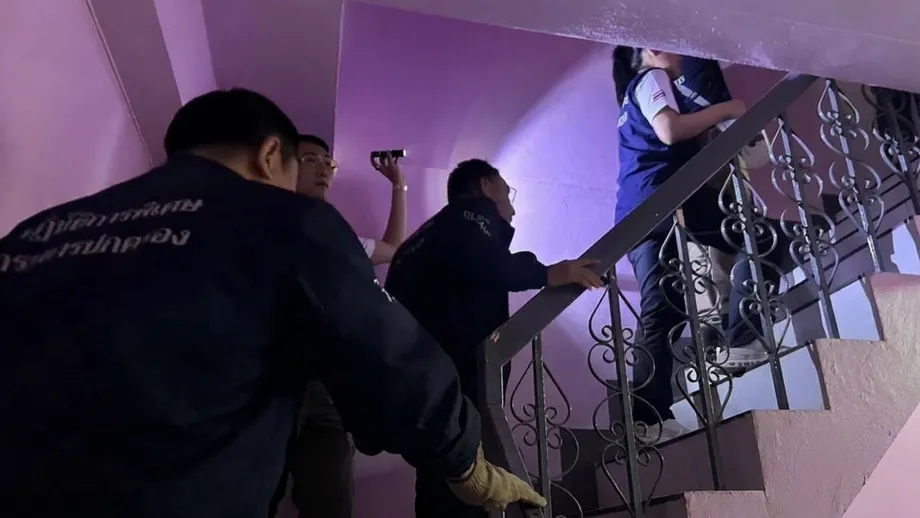
Bangkok's claims website had received nearly 150,000 applications, mostly for living assistance, according to Tavida. More than 100,000 cases required inspection. Assessment teams include at least two government officials, with a technical officer participating in every inspection, and damage values are checked against government reference prices.
The city has about 600 to 700 technical officers, but roughly 500 could be assigned to inspections because they also have other duties. Each home takes about 30 minutes to inspect.
Using 100,000 homes as a minimum, those figures imply more than 50,000 hours of inspection time. Spread evenly across 500 technical officers, that is more than 100 hours each. Completing that work in 14 days would require over seven hours of inspections per officer every day, before travel and paperwork. The calculation shows how demanding the city's two week target is.
Bangkok was also pursuing an amendment to a city ordinance so municipal funds could help pay for repairs to damaged items and materials alongside government assistance. Officials urged applicants to provide truthful documents and warned that false claims could lead to legal action.
More Than a Million People Still Affected
The latest national flood update counted 1,017,515 people affected, despite falling water levels in most locations. Nirat attributed the flooding to heavy or very heavy rain combined with water flowing from northern Thailand into already swollen waterways in the central region.
The department's October 24 assessment identified affected areas in Phitsanulok, Nakhon Sawan, Uthai Thani, Nakhon Nayok, Prachin Buri, Chachoengsao, Chonburi, Lop Buri, Suphan Buri, Kanchanaburi, Ang Thong, Phra Nakhon Si Ayutthaya, Samut Prakan, Nakhon Pathom, Ratchaburi, Samut Songkhram and Chumphon, as well as Bangkok.
Bangkok had the largest household count in that assessment: 168,203 across Lat Krabang and Nong Chok districts. That was about 46% of the October 24 total of 365,003 affected households. Phra Nakhon Si Ayutthaya recorded another 57,703 households across 11 districts, while Suphan Buri counted 24,619 across eight districts.
The October 24 provincial breakdown also recorded deaths, including 26 in Prachin Buri, nine in Samut Prakan, eight in Chachoengsao, six in Nakhon Nayok and four in Bangkok. Rescue, drainage and recovery operations continued alongside the financial assistance programme.
Falling Water Brings Recovery Work
Disaster authorities have deployed machinery to help residents, drain standing water and restore affected areas. Nirat instructed provincial disaster offices and regional centres to continue assistance while surveying damage and preparing recipient information where conditions were improving.
The work connects physical recovery with payment administration. Local officials must assess damage and document affected households while also helping communities recover. In Bangkok, inspections and checks on damaged property are already consuming substantial staff time.
Residents in areas at risk were urged to follow official announcements and remain alert for flash floods and sudden runoff. Falling water in one location can coincide with continuing flooding elsewhere, particularly where rain and water moving downstream affect different communities at different times.
How to Check a Claim and What Comes Next
Applicants using Tang Rath can open the 2026 flood relief registration service and view the My Applications section. People who applied through the app or in person at a local administrative organisation or Bangkok district office can also check their status through relief.disaster.go.th by selecting the registration check option and entering their national ID number with 13 digits.
The disaster department warned about fraudulent links and identified Tang Rath and its relief website as the two channels for checking the national programme's application status. Bangkok's separate claims website, claim.bangkok.go.th, has a November 30 application deadline.
The expanding payments follow an earlier warning about relief funding from Suphanat Minchaiynunt, a People's Party MP for Bangkok. On October 17, he said 5.215 billion baht had been spent from an allocation of 5.29 billion baht, leaving about 75 million baht while 1.7 million applicants awaited approval. He sought another 12 billion baht.
The October 25 cumulative payment total is 3.738 billion baht above the spending figure the MP cited eight days earlier. The department's latest update gave no revised budget ceiling, remaining balance or nationwide completion date. Bangkok's stated milestones are more specific: about two weeks for the large inspection workload, November 30 for website applications and December for completing all cases.
Key Points
- Flood relief payments reached 1,169,366 households, totalling 8,953.286 million baht across 54 jurisdictions, including Bangkok.
- Another 2,006 households in Chonburi and Suphan Buri were scheduled for payments worth 15.142 million baht from October 25.
- Recipients need accurate information and PromptPay linked to their national ID number.
- Flooding continued across 17 provinces and Bangkok, affecting 336,668 households and more than one million people.
- Bangkok faces more than 100,000 inspections and aims to complete all cases by December.
- Applications through Bangkok's claims website close on November 30.