Rising risk meets a widening screening gap
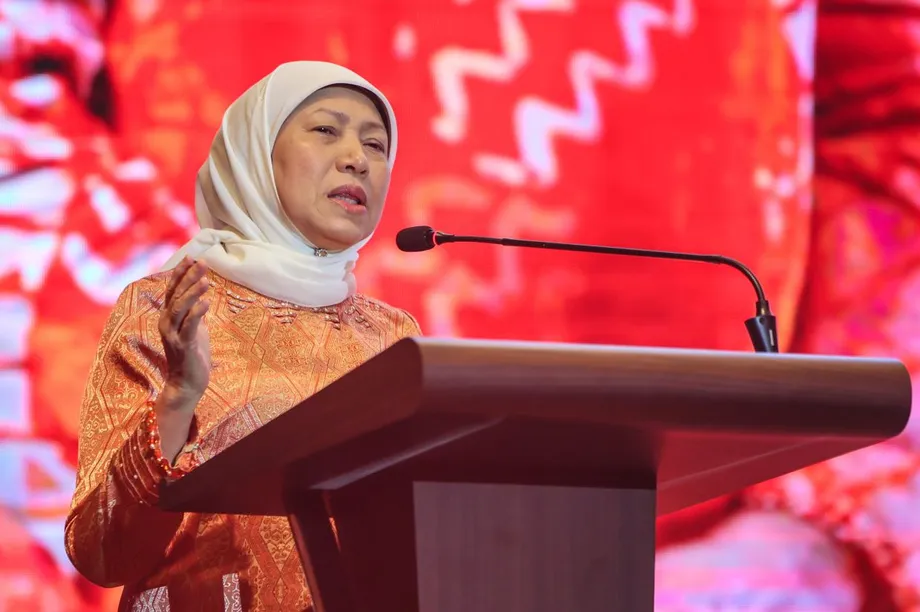
Malaysian women face a one in 23 risk of developing breast cancer, up from one in 27 previously, Women, Family and Community Development Minister Datuk Seri Nancy Shukri said in Kuching on October 25, 2026. More than half of breast cancer diagnoses are now made at stages three and four, while most women aged 40 and above have never had a mammogram.
Contents
- Rising risk meets a widening screening gap
- More than half of diagnoses come at advanced stages
- Recent mammogram participation has fallen
- Who can receive a subsidised mammogram?
- How to arrange screening and what happens next
- Why screening schedules vary between women
- More money, with demand still exceeding provision
- Another initiative targets women who face access barriers
- Genetic services remain a constraint
- Changes women are advised to act on
- Key Points
Speaking at Sarawak's Breast Cancer Awareness Month celebration, Nancy cited the Malaysian National Cancer Registry Reports for 2012–2016 and 2017–2021. Breast cancer remains the most common cancer among women in the country.
The change from one in 27 to one in 23 is equivalent to an increase from about 3.7% to 4.3%. These population estimates help describe the country's cancer burden. An individual woman's screening needs also depend on her age, family history and other risk factors.
Nancy said the National Health and Morbidity Survey (NHMS) 2023 found that 71% of women aged 40 and above had never undergone a mammogram. The survey also found that 46% of women aged 18 and above did not practise breast self-examination.
The minister linked low screening participation to the difficulty of finding cancer early:
"This low screening rate complicates early detection efforts, even though the survival rate for patients detected at an early stage can reach 95 per cent," she said.
Nancy did not specify the period measured by that survival figure. Her central message was that earlier diagnosis gives women a better chance of receiving effective treatment before cancer becomes more advanced.
More than half of diagnoses come at advanced stages
Registry figures cited by Nancy show that 50.5% of breast cancer diagnoses occurred at stages three and four in 2017–2021, compared with 48% in 2012–2016. That is an increase of 2.5 percentage points, taking the share from just under half to just over half.
Stage describes how far a cancer has developed or spread. Stages three and four are advanced disease, when treatment is generally more complex than for a cancer found early.
The Global Cancer Observatory's 2022 estimates recorded 8,371 new breast cancer cases among Malaysian women and 3,526 deaths that year. Those annual figures describe both the number of women newly facing the disease and the continuing burden of deaths.
Research also points to the importance of assessing younger women who have additional risks. A review of screening policy by Mila Nu Nu Htay, Tin Tin Su and Michael Donnelly, accepted in March 2024, found that approximately half of Malaysian breast cancer patients were diagnosed before age 50.
The review cited an age standardised incidence rate of 34.1 per 100,000 women in 2016. This measure adjusts for differences in population age, helping researchers compare cancer occurrence across populations or periods.
Recent mammogram participation has fallen
Only 12.8% of women aged 40 and above had undergone a mammogram during the three years preceding the 2023 survey, down from 21% in 2019. The decline was 8.2 percentage points, or about 39% relative to the earlier participation rate.
The 71% figure measures women who had never had the examination, while the 12.8% figure measures participation within a recent period. Together, they show a large group who have never been screened and limited uptake of recent screening.
Nancy discussed fear and lack of awareness at the national PINK CaRe Breast Cancer Awareness Campaign launch at the Penang Waterfront Convention Centre on October 21, 2026. She identified both as possible reasons women were staying away.
The minister described her own feelings while encouraging women to attend:
"Some women are unaware of the importance of screening, while others are afraid.
Even I feel afraid sometimes, but as women, we must have the courage to undergo these examinations," she said.
Malaysia's screening programme has struggled with participation for years. A national programme evaluation by Universiti Kebangsaan Malaysia researchers Zakiah Mohd Said and Rosnah Sutan examined Ministry of Health data from 2016–2020. Participation in clinical breast examinations was 25.8% in 2016 and 25.1% in 2020, reaching 29.1% in 2019 following active health promotion.
The researchers also found that mammogram participation among women at high risk fluctuated with awareness campaigns. The average annual proportion of confirmed breast cancer recorded in their screening analysis was 0.7%, reaching 1.17% in 2020. Their findings support sustained access and community participation rather than relying on occasional campaigns alone.
Who can receive a subsidised mammogram?
The National Population and Family Development Board (LPPKN), under Nancy's ministry, has operated the Mammogram Examination Subsidy Programme since 2007. The initiative was later strengthened through WeCaRe, which covers awareness of both breast and cervical cancer.
The government's English programme guide targets women aged 40–70 and gives priority to those at high risk. Screening takes place at mammogram centres registered with LPPKN, with free or subsidised examinations depending on household income.
The Malay programme guide gives the same age range and application routes. Both portal pages describe the household income threshold as below RM10,000 a month.
LPPKN's more detailed mammogram subsidy brochure lists Malaysian citizens and permanent residents aged 35–70, with additional conditions for women aged 35–39. It specifies full subsidy for household income of RM10,000 or below and a RM50 subsidy above that level, subject to eligibility criteria.
Nancy's October remarks also described free screening for eligible women aged 40–70 from households earning RM10,000 or less. Because the official information differs at the age and income boundaries, women aged 35–39 or earning exactly RM10,000 should confirm their eligibility with a Klinik Nur Sejahtera.
The brochure includes routes for women at high risk, those referred for diagnostic mammograms, screening before hormone replacement therapy and repeat screening under the programme. A diagnostic mammogram investigates a clinical concern; a screening mammogram looks for signs of cancer before symptoms appear.
How to arrange screening and what happens next
Women can contact or visit a nearby Klinik Nur Sejahtera or register through the eMammogram portal. LPPKN has 50 Nur Sejahtera clinics nationwide, and the subsidy initiative is supported by 67 accredited mammogram centres.
Eligible applicants undergo a clinical breast examination at a Klinik Nur Sejahtera before referral, according to the LPPKN brochure. A clinical examination involves a trained health professional examining the breasts. Mammography uses X-rays to look inside breast tissue.
The brochure says women may choose a participating mammogram centre that suits them. The examination takes about 10–30 minutes and is carried out by a female radiographer. Each breast is positioned between two plates so images can be taken from different angles, using a low level of radiation.
LPPKN advises women to avoid perfume, deodorant, powder or cream around the breasts and armpits on the examination day because these products can affect the images. Separate upper and lower garments make the examination easier.
An abnormal result leads to a consultation at an LPPKN clinic and referral to hospital for further assessment. A normal result leads to another appointment, generally after one or two years according to the programme's criteria. Receiving the result and attending any referral are essential parts of the screening process.
Why screening schedules vary between women
LPPKN's brochure recommends annual mammograms for its category A group. This includes women with a mother, sister or daughter who has had breast cancer, women carrying BRCA1 or BRCA2 mutations, and women whose breast biopsy has shown atypia.
BRCA1 and BRCA2 are genes in which certain inherited changes can increase cancer risk. Atypia means that cells examined in a tissue sample look abnormal. These findings help clinicians decide how closely a woman needs to be monitored.
The brochure recommends screening every two years for category B, which requires at least two listed risk factors. These include hormone replacement therapy, menstruation beginning before age 12, menopause after age 55 and obesity with a body mass index of at least 27.5.
The 2024 academic review describes broader Ministry of Health guidance that separates women into average, moderate and high risk groups. For women at average risk, it describes mammograms every two years from ages 50–74. Some women at high risk need earlier or more frequent examinations, while some carrying particular genetic variants are advised to have magnetic resonance imaging (MRI) as well.
The subsidy programme's eligibility rules determine access to financial help. A clinician's assessment determines the appropriate examination and interval for an individual woman. Women can use their clinic appointment to discuss their family history and agree on a screening schedule.
More money, with demand still exceeding provision
Budget 2027 raises the Mammogram Screening Subsidy Programme allocation from RM8 million to RM9 million, with about 38,000 women expected to benefit. The RM1 million increase represents a 12.5% rise.
Nancy acknowledged in Penang that the allocation was still insufficient to meet the needs of all eligible women. She said the ministry would seek additional funding if needed.
At the Kuching event, Nancy said 598,919 women nationwide had benefited from the programme as of September 30, including 90,075 in Sarawak, where 88 women tested positive for cancer. In Penang four days earlier, she gave a national total of 595,143 women screened and 1,334 confirmed breast cancer cases for the same cutoff date. The reason for the difference between the two national totals was not explained.
The Penang figures included 54,549 women screened in the state and 93 detected cases. These cumulative totals show that the programme has reached substantial numbers since 2007, while the survey findings show how many women still need access or encouragement to attend.
Another initiative targets women who face access barriers
The Adopt-A-Mammogram programme aims to provide free mammograms to 5,000 women aged 30–65 by December 2026. Deputy Health Minister Dato Hanifah Hajar Taib announced the target at the Pink October Breast Cancer Awareness Carnival at Terminal Bersepadu Selatan on October 24.
The programme prioritises women in the B40 group, meaning the lowest 40% of households by income, alongside shift workers and women living in rural areas. It involves the National Cancer Society Malaysia, the Transport Ministry, Terminal Bersepadu Selatan and other partners.
Hanifah said the Health Ministry had 50 mammography machines in its hospitals, while calling for wider access, especially in rural communities. She also called for support from families and employers to encourage women to attend screening.
The recent announcements set out the following sequence:
- 2007: LPPKN introduced its mammogram subsidy programme.
- October 20, 2024: Nancy promoted regular screening at Body Perfect's The Power of Pink 2024 event, citing the rise in advanced diagnoses.
- October 21, 2026: Nancy discussed falling participation and Budget 2027 funding at the national PINK CaRe launch in Penang.
- October 24, 2026: Adopt-A-Mammogram was launched with a target of reaching 5,000 women by December.
- October 25, 2026: Nancy highlighted the one in 23 risk estimate at Sarawak's awareness event in Kuching.
Genetic services remain a constraint
Malaysia's ability to provide screening tailored to risk depends partly on access to genetic assessment. Htay, Su and Donnelly's review reported that the country had only 11 clinical geneticists in 2022 and described genetic counselling services as limited.
The review also identified a substantial cost gap. The median amount women were willing to pay for genetic testing in one study was RM200, compared with an estimated Ministry of Health provision cost of RM1,500, or 7.5 times that amount.
Interest varied between studies and age groups: 41.7% among women aged 40–60 and 67.9% among women aged 19–26 expressed interest in testing. Counselling helps women understand what a result means for their care and their relatives.
The authors recommended validating a risk prediction model for Malaysian women and testing screening organised around individual risk through a pilot programme. They noted that Singapore began a pilot in 2021. Malaysia would also need sufficient trained staff, referral services and clear communication for women receiving different screening recommendations.
Changes women are advised to act on
LPPKN's brochure encourages monthly awareness of breast changes through looking, feeling and responding. It advises seeking medical attention for a lump, thickening, changes in breast shape or size, changes in skin colour or texture, unusual nipple discharge or persistent breast pain.
Women noticing such changes are advised to obtain medical advice promptly. A Klinik Nur Sejahtera can provide a clinical examination and a referral for further assessment. Women without symptoms can use the same clinics to ask about screening eligibility, subsidies and the schedule appropriate to their risk.
Malaysia's immediate task is concrete: help more women attend examinations, receive their results and complete further assessment when needed. The funding increase, clinic network and new outreach initiative provide routes into care, while the rise in advanced diagnoses shows why timely access matters.
Key Points
- Nancy Shukri said breast cancer risk among Malaysian women had risen from one in 27 to one in 23.
- Advanced diagnoses increased from 48% in 2012–2016 to 50.5% in 2017–2021.
- NHMS 2023 found that 71% of women aged 40 and above had never had a mammogram.
- Eligible women can seek subsidised screening through LPPKN clinics and registered mammogram centres.
- Budget 2027 increases programme funding to RM9 million, with about 38,000 expected beneficiaries.
- Adopt-A-Mammogram aims to reach 5,000 women by December 2026, prioritising lower income households, shift workers and rural residents.