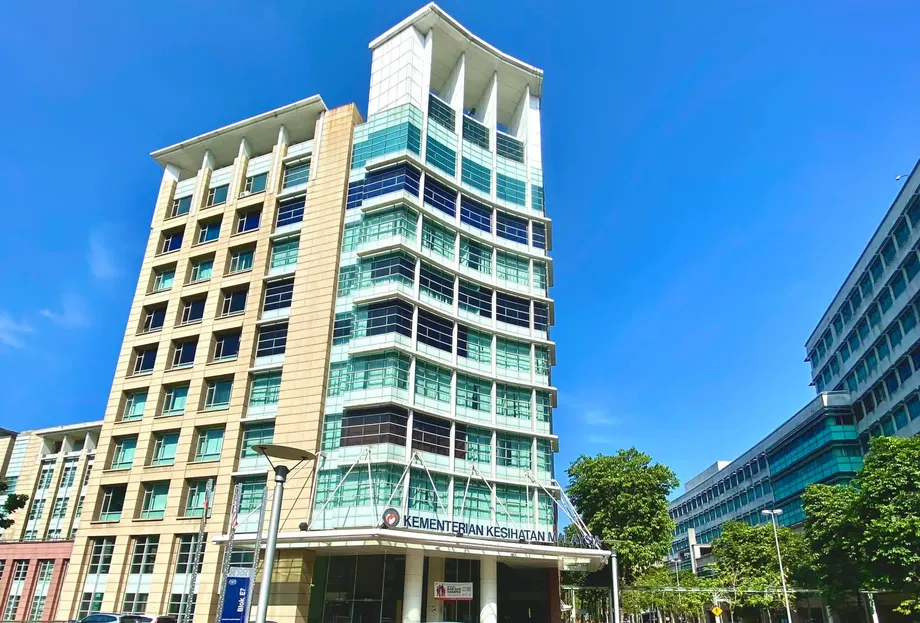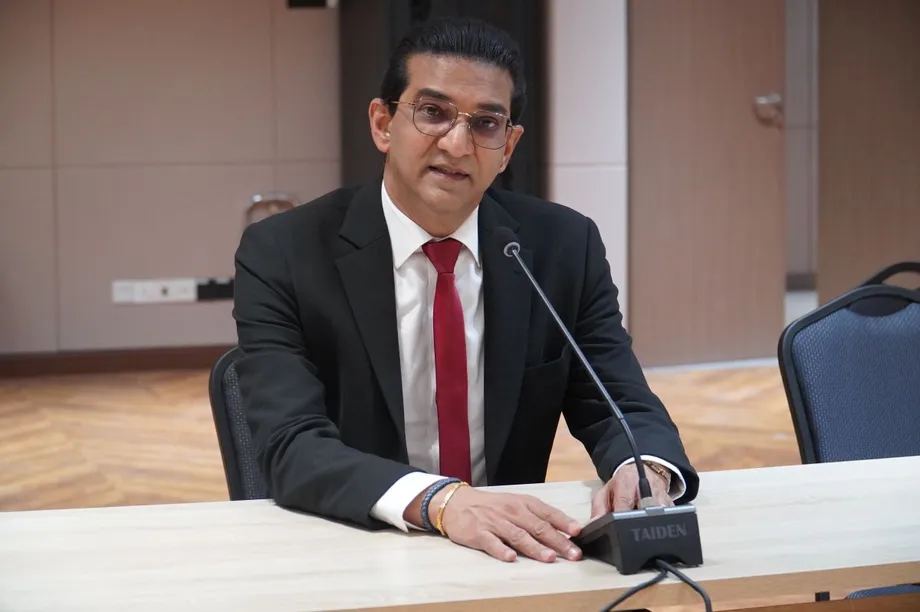
Thousands leave as hospitals seek more doctors
Malaysia's Health Ministry recorded 3,510 medical officer resignations between 2024 and 2026 while 13,072 doctor posts stood vacant as of June 30, Health Minister Datuk Seri Dr Dzulkefly Ahmad told Parliament. More than half of those who resigned moved to private employment, putting the focus on retaining doctors as well as recruiting them.
Contents
- Thousands leave as hospitals seek more doctors
- Where the departing doctors went
- A longer record shows changing resignation patterns
- Why permanent offers need to become filled posts
- Training places are available, but many are empty
- Pay and specialist careers are part of the response
- More control over posts, with a wider staffing challenge
- Six hospitals report shorter waits
- Doctors seek changes to hours and patient care
- Key Points
The vacancies comprised 11,412 posts for medical officers without specialist qualifications and 1,660 specialist posts. Contract doctors accounted for 2,258 resignations, compared with 1,252 among permanent doctors, meaning roughly 64% of recorded departures involved officers on contracts.
Dzulkefly disclosed the figures in a written parliamentary reply to V Ganabatirau, the Pakatan Harapan MP for Klang. Ganabatirau had asked about resignations, migration, specialist shortages, housemanship placements and efforts to keep doctors in public service.
The ministry appointed 14,064 medical officers on permanent terms and 9,847 on contracts during the same period. It also offered permanent appointments to 4,500 contract doctors in 2026. Yet earlier figures showing declining numbers of filled posts, alongside doctors failing to report for permanent appointments, reveal why recruitment announcements tell only part of the staffing story.
Patients are seeing some improvements despite the shortages. Six government hospitals reached a target of treating at least 70% of patients with non-emergency conditions within two hours, while attendance fell after selected public clinics extended their opening hours. Malaysia is trying to keep more doctors in government service while directing patients toward facilities that can treat them sooner.
Where the departing doctors went
Private employment accounted for 51.4% of medical officer resignations, followed by personal reasons at 36.8%. Together, those categories represented 88.2% of departures. Working or settling overseas accounted for a much smaller share, at 2.9%.
The remaining reasons were employment with statutory bodies at 4.5%, health problems at 2.6%, further studies at 1.5% and opening a clinic at 0.3%. Statutory bodies are public organisations established under legislation, with employment arrangements that can differ from ministry service.
Dzulkefly also recorded eight medical specialists who resigned or migrated overseas during the period. Another parliamentary reply counted 1,257 medical and dental specialists leaving public service between 2023 and 2025: 359 in 2023, 420 in 2024 and 478 in 2025. Those figures cover different periods and professional groups; the precise scope of the latest eight cases was not explained.
The ministry has said it has no legal provisions to stop medical officers seeking private employment or to prevent recruitment by private employers and registered foreign talent search agencies. Its response therefore centres on pay, career security, training and working conditions.
A longer record shows changing resignation patterns
A written Dewan Negara reply dated August 4 to Senator Robert Lau Hui Yew recorded 6,212 medical officer resignations between 2021 and 2025. Of those, 4,380 involved contract doctors and 1,832 involved permanent doctors.
Contract resignations fell from a peak of 1,354 in 2022 to 577 in 2025, a reduction of about 57%. Permanent resignations moved in the opposite direction, increasing each year from 238 in 2021 to 498 in 2025, more than doubling over that period.
A reply to Mohd Nazri Abu Hassan, the Perikatan Nasional MP for Merbok, gave the annual medical officer totals for 2023 to 2025: 1,283, 1,153 and 1,075 respectively. Those add up to 3,511, compared with 3,510 for the later, overlapping period of 2024 to 2026.
The overlapping periods make the totals unsuitable for addition. The annual figures offer the more useful comparison: fewer contract doctors were formally resigning by 2025, while the number of permanent doctors resigning was rising.
Why permanent offers need to become filled posts
Permanent appointments rose sharply from 329 in 2021 to 3,215 in 2022 and 5,489 in 2023, before reaching 4,057 in 2024 and 4,518 in 2025. Permanent employment gives doctors greater career security than a contract with an end date, making it a central part of the retention effort.
Getting an appointment accepted has been another challenge. Parliamentary figures recorded 78 doctors failing to report for permanent appointments in 2022, about 2% of offers, followed by 1,118 in 2023, about 20%. Dzulkefly told Parliament in March that about 40% nationwide had failed to report for permanent appointments.
Doctors who decline permanent posts may later leave when their contracts expire. Such departures can occur without a formal resignation, so workforce planning also needs to track contract endings and whether appointees actually begin work.
Deputy Health Minister Hanifah Hajar Taib forecast that half of doctors offered permanent posts in Sabah could fail to report. For the state, filling an approved position depends on a doctor taking up the posting, as well as the government issuing the offer.
Filled permanent and contract medical officer positions fell from 54,632 in 2022 to 43,713 in 2025, a decline of 10,919, or about 20%. That fall shows why retaining existing staff and securing acceptance of new appointments matter alongside the number of offers issued.
Training places are available, but many are empty
Dzulkefly said eligible medical graduates faced no waiting list for housemanship. Housemanship is the supervised practical training graduates undertake before progressing to work as medical officers.
The ministry had 12,198 housemanship training positions across 48 hospitals, with 6,580 filled. Occupancy was about 54%, leaving 5,618 training positions unfilled. Dzulkefly said the figures showed sufficient training capacity for eligible graduates.
Housemanship capacity and medical officer vacancies concern different stages of a doctor's career. Hospitals need both enough places to train new graduates and enough doctors who complete training, enter service and remain in the locations and specialties where they are needed.
Malaysian Medical Association president Dr Sivanaesan Letchumanan added another measure of recruitment into training: only 529 housemanship positions offered in January were filled. His Budget 2027 proposals called for funding to support the government's plan to give eligible house officers permanent positions after housemanship, targeted for implementation by 2028.
Pay and specialist careers are part of the response
The ministry's retention measures include a starting salary of RM5,380 for Grade UD9 medical officers, with annual increments of RM225. It also cited allowances of RM80 per hour for specified locum duties and elective surgery work. Locum duties are additional clinical shifts, including work outside normal office hours.
A previous parliamentary reply announced a 40% increase in the medical officer on-call allowance from October 1, 2025. On-call work covers duties outside ordinary working hours, when hospitals still need doctors available to assess and treat patients.
For specialists, the ministry cited Federal Training Award sponsorship for subspecialty training. A subspecialty is a narrower field within a specialty, allowing a doctor to develop deeper skills in a particular type of illness or treatment.
Dzulkefly also pointed to master's programmes and parallel training pathways under amendments to the Medical Act 1971. These routes form part of the effort to increase the number of specialists available to the health service.
The MMA wants previous contract service recognised when calculating seniority and salary progression. It also proposed specialist promotion assessments based on 80% objective, measurable criteria and 20% structured professional assessment, with consultants assessed for promotion by their tenth year after formal recognition as specialists.
More control over posts, with a wider staffing challenge
The Public Service Department established a Health Ministry workforce management task force in April. On July 9, 2026, it authorised the ministry to manage, organise and distribute its approved posts, aiming to speed up recruitment and the allocation of staff.
The Health Ministry and Higher Education Ministry have also begun coordinating the supply of healthcare workers with current needs. This connects decisions about education and training with the staffing requirements of hospitals and clinics.
The sequence of measures and proposed next steps includes:
- October 1, 2025: the announced starting date for a 40% increase in medical officer on-call allowances.
- April 2026: establishment of the workforce management task force.
- July 9, 2026: greater authority for the Health Ministry to manage approved positions.
- Budget 2027: the MMA's requested funding response to staffing and retention problems.
- 2028: the target cited for permanent appointments for eligible doctors after housemanship.
The staffing challenge extends beyond doctors. Dr Sivanaesan cited Public Service Department figures presented to the Parliamentary Special Select Committee on Health showing ministry vacancies rising from 10,419 in 2017 to 54,362 in 2024. The proportion of posts filled fell from 96% to 83%.
Those figures cover the ministry's wider workforce, while the latest 13,072 vacancies concern doctor posts. The MMA also cited nursing vacancies of about 18% and a national shortage of nearly 11,000 specialists, a broader measure of need than the ministry's 1,660 vacant approved specialist posts.
Six hospitals report shorter waits
Dzulkefly gave the hospital waiting figures in a reply to Dr Zulkafperi Hanapi, the independent MP for Tanjong Karang. All six hospitals reached the target of treating at least 70% of patients in the green zone, the category for non-emergency cases, within two hours. Previous average waits were four to six hours.
Raja Permaisuri Bainun Hospital in Ipoh recorded the highest proportion at 98.61%. Ampang Hospital followed at 88.78%, Selayang Hospital at 74.1%, Sultanah Aminah Hospital in Johor Bahru at 73.2%, Tengku Ampuan Rahimah Hospital in Klang at 72.2% and Kuala Lumpur Hospital at 71.8%.
Selected government clinics extended their hours until 9pm on weekdays and from 8am to 1pm on weekends and public holidays. Dzulkefly said attendance at the six major hospitals then fell by 9%, as patients with minor ailments had another place to seek care.
All eight initiatives under the special task force addressing hospital overcrowding had been implemented by June. Measures included purchasing treatment from private general practitioners, improving patient flow and expanding digital screening before clinic visits to 545 health clinics.
Doctors seek changes to hours and patient care
The MMA's Budget 2027 proposals place working conditions alongside salaries and permanent jobs. The association called for working arrangements aligned with the 45-hour weekly standard under the Public Service Remuneration System, known as SSPA, including protected rest after continuous shifts lasting 24 hours.
Dr Sivanaesan, the MMA president, linked staff fatigue directly to the care patients receive:
An exhausted, overstretched and poorly supported workforce cannot sustain a safe healthcare system. The safety of healthcare workers is directly linked to patient safety.
The association also proposed a national workforce dashboard involving the Health Ministry, Finance Ministry, Public Service Department and Higher Education Ministry. It would track vacancies, staff distribution, training capacity and departures, bringing together information currently presented through different measures and reporting periods.
Private clinics form another part of its proposals. The MMA wants Malaysia's more than 11,000 private general practitioner clinics included in a national healthcare network for screening, treatment, follow-up and monitoring. It also proposed a Private Healthcare Development Division and RM10 million to put private healthcare registration and licensing on a single digital platform.
Other requests included greater investment in primary care for conditions such as diabetes and hypertension, and more funding for the Flying Doctor Service after a helicopter tragedy claimed five lives. The association called for support for aircraft, maintenance, equipment and operations, alongside a review of personnel allowances unchanged since 1978.
Malaysia's immediate task is to turn training capacity, appointment offers and approved positions into staffed services. The hospital results show that longer clinic hours and changes to patient flow can ease pressure now. Keeping doctors in public employment remains central to sustaining those gains.
Key Points
- The Health Ministry recorded 3,510 medical officer resignations between 2024 and 2026; 51.4% moved to private employment.
- Doctor vacancies totalled 13,072 as of June 30, including 1,660 specialist posts.
- Filled medical officer positions fell from 54,632 in 2022 to 43,713 in 2025.
- Housemanship occupancy stood at 54%, with 6,580 of 12,198 training positions filled.
- The ministry offered permanent appointments to 4,500 contract doctors in 2026 and gained greater control over approved posts.
- Six hospitals met the target for treating at least 70% of non-emergency patients within two hours.
- The MMA is seeking Budget 2027 action on retention, working hours, career progression and workforce planning.