Training priority targets a gap of 382 doctors
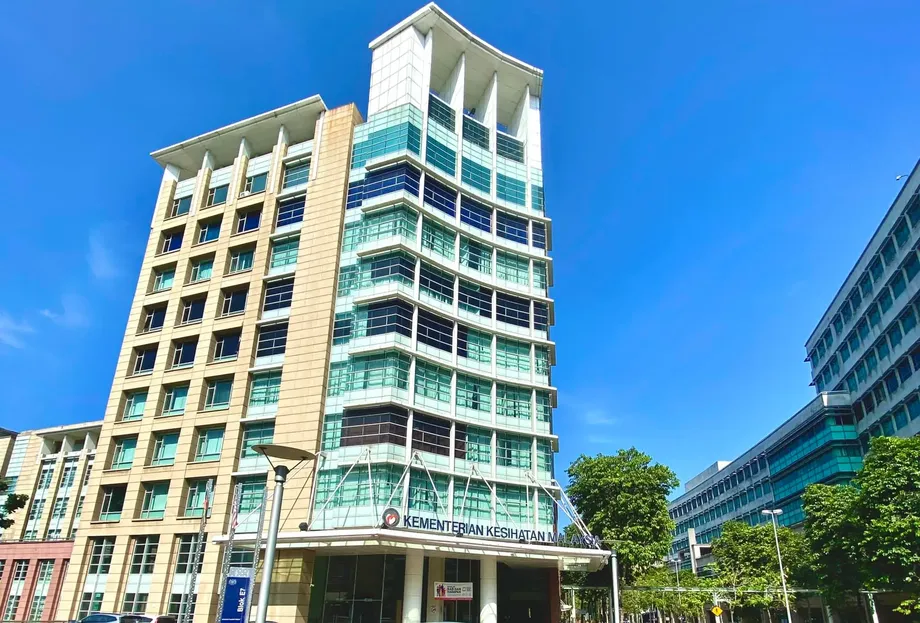
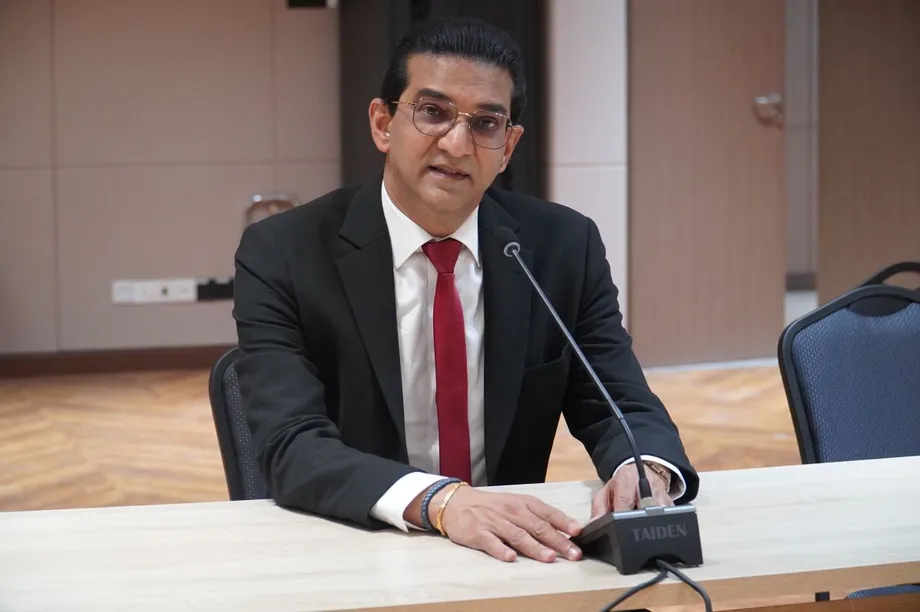
Malaysia plans to reserve 30 per cent of specialist training places for medical officers serving in Sabah and Sarawak after 382 doctors offered permanent appointments in the two states failed to report for duty. Health Minister Dzulkefly Ahmad announced the measure in the Dewan Rakyat on October 8, directing the Ministry of Health to study and implement it.
Contents
- Training priority targets a gap of 382 doctors
- What the placement figures actually show
- Why permanent appointments are being declined
- Lawmakers want priority beyond the quota
- Relocation support does not settle the pay debate
- Hospital accounts show uneven staffing pressure
- Doctors seek a measure of net staffing
- Clearer postings and more local doctors
- The placement timeline and unresolved decisions
- Key Points
The state figures show that 337 of 527 officers offered appointments in Sarawak reported for duty, alongside 336 of 528 in Sabah. Together, that amounts to 673 arrivals from 1,055 offers, leaving more than one in three appointments unfilled by the intended recipients. The figures were reported as current to October 7.
The proposed training allocation was described as approximately 500 of 1,650 Hadiah Latihan Persekutuan (HLP) places. HLP is the federal training scholarship scheme associated with further professional study. Exactly 30 per cent of 1,650 is 495, making the description of roughly 500 places consistent with the announced share.
The policy addresses a concern repeatedly raised by doctors considering placements in East Malaysia: that accepting a rural or distant posting could restrict their chances of becoming specialists. The ministry also plans to give additional merit to officers with previous service in Sabah and Sarawak when considering specialist training and study leave applications.
However, the announcement does not establish when the reserved places will become available, how eligibility will be defined, or how they will be divided between disciplines and the two states. Medical representatives and lawmakers are also pressing for better pay, clearer posting terms and staffing figures that show whether hospitals actually gain doctors.
What the placement figures actually show
The detailed state totals produce a reporting rate of 63.8 per cent and a failure to report rate of 36.2 per cent. Rounded to whole percentages, those figures are 64 per cent and 36 per cent. Sarawak recorded 190 officers who did not report, while Sabah recorded 192.
Reports nevertheless differ on the headline numbers. Several accounts of the parliamentary answer give a reporting rate of 63 per cent. Another gives 669 arrivals from 1,055 offers, even though its accompanying state figures add up to 673. A separate account gives 673 arrivals from 1,056 offers. The consistent state breakdown supports the total of 673 from 1,055, but the conflicting figures require clarification.
The comparison with earlier years is also inconsistent. The minister was reported as saying the failure to report rate improved by five percentage points from 42 per cent in 2025. Another account associates the 42 per cent figure with 2020 to 2025, while a further report describes a 4.38 per cent rise in the reporting rate.
Using 42 per cent and the current calculated rate of 36.2 per cent gives a decline of about 5.8 percentage points. That supports the broad finding of improvement, but it does not resolve the differences in the reported comparison periods or calculations. The distinction matters because a change in percentage points is not the same as a percentage increase or decrease.
Why permanent appointments are being declined
Dzulkefly identified a combination of family, financial and professional concerns behind rejected appointments. Doctors cited separation from family, responsibilities for parents or siblings, health problems, relocation costs and logistical difficulties. Some preferred urban facilities or were unwilling to serve in rural and interior areas.
Career uncertainty was another recurring concern. Officers questioned whether they would have sufficient access to specialist training and whether they could later transfer to Peninsular Malaysia or their home regions. A permanent appointment can provide employment stability without resolving uncertainty about where a doctor will live or how long the posting will last.
Dzulkefly, the health minister, acknowledged the difficulties faced by officers who declined placements:
These are genuine challenges that we do not take lightly.
Pulai MP Suhaizan Kayat raised the issue during Minister's Question Time, asking about the number who failed to report, their reasons and the ministry's response. He said a parliamentary committee visit to Sabah had identified heavy workloads, geographical difficulties, unattractive incentives and poor working environments as possible deterrents.
He also described specialists and medical officers sharing a consultation room at a Kota Kinabalu hospital. Dzulkefly said the ministry considered staffing shortages, training difficulties and facility constraints, while pointing out that crowded consultation rooms also occur in Peninsular Malaysia. The training quota addresses one part of this problem, rather than the full range of conditions affecting acceptance.
Lawmakers want priority beyond the quota
Bandar Kuching MP Dr Kelvin Yii welcomed the proposed allocation but urged the government to give broader priority to doctors serving in Sabah and Sarawak. His proposal would extend additional weight to applications for local university Master's and specialist programmes, rather than limiting recognition to the reserved HLP places.
Yii, a doctor and member of Parliament representing a Sarawak constituency, set out that request:
I urge the ministry to go beyond the 30 per cent quota, where all doctors posted to Sabah and Sarawak should be given priority or added weightage in their application for Master’s and specialisation programmes in our local universities, not merely tied to that 30 per cent quota,
He accepted that exceptions could be needed if there were too few suitable candidates from the two states in particular disciplines, or an urgent national need for specialists in areas such as cardiothoracic surgery and neurosurgery. His position therefore combines preferential recognition for service in areas of greatest need with flexibility over specialist demand.
The ministry's separate promise of additional merit for previous service could potentially reach doctors outside the reserved allocation. However, no detailed scoring rules, qualifying service duration or application timetable were announced. It is also unclear how the quota and additional merit will operate together.
Relocation support does not settle the pay debate
The ministry says eligible transferred officers can receive 100 per cent of applicable transfer allowances, covering meals, hotel accommodation or lodging, travel fares and the transport of personal belongings. Full relocation cost coverage was reported to have taken effect in 2025. Officers returning to their home regions may also qualify for a disturbance allowance equal to one month's basic salary.
Other reported support includes housing allowances of RM830 to RM1,300, a RM360 allowance, specialist allowances of RM500 to RM2,500, and incentives of RM500 to RM1,500 a month for remote postings, depending on location and hardship. These categories have different eligibility conditions and should not be read as a package every medical officer receives. Specialist allowances, in particular, do not automatically apply to officers seeking specialist training.
The Regional Incentive Payment (BIW) remains disputed. It changed from a payment calculated as a percentage of salary to a fixed rate in December 2024. One medical officer said receiving RM360 in BIW was accompanied by the loss of RM300 in Bantuan Imbuhan Sara Hidup (BISH), leaving an additional RM60. That is an individual account, not a verified calculation for every officer.
Yii called for either restoration of the progressive BIW structure or an increase in the allowance. He also pointed to fewer opportunities for rural East Malaysia doctors to earn supplementary income through locum work, meaning temporary paid shifts at other facilities.
Explaining his concern about the financial difference between postings, Yii said:
If there is little difference in pay between serving in the Klang Valley and serving in a rural clinic in Sabah or Sarawak, there is no real incentive to go,
Hospital accounts show uneven staffing pressure
Reports from individual facilities suggest that statewide acceptance rates can conceal severe local shortages. Social media accounts described no medical officers reporting for the placement exercise at Kanowit, Keningau, Beluran and Sipitang hospitals. These accounts are not a verified final staffing census, and some were recorded before the October 7 reporting deadline.
At Sri Aman Hospital, six of 20 assigned medical officers had reportedly arrived by 10:45am on September 28. That represented 70 per cent absent at that point, not necessarily the final outcome. The Kudat regional health office reportedly received four doctors from 17 postings, equivalent to about 76 per cent failing to report.
Beluran Hospital was reportedly being covered by six doctors, while Sipitang had eight. Ranau Hospital was said to have six medical officers remaining after three doctors rejected offers and one reported. Accounts from Keningau described five officers in surgery, eight in medicine, six in orthopaedics and six in paediatrics.
Other examples show why arrivals cannot automatically be counted as extra staff. Miri Hospital reportedly had 35 officers report for permanent appointments, but only 16 were new to the facility. Its paediatrics department reportedly received two new officers. At the Kapit divisional health office, nine doctors reportedly transferred out while two came in, a net loss of seven through those movements.
Those figures describe different institutions and reporting moments, so they cannot be combined into a reliable regional total. They nevertheless identify the practical question the ministry's headline figures do not answer: which hospitals and clinics gained working capacity, and which lost it.
Doctors seek a measure of net staffing
Malaysian Medical Association (MMA) president Dr Sivanaesan Letchumanan said feedback from the association's Sabah branch suggested some hospital departments were experiencing net reductions in medical officers. Doctors were reportedly undertaking calls every alternate day, with continuous duty lasting up to 33 hours.
Discussing the difference between appointments and actual staffing, Sivanaesan said in an MMA statement:
While we welcome the reported progress, feedback received from our Sabah branch suggests that the figures may not reflect the actual staffing situation on the ground.
The association wants the ministry to clarify whether the arrival figures include Sabah born doctors and officers originally from Peninsular Malaysia who were already serving in Sabah and chose to remain. Converting an existing officer from a contract position to a permanent appointment improves employment security, but does not by itself increase the number of doctors at that facility.
MMA requested deployment details by hospital and clinic, the origins of officers who reported, and counts of doctors moving from Sabah to Peninsular Malaysia. It also sought separate figures for Sabah born officers leaving the state and Peninsular officers returning to the Peninsula.
Its proposed national health workforce distribution dashboard would show regularly updated staff numbers, distribution and staffing gaps across public facilities. The central measure would be the net increase or decrease at each location, accounting for both arrivals and departures, rather than simply the number accepting permanent appointments.
Clearer postings and more local doctors
The ministry says it has upgraded ePlacement, using algorithms to determine postings, and is issuing decisions earlier with briefings to give officers more time to prepare. An algorithm is a set of rules used to process information and make allocations. Its use alone does not establish whether postings match family circumstances, career plans or the most urgent facility needs.
Yii proposed that posting letters specify both the exact location and the duration of service from the outset. He said letters sometimes identify only the state, leaving doctors uncertain about the region or clinic where they will work. He also urged federal and state governments to accelerate repairs and upgrades to staff quarters, especially in rural areas.
Ajulahin Japin, president of the Sabah Medical Services Union and the federation of health ministry trade unions known as MAPSU, proposed a longer term response: train more doctors from Sabah. He said local graduates were generally more willing to serve in their home state, but their numbers were insufficient to fill existing vacancies.
MAPSU, which brings together 29 unions, said its survey found reluctance among some Peninsular doctors to accept Sabah postings, particularly in rural areas. No survey sample size or detailed results were given. Ajulahin also proposed exposing Peninsular graduates to Sabah through housemanship, the supervised practical training undertaken before becoming medical officers.
Ajulahin cited earlier BIW rates of 17 to 25 per cent of basic salary and a rural allowance of about 10 per cent, calling for incentives to be reconsidered. His proposals remain recommendations, rather than announced recruitment or training commitments.
The placement timeline and unresolved decisions
The 2026 placement exercise involved several dates and stages. Reporting initially occurred under contract status, with permanent appointments taking effect later, a procedure intended to allow officers to claim transfer expenses.
- June 2026: Of 39 doctors posted to Sabah in the intake, 20 reported for duty, according to Deputy Health Minister Hanifah Hajar Taib.
- August 20: Results of the second phase of the ePlacement intake were issued.
- September 28: Officers were scheduled to report to their new facilities under contract status.
- October 5: Permanent appointments were scheduled to take effect.
- October 7: The ministry's extended deadline for officers who had not reported expired. The state figures recorded 382 absent officers by that date.
- October 8: Dzulkefly announced the specialist training quota in Parliament.
The national totals also need reconciliation. One account describes a plan for 4,500 permanent medical officer appointments in 2026, comprising 328 in June and 4,172 in October. Another gives 4,255 offers for Phase 2 through ePlacement. These are different figures, and no explanation establishes whether they reflect revised allocations or different categories.
Historical accounts describe 78 officers failing to report in 2022, around 2 per cent of offers, and more than 1,100 in 2023, around 20 per cent. A further figure of 40 per cent nationally after 2023 lacks a precise comparison period. These numbers suggest the problem extends beyond East Malaysia, but do not provide a consistent annual series.
The Dewan Rakyat session was scheduled to continue until December 8. No specific date was announced for implementation of the quota, publication of facility staffing data or decisions on revised allowances. The immediate unresolved issues are how training priority will work and whether it will help hospitals retain enough doctors alongside improved posting, housing and pay arrangements.
Key Points
- The ministry plans a 30 per cent specialist training quota for medical officers serving in Sabah and Sarawak, described as roughly 500 of 1,650 HLP places.
- The state breakdown records 673 doctors reporting from 1,055 offers, with 382 failing to report by October 7.
- Reports differ on headline totals, reporting percentages and the comparison with earlier years.
- Relocation assistance is available, but lawmakers and unions want better recurring incentives, clearer service terms and improved staff quarters.
- MMA wants staffing changes measured at each hospital and clinic, including departures and officers already working there.
- The quota's start date, detailed eligibility rules and allocation across specialties have not been announced.