Assurance on prosecution, but no immediate deadline relief
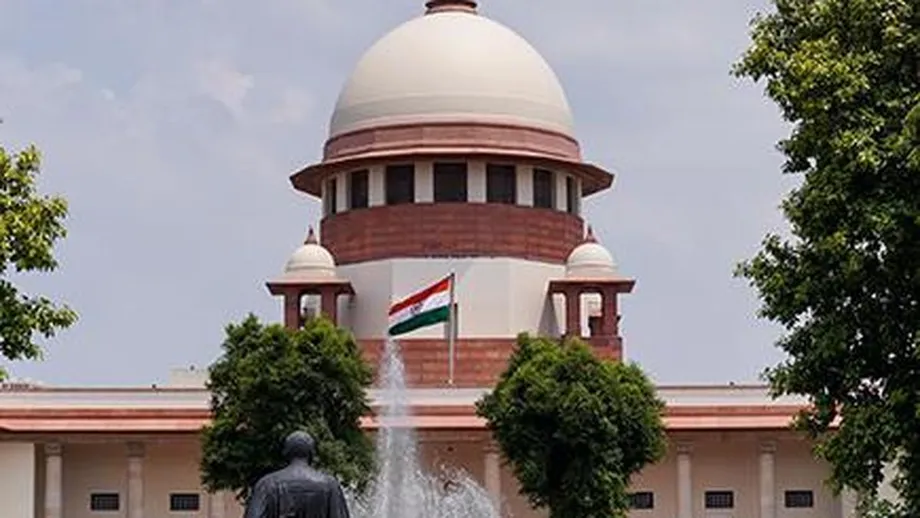
The Supreme Court of India on October 26, 2026, orally assured Maharashtra voters removed during the Special Intensive Revision (SIR) that they would not face prosecution merely for submitting Form 6 to seek registration again. The court sought the Election Commission of India's response to a petition alleging that about 3 crore of the state's 9 crore voters had been left out of the draft electoral rolls.
Contents
- Assurance on prosecution, but no immediate deadline relief
- What the deletion figures mean
- Redevelopment puts Mumbai and Pune residents at risk
- Why Form 6 is at the centre of the dispute
- What the court agreed to consider
- The dates that matter
- How the Delhi dispute connects
- What changes for affected voters
- Key Points
A bench headed by Chief Justice of India Surya Kant, and including Justice Joymalya Bagchi, scheduled the case for November 5. It declined to immediately extend the deadline for claims and objections or stop publication of the final voters' list without first hearing the Election Commission.
Senior advocate Arvind Datar, representing petitioner Arun Anandagiri, said the paperwork created a problem for people who had already been registered. They were being asked to use a form intended for new voters, raising concern about signing a declaration that did not match their voting registration history.
Chief Justice Kant responded directly to that concern:
Nobody will be prosecuted.
The assurance was an oral observation during the hearing. The court left the request for a different restoration process and additional time for consideration when the Election Commission responds.
What the deletion figures mean
Datar told the court that nearly 3 crore voters had been struck off from an electorate of 9 crore. In the Indian numbering system, one crore equals 10 million, putting the alleged exclusions at about 30 million people out of 90 million, or roughly one in three.
The petitioner also attributed 1.22 crore exclusions to a category described as "logical discrepancy." That represents about 12.2 million entries and roughly 41% of the alleged 3 crore exclusions. The court sought the Election Commission's reply to these allegations; its explanation of the figures and the checks behind them was not given at this hearing.
Figures released by Maharashtra's Chief Electoral Officer put the state's electorate at around 9.78 crore. During house-to-house enumeration from June 30 to August 17, 7.71 crore electors, or 78.85%, submitted filled and signed Enumeration Forms. The remaining 2.07 crore electors were categorised as "Uncollectable EF" under the prescribed norms, based on the factual status recorded during the exercise. These figures concern collection of Enumeration Forms; they do not explain the alleged 1.22 crore exclusions under "logical discrepancy."
An electoral roll is the official list of people registered to vote. A draft roll is published so that people can check their entries and seek corrections before the list is finalised. For a person omitted from that draft, the claims process is the route to asking officials to include their name.
Datar's argument concerned both the scale of the alleged exclusions and whether the restoration process was workable. Millions of applications would require time for voters to gather documents and for election officials to examine them.
Redevelopment puts Mumbai and Pune residents at risk
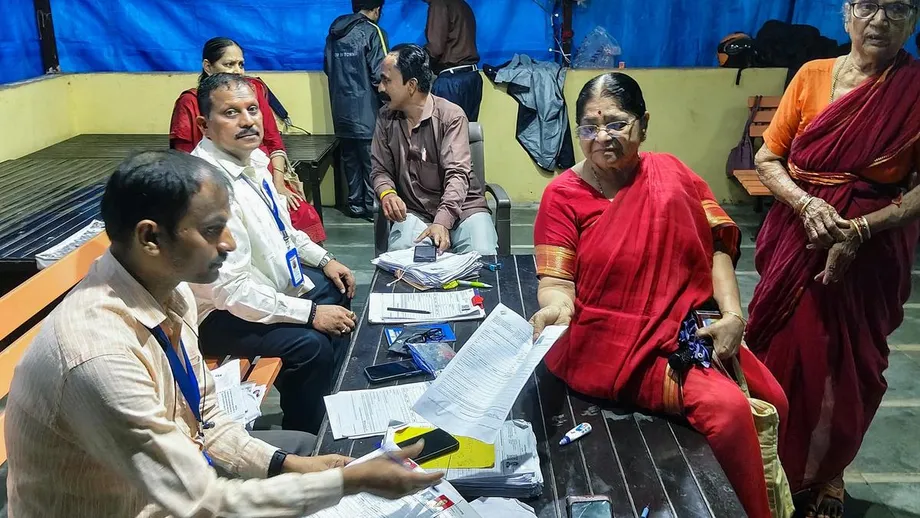
Mumbai and Pune were central to the petitioner's explanation of how previously registered voters could disappear from the rolls. Datar said residents had moved out of old buildings because redevelopment projects required their homes to be demolished and rebuilt.
Election checks at an old address could then record a resident as absent or as a "person not found." Datar argued that people displaced by redevelopment were losing their entries because their current location and earlier registration details could not be matched.
Datar's project tally was given as 3,500 in Mumbai and 1,500 in Pune; a combined figure of about 3,500 projects across the two cities was also attributed to his submission. His central claim was that redevelopment had relocated thousands of residents whose registration needed attention.
Datar, the senior advocate representing Anandagiri, described the alleged extent of omissions in the two cities:
In Pune and Bombay, 40% voters are not there,
Bombay is the former name of Mumbai. For affected residents, the immediate issue is whether election records accurately reflect their circumstances while they are living away from buildings undergoing redevelopment.
Why Form 6 is at the centre of the dispute
Form 6 is used to apply for inclusion in an electoral roll and is headed "Application Form for New Voters." The dispute concerns its declaration about applying for inclusion for the first time, which previously registered voters say does not fit a request to restore a deleted entry.
The same wording featured in the Delhi Form 6 challenge, where petitioners challenged the requirement imposed on voters excluded during that city's revision. The form's declaration states: "I am applying for inclusion in Electoral Roll for the first time and my name is not included in any Assembly Constituency/Parliamentary Constituency."
Datar described the Maharashtra problem in terms of asking people who had voted before to register as fresh voters. The declaration concerns applying for inclusion for the first time. A person may have been registered before without ever casting a ballot, so the practical question is how to record an earlier registration accurately.
Form 6 also carries a warning concerning false statements under Section 31 of the Representation of the People Act, 1950. Datar argued that previously registered voters should have a separate form or process, allowing them to seek restoration without making a declaration intended for a first application.
What the court agreed to consider
The Supreme Court issued notice to the Election Commission in Arun Anandagiri v. Election Commission of India, W.P.(C) No. 1330/2026. Issuing notice requires the respondent to answer the petition and gives the court an opportunity to hear its position before deciding the requests.
Anandagiri sought more time for claims and objections, a halt to finalisation of the rolls while the court considered the dispute, and a suitable route for previously registered voters to recover their entries.
The bench declined immediate orders extending the claims period or restraining publication of the final list. It nevertheless left open the possibility of extending the deadline after hearing the matter, including if people needed more time to submit documents.
Datar told the court that Maharashtra had no immediate election. He used that point to argue for allowing enough time to address the alleged exclusions before the roll was finalised. The November 5 hearing will bring the request for more time back before the bench.
The dates that matter
October 26 was identified at the hearing as the last day for filing claims and objections. Datar sought urgent consideration because the next hearing would take place after that deadline.
November 6 was cited in court as the date for publication of the final roll. Under the Election Commission's revised Maharashtra SIR schedule, final publication is scheduled for November 16, 2026, postponed from November 4. The qualifying date remains October 1, 2026. The deadline for filing claims and objections was extended from September 30 to October 12, 2026, while the period for issuing notices and disposing of claims and objections runs from August 31 to November 10, 2026. The relationship between those dates and the October 26 deadline raised at the hearing was not clarified.
- August 31 to November 10, 2026: The revised timetable sets this as the period for issuing notices and disposing of claims and objections.
- October 1, 2026: The qualifying date for the electoral roll remains unchanged.
- October 12, 2026: The revised deadline for filing claims and objections, extended from September 30.
- October 26, 2026: The Supreme Court heard the urgent request, issued notice to the Election Commission and gave its oral assurance on prosecution.
- November 5: The court scheduled the next hearing on the Maharashtra petition.
- November 6: Datar identified this as the impending final publication date when seeking court intervention.
- November 10: The revised timetable described this as the end of the period for deciding claims and objections.
- November 16, 2026: The revised timetable sets this as the final publication date, postponed from November 4.
Filing a claim and deciding it are separate steps. The first is when a voter submits a request; the second is when officials examine it and reach a decision. That distinction matters when assessing how much time remains to restore an omitted entry.
How the Delhi dispute connects
Delhi's revision had already brought the Form 6 declaration before the Supreme Court. Petitioners there said 4,756,722 electors, or 32.78% of the electorate before the revision, had been excluded from the draft roll under categories covering absent or shifted voters, deaths and duplicate entries.
The Delhi hearing was advanced from October 30 to October 28, ahead of that city's October 30 deadline for claims and objections. The petitioners, transparency activists Anjali Bhardwaj and Amrita Johri, argued that Form 6 was the only route offered to people seeking restoration.
Datar also referred during the Maharashtra hearing to a recent Delhi High Court statement about protection from prosecution. His argument was that reassurance about punishment still left a practical paperwork problem: previously registered voters needed a form that accurately described their request.
Maharashtra adds a specific housing issue to that shared dispute. The petition asks how a revision should handle residents who have left an address because their building is being redeveloped, while preserving a workable opportunity to establish their registration details.
What changes for affected voters
The Chief Justice's assurance directly addressed the fear of prosecution merely for using Form 6 after deletion. The immediate procedural position otherwise stayed the same: the bench did not extend the deadline at this hearing and did not stop publication of the final roll.
The Election Commission must now respond to the petition. Its reply will be central to the court's consideration of the alleged scale of exclusions, the treatment of relocated residents and the process offered to people who were registered before the revision.
The November 5 hearing is therefore the next stated opportunity for the court to consider relief after hearing the election authority. For residents displaced by redevelopment, the concrete task at issue is restoring an accurate entry through a process that records both their present circumstances and their earlier registration.
Key Points
- The Supreme Court orally assured voters deleted during Maharashtra's SIR that they would not face prosecution merely for submitting Form 6 to register again.
- The petitioner alleged that about 3 crore of Maharashtra's 9 crore voters were excluded, including 1.22 crore under "logical discrepancy."
- The Chief Electoral Officer put the electorate at around 9.78 crore, with 7.71 crore submitting Enumeration Forms and 2.07 crore categorised as "Uncollectable EF"; these figures do not explain the alleged "logical discrepancy" exclusions.
- Datar said redevelopment had displaced residents in Mumbai and Pune, contributing to entries being marked absent or "person not found."
- The court sought the Election Commission's response but declined immediate orders extending deadlines or stopping final publication.
- The next hearing was scheduled for November 5; the revised Election Commission schedule sets October 12, 2026, as the claims deadline, August 31 to November 10 for notices and disposal, and November 16 for final publication, with October 1 remaining the qualifying date.