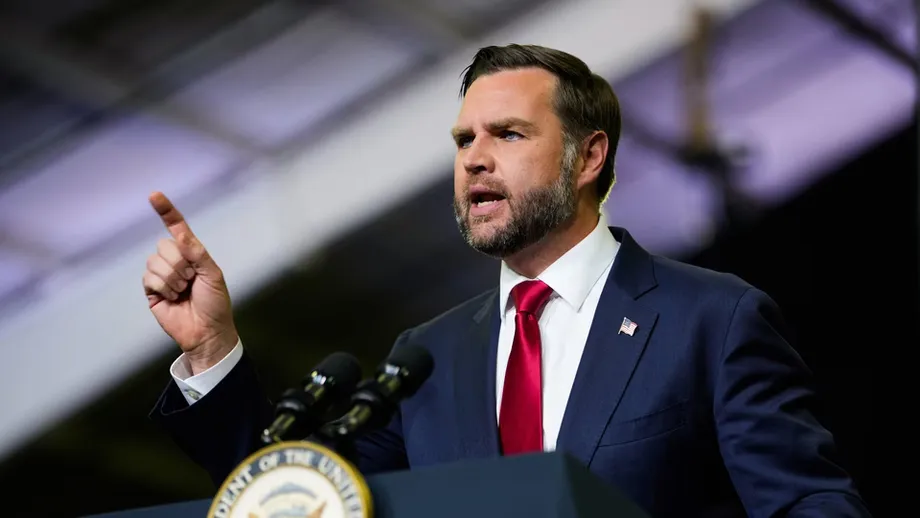
Vance shifts his explanation as eight firms face a residency freeze
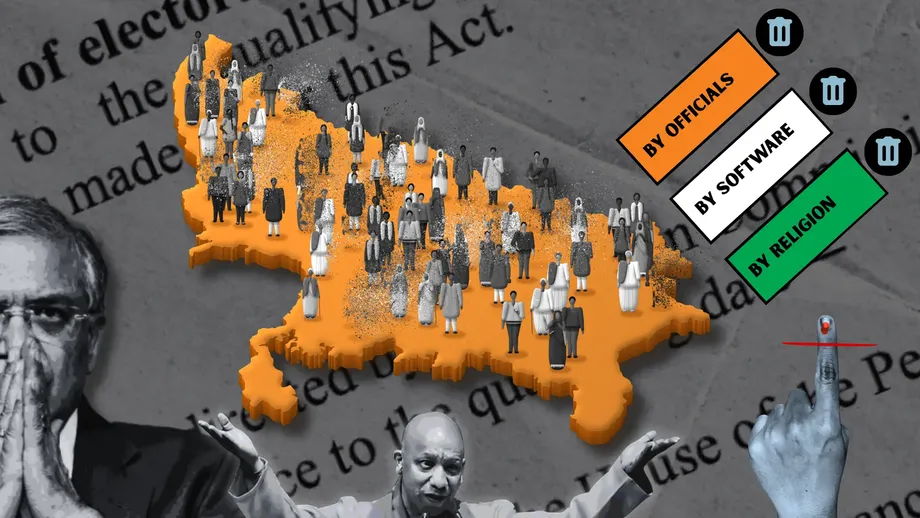
US Vice President JD Vance has accepted responsibility for what he called imperfect rhetoric after describing foreign professionals as "indentured servants", saying his criticism targeted employers and the visa system rather than H-1B workers. His clarification follows an Indian diplomatic protest and an October 8 suspension of green card processing involving eight major technology companies.
Contents
- Vance shifts his explanation as eight firms face a residency freeze
- What Vance says he meant
- Why India objected to the language
- A family reference and a broader immigration argument
- What the October 8 suspension covers
- How the freeze affects workers and families
- The wage claims behind the crackdown
- Why companies expect less damage than employees fear
- A pressured industry weighs the costs
- What alternatives can affected workers consider?
- Key Points
The companies are Microsoft, Adobe, Cognizant, Infosys, Tata Consultancy Services, Wipro, HCLTech and Capgemini. The US Department of Labor stopped accepting new applications and processing pending applications involving the firms under the Permanent Labor Certification programme, commonly called PERM, citing suspected recruitment fraud or wilful misrepresentation.
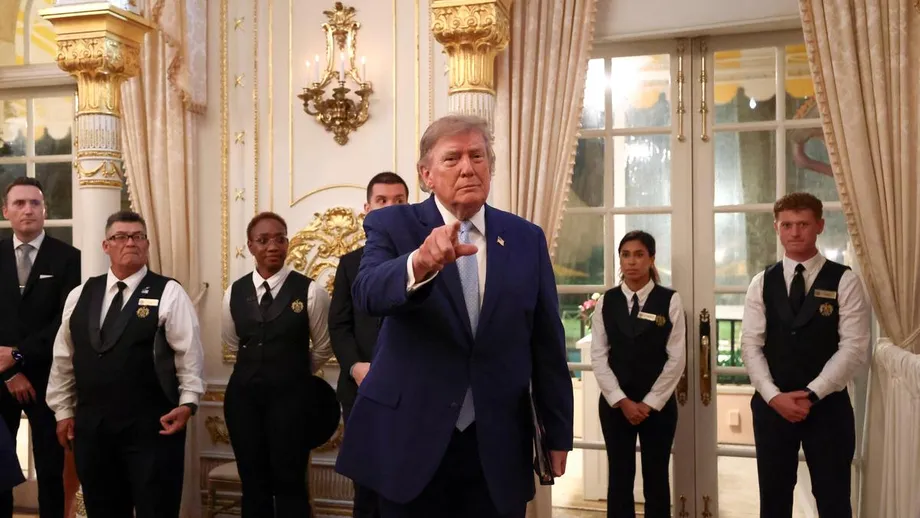
Vance addressed the controversy during a televised town hall in Flat Rock, Michigan, on Saturday. An Indian immigrant who moved to the United States 20 years ago, became a citizen five years ago and voted for President Donald Trump challenged the administration's treatment of immigrants.
Vance, explaining his earlier choice of words, acknowledged personal responsibility:
I would say, and to the extent that my rhetoric has been imperfect here, that's on me.
His explanation left his central policy position intact: companies should hire more Americans, and immigration should balance the interests of domestic workers with the benefits of bringing skilled people into the country.
The dispute reaches beyond language. Indian nationals accounted for 71% of successful H-1B applicants in fiscal 2024, according to US Citizenship and Immigration Services data. For affected employees, the immediate concern is whether a blocked step toward permanent residency will disrupt plans for their careers and families, even as several employers expect limited business damage.
What Vance says he meant
Vance argued that a worker whose ability to remain in the United States depends on employment can be vulnerable to pressure from a company. Losing a job, he said, could put the person's continued residence at risk, giving an employer excessive power.
The vice president said his reference to indentured labour was directed at that relationship between companies and workers:
So when I say an indentured servant, that's not a criticism of the H-1B visa holder. That's a criticism of a company that brings a person in,
Vance linked this argument to his accusation that some businesses dismiss American employees while recruiting foreign workers. He gave the example of a company hiring an accountant from abroad after claiming it could not find a suitable worker, while firing an American accountant already on its payroll.
His position combines two concerns: the treatment of immigrants dependent on employers and the treatment of Americans who may lose jobs. At the earlier announcement, however, his language had also attacked foreign hiring directly, urging companies to stop importing workers for jobs Americans could perform and describing businesses using the programme as "visa mills".
Why India objected to the language
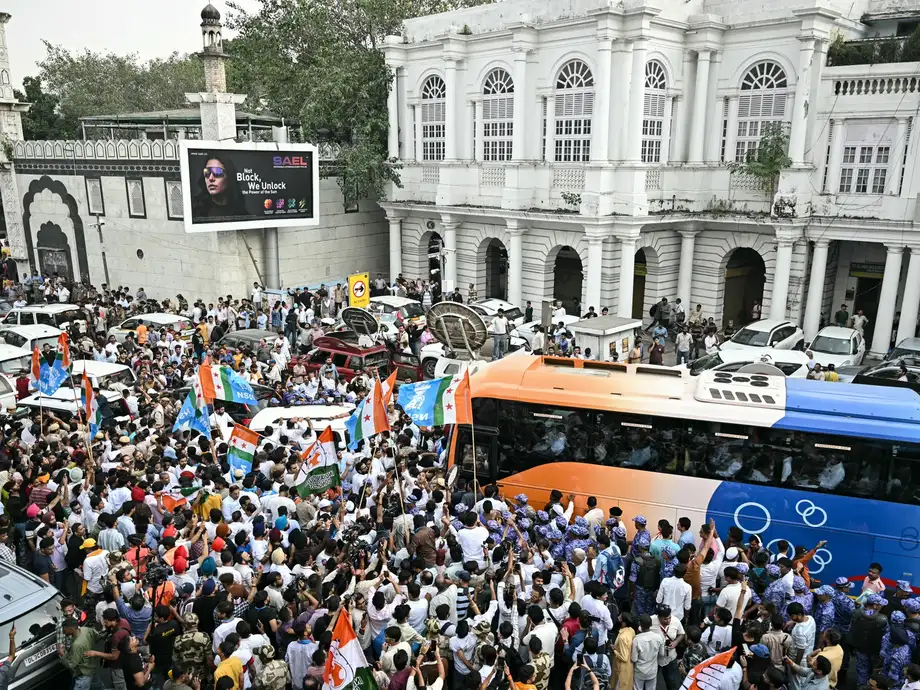
India's Ministry of External Affairs said Vance's description overlooked the education, skills and economic contribution of Indian professionals. The ministry also pointed to the part generations of immigrants have played in American growth, business and innovation.
The ministry explained its objection in a statement:
Resorting to terminology that carries painful historical and colonial legacy connotations is deeply offensive,
Indentured labour involved workers bound by contracts, often with restricted freedom and exploitative conditions. During the 19th and early 20th centuries, hundreds of thousands of Indians were sent to plantations in British colonies, including Mauritius, Fiji, the Caribbean and South Africa.
That history helps explain why the wording drew a diplomatic response. New Delhi's objection concerned both the description of skilled professionals and the painful colonial experience attached to the term. The ministry also said restrictions affecting Indian companies' green card filings ran counter to the shared ambitions of India and the United States.
A family reference and a broader immigration argument
Vance referred to his own family while explaining that he wanted the United States to continue welcoming people who contribute to the country. His wife, Second Lady Usha Vance, was born in the United States to parents who immigrated from South India.
The vice president spoke about his parents by marriage and his wife:
You know where my family comes from, and I love my mother-in-law and father-in-law who immigrated from South India, and obviously their daughter, born in the United States of America, is now the second lady, and I'm very proud of her, and I love her very much.
Vance said his goal was not to dehumanise immigrants. He nevertheless defended limits on the pace of immigration, arguing that rapid demographic and cultural changes could weaken a community's shared connections. He described preserving a baseline of "social cohesion and sense of community" as part of his approach.
His clarification therefore softened how he described foreign professionals while retaining a wider argument for immigration restrictions. His comments covered wages, hiring practices and the cultural changes he believes communities experience when immigration happens quickly.
What the October 8 suspension covers
The Department of Labor invoked 20 CFR Section 656.31(b), a regulation allowing processing to be suspended when there are grounds to suspect fraud or wilful misrepresentation. The action affects applications involving the eight named employers.
PERM is generally an early step toward a green card in the EB-2 and EB-3 employment categories, which cover many professionals and skilled workers. Employers usually must recruit for a position and show that qualified, willing and available US workers cannot be found, and that hiring a foreign worker will not harm wages or working conditions.
The sequence of announcements and responses has been:
- October 8: The Labor Department suspended new and pending PERM processing involving eight technology companies.
- October 9, 2026: India criticised the restrictions and Vance's language, while industry assessments pointed to limited immediate business exposure.
- October 12: HCLTech human resources head Ram Sundararajan said the company would comply with the directive and had increased local recruitment.
- At Saturday's town hall: Vance acknowledged imperfect rhetoric while defending his criticism of employers and the visa system.
The administration has not publicly detailed the specific alleged violations by each targeted company or given a date for processing to resume. A Justice Department spokesperson confirmed that investigations into Microsoft and Adobe began before their suspensions.
How the freeze affects workers and families
India's foreign ministry explained that the PERM suspension leaves existing H-1B visas and the status of holders and their dependants unchanged by the suspension itself. Employees can continue working while they hold valid authorisation and meet the conditions of their status.
H-1B status allows temporary employment under immigration rules. A green card provides permanent residency. PERM connects those two stages for many employees whose companies sponsor them to remain in the United States permanently.
Workers can therefore keep their current jobs while facing a new delay in their residency plans. The longer concern is that some H-1B extensions beyond the usual six years depend on qualifying progress in the employment immigration process. Blocking a PERM application can become especially consequential for someone approaching that limit.
Immigration lawyer Alexis Axelrad, a partner at Barst & Mukamal and president-elect of the American Immigration Lawyers Association, described the personal disruption:
Somebody's life is being upended by this, both the foreign national and who the foreign national works with and for.
Indian applicants already face a large queue. The Cato Institute estimated that the employment immigration backlog contained about 1.8 million people in 2023, including roughly 1.1 million Indians. Its estimate put potential waits for some Indian applicants at up to 134 years under the rules and queue conditions it examined. A further processing delay adds uncertainty to decisions about where families can settle and build their lives.
The wage claims behind the crackdown
Vance has accused foreign outsourcing companies of undercutting American wages. At an earlier news conference on visa fraud, he claimed H-1B workers earned $20,000 less than US citizens in the same position, rising to $48,000 less for workers brought in by foreign outsourcing firms.
Those figures were presented as Vance's claims, without a named dataset or calculation explaining the comparisons. He also singled out Microsoft, saying it laid off 6,000 American workers in 2025 while receiving 6,300 H-1B visas and nearly 3,000 green cards.
Microsoft responded that the vast majority of its US employees were Americans. It said filings for new H-1B workers over the past year, excluding extensions, amounted to 1% of its US workforce.
The enforcement debate also concerns how companies advertise jobs and consider American applicants before sponsoring foreign employees. Justice Department investigations and settlements involving businesses including Meta and Apple have focused on recruitment practices that disadvantaged US applicants. A proposed change to PERM recruitment standards is under White House review, with the regulations having undergone no major update since 2004.
Why companies expect less damage than employees fear
Indian technology companies say they have become less dependent on moving employees to the United States and more reliant on hiring there. Nasscom, India's technology industry association, said relatively few workers make the transition from H-1B status to permanent residency through PERM.
ICICI Securities estimated that Indian IT firms accounted for less than 2% of PERM applications filed between October 2024 and September 2025. TCS said its applications had been in single digits over the previous two years and that it expected no effect on its workforce strategy or client engagements. It also reiterated plans to hire 15,000 people in the United States over five years.
Wipro said 80% of its US workforce had been hired locally. In a stock exchange filing, the company set out its business assessment:
We don't anticipate any material business impact from this announcement.
Companies can also deliver many services to American clients through teams based outside the United States. A Reserve Bank of India survey recorded a fall in revenue from work performed at overseas client sites from $19 billion to $18.4 billion, a decline of about 3.2%.
Corporate revenue and an employee's residency prospects can consequently move in different directions. A company may continue serving customers with local hires or teams abroad while an individual worker's permanent residency application remains stalled. ICICI Securities identified talent retention, rather than immediate revenue, as a concern if uncertainty persists.
A pressured industry weighs the costs
India's technology industry generated $315 billion in revenue in fiscal 2025-26, including $246 billion in exports, according to Nasscom figures. It employed about 5.95 million people and added roughly 135,000 net jobs during the year.
The sector is also adjusting to disruption from artificial intelligence. By October 9, Indian IT stocks had fallen 25% during the year, compared with a 14% decline in the benchmark index, a gap of 11 percentage points.
Share prices nevertheless rose about 3% on October 9, helped by TCS results, adding 701.336 billion rupees, or about $7.25 billion, to the combined market value of the IT index's 10 companies. Investors were weighing earnings and staffing changes alongside the immigration restrictions.
Sumit Singhania, head of research at Bajaj Broking, said greater reliance on US hiring and subcontractors could raise recruitment and compliance costs, putting pressure on profit margins. In India, Commerce and Industry Minister Piyush Goyal offered another perspective, suggesting tighter H-1B access could help retain skilled people at home. New Delhi has also continued to argue that the movement of professionals benefits both countries.
What alternatives can affected workers consider?
Some professionals may qualify to apply without employer sponsorship through EB-1A, for people with extraordinary ability, or an EB-2 National Interest Waiver. Both routes have demanding requirements based on the applicant's achievements and proposed work.
EB-1A applicants generally need evidence of sustained national or international recognition. Relevant evidence can include major contributions to a field, recognised awards, published research, judging others' work or a leading role at a distinguished organisation. Immigration expert Sai Srinivas Reddy Bhumireddy said US Citizenship and Immigration Services assesses the evidence as a whole.
A National Interest Waiver applicant must first qualify for EB-2, usually through an advanced degree or exceptional ability. Under the Matter of Dhanasar decision, the person must show that the proposed work has substantial merit and national importance, that they are well positioned to advance it, and that waiving the usual job offer and labour certification requirements would benefit the United States.
Immigration expert Mithi Jaiswal explained why applicants need evidence reaching beyond their job title:
A routine software development role or a high-paying job does not automatically demonstrate national importance,
Workers pursuing either route still need to maintain lawful immigration status and work authorisation separately. Filing an immigrant petition does not automatically extend H-1B status, and even an approved petition can leave an applicant waiting for a visa number. The practical choices depend on each person's qualifications, application history and remaining time in their current status.
Key Points
- Vance accepted responsibility for imperfect rhetoric and said his criticism targeted employers and the visa system.
- India condemned the terminology and defended the contribution of Indian professionals to the US economy.
- The October 8 PERM suspension covers eight technology companies and affects new and pending applications.
- Existing H-1B status remains valid under its conditions, while delays can complicate residency plans and some future extensions.
- TCS and Wipro expect limited immediate business effects, citing low PERM use and greater local hiring.
- Independent green card routes require substantial evidence, separate attention to lawful status and, for many applicants, further waiting.