A recovery measured in output, but still missing from many homes
Sri Lanka's economy has returned to its 2018 size after twelve consecutive quarters of growth, yet poverty remains far above its level before the crisis. The World Bank's October 6, 2026 assessment puts economic growth at 4.7% in the first half of the year, while its latest poverty estimate shows 16.9% of people were poor in 2025.
Contents
- A recovery measured in output, but still missing from many homes
- What has recovered, and what comes next?
- Poverty is falling from its peak, but the losses remain large
- Why the poverty estimates have changed
- Jobs and earnings explain the household gap
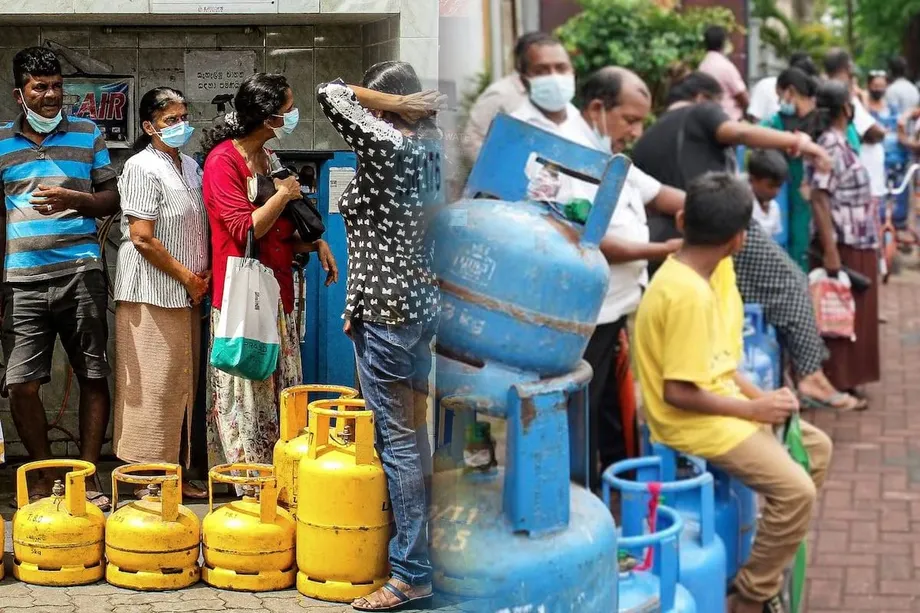
- Food prices bring the pressure into daily life
- The recovery looks different across communities
- Why agriculture is central to the next phase
- The dates and risks that shape the outlook
- Key Points
The contrast is central to the World Bank Group's Sri Lanka Development Update, titled From Recovery to Transformation. Production, investment and public finances have improved, but household incomes and employment have recovered more slowly. Renewed increases in food and energy prices are also eating into the gains families have made.
Under revised World Bank estimates, poverty rose from 11.5% in 2019 to 20.7% at the crisis peak in 2023, pushing about two million additional people into poverty. Although the rate has since declined, the Bank projects it will remain above its 2019 level through at least 2028.
For a family buying food, paying school expenses and looking for dependable work, the practical test of recovery is whether income stretches further. Restoring the amount the country produces is one milestone. Restoring the living standards lost during the crisis is another, and the World Bank's figures show that process is taking longer.
What has recovered, and what comes next?
The World Bank projects Sri Lanka's gross domestic product, or GDP, will grow by 4.4% in 2026, supported by strong industrial activity and steady expansion in services. GDP measures the value of goods and services produced in a country. Real GDP adjusts that value for price changes, helping show whether the economy is producing more.
Sri Lanka's return to 2018 output follows efforts to stabilize the economy, repair government finances, reform exchange rate arrangements and restructure debt. Investment growth has also supported the rebound. The primary budget surplus has risen sharply, meaning government revenue exceeds spending before interest payments are counted.
The Bank expects growth to ease to 4.2% in 2027 as the initial rebound loses strength and weak productivity limits further gains. Productivity means how much workers and businesses can produce with the time, equipment and resources they have. Sustained improvements can support better pay and business expansion.
Gevorg Sargsyan, the World Bank Group's country manager for Sri Lanka, identified agriculture and related businesses as an important opportunity in the institution's October recovery statement. He said:
Sri Lanka can capitalize on sectors with immense potential such as agrifood, investing in the policies, infrastructure, and enabling environment that allow farmers, businesses, and investors to drive the next phase of growth.
The Bank's proposed shift is from a recovery supported by stabilization toward growth driven more by private investment, exports and greater productivity. The immediate challenge is to turn stronger national output into more jobs and higher household earnings.
Poverty is falling from its peak, but the losses remain large
The revised poverty estimates use the World Bank's benchmark of US$4.20 per person per day. They place poverty at 18.4% in 2024 and 16.9% in 2025, with projected declines to 15.8% in 2026, 14.8% in 2027 and 14% in 2028.
Even if that forecast is achieved, the 2028 rate would remain 2.5 percentage points above the 11.5% recorded in 2019. At the 2023 peak, the gap was 9.2 percentage points. The figures describe a substantial recovery from the worst period, alongside a lasting increase in the share of people struggling to meet basic needs.
The World Bank also estimates that two fifths of Sri Lankans are either poor or at risk of falling into poverty in 2026. This wider group includes households whose position is fragile enough that higher food costs, lost work or another financial shock could push them below the poverty threshold.
Sri Lanka's classification as a country in the upper middle income group brings another benchmark into discussion: US$8.30 per person per day. Close to six in ten people fall below that higher threshold, which assesses living standards against expectations for economies in that income group. The 16.9% estimate for 2025 uses the lower US$4.20 measure.
Why the poverty estimates have changed
The World Bank revised its estimates for 2020 to 2024 by using annual data about individual households from the Labour Force Survey, rather than relying mainly on broad economic totals. The change also affects estimates and projections for 2025 to 2028, while the 2019 starting point remains unchanged.
The revised estimate for poverty in 2023 is 20.7%, compared with 27.6% under the previous methodology. The Bank's April 2024 assessment had put the 2023 rate at 25.9%. Those earlier estimates belong to earlier assessments; the revised series provides the consistent figures for tracking the latest poverty trajectory.
The methodological change updates the estimate of how many people were poor during the crisis. The actual improvement over time appears within the revised series itself, which shows poverty declining from 20.7% in 2023 to an estimated 16.9% in 2025.
Sri Lanka's official poverty statistics are based on the Department of Census and Statistics' Household Income and Expenditure Survey. Results from the 2025 survey are expected in 2027 and will provide the next comprehensive benchmark. New Labour Force Survey data for 2025 were expected in November 2026.
Jobs and earnings explain the household gap
Real labour incomes fell by more than 40% between 2019 and 2023 and have yet to recover fully, according to the World Bank's assessment. Real income measures what earnings can buy after allowing for inflation. A worker can receive more rupees than before and still afford less if prices have risen faster.
Labour force participation also remains below its earlier level. The share of people working or actively seeking work fell from 52.3% in 2019 to 47.4% in 2024, then recovered partly to 49.4% in 2025. That leaves participation 2.9 percentage points below the 2019 figure.
Women have faced particular difficulties. Female participation declined from 34.5% in 2019 to 32.4% in 2024. The World Bank's April 2024 assessment also described falling participation among women and in urban areas, alongside closures of micro, small and medium businesses.
Families were already borrowing to cover food, healthcare and education during the earlier phase of stabilization, the 2024 assessment said. A recovery in production must therefore reach households carrying both reduced purchasing power and financial obligations accumulated during the crisis.
These employment figures help explain why stronger GDP has not brought equal relief. A business may increase production while a former worker remains outside the labour market, or while current employees are still rebuilding earnings lost during the downturn.
Food prices bring the pressure into daily life
Sirimodara Wadaramge Sriyakanthi, a food vendor in Colombo, wakes before 5 a.m. to prepare herbal porridge and rice packets for lunch. She has absorbed higher costs to keep prices near US$2, while worrying about her son's school fees and her daughter's dance lessons. Explaining her pricing, she said:
I sell the lunch packets at a reasonable price so people can afford it,
Sriyakanthi's position captures pressure on both sides of a small business. Ingredients cost more, but customers have limited money to spend. Raising prices can protect earnings on each meal while making those meals harder for customers to afford.
The World Bank expects headline inflation, the broad measure of consumer price increases, to reach 5.7% in 2026 before moving toward the 5% target by 2028. Higher energy prices and a weaker rupee are expected to keep pressure on costs during 2026. A weaker currency makes goods priced in foreign currencies more expensive in rupees.
Food accounts for 30% to 50% of consumer price baskets in developing economies, compared with 13% to 14% in the United States. Those figures describe a broader international pattern rather than a specific Sri Lankan household budget, but they explain why food inflation can place especially heavy pressure on poorer economies.
Argentina offers a parallel: inflation has fallen to roughly 33% from nearly 300%, while some businesses still face sharply higher restocking costs and customers with less to spend. Slower inflation means prices are rising less quickly; families still need earnings that catch up with the higher price level.
The recovery looks different across communities
Poverty outside Sri Lanka's Western Province is estimated at two to three times the level within the province. Poverty in the estate sector is about three times the national average. National growth figures therefore sit alongside large differences in how communities are experiencing the recovery.
Children are also showing signs of lasting hardship. Stunting among children younger than five rose from 7.4% in 2021 to 10.1% in 2025, an increase of 2.7 percentage points. Stunting means a child is too short for their age and is commonly associated with prolonged poor nutrition, illness or both.
Employment, food affordability and access to services matter together in these communities. Better national finances can support economic stability, but families need reliable earnings and affordable essentials to rebuild their daily living standards.
The Bank's focus on rural businesses is closely connected to this uneven recovery. Agriculture and the industries around it employ a large share of the population, giving investment in those activities a route to reach places where poverty remains especially high.
Why agriculture is central to the next phase
Primary agriculture accounts for about 8% of Sri Lanka's GDP. The wider agrifood system, including food processing, transport, trade and food services, contributes an estimated one sixth of output and more than 40% of employment. Agribusiness also generates nearly 30% of goods exports.
Sri Lanka already competes internationally in tea, coconut, cinnamon, seafood and rubber products. The World Bank sees opportunities to earn more from these activities through processing, improved quality and better connections between farms, businesses and export markets.
The report identifies weak incentives for investment, infrastructure gaps, limited processing and restricted access to land and finance as constraints. It recommends more predictable trade policy and redirecting inefficient subsidies toward agricultural research and technologies that help producers cope with changing weather.
Other proposals include better testing and quality systems, digital records that trace products through the supply chain, and refrigerated storage and transport. Refrigeration helps perishable food reach markets in better condition, while traceability allows buyers to follow where a product came from and how it was handled.
Smallholders and rural businesses would also need more secure land arrangements and access to finance to invest over longer periods. These are recommendations for expanding opportunity. Their effect on household incomes will depend on implementation and whether smaller producers can participate.
The dates and risks that shape the outlook
Sri Lanka's recovery spans several years of crisis, stabilization and rebuilding. The main milestones show why restored output and restored household welfare are arriving at different speeds:
- 2019: The revised poverty series records a rate of 11.5%.
- 2022: Sri Lanka enters a severe economic crisis and debt default.
- 2023: Poverty reaches a revised peak of 20.7%.
- April 2024: The World Bank describes signs of stabilization alongside four consecutive years of rising poverty.
- 2025: Poverty is estimated at 16.9%, while labour force participation recovers partly to 49.4%.
- First half of 2026: Real GDP grows 4.7% and returns to its 2018 level.
- October 6, 2026: The World Bank presents its From Recovery to Transformation update.
- 2027: Household Income and Expenditure Survey results for 2025 are expected.
- 2028: Poverty is projected at 14%, still above its 2019 level.
Global energy market volatility and the potential effects of El Niño are risks to the growth forecast. El Niño is a recurring warming of Pacific Ocean waters that can alter rainfall and temperatures elsewhere. Changes in weather can affect harvests, food supplies and the earnings of agricultural households.
The next phase therefore depends on maintaining economic stability while creating more productive work and reducing exposure to rising essential costs. Sri Lanka has regained the output lost during its downturn, but the poverty, employment and nutrition figures show how much household recovery is still unfinished.
Key Points
- Sri Lanka's real GDP returned to its 2018 level after twelve consecutive quarters of growth.
- The World Bank projects growth of 4.4% in 2026 and 4.2% in 2027.
- Revised poverty estimates show a rise from 11.5% in 2019 to 20.7% in 2023, followed by a decline to 16.9% in 2025.
- Poverty is projected to remain above its 2019 level through at least 2028.
- Earnings and labour force participation remain below earlier levels, while food and energy prices continue to pressure families.
- The wider agrifood system supports more than 40% of employment and is a central focus of the Bank's proposed investment reforms.
- Official household survey results expected in 2027 will provide the next comprehensive poverty benchmark.