Colombo seeks a new partner for port logistics
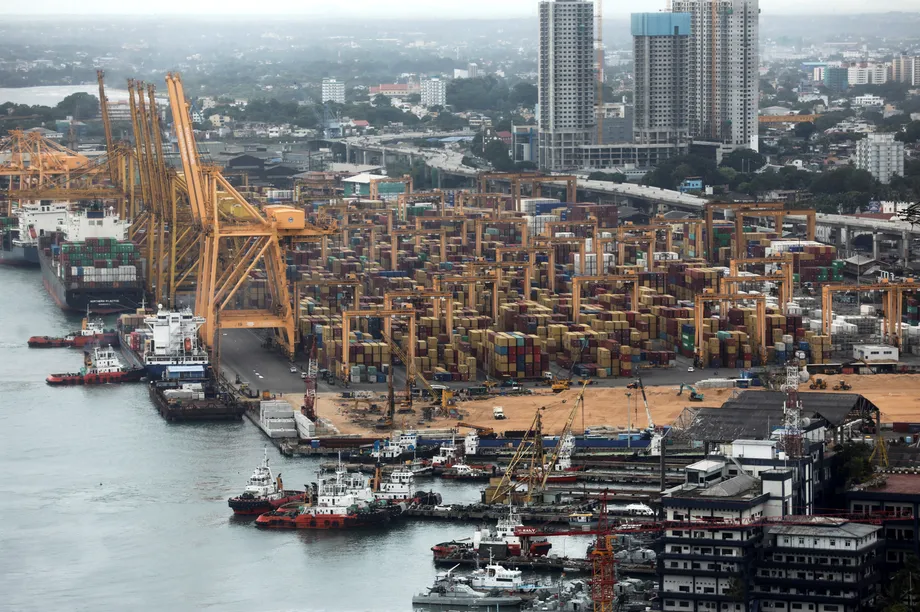
The Sri Lanka Ports Authority (SLPA) plans to seek a private partner through competitive bidding for a logistics hub at the Port of Colombo after ending a venture formed in 2023 with China Merchants Port Holdings and Access Engineering PLC. The earlier proposal covered a complex of 150,000 square metres, intended to expand the services available inside Sri Lanka's main seaport.
Contents
- Colombo seeks a new partner for port logistics
- What the original partnership planned
- Why the venture ended
- How the exit payments are described
- What the new bidding process changes
- Why Colombo wants more than container transfers
- The milestones behind the restart
- Opposition concerns extend to investment and jobs
- China Merchants retains other port interests
- Key Points
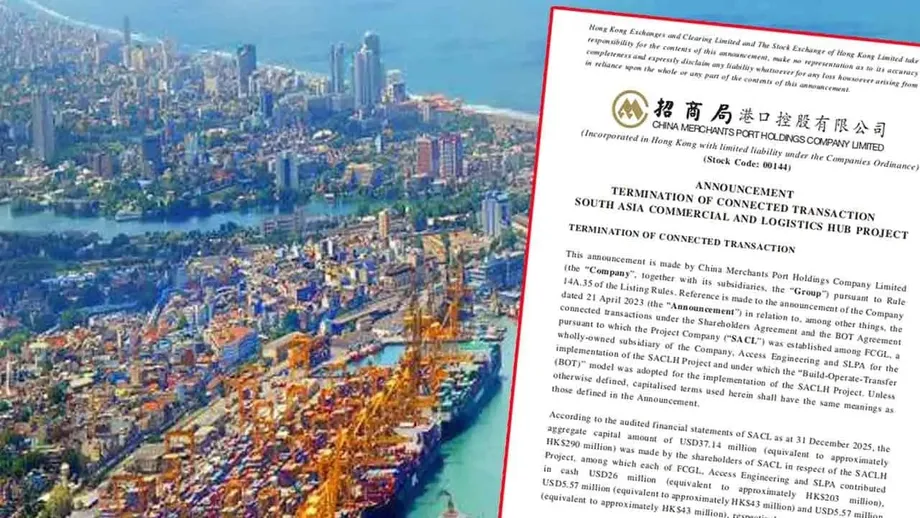
The SLPA described the abandoned development as a US$280 million project, while China Merchants put its value at US$392 million. The authority says approximately US$29.8 million in shareholder equity will be refunded, subject to regulatory requirements and operational expenses. China Merchants separately announced a US$21.9 million settlement following cancellation.
The replacement will use a public-private partnership, or PPP, in which a government body and a private business agree how to finance, develop and operate infrastructure. The SLPA says the competitive selection process will proceed with the relevant approvals.
For shipping lines, cargo owners and logistics businesses, the objective remains a facility that does more than move containers between ships. Colombo wants to provide services that help businesses store, handle and prepare goods for their next destination, bringing more commercial activity into the port.
What the original partnership planned
China Merchants held 70 percent of the South Asia Commercial and Logistics Hub, known as SACLH. The SLPA and Sri Lankan construction company Access Engineering each held 15 percent. The Chinese company therefore held more than twice the combined share of the two other partners.
The venture was designed around a modern logistics complex with warehousing facilities. Its proposed arrangement lasted 50 years and followed a build-operate-transfer model: the developer would build and operate the facility for an agreed period before transferring it to the public authority.
Sri Lanka granted the project Strategic Development Project status in December 2023. That designation made it eligible for tax concessions, including exemptions from corporate income tax and dividend taxes for 15 years. Those incentives were intended to support investment in a facility expected to serve the port over decades.
Why the venture ended
The SLPA said the shareholders reviewed external circumstances, commercial considerations and their respective interests before deciding against proceeding. Delays and implementation difficulties had also prevented the project from advancing as planned.
China Merchants, a state owned port and logistics operator based in Hong Kong, addressed the termination in a statement to Hong Kong's stock exchange. The company described its assessment in these terms:
"terminating the project would be in the best interests of the parties".
The port authority's account also presents the decision as an agreed end to the existing venture. Its response is to retain the logistics development objective while changing the way it selects a partner and structures the investment.
The SLPA explained its position on continuing the project:
"The decision not to proceed with the earlier joint venture does not represent a departure from its commitment to logistics infrastructure development. Rather, it provides an opportunity to pursue an alternative development model," the SLPA said.
How the exit payments are described
The SLPA's US$29.8 million figure concerns the return of equity contributions, meaning money shareholders put into the venture in exchange for ownership. The authority says the refunds will follow the three ownership shares and remain subject to regulatory requirements and operating expenses.
Applied to US$29.8 million before those adjustments, the 70 percent share would equal approximately US$20.86 million, while each 15 percent share would equal US$4.47 million. Those calculations illustrate the ownership split; final payments depend on the conditions attached to the refund.
China Merchants said the SLPA agreed to a US$21.9 million settlement. Details attributed to the company describe payment within 30 days of signing the termination agreement, with the amount calculated from a Chinese subsidiary's initial US$26 million investment after taxes and delay charges. The settlement was also described as being distributed among the three shareholders.
The relationship between the US$21.9 million settlement and the US$29.8 million equity refund, and the reason for the US$280 million and US$392 million project valuations, have not been publicly explained. The SLPA has also given no date for opening bids or completing the replacement facility.
What the new bidding process changes
The SLPA plans to invite competition for a new PPP rather than continue with the existing ownership arrangement. That gives the authority a route to seek a new private investment proposal for a substantial area within the port.
A competitive tender allows interested businesses to submit offers against requirements set by the public authority. For a logistics development, the eventual agreement would determine responsibilities for investment, construction, operations and payments. The SLPA says its aims include attracting private capital, improving the use of port infrastructure and generating revenue over the long term.
The earlier project's 50 year operating arrangement and 15 year tax exemptions belonged to that proposal. Terms for the replacement will need to emerge through the approval and bidding process. Potential bidders will be assessing the commercial opportunity alongside the costs of developing and operating the site.
The authority has placed commercial viability at the centre of its announcement. In practical terms, that means pursuing a facility whose business can support its costs while producing a return for the investors and revenue for the port.
Why Colombo wants more than container transfers
Colombo's ambitions extend beyond transshipment, the process of moving a container from one vessel to another on its journey between ports. A transshipment port acts as a connection point, allowing shipping lines to combine cargo from different routes.
A logistics hub adds services around those movements. Warehousing provides somewhere to hold goods, while value added logistics can include activities such as sorting, packaging or preparing shipments. The SLPA has described a broad range of integrated services for the new facility rather than a final list of operations.
Locating such activities inside the port can bring cargo handling, storage and onward movement closer together. The authority expects the development to improve the use of existing infrastructure and strengthen Colombo's position in regional and global trade.
The intended customers include shipping lines, cargo owners and logistics operators. For the SLPA, the commercial goal is to earn income from a wider range of activities associated with moving goods, helping Colombo function as a broader maritime centre.
The milestones behind the restart
The venture's history stretches from Sri Lanka's economic crisis to the current decision to seek another development model. China Merchants' participation, agreed in April 2023, was the first major foreign investment announced after the country's economic collapse in April 2022.
- April 2022: Sri Lanka's economy collapsed, creating the backdrop against which subsequent investment commitments were assessed.
- April 2023: China Merchants agreed to participate in the Colombo logistics venture with a 70 percent stake.
- 2023: SACLH was established with the SLPA and Access Engineering holding 15 percent each.
- December 2023: Sri Lanka granted the project Strategic Development Project status, making it eligible for tax concessions.
- Following the termination decision: The SLPA announced plans to seek a private partner through competitive bidding under a PPP model.
- Within 30 days of signing the termination agreement: The US$21.9 million settlement is payable under the terms described by China Merchants.
The sequence explains why the cancellation carries weight beyond a single construction proposal. A substantial investment announced during the country's recovery has ended before delivering the planned facility, while the port authority is seeking a replacement commitment.
Opposition concerns extend to investment and jobs
Opposition Leader Sajith Premadasa criticised China Merchants' withdrawal in a post on X, describing it as a serious setback for Sri Lanka's economy. He cited the US$392 million project value and the US$21.9 million settlement, and urged the government to attract foreign direct investment and prevent investment from leaving.
Foreign direct investment means a business commits money to an enterprise in another country, usually through ownership or a lasting operating presence. Premadasa's concern is that losing such commitments can reduce the capital available for businesses, infrastructure and employment.
Premadasa also cited information suggesting that HSBC Global Service Centre could move operations from Sri Lanka to the Philippines by December 2027. He said such a move could affect 3,000 direct jobs and 500 indirect jobs, or 3,500 in total, and expressed hope that the information was untrue. The possible move and employment figures were presented as concerns he was raising.
The SLPA's response on the port project focuses on replacing the discontinued arrangement. Its stated test for the next venture is whether it can attract investment on commercially viable terms and sustain logistics development.
China Merchants retains other port interests
China Merchants already operates a US$500 million container terminal capable of handling vessels with a deep draft at Colombo Port. It also manages the port complex at Hambantota on Sri Lanka's southern coast under a lease lasting 99 years, associated with a US$1.12 billion transaction.
China also has a presence in the US$1.4 billion Port City Colombo property development beside the port. Those existing investments make the logistics cancellation part of a larger commercial relationship between Sri Lanka and China.
India and the United States have expressed concern about possible Chinese naval advantages from access to Sri Lankan ports. Sri Lanka has said its ports will not be used for military purposes. The SLPA has framed the logistics restart around trade, investment, infrastructure use and revenue.
The authority stated its continuing objective:
"The SLPA remains firmly committed to positioning the Port of Colombo as a leading maritime, transshipment and logistics hub in South Asia, while ensuring that future port development initiatives are commercially viable," the SLPA said.
Key Points
- The SLPA plans competitive bidding for a new Colombo Port logistics hub under a public-private partnership.
- The cancelled venture was owned 70 percent by China Merchants, with the SLPA and Access Engineering holding 15 percent each.
- The earlier proposal covered 150,000 square metres and included warehousing under a 50 year build-operate-transfer arrangement.
- The SLPA cited approximately US$29.8 million in equity refunds; China Merchants announced a US$21.9 million settlement.
- The SLPA valued the earlier project at US$280 million, while China Merchants cited US$392 million.
- The replacement aims to expand logistics services, attract private investment and generate revenue from a wider range of port activities.