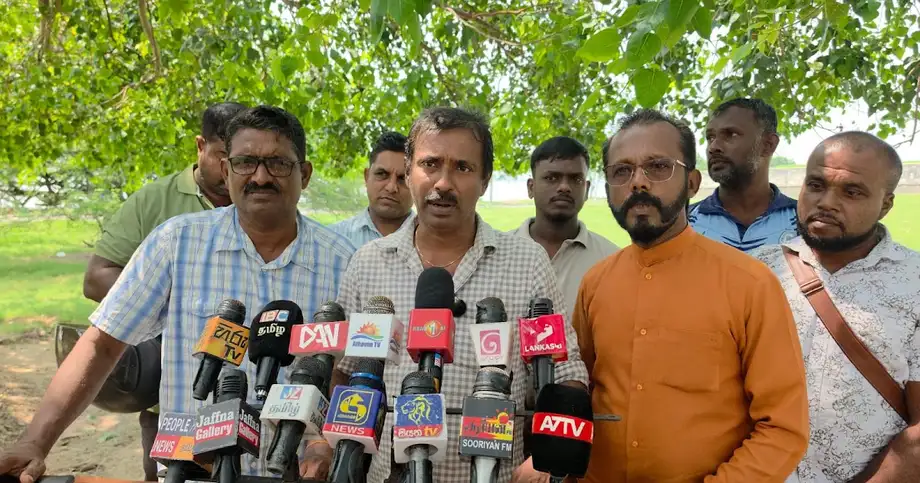
Public Sector Unrest Escalates Across Sri Lanka
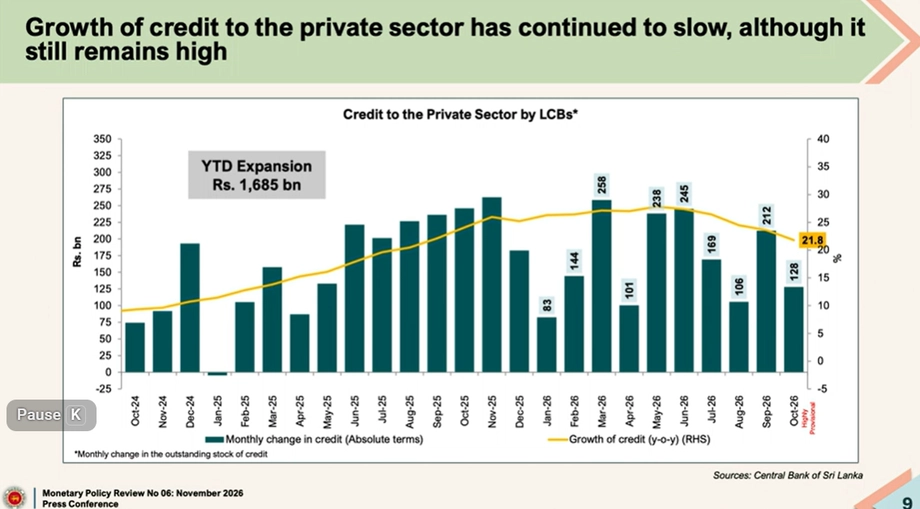
State employees throughout Sri Lanka have mobilized widespread industrial action following the presentation of the government spending plan. Inflation reached 8.3 percent in October after currency depreciation, leaving many public servants struggling with increased living expenses. The Janatha Vimukthi Peramuna, the main party within the National People's Power government, spent nearly three decades organizing strikes and protests before winning the presidency in 2024. Public sector unions now argue that the upcoming financial blueprint fails to address long-standing salary anomalies or provide sufficient relief.
Contents
- Public Sector Unrest Escalates Across Sri Lanka
- Education Sector Unions Announce Major Stoppages
- Healthcare and Specialized Services Join Demonstrations
- Government Response and the Salaries Commission
- Opposition Criticism Over Allowance Disparities
- Broader Industrial Unrest and Timeline of Actions
- At a Glance
Education Sector Unions Announce Major Stoppages
Dissatisfaction in schools has reached a critical stage as educators demand immediate intervention. Seven major principals unions and nearly 20 teacher trade unions organized a black protest on November 23, where educators reported for duty dressed in black. Ceylon Teachers Union Secretary Joseph Stalin stated that nearly 250,000 teachers across the country would participate in further industrial actions. Educators are planning an island-wide one-day strike on November 30 by reporting sick leave. Union leaders selected this date to precede the parliamentary debate on Education Ministry budgetary allocations scheduled for December 1. The actions stem from unfulfilled pledges to pay the remaining two-thirds of salary components related to wage disparities, alongside the failure to include a proposed interim allowance of 25,000 rupees in the spending plan.
Graded Principals Union General Secretary Nimal Mudunkotuwa emphasized the financial burden facing school administrators. As trade unions, we are putting forward the demand that an interim allowance of 25,000 rupees must be granted to all of them, Mudunkotuwa said.
As trade unions, we are putting forward the demand that an interim allowance of 25,000 rupees must be granted to all of them.
Healthcare and Specialized Services Join Demonstrations
Medical professionals and hospital support staff have also joined the expanding wave of protests. The Government Medical Officers Association announced a two-hour nationwide trade union action for November 23, during which doctors withdrew from routine duties between 12 noon and 2 p.m. while maintaining emergency and essential services. Joint Health Services Union Chief Secretary Venerable Tampitiye Sugathananda Thero confirmed that hospital support staff across the country agreed to participate in demonstrations outside medical institutions and government offices. Venerable Tampitiye Sugathananda Thero explained the resolve of the healthcare workforce during a statement on the planned stoppages.
We wish to make it absolutely clear that the hospital support staff of all hospitals across the country have agreed to join the nationwide protest called for November 23 by public sector employees and the working class.
Government Response and the Salaries Commission
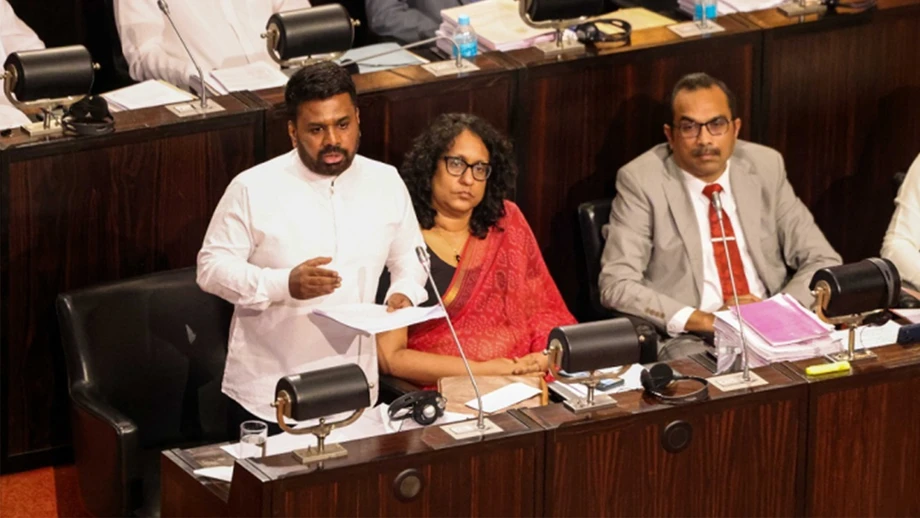
Government officials have urged patience while structural pay reviews are underway. Speaking during the budget debate in parliament, Minister K D Lalkantha acknowledged that while basic salaries were increased across three previous budgets, raising pay in line with the cost of living has not been done yet. Lalkantha explained that granting isolated concessions to specific groups would destabilize the entire state sector. Even though we increased basic salaries in the public service, increasing salaries in accordance with the cost of living has not been done yet. We accept that, Lalkantha told parliament. Authorities have directed unions to present their service minute disputes and pay anomalies to a 15-member Salaries Commission appointed on July 2 under retired Special Grade administrative officer Asoka Peiris. The commission must submit its final report by June next year after reviewing submissions from 69 unions ahead of a December 31 deadline.
Even though we increased basic salaries in the public service, increasing salaries in accordance with the cost of living has not been done yet. We accept that.
Opposition Criticism Over Allowance Disparities
Lawmakers from opposition parties have criticized the administration for creating structural inequalities through selective allowance adjustments. Samagi Jana Balawegaya lawmaker Ranjith Madduma Bandara argued during the parliamentary debate that 85 percent of public servants backed the government through postal votes expecting financial relief, but were instead handed a numbers game. Madduma Bandara pointed out that absorbing existing allowances into basic pay resulted in cumulative three-year increases of 60 percent for office aides, 68 percent for management assistants, and 71 percent for development officers. Having added this, today there is no cost-of-living allowance. You played a numbers game. You deceived the public servants, Madduma Bandara said. Lalkantha also admitted that doubling office allowances by 100 percent in the budget preserved grassroots disparities among officers working in the same divisions, noting that graduate development officers saw minor increases compared to other local government roles.
Having added this, today there is no cost-of-living allowance. You played a numbers game. You deceived the public servants.
Broader Industrial Unrest and Timeline of Actions
Worker mobilization extends beyond education and healthcare into technical and administrative branches. The Joint Committee of Government Executive Officers previously staged a countrywide one-day strike involving 20 trade unions representing engineering, agriculture, surveying, information technology, planning, and tax administration. Meanwhile, the Workers Struggle Centre announced plans for coordinated protests and sector-based strikes. Workers Struggle Centre Organising Secretary Duminda Nagamuwa stated that the organisation is prepared to mobilize the working class for broader action if authorities fail to provide adequate solutions. Several major actions by the working class have been organised over the next two weeks to respond to the injustices being inflicted on the people and the betrayal of workers rights, Nagamuwa said. Community Empowerment Officers have also withdrawn from duties outside the Praja Shakthi programme, affecting agricultural census activities and committee meetings. These developments echo similar frustrations seen in earlier trade union actions throughout November, when public service engineers and technical assistants initiated token strikes over field allowances and pay structures. Earlier in the month, the administration also proposed tax adjustments, including raising the annual personal income tax allowance, as detailed in the proposed tax relief package. Capital spending allocations were also outlined in the 2027 capital spending plan, which sets aside funds for investment alongside recurrent expenses that cover state salaries and administrative operations. The persistent challenges in converting allocations into tangible relief reflect broader fiscal hurdles similar to those experienced during the post cyclone reconstruction delays earlier in the year when spending lagged behind targets.
Several major actions by the working class have been organised over the next two weeks to respond to the injustices being inflicted on the people and the betrayal of workers rights.
At a Glance
- November 13: Public Service Engineers Association holds a nationwide token strike by reporting sick leave.
- November 16: Irrigation Technical Assistants Association and the All Ceylon Disaster Relief Services Association launch separate duty withdrawals.
- November 17: Government Veterinary Officers Association reports sick leave in protest of budget proposals.
- November 20: Government executive officers stage an island-wide one-day token strike involving 20 trade unions.
- November 23: National Protest Day takes place with lunchtime demonstrations, black attire for educators, and two-hour branch union meetings by doctors.
- November 30: Planned island-wide one-day strike by teachers and principals reporting sick leave, alongside sector-based strikes by health workers and support staff.
- December 1: Parliamentary debate on Education Ministry budgetary allocations.