A Revenue Drive With an Unpaid Bill
Sri Lanka's Defence Ministry is seeking more income from the Navy's services to foreign maritime security companies, while the Navy says Rs. 782 million owed by a former private partner remains unpaid. The review brings together two questions: how the state earns money from handling foreign weapons, and how it accounts for that business.
Contents
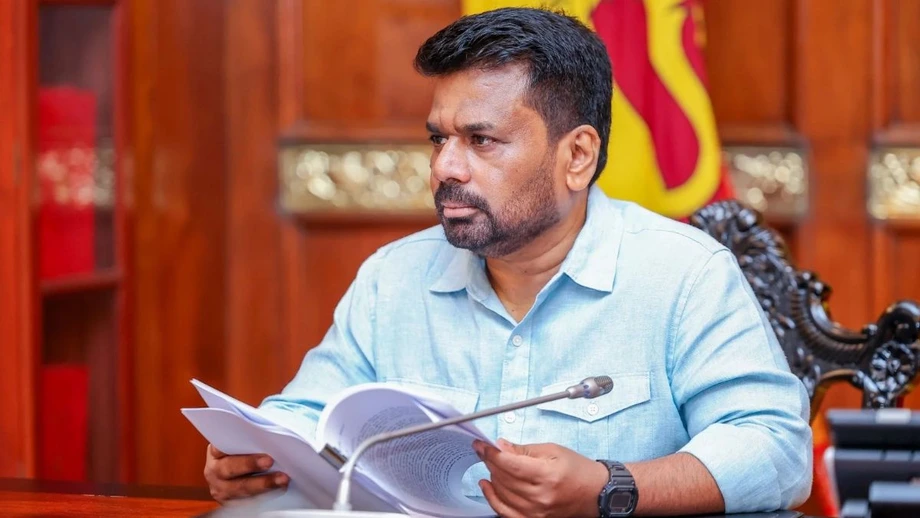
At a meeting at the Parliament Complex, Deputy Defence Minister Aruna Jayasekara reviewed the operational and financial progress of the Navy's Onboard Security Team support programme. The discussion followed his inspection of the Pettigalawatta Armoury Complex in Galle, where foreign security companies store weapons and equipment used by armed guards aboard merchant ships.
The Navy has already disclosed earnings under its renewed operating arrangements. At a briefing on February 25, 2026, it said 404 maritime security missions conducted since October 3, 2025, had generated more than US$699,000 in foreign exchange. The Navy said all those proceeds had been remitted directly to the government.
The ministry's push also comes against a history of corruption allegations surrounding the maritime security business and unresolved allegations of grave abuses involving naval personnel. Returning the operation to direct naval control changes who manages the service, while scrutiny continues over public money, weapons management and accountability.
What Happens at the Galle Armoury?
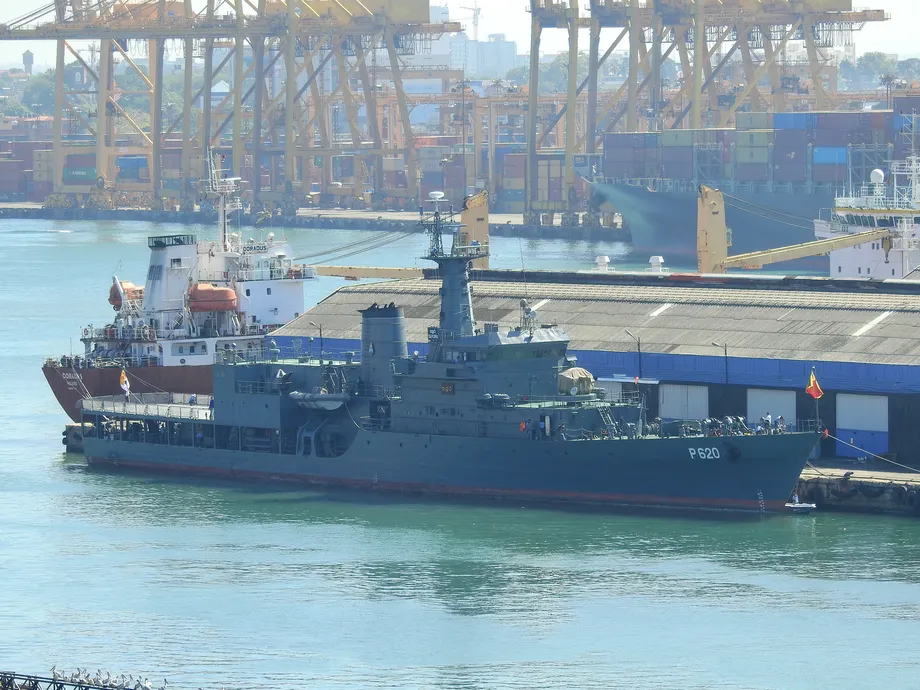
The Pettigalawatta facility stores firearms and other equipment belonging to foreign Private Maritime Security Companies, often shortened to PMSCs. These businesses supply armed security teams for commercial ships. The Navy provides storage, transport and logistical support connected with their work.
An Onboard Security Team, or OBST, is a group of guards travelling aboard a merchant vessel to protect it. The Navy's support operation helps foreign companies manage the weapons and equipment those teams need when joining or leaving ships. The guards' work and the Navy's supporting services are different parts of the same business.
For Sri Lanka, the service creates a way to earn revenue from foreign companies using its maritime facilities. It also places sensitive responsibilities on the operator: keeping weapons secure, recording their movement and collecting the payments due for services.
What the Ministry Wants Changed
Jayasekara, a retired major general, chaired the meeting after identifying concerns during his inspection in Galle. Officials examined operational shortcomings, possible corrective measures and opportunities to increase revenue. The review covered both the programme's practical functioning and its financial performance.
The deputy minister instructed officials to keep operations running smoothly and efficiently, while maintaining transparency, accountability and proper financial management. Those instructions make revenue collection and administrative control central parts of the review, alongside the handling of weapons and equipment.
The ministry gave no meeting date, revenue target, detailed list of shortcomings or timetable for corrective action. Businesses using the service therefore have a commitment to continuity, but no published schedule showing when particular changes will take effect.
Participants included Defence Secretary and Navy leadership representatives, Presidential Advisor on Legal Affairs J. M. Wijebandara, the Additional Secretary responsible for Civil Security and Development, and the chairman of Rakna Araksha Lanka. Senior ministry and Navy officials and representatives of Rakna Araksha Lanka also attended.
What the Navy's Figures Show
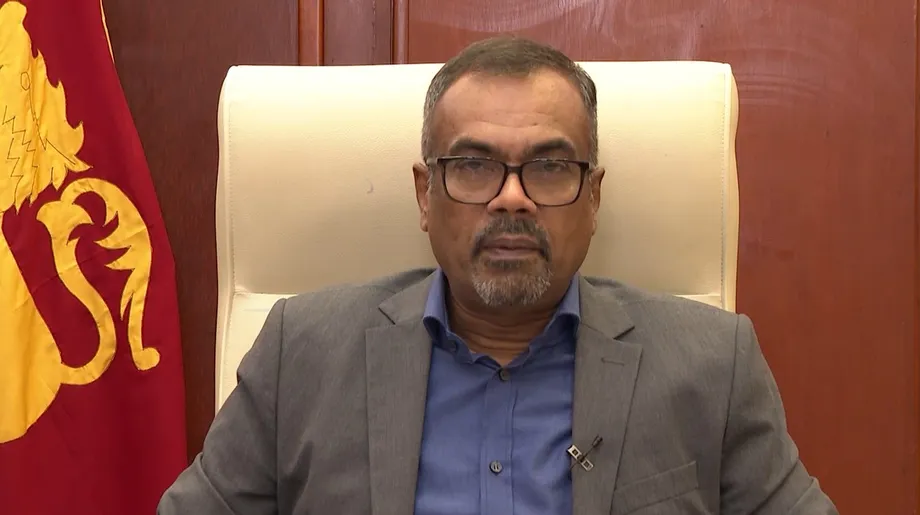
Rear Admiral Harsha de Silva, the Navy's Director General of Operations, disclosed the Rs. 782 million outstanding payment at the February 25 briefing. He said a private partner had failed to settle money owed for services under earlier arrangements.
De Silva said the former business structure gave the Navy only a limited percentage of the private company's earnings in US dollars, with payments made in Sri Lankan rupees. Contractual payment obligations were sometimes left unmet. He also described potential national security risks in allowing a public and private partnership to manage the storage and transport of foreign weapons.
The renewed operation generated more than US$699,000 across 404 missions between October 3, 2025, and February 25, 2026. Dividing those figures gives an average of more than US$1,730 in revenue per mission. That is a useful measure of receipts, while operating costs would be needed to calculate profit.
The Navy said the full foreign exchange proceeds went to the government to support economic recovery. Its disclosure connects the current revenue drive with an immediate collection problem: earning new money while pursuing payments left outstanding under the previous structure.
How Control Changed Hands
The Navy's involvement stretches back more than 16 years. De Silva said it began storing and transporting foreign owned weapons and equipment around September 10, 2009, with revenue directed to the government. Successive administrations later changed how the business was managed.
He described periods of management through a public and private joint venture during 2012 to 2015, from November 2015 to 2021, and from September 2021 until the recent restructuring. The sequence shows that the current arrangement follows several government decisions about who should operate the service and receive its income.
- September 2009: The Navy began providing storage and transport services for foreign maritime security weapons, according to De Silva.
- 2012: Avant Garde Maritime Services received a licence to operate a floating armoury under then Defence Secretary Gotabaya Rajapaksa.
- 2015: Authorities found 813 firearms and more than 200,000 rounds of live ammunition aboard MV Avant Garde.
- 2021: The Colombo High Court acquitted the accused in the Avant Garde prosecution.
- 2023: Charges against Rajapaksa connected with the Avant Garde case were dropped.
- August 13: President Anura Kumara Dissanayake issued a gazette authorising the Navy's renewed role, following Cabinet approval the previous month.
- October 3, 2025, to February 25, 2026: The Navy recorded 404 missions and more than US$699,000 in receipts.
What the Renewed Authority Covers
Dissanayake issued the gazette in his capacity as defence minister. It authorises the Navy to store firearms, ammunition and other equipment belonging to foreign private maritime security companies in naval armouries and provide services when their teams join or leave merchant vessels.
Navy spokesperson Commander Buddhika Sampath described the service when the decision was announced:
As a professional naval force, the Navy will provide services to those foreign security companies during the embarkation and disembarkation process of ships represented by them.
Embarkation means boarding a ship; disembarkation means leaving it. For an armed security company, those movements also require arrangements for its weapons and equipment. The gazette gives the Navy a formal role in providing those services and collecting the associated revenue.
Why Avant Garde Still Matters
Avant Garde Maritime Services previously operated floating armouries with state owned Rakna Araksha Lanka. A floating armoury is a vessel used to store weapons and ammunition for maritime security operations. The arrangement became the subject of investigations and criminal proceedings.
Sri Lanka's Commission to Investigate Allegations of Bribery or Corruption alleged that the Avant Garde arrangement caused Rs. 11.4 billion in losses to the state. Authorities' discovery of 813 firearms and more than 200,000 rounds of live ammunition aboard MV Avant Garde in 2015 added to scrutiny of the business.
Avant Garde Chairman Nissanka Senadhipathi, Rakna Lanka Chairman Victor Samaraweera and others were indicted. In 2021, the Colombo High Court acquitted the accused after prosecutors failed to prove that the licence issued by Rajapaksa was forged. Charges against Rajapaksa himself were dropped in 2023.
The Rs. 11.4 billion figure concerned the bribery commission's allegation of state losses. The Navy's current Rs. 782 million disclosure concerns unpaid service charges. Keeping the two amounts separate helps explain the different financial issues surrounding the operation: the earlier prosecution and the outstanding contractual debt.
Accountability Beyond the Balance Sheet
The Navy's expanded revenue role also sits alongside unresolved allegations of serious human rights violations against Tamils. One prominent case concerns the abduction and disappearance of 11 Tamil and Muslim youths in Colombo in 2008 and 2009, commonly known as the Navy 11 case.
Former Navy commanders Wasantha Karannagoda and Ravindra Wijegunaratne have faced accusations connected with that case, which has stalled in the courts for years. Wijegunaratne has also been named as a suspect. The long running proceedings remain a separate accountability issue involving the institution now administering the maritime security business.
Jayasekara's instructions focus on transparency and sound financial management within the commercial operation. The allegations involving disappeared youths concern criminal responsibility and justice for the victims. Both matters form part of the public scrutiny facing the Navy, although they require different decisions and legal processes.
The immediate administrative task is concrete: secure foreign weapons, keep services operating, collect the revenue due and account for money paid to the state. The history of unpaid charges and the Avant Garde proceedings gives particular weight to the ministry's promise of financial accountability.
Key Points
- The Defence Ministry reviewed ways to increase revenue and improve the Navy's maritime security support services after an inspection in Galle.
- The Pettigalawatta Armoury Complex stores weapons and equipment belonging to foreign companies supplying armed guards to merchant ships.
- The Navy says a former private partner owes Rs. 782 million for services.
- From October 3, 2025, to February 25, 2026, the Navy reported 404 missions and more than US$699,000 in revenue, all remitted to the government.
- The renewed naval role follows earlier arrangements involving Avant Garde and Rakna Araksha Lanka, corruption allegations and subsequent acquittals.
- Unresolved allegations involving naval personnel, including the Navy 11 disappearance case, remain part of the wider accountability debate.