A delayed shipment arrives as consumers wait for gas
Litro Gas expects supplies in Sri Lanka's Western Province and other affected areas to return to normal by October 18, 2026, after a delayed vessel carrying 3,500 metric tonnes of gas arrived and unloading began. The company's latest assurance follows days of shortages, with sales agents describing about a week of disrupted Litro availability in Colombo and elsewhere in the province.
Contents
Litro chairman Channa Gunawardena attributed the immediate shortage to the vessel's late arrival. The shipment had reached Sri Lanka by October 15, and the company said it was taking steps to release the gas to the market quickly. Further stocks ordered for the coming days were also expected to arrive.
LAUGFS customers face a longer disruption. Sales agents described shortages lasting around three weeks in the Western Province, while consumers in some areas outside the province said supplies had been almost absent for nearly a month. In Kandy and surrounding towns, hotel owners said several establishments using LAUGFS gas had been forced to close.
The scale of the arriving cargo helps explain both the prospect of relief and the need for continued deliveries. Sri Lanka's stated daily gas requirement is 1,200 metric tonnes. At that rate, 3,500 tonnes is equivalent to just under three days of national demand. Restoring supplies therefore involves getting this cargo into distribution while keeping subsequent shipments moving.
Why the recovery target moved to October 18
Gunawardena's latest forecast, given in an account dated October 16, sets October 18 as the target for normal supplies. An earlier assurance had put recovery sooner: on October 14, he said new stocks had arrived and expressed confidence that market supply would return to normal by October 15.
The later statement gives consumers a revised date after the earlier target. It also places the delayed shipment at the centre of Litro's response. Gunawardena said vessel arrivals had been delayed over the preceding two days, while agents described shortages at their shops lasting about a week.
The main developments unfolded as follows:
- October 14: Gunawardena said Litro had received new stocks and expected supply to recover by October 15.
- By October 15: A vessel carrying 3,500 metric tonnes of gas had arrived in Sri Lanka.
- October 16: Litro said unloading had begun and identified October 18 as its target for restoring normal supplies.
- October 18: The company's revised recovery date, with further ordered shipments expected in the coming days.
Litro's timetable concerns its own supply network. LAUGFS acknowledged problems with its stocks and said new supplies were expected within the next few days, but gave no firm calendar date for restoring normal availability.
How shortages spread between the two suppliers
Litro supplies about 80% to 85% of Sri Lanka's gas market, while LAUGFS supplies the remaining 15% to 20%. Those shares mean that a disruption at either company affects a substantial number of consumers, even though Litro serves the much larger portion of the market.
Gunawardena said the LAUGFS shortage had prompted consumers to buy Litro cylinders, contributing to a sudden rise in demand for his company's gas. Litro was therefore dealing with two pressures at once: delayed arrivals and additional customers seeking an alternative supplier.
A shift in purchases can make a shortage spread beyond the company where it began. When customers who usually buy from one supplier seek gas from another, the second company's existing stocks must serve more people. In this case, the extra demand arrived while Litro's own shipments were delayed.
The market shares also give the LAUGFS disruption national importance. Although it is the smaller supplier, its stated share represents roughly one sixth to one fifth of the market. Customers seeking replacement supplies can place extra pressure on outlets already serving Litro's regular buyers.
What the 3,500 tonne cargo means for supply
The incoming shipment is a substantial delivery, but its size needs to be read alongside daily consumption. Dividing 3,500 metric tonnes by the stated national requirement of 1,200 tonnes gives about 2.9 days of demand. Three full days would require 3,600 tonnes, or 100 tonnes more than this cargo contains.
That comparison uses demand across Sri Lanka, including customers of both suppliers. Litro's delivery will enter its own distribution network, where demand has also increased because some LAUGFS consumers have switched to its cylinders.
Consumers need filled cylinders at local outlets, so the practical recovery depends on gas moving from the arriving vessel through the company's supply network to dealers. Litro said unloading had started and steps were under way to release the shipment to the market as quickly as possible.
Gunawardena also pointed to stocks ordered for the following days. Those deliveries matter because households and businesses continue using gas while the company works through demand accumulated during the shortage. The October 18 target rests on restoring that regular flow, as well as distributing the vessel's cargo.
Kandy hotels feel the business cost
Kandy provides the clearest account of the disruption's effect on businesses. Hotel owners said several establishments in the city and surrounding towns had closed because they could not obtain LAUGFS gas. For businesses dependent on gas for cooking, missing deliveries can mean stopping service rather than simply waiting longer for a purchase.
Gas dealers in Kandy said they could make deliveries only when stocks arrived from Colombo. Their position connects the local closures to the wider distribution problem: customers may be ready to buy, but dealers need incoming supplies before they can meet those orders.
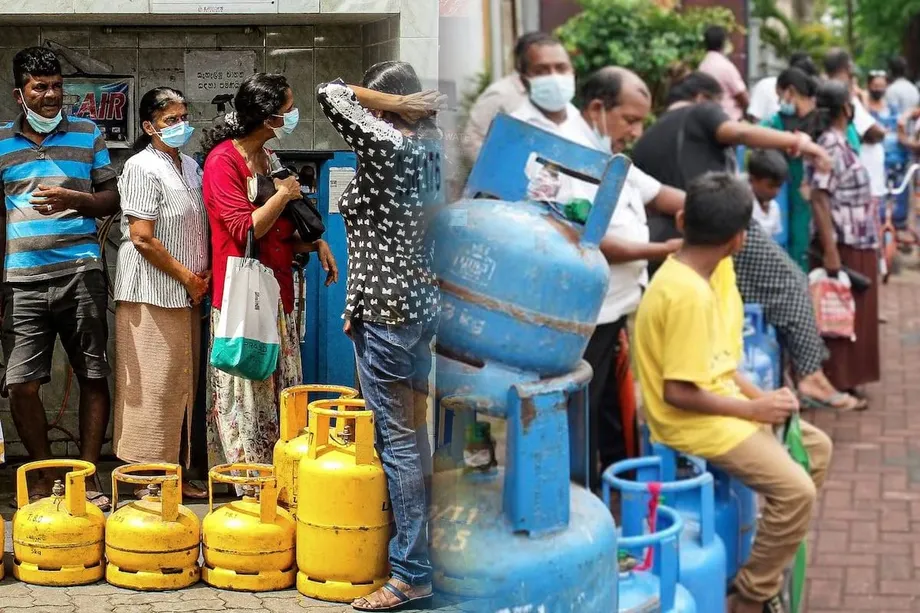
Households have also faced long queues to obtain cylinders. Consumers described disrupted daily routines, while dealers said inadequate stocks had left them struggling to meet requests. Some agents said they had received no wholesale supplies for around three weeks; others described the quantities received during that period as insufficient.
The shortage has revived concern about the gas queues experienced during Sri Lanka's past economic crisis. The immediate effects are concrete: time spent waiting, uncertainty over cooking supplies and lost business for establishments unable to stay open.
LAUGFS acknowledges stock problems
A senior LAUGFS official acknowledged difficulties with existing gas stocks and said fresh supplies were expected to reach the country within the next few days. The official said the company would then take steps to restore its distribution network promptly.
LAUGFS Holdings chairman W.K.H. Wegapitiya described a gas crisis emerging worldwide. The local disruption has also been linked to conflict in the Middle East, placing the companies' supply difficulties against a wider international backdrop.
Litro's explanation was more specific to its immediate operations: delayed vessels and a rise in purchases by consumers affected by the LAUGFS shortage. Together, the companies' statements describe pressure on imported supplies alongside a shift in demand within Sri Lanka.
For LAUGFS customers, the longer duration of the shortage remains central. Agents put the Western Province disruption at about three weeks, compared with roughly one week for Litro, while consumers elsewhere described nearly a month with very little LAUGFS availability. Recovery will need to reach those areas as incoming stocks become available.
What consumers can expect next
Gunawardena urged consumers not to stockpile gas while Litro worked towards its October 18 recovery target. Buying extra cylinders would add to the immediate demand facing dealers at a time when regular customers are already waiting for supplies.
Litro customers now have a stated date against which to judge the company's recovery effort. The practical change they need is consistent availability at local outlets, supported by the unloading shipment and the further deliveries Gunawardena said were expected.
LAUGFS customers and businesses face a less definite timetable, tied to the arrival of promised new stocks. In Kandy, renewed deliveries would allow affected hotels to obtain the gas needed to resume operations. Across the Western Province and other affected areas, the priority is the same: turning incoming cargoes into dependable local supplies.
Key Points
- Litro expects normal supplies by October 18, 2026, after a delayed vessel carrying 3,500 metric tonnes arrived.
- The cargo equals about 2.9 days of Sri Lanka's stated national gas requirement of 1,200 tonnes a day.
- Agents described LAUGFS shortages lasting about three weeks in the Western Province and Litro shortages lasting about one week.
- Several hotels in Kandy and nearby towns reportedly closed because they could not obtain LAUGFS gas.
- Litro said customers switching from LAUGFS added to demand and urged consumers not to stockpile cylinders.
- LAUGFS acknowledged stock problems and expected new supplies within days, without giving a firm recovery date.