October decision sought before November deadline
Bangladesh expects a decision by the end of October 2026 on its request to delay graduation from the United Nations least developed country category by three years, Commerce Minister Khandakar Abdul Muktadir said on October 19. The country is scheduled to leave the category on November 24, while the government is seeking more time to prepare businesses for changes to trade preferences.
Contents
- October decision sought before November deadline
- Why Bangladesh wants more preparation time
- How the extension request reached this stage
- Two routes to preserve access to Europe
- A wider push for trade agreements
- Business procedures take almost a year
- Digital services and fewer separate inspections
- Gas shortages and limited storage threaten production
- Jobs make investment reform urgent
- Key Points
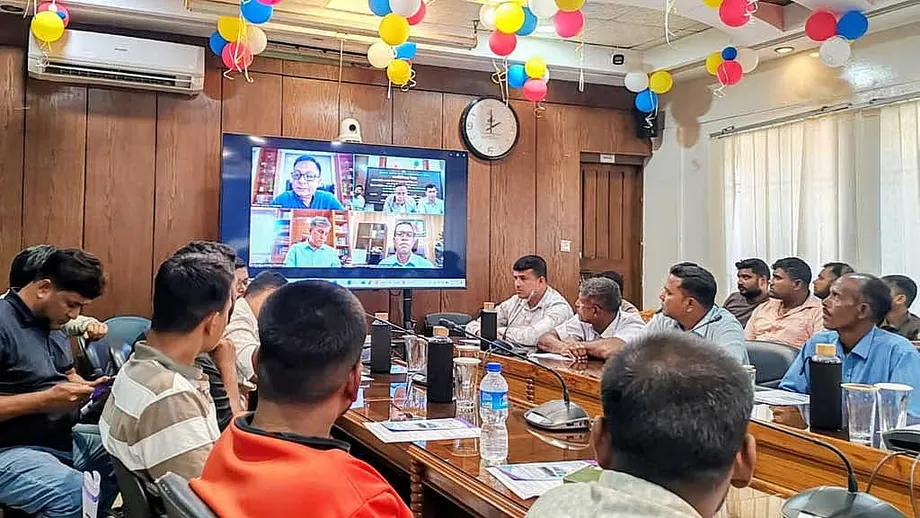
Speaking at a seminar in Dhaka, Muktadir said Bangladesh had passed the United Nations Committee for Development Policy stage and submitted its extension request to the UN Economic and Social Council. He said the European Union and other stakeholders supported giving Bangladesh additional time. A final decision on the postponement was still pending.
Muktadir, who also holds the industries and textiles and jute portfolios, described the expected timing:
"I am very optimistic that we will see a resolution of the matter next week or the week after," he said.
The government also wants to conclude negotiations on Comprehensive Economic Partnership Agreements, known as CEPAs, or free trade agreements with eight to ten countries during 2026 and 2027. Its most immediate European ambition is to complete negotiations on an EU free trade agreement before graduation.
Why Bangladesh wants more preparation time
Bangladesh currently benefits from trade preferences associated with its least developed country status, including access to the European market without customs duties or quotas. Customs duties are taxes on imported goods, while quotas limit how much can enter a market. Losing preferential access can make exports more expensive for buyers unless another arrangement takes its place.
Muktadir argued that Bangladesh had devoted too much attention to celebrating graduation politically and too little to preparing for its economic and financial challenges. He said the country needed stronger capacity both to benefit from the transition and to handle the difficulties it would bring.
The government has shared an action plan with deadlines with the EU, explaining how it intends to use the requested extension. Its agenda connects trade negotiations with energy supply, investment procedures and storage for essential goods. Extra time would give Bangladesh a longer period to pursue those changes before leaving the category.
How the extension request reached this stage
Bangladesh began its graduation process in 2018. Its preparation period had been expected to end in 2024, before the COVID-19 pandemic led to an additional two years. The current request would add another three years to the timetable.
The government has pursued the extension through several steps in 2026:
- February 17: The government asked the United Nations to extend the preparation period by three years.
- April 6: Prime Minister Tarique Rahman sought the UN secretary general's personal support for the request.
- June 2: The finance ministry announced a positive response from the Committee for Development Policy.
- October 19: Muktadir said the committee stage had been cleared and expressed hope for a decision within October.
- November 24: Bangladesh's scheduled graduation date remains the deadline the government wants the decision to precede.
A three year extension, if approved in full, would move graduation into 2029. The government's stated purpose is to use that period to improve readiness, with trade negotiations and domestic reforms advancing together.
Two routes to preserve access to Europe
Bangladesh has appointed a chief negotiator for the proposed EU free trade agreement and is preparing for the first round of technical discussions. No date has been fixed for those talks. Muktadir's target is to finish negotiations before graduation.
A free trade agreement sets negotiated rules for trade between participating economies, often reducing customs duties on covered goods. Completing negotiations is one stage; businesses need the resulting arrangements to take effect before they can use their benefits.
Bangladesh is also preparing to pursue the EU's Generalised Scheme of Preferences Plus, or GSP+. This is a separate route through which eligible countries can receive preferential access to the European market. The government plans to continue that work alongside the proposed free trade agreement.
Muktadir, explaining his preference for completing an agreement with the EU, said:
"However, I hope we will not have to take the GSP+ option, as we will complete the FTA before that," he said.
The parallel approach gives Bangladesh two avenues to pursue as it prepares for the eventual reduction or withdrawal of benefits tied to LDC status.
A wider push for trade agreements
Oman, Singapore and New Zealand are among the countries involved in negotiations or preparatory work. The government says Bangladesh has signed Comprehensive Economic Partnership Agreements with Japan and South Korea, while its broader target covers eight to ten countries during 2026 and 2027.
CEPAs can address a wider range of economic cooperation than tariff reductions alone. The practical benefits depend on the terms negotiated with each partner, including which goods and services receive better access and what requirements businesses must meet.
Bangladesh is also pursuing membership of the Regional Comprehensive Economic Partnership, or RCEP. Muktadir said the country had received approval in principle for inclusion and that procedural work was moving forward. A committee has been formed to oversee the accession process.
For exporters, the government's strategy is to build access through several agreements rather than rely solely on preferences linked to a development category. For investors, the value of those agreements will also depend on whether factories can obtain energy, bring in machinery and begin production without lengthy delays.
Business procedures take almost a year
Muktadir put the average time needed to complete the business formalities he described at 355 days, just ten days short of a full year. His figure covered a chain of steps: obtaining a trade licence, opening a bank account, securing initial clearances, obtaining an import registration certificate and opening a letter of credit for machinery imports.
A letter of credit is a bank's promise to pay a seller when agreed conditions are met. For an entrepreneur buying machinery from abroad, arranging it is part of getting equipment into the country and a factory ready to operate.
The length of that process matters because an investor may have money committed while still waiting to begin production. Muktadir said prolonged procedures made it difficult for entrepreneurs to maintain their enthusiasm and investment momentum.
The government wants to reduce those delays through a single online portal for trade licences. Applicants would submit documents and pay fees from anywhere in Bangladesh or abroad, with payments automatically reaching the relevant local government authority.
Digital services and fewer separate inspections
The Registrar of Joint Stock Companies and Firms, which handles company registration services, is also due to move its services fully online. The government plans to extend the validity of various licences to between three and five years, reducing how often businesses must renew them.
Coordinated inspections are another proposed change. Instead of receiving separate visits from several agencies, businesses would face a more joined process. Muktadir expressed hope that the reforms would reduce the time spent obtaining licences and permits by 2027.
Those measures address a different cost from tariffs: the time and administrative effort required to start and run a business. Bangladesh's programme therefore combines negotiations abroad with changes at home, where investors must register companies, obtain approvals and arrange imports before they can benefit from access to foreign markets.
Gas shortages and limited storage threaten production
Bangladesh's energy shortages remain a major obstacle to fresh investment, Muktadir said. The country depends heavily on imported gas and has insufficient storage for liquefied natural gas, or LNG, leaving it exposed when international supplies are disrupted or prices rise.
LNG is natural gas cooled into liquid form so it can be transported by ship. Terminals receive it and return it to gas for use. Muktadir said work was underway on additional floating LNG terminals and gas wells, alongside steps to expand electricity generation from solar power.
Storage is a separate concern. Terminals help bring fuel into the country, while reserves provide supplies that can be used when deliveries are interrupted. Muktadir called for greater storage capacity and strategic reserves to reduce Bangladesh's vulnerability to external shocks.
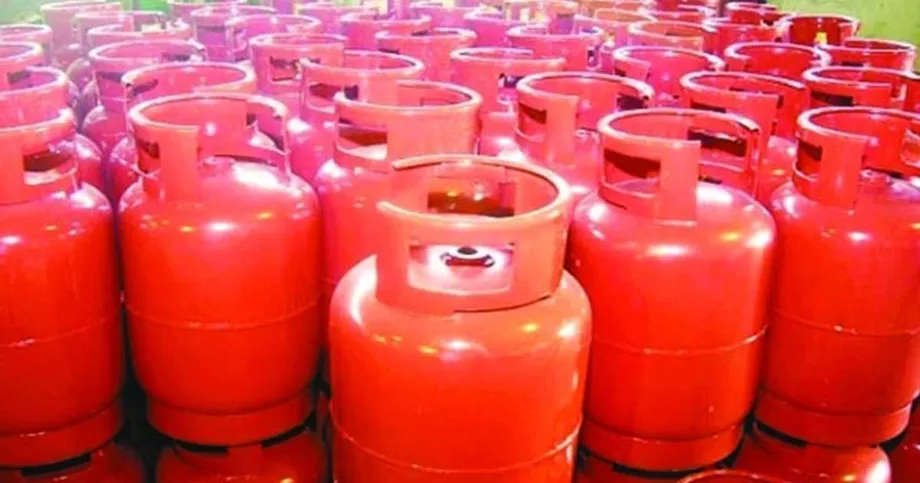
He also identified inadequate reserves of essential goods, including soybean oil and liquefied petroleum gas, or LPG. LPG is widely used as a bottled fuel. Limited reserves leave the government with less room to cushion shortages and price pressure when international supply becomes uncertain.
Jobs make investment reform urgent
Bangladesh may add an estimated 20 to 22 lakh people to its working age population each year, according to Muktadir. That is 2 million to 2.2 million people annually, giving the government's investment programme a direct connection to the need for more employment.
Muktadir said attracting investment required reliable energy, simpler business procedures and a transparent legal framework for resolving disputes. He also pointed to the need for purchasing power among consumers at home, alongside access to foreign buyers.
The practical challenge is to make those parts work together. A trade agreement can improve the terms on which a factory sells abroad; dependable fuel and quicker approvals help that factory produce goods and employ workers. The government's proposed extension is intended to provide time to advance both sides of that effort.
The October 19 seminar was jointly organised by the Economic Reporters' Forum and the Bangladesh Foreign Trade Institute. Forum President Daulat Akhtar Mala chaired the event, and institute Chief Executive Officer Dr Mostafa Abid Khan presented the keynote paper.
Key Points
- Bangladesh seeks a three year delay to graduation from the UN least developed country category, currently scheduled for November 24, 2026.
- Commerce Minister Khandakar Abdul Muktadir expects a decision within October.
- The government targets trade negotiations with eight to ten countries during 2026 and 2027, while pursuing an EU agreement before graduation.
- Preparations for EU GSP+ access and RCEP accession are moving alongside other trade initiatives.
- Planned domestic reforms address a business approval process averaging 355 days, energy shortages and inadequate strategic reserves.