A painless lump can still need urgent attention
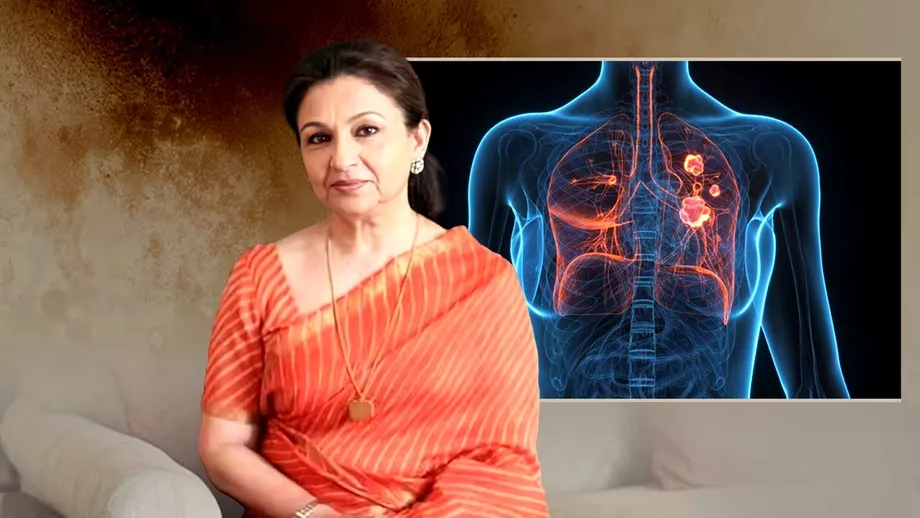
Among 102 women in a preliminary survey by IIT Madras and AIIMS Delhi, 75 had never undergone breast cancer screening. Of those 75, 45 said they had no symptoms. The respondents had a median age of 38, placing a common misunderstanding about breast health directly in the years when many women consider themselves too young to worry.
Contents
- A painless lump can still need urgent attention
- What do the figures say about younger women?
- Changes to notice beyond a lump
- Why feeling healthy can delay screening
- When should screening begin?
- Family history can guide a more personal plan
- Distance, privacy and cost shape the delay
- Finding an abnormality is only the beginning
- Treatment can preserve more than survival
- Making time for care requires practical support
- Key Points
Screening looks for cancer in people who have no symptoms. A new lump, nipple change or persistent skin change needs a medical assessment, whether or not a woman has reached the age recommended for routine screening.
India's burden is substantial. The Indian Council of Medical Research and National Centre for Disease Informatics and Research estimated about 200,000 breast cancer cases among women in 2020. Their cancer registry release, published on August 18, 2020, also recorded increasing breast cancer incidence in most participating registries and a greater proportion of breast cancers with spread in the breast region or nearby tissues.
Dr Mansi Munshi, a radiation oncologist at Ruby Hall Clinic in Pune, says a belief that cancer must hurt can delay a consultation. Her warning is straightforward:
Breast cancer does not always hurt and waiting for pain can delay diagnosis.
Most breast lumps are not cancerous. A clinician still needs to assess a new or unusual change rather than leaving a woman to judge its cause by pain, age or family history. For younger women balancing work, children and other responsibilities, arranging that appointment can be the first consequential step.
What do the figures say about younger women?
The claim that nearly half of Indian breast cancer patients are under 50 is frequently cited, including alongside estimates of more than 200,000 diagnoses in 2024. A national dataset supporting that precise age share was not identified with the claim. The practical message is firmer: breast cancer occurs before menopause, even though risk generally increases with age.
Medanta's breast cancer guidance, medically reviewed by Dr Rajeev Agarwal of Cancer Care and updated on April 15, 2025, places peak incidence between ages 50 and 64. Younger patients nevertheless face the disease, sometimes while planning a family or raising children.
Cases described in Indore and Ujjain include women aged 30, 33 and 35. The woman aged 35 initially dismissed a breast lump before seeking an examination when it persisted. In the woman aged 33, a history of cancer in her maternal grandmother prompted investigation, and genetic testing identified an inherited cause.
India's figures also need their dates and definitions attached. The ICMR estimate of 200,000 breast cancers in 2020 represented 14.8% of all cancer cases across both sexes. Medanta describes breast cancer as 14% of cancers among women, using a different denominator.
- August 18, 2020: ICMR and NCDIR released estimates drawing on 28 population registries and 58 hospital registries.
- 2023: Tamil Nadu recorded 49,225 new cancers among women, with breast cancer accounting for about three in 10.
- April 15, 2025: Medanta updated its guidance on breast cancer warning signs.
Changes to notice beyond a lump
A new lump in the breast or underarm is an important reason to seek care, but breast cancer can produce other changes. Munshi and surgical oncologist Dr Ritesh Tapkire advise women to pay attention to changes in the breast's appearance as well as how it feels.
- A new lump or thickened area in the breast, underarm or near the collarbone.
- A persistent or sudden change in breast size, shape or swelling.
- Skin dimpling, puckering, thickening, redness or a texture resembling orange peel.
- A nipple that has newly turned inward.
- Unusual nipple discharge, particularly blood.
- Persistent scaling, peeling, irritation or changes around the nipple.
- Persistent breast or nipple pain, even though many cancers are painless.
Medanta also lists newly prominent breast veins and unexplained whole breast swelling among changes worth assessing. Its guidance describes fatigue and general aches as possible symptoms, particularly in advanced disease. These common symptoms have many possible causes; a medical assessment can investigate them alongside any breast changes.
Menstrual cycles, infections, cysts and other noncancerous conditions can also affect breast tissue. Becoming familiar with the usual appearance and feel of the breasts helps someone notice a new change, while a clinician determines which examinations or tests are needed.
Why feeling healthy can delay screening
The IIT Madras and AIIMS Delhi survey found a gap between recognising a lump and recognising other symptoms. While 72.5% of respondents recognised a lump or thickening, 45.1% recognised redness or changes in skin texture. Only 37.3% recognised peeling or scaling of the nipple or breast skin.
Among women who had never been screened, 45 out of 75, or 60%, cited having no symptoms. The researchers described the survey as preliminary and said a larger sample was needed to represent women across Chennai.
Dr Bagyam Raghavan, a senior consultant radiologist and former president of the Breast Imaging Society of India who worked on the survey, explains that screening is intended for women who look and feel healthy. Once symptoms appear, the task is to investigate them rather than wait for the next routine screening appointment.
Screening access also depends on whether women feel comfortable using services. Three quarters of survey respondents preferred a female healthcare provider. Raghavan called for services designed around those needs:
Services have to be affordable, with women doctors and technicians available where women want them, along with privacy, dignity and comfort.
Tamil Nadu's registry figures show why access matters. Breast cancer incidence in 2023 was 35.6 cases per 100,000 women, compared with 15.7 for cervical cancer, more than twice as high. The state's total new cancers among women rose from 42,852 in 2019 to 49,225 in 2023, an increase of about 15%.
When should screening begin?
Dr Sangeetha K Parthiban, senior consultant in medical oncology at Apollo Cancer Centre in Bangalore, recommends beginning screening at 40, with an earlier start for women at higher risk. Dr Pranjil Mandloi, a consultant medical oncologist in Indore, advises women at average risk to discuss mammography after 40, with the starting age and interval guided by individual risk and applicable recommendations.
A mammogram uses a low dose of X rays to examine breast tissue. The breast is briefly compressed between plates to obtain images. Ultrasound may help investigate an abnormality and can be useful in younger women or during pregnancy. MRI, which uses magnetic fields, may be included in screening for women at high risk.
Some women at particularly high inherited risk may be advised to begin MRI screening from age 25, Mandloi says. Such a schedule requires specialist assessment. A woman with symptoms needs evaluation at any age, including well before 40.
Clinical breast examination by a trained health worker is another part of India's services. A Tata Memorial Centre trial involving 151,538 women found a reduction of about 30% in breast cancer mortality among women aged 50 and older in an analysis conducted after the main trial analysis. The reduction across all ages was about 15% and was not statistically conclusive. No mortality reduction was found below 50.
Family history can guide a more personal plan
BRCA1 and BRCA2 are genes involved in repairing damaged DNA. Certain inherited changes in these genes increase the risk of breast and ovarian cancer. Genetic counselling helps a person understand whether testing is appropriate, what the results could mean and how relatives might be affected.
A strong family history, especially close relatives with breast or ovarian cancer at young ages, should prompt that discussion. Dr Jame Abraham, chairman of hematology and medical oncology at Cleveland Clinic, also identifies young breast cancer patients and people with triple negative breast cancer as groups who should be assessed for inherited risk.
Triple negative breast cancer lacks three features commonly used to guide treatment: estrogen receptors, progesterone receptors and excess HER2 protein. Testing the tumour for these features helps doctors choose medicines.
Many women diagnosed with breast cancer have no known family history. Munshi and Dr Ankur Bahl, principal director of medical oncology at Fortis Memorial Research Institute in Gurugram, both advise attention to symptoms and personal risk regardless of whether a relative has had the disease.
Physical activity, maintaining a healthy weight, avoiding alcohol and tobacco, and breastfeeding are associated with lower risk, according to Dr Deepak Jha, chief of surgical oncology and breast surgery at Artemis Hospital in Gurugram. Mandloi cites an approximately 8% to 12% lower risk among women who exercise regularly than among inactive women. Risk reduction still needs to be accompanied by appropriate screening and prompt attention to symptoms.
Distance, privacy and cost shape the delay
Dr Bharat Patodiya, senior consultant and head of Unit III in medical oncology at Asian Hospital, describes mammography access as uneven, with facilities concentrated in large cities and private hospitals. Women in smaller towns may face long journeys, limited privacy and a shortage of trained female technicians.
Urban women can face different obstacles: cost, embarrassment, concern about radiation, discomfort during compression and difficulty taking time away from work or family responsibilities. Dr Arun Kumar Giri, director of surgical oncology at Aakash Healthcare Superspeciality Hospital, says fear and competing demands can postpone care until disease has reached nearby lymph nodes.
Karnataka recorded approximately 14,484 new breast cancer cases and 5,388 deaths associated with breast cancer in 2023, according to figures cited by Parthiban. These annual totals describe the pressure on services, where screening must connect to diagnosis and treatment.
National services include the National Programme for Prevention and Control of Non-Communicable Diseases, Ayushman Arogya Mandirs and ASHA workers. Abraham argues for organised invitations, reminders and follow up, so that women have a clear route from an examination to further care.
Finding an abnormality is only the beginning
Dr Navin Gnanasekaran, head of clinical services for radiology and interventional radiology in Apollo's Chennai region, cites estimates labelled GLOBOCAN 2024 of approximately 237,000 breast cancer diagnoses and 96,000 deaths annually in India. He argues that earlier detection needs a dependable treatment pathway, with imaging, biopsy, laboratory testing and specialist decisions connected.
Gnanasekaran proposes invitations to mammography every two years for women aged 40 to 60, beginning in 20 districts and assessing changes in stage at diagnosis after three years. This is his proposed programme, rather than an announced national screening schedule.
His proposal includes mobile services, transport arrangements, remote image reading and a navigator to help each woman complete care. Artificial intelligence could assist radiologists in reviewing scans, he says, with tools first validated using images from Indian women and a radiologist signing each report.
Patodiya also discusses research into blood tests that look for small RNA signals associated with cancer. He describes them as a potential additional approach to early detection while retaining mammography and clinical examination when indicated. No timetable for routine use is given.
Blood testing has another role in some patients who already have advanced breast cancer. A liquid biopsy can identify genetic changes associated with the tumour and help select treatment, Mandloi says. The clinical question there is which medicine may work for an existing cancer.
Treatment can preserve more than survival
Dr Charu Garg, vice chairman and head of the radiation oncology unit at Max Healthcare, says breast conserving surgery followed by radiotherapy can offer outcomes comparable to mastectomy in appropriately selected patients. Breast conserving surgery removes the cancer while retaining much of the breast; mastectomy removes the breast.
Radiotherapy planning can account for the tumour, previous surgery and the patient's health. Garg describes techniques including deep inspiration breath hold, which uses a held breath to help protect the heart in suitable treatments, alongside surface guidance and imaging to improve positioning and delivery. Shorter schedules may reduce hospital journeys for eligible patients.
Medicines also depend on the cancer's biology. Hormone therapy treats cancers that respond to hormone signals. Targeted medicines act on particular tumour features, while immunotherapy helps the immune system attack cancer in selected cases. Some patients with a low risk hormone receptor positive tumour may avoid chemotherapy after appropriate assessment, Mandloi says.
Younger patients may need fertility advice before treatment starts. The woman aged 30 in Indore faced questions about future motherhood alongside her diagnosis. Egg or embryo freezing may be an option, depending on her circumstances and treatment plan.
Making time for care requires practical support
Pregnancy after breast cancer treatment is possible for some women, but its timing depends on the cancer type, stage and medicines used. Discussing fertility before treatment gives patients and specialists an opportunity to consider preservation options and coordinate cancer care with reproductive care.
Families and employers can also reduce delays in concrete ways. Jha points to accompanying someone to an appointment, listening without judgement and providing practical help during diagnosis and treatment. Giri argues that awareness needs to reach workplaces, residential communities, anganwadis and families throughout the year.
For a woman who discovers a new lump, the immediate task is arranging an assessment rather than waiting for pain or assuming her age protects her. For a woman without symptoms, the task is discussing an appropriate screening plan based on age, family history and other risks. Both depend on services that are affordable, accessible and able to carry an abnormal finding through to treatment.
Key Points
- A painless lump, new nipple change, skin dimpling or persistent breast change needs medical assessment at any age.
- In a preliminary survey of 102 women, 75 had never been screened; 45 of those cited having no symptoms.
- Screening is intended for people without symptoms. Doctors advise discussing mammography around age 40, with earlier plans for some women at high risk.
- A strong family history or a young diagnosis may prompt genetic counselling and testing.
- Distance, cost, privacy and access to female healthcare providers can affect whether women obtain care.
- Treatment depends on tumour type and stage. Fertility concerns should be discussed before treatment begins.