Evening electricity shortfall reaches 116 megawatts
Electricity shortages across 21 districts in southwestern Bangladesh worsened on October 14, with the West Zone Power Distribution Company (WZPDCL) recording an evening shortfall of 116 megawatts. Demand reached 694 megawatts, while supply stood at 578 megawatts, leaving about one sixth of the electricity needed unavailable.
Contents
- Evening electricity shortfall reaches 116 megawatts
- How quickly did the shortage grow?
- Khulna and Barishal faced different pressures
- Repeated outages disrupt ordinary routines
- Rural customers describe longer interruptions
- Shrimp farms need electricity to keep stocks alive
- Factories face higher costs and interrupted production
- Fuel shortages leave power plants idle
- Why available capacity is difficult to replace
- Key Points
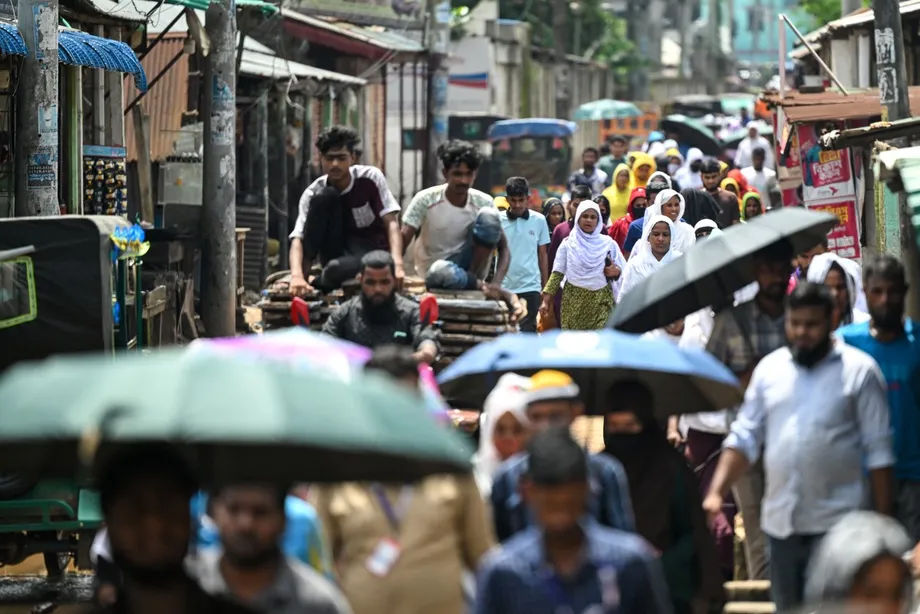
Khulna and surrounding districts faced repeated interruptions that disrupted studying, cooking, refrigeration and factory operations. Belal Hossain, a resident of Goborchaka in Khulna, described outages lasting up to an hour and a half at a time and estimated that his neighbourhood had gone without electricity for 13 to 14 hours.
WZPDCL's central electricity control room recorded a shortage of 101 megawatts shortly after 1pm that day, even outside the evening period of heavier demand. The previous afternoon's shortfall had been 36 megawatts.
Electricity demand actually fell between those two afternoon readings. Supply fell much faster, turning a smaller gap into a shortage nearly three times as large. The figures point to reduced electricity availability as the immediate problem, rather than a sudden increase in regional consumption.
Accounts from rural Khulna and the shrimp industry describe how repeated interruptions spread beyond household discomfort. Students lose study time, farms struggle to keep water aerated, and exporters spend more on generators to protect frozen products.
How quickly did the shortage grow?
WZPDCL's readings for October 13 and 14 show shortages increasing during both afternoon and evening hours. Load shedding means deliberately cutting electricity to some customers when available supply cannot meet demand.
- October 13, 1pm: demand was 741 megawatts and supply was 705 megawatts, leaving a shortage of 36 megawatts.
- October 13, 7pm: demand was 721 megawatts and supply was 642 megawatts, leaving a shortage of 79 megawatts.
- October 14, shortly after 1pm: demand was 661 megawatts and supply was 560 megawatts, leaving a shortage of 101 megawatts.
- October 14, evening: demand was 694 megawatts and supply was 578 megawatts, leaving a shortage of 116 megawatts.
Afternoon demand fell by 80 megawatts between the two dates, but supply dropped by 145 megawatts. Consequently, the proportion of demand left unmet rose from about 4.9% to 15.3%.
Evening supply fell by 64 megawatts while demand declined by 27 megawatts. The resulting shortage increased by 37 megawatts, or about 47%, from the previous evening.
A megawatt measures power at a particular moment. These readings describe the size of the electricity gap at the stated times. Household outage hours depend on how a distributor spreads those cuts across its network.
Khulna and Barishal faced different pressures
Khulna zone accounted for 81 megawatts of the October 14 evening shortage. Its demand was 528 megawatts against supply of 447 megawatts. Barishal zone needed 166 megawatts but received 131 megawatts, leaving a gap of 35 megawatts.
Khulna therefore had the larger shortage in absolute terms, while Barishal lost a greater share of its required supply. About 15.3% of Khulna zone's evening demand went unmet, compared with 21.1% in Barishal zone.
Barishal's afternoon position was more difficult still. Supply of 138 megawatts against demand of 180 megawatts left a 42 megawatt gap, equivalent to about 23.3% of demand. Khulna zone's afternoon shortage was 59 megawatts against demand of 481 megawatts.
The previous afternoon, Barishal zone had received all 174 megawatts it required. Its move from full supply to a substantial shortage helps explain why residents could experience a sharp deterioration within a day.
The October 14 evening district breakdown listed Khulna at 29 megawatts, Barishal at 22 megawatts, Rajbari at 13 megawatts and Faridpur at 12 megawatts. However, all the district entries together total 129 megawatts, compared with the control room's regional total of 116 megawatts. The regional and zone totals agree with each other; the district breakdown contains an unresolved numerical discrepancy.
Repeated outages disrupt ordinary routines
Khulna residents described electricity disappearing during essential tasks rather than at convenient, predictable intervals. Ambia Khatun of Boyra said an existing gas shortage had pushed households to rely on electricity, making repeated power cuts harder to manage. Latika Rani of Tutpara described a sudden deterioration that interrupted urgent work.
Other accounts describe seven or eight interruptions within 24 hours. Hajera Khatun, a resident of Nirala in Khulna, said cuts were occurring during both daytime and nighttime. College student Imon Sheikh described difficulty studying in the heat and a return to using candles.
Meghla Mollick, an HSC examination candidate from Debitala village in Batiaghata, described the effect on her education:
Since last week, power has been going out every two to three hours throughout the day and night. It is seriously hampering my studies.
Her mother, Pritilata Mollick, said the family had no backup electricity system. Other residents described food spoiling in refrigerators and rechargeable fans or backup power units failing to recharge sufficiently between interruptions.
Repeated cuts can leave a household with little practical recovery time. Electricity may return, but another interruption can arrive before batteries recharge or a refrigerator restores its temperature.
Rural customers describe longer interruptions
Residents in rural Khulna described outages lasting up to 10 hours a day, with Batiaghata, Dacope, Dumuria and Koyra among the areas experiencing severe disruption. Their electricity service includes a different distributor, Khulna Palli Bidyut Samiti, alongside the wider regional supply picture described by WZPDCL.
WZPDCL serves approximately 1.4 million electricity consumers, including around 245,000 in Khulna. Tushar Kanti Mondal, general manager of Khulna Palli Bidyut Samiti, said his utility serves around 450,000 consumers and has peak demand of approximately 80 to 85 megawatts.
Mondal gave a reading of 74 megawatts in demand and 71 megawatts in supply at 3pm, a shortage of 3 megawatts. A reading for one distributor at one hour captures a different part of the system from residents' descriptions of interruptions accumulated throughout a day.
Other WZPDCL readings also show sustained regional pressure. On a Thursday at 1pm, demand of 659 megawatts exceeded supply of 560 megawatts, leaving a 99 megawatt gap. By nightfall, demand was approximately 700 megawatts and the shortage exceeded 100 megawatts.
A Sunday reading at 8pm put demand at 773 megawatts and supply at 673 megawatts. Khulna zone accounted for 71 megawatts of that 100 megawatt shortage and Barishal zone for 29 megawatts.
No year accompanies the October dates, and the Thursday and Sunday readings have no full calendar dates. Their exact chronological relationship is therefore unspecified.
Shrimp farms need electricity to keep stocks alive
Krishna Biswas, a shrimp farmer in Khalashi Bunia village, described a direct risk to her stock when electricity fails. Her farm depends on aeration machines, which help maintain oxygen in the water.
Biswas explained why prolonged interruptions during hot weather worry farmers:
If the aerators stop because of load-shedding, the shrimp will suffer. In this intense heat, prolonged outages could wipe out the entire stock.
Aerators move and mix water so that oxygen reaches the animals being raised. A loss of electricity can therefore interrupt a basic condition needed to keep shrimp alive, creating a different kind of emergency from a delayed household task.
The Bangladesh Frozen Foods Exporters Association (BFFEA) says only 30 of 109 registered shrimp processing factories in Khulna are operating, along with 18 in Chattogram. The association puts their combined annual processing capacity at around 400,000 tonnes, while saying factories receive only about 7% of the shrimp they require.
Those figures describe an industry already struggling with a severe shortage of raw material. Unreliable electricity adds another problem at the farm, processing and storage stages.
Factories face higher costs and interrupted production
Shyamal Das, a BFFEA director and managing director of MU Sea Food Limited, said electricity shortages had already interrupted factory operations:
This shortage of electricity has already forced many factories to suspend operations temporarily.
Das said declining production and factory closures threaten the livelihoods of nearly six million people who depend directly or indirectly on the shrimp industry. His warning covers the wider network of work around shrimp production, rather than factory employees alone.
Humayun Kabir, another BFFEA director, described rising generator costs for frozen shrimp exporters trying to maintain cold storage temperatures during outages. Generators provide an alternative source of electricity, but require fuel and add operating expenses.
Electricity shortages therefore reach businesses in several ways. Farms need power to maintain suitable water conditions, processors need it to run machinery, and exporters need dependable refrigeration. A factory receiving too little shrimp also has less production over which to spread its costs.
Fuel shortages leave power plants idle
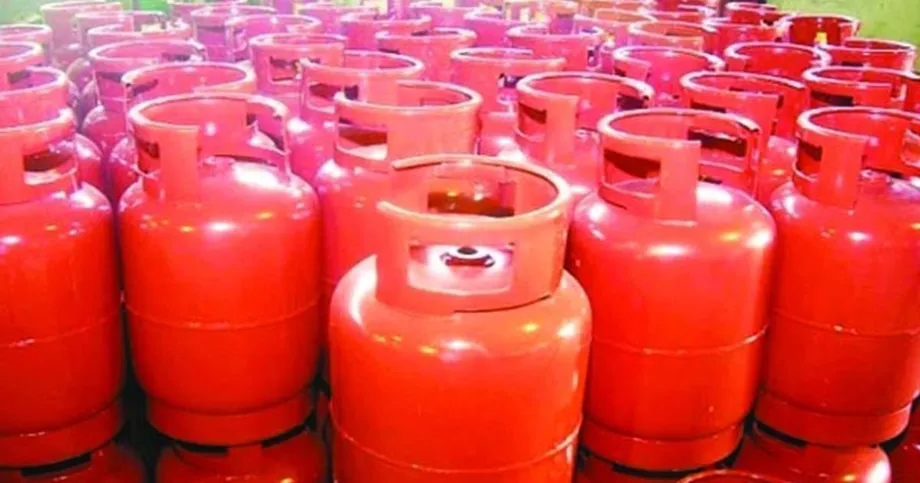
National figures describe a wider generation problem behind the regional pressure. Bangladesh Power Development Board (BPDB) officials attributed the shutdown of 35 power plants to several causes, with fuel shortages, particularly inadequate gas supplies, identified as the main reason. Nationwide load shedding was reported to have reached 2,500 megawatts.
BPDB figures for October 7 put demand from plants using gas at 2,524 million cubic feet per day, against supply of 895 million cubic feet per day. Those plants received about 35.5% of their requested gas, leaving a gap of 1,629 million cubic feet per day.
A Power Division official put Bangladesh's gas supply at approximately 1,600 million cubic feet per day from domestic production and another 1,000 million from imported liquefied natural gas (LNG). LNG is gas cooled into liquid form for transport and converted back into gas before use.
Power plants compete with industrial users for that supply. Officials said sending more gas to electricity generation could deepen shortages in factories and disrupt exports.
The plant shutdowns also involved maintenance, expired contracts and mechanical problems. BPDB data listed outages affecting Ghorashal, Bheramara, Baghabari and Sirajganj, among other facilities. All units at the Barapukuria coal plant were also reported shut.
Why available capacity is difficult to replace
A Power Division official estimated electricity generation costs at about Tk25 per unit for furnace oil, Tk13 to Tk14 for coal and Tk7 for gas. A unit of electricity means one kilowatt hour, the energy used by a device drawing one kilowatt for one hour.
At those quoted rates, electricity from furnace oil costs roughly 3.6 times as much to generate as electricity from gas. Replacing missing gas generation with oil therefore requires substantially more money, as well as available fuel and working plants.
The Power Grid Company of Bangladesh recorded nationwide load shedding of 2,040 megawatts at 1am on October 7, falling to 859 megawatts at 8am before rising to 1,161 megawatts at 4pm. Those readings show shortages changing considerably within a single day.
BD Rahmat Ullah, former director general of Power Cell, connected the problem to planning decisions that expanded generating facilities without securing enough fuel:
"As a result, we have power plants but cannot operate them due to fuel shortages," he said.
Rahmat Ullah advocated renewable electricity and battery storage, citing the use of solar generation during daytime and stored electricity at night. His proposal addresses longer term supply planning, while the immediate accounts from southwestern Bangladesh describe customers and businesses managing repeated interruptions with the electricity currently available.
Key Points
- WZPDCL recorded an evening shortage of 116 megawatts across 21 districts on October 14, against demand of 694 megawatts.
- The afternoon shortage rose from 36 to 101 megawatts in a day, even as electricity demand declined.
- Khulna zone had the larger evening shortfall, while Barishal lost a greater share of its required supply.
- Residents described disrupted studies, household routines and refrigeration, with prolonged outages in rural areas.
- Shrimp farmers and exporters face risks to stock, interrupted production and higher generator costs.
- National power generation is constrained by inadequate fuel, alongside maintenance, contract expiries and equipment problems.