Apologies follow an episode released on October 5
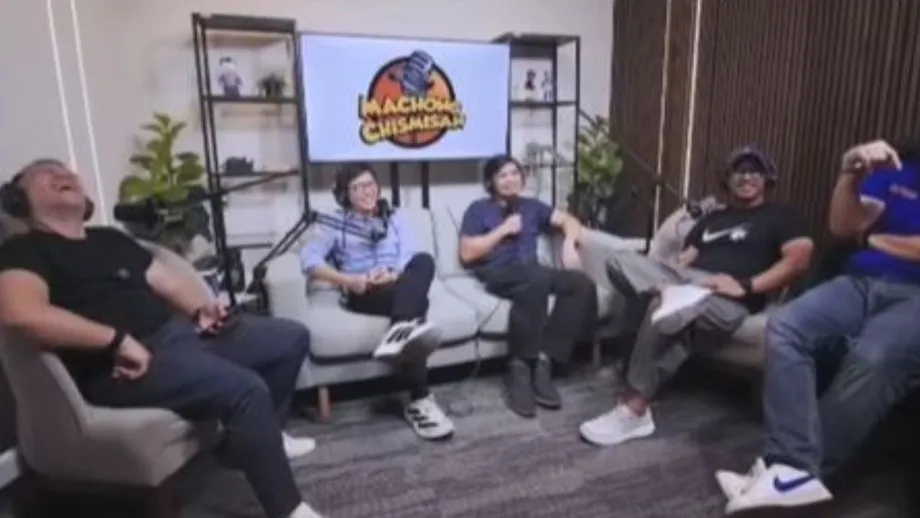
Machong Chismisan host Tito P apologized on October 14, 2026, after remarks mocking Josh Aquino, the eldest son of actress and television host Kris Aquino, prompted condemnation from disability advocates, television host Boy Abunda and fashion designer Michael Leyva. The podcast removed Season 29, Episode 20, while its management, The Pod Network, announced a review of how the episode reached the public.
Contents
- Apologies follow an episode released on October 5
- What happened in the recorded exchange?
- Tito P accepts responsibility and discusses ADHD
- Makoy Pare and Lawrence Vivar address their roles
- The Pod Network promises rules across its shows
- Autism advocates seek action beyond an apology
- NCDA warns about the harm from reposting
- Boy Abunda urges Kris Aquino to consider court action
- Michael Leyva defends Josh as an older interview resurfaces
- Key Points
The episode, titled S29E20: Ang Pagbabalik ni Kris Aquino, was published on October 5. A clip circulating online showed Tito P comparing Josh, who is on the autism spectrum, with his younger brother Bimby and calling Josh "walang kuwenta," meaning useless or worthless. Other hosts could be heard laughing.
The Autism Society Philippines (ASP) called for action by the podcast's management, online platforms and government authorities. The National Council on Disability Affairs (NCDA) separately condemned the remarks and warned that reposting the deleted segment could expose people with disabilities to further ridicule.
Tito P's personal apology followed a statement signed by co-host Makoy Pare on behalf of the program. Co-host Lawrence Vivar also apologized for his participation, including laughing during a discussion about people with disabilities. Their responses addressed different responsibilities: the words spoken, the reactions around the table and the decision to publish the conversation.
What happened in the recorded exchange?
Josh became a subject of discussion while the hosts were talking about Kris Aquino's popularity and influence, including her family. The comparison presented Bimby as a good son while dismissing Josh. Host RJ Carbonell then mentioned an alleged school allowance of PHP3,000 a day, followed by another mocking comment from Tito P about Josh sitting and doing nothing.
The allowance figure was a claim made during the conversation. The criticism centered on how the hosts used Josh's disability and their comparison between the brothers as material for laughter.
Autism spectrum disorder (ASD) is a developmental condition that can affect communication, social interaction, learning and how a person experiences the world. The word spectrum refers to the different ways autism can affect people and the different kinds of support they may need.
Vivar described the viral video as a clip lasting 26 seconds. Although the full episode was removed from YouTube and other streaming platforms, recordings of the segment continued circulating on social media. The main dates and responses were:
- October 5, 2026: Machong Chismisan published Season 29, Episode 20.
- October 14: Michael Leyva publicly defended Josh and condemned the remarks.
- October 14, afternoon: Makoy Pare issued the podcast's apology and confirmed the episode's removal.
- October 14, evening: Tito P issued a personal apology on the podcast's official Facebook page.
Tito P accepts responsibility and discusses ADHD
Tito P acknowledged that his remarks had hurt Josh, people on the autism spectrum and their families. In his statement, the podcast host described the harm in his own words:
Regrettably, I made remarks that were disparaging toward Josh Aquino and hurt many people who relate to his condition as a person on the autism spectrum, as well as those who have loved ones like him.
Tito P said he had been diagnosed with attention deficit hyperactivity disorder (ADHD), which can affect attention and impulse control. He explained that difficulty filtering thoughts before speaking was part of his experience, while accepting responsibility for what he said and the laughter that followed.
The host explicitly described his disclosure as context for his behavior:
I share this not to excuse my behavior, but to provide context.
Tito P said the public backlash made him recognize the nature of the joke. He thanked Machong Chismisan and Makoy for removing the video, and apologized to his co-hosts, The Pod Network and others who received unwanted publicity because of his words.
He also said he was reaching out to those directly affected in hopes of apologizing in person and would continue seeking helpful and professional advice to become more accountable and respectful. He asked people not to use edited portions of the episode to malign or hurt others.
Makoy Pare and Lawrence Vivar address their roles
Makoy Pare's statement said Machong Chismisan had operated as a comedy podcast since 2014, encouraging hosts and guests to speak freely to make one another and listeners laugh. It maintained that the program had no intention of maligning people or targeting them for likes and views.
The statement nevertheless acknowledged that some remarks in the removed episode were unacceptable. Speaking on behalf of the podcast, Makoy explained why it had taken the episode down:
It has since become clear to us that some remarks made during the deleted episode were inexcusably insensitive and hurtful.
The program apologized to people mentioned in the discussion, listeners who were hurt and the persons with disabilities (PWD) community. It said it had stopped publicizing clips from the episode and would reach out privately to determine how to make amends respectfully.
Vivar said he had objected to Tito P's remarks during the recording, describing them as a "low blow." He still regretted his own participation and laughter, accepted criticism and said comedians should avoid "punch down" humor, which targets people who have less power or face disadvantage. He also asked that his family be left out of the controversy.
Machong Chismisan promised closer review of future episodes and immediate responses to potentially hurtful remarks during recording. Makoy invited people with grievances about episodes or comments to contact the podcast's page for review.
The Pod Network promises rules across its shows
The Pod Network acknowledged concerns from listeners and apologized for the hurt caused. Its statement addressed the dignity of both people with disabilities and neurodivergent people, a term used for people whose brains function differently from what is considered typical, including some people with autism or ADHD.
The network, which manages and distributes the program, stated:
Persons with disabilities and neurodivergent individuals deserve dignity and respect, and that includes how they are talked about on our shows. We are sorry for the hurt this has caused.
The Pod Network said creators speak in their own voices, while accepting responsibility for what it shares with the public. It confirmed that the episode had been taken down during a review of how it was published.
The network also announced plans to strengthen its processes and formalize editorial guidelines across its shows. Those guidelines would cover disability, mental health, minors, relatives of public figures and other sensitive subjects.
The podcast's promise concerns both what happens during a recording and what survives review before release. The network's response extends that responsibility to the distribution stage, when a conversation becomes content available to a much larger audience.
Autism advocates seek action beyond an apology
The Autism Society Philippines issued a statement titled Patawang Hindi Nakakatawa, meaning humor that is not funny. It condemned the use of disability as entertainment and called for accountability from the people creating and distributing the content.
The organization explained its objection to treating humiliation as comedy:
Making fun of persons with disabilities for views, laughs, or viral engagement is not automatically protected by the excuse of comedy. A person's disability is not a punchline, and humiliation is not entertainment.
ASP called for the censure of the creators by The Pod Network, their platforms and relevant government authorities. Censure means a formal expression of disapproval. Its demand sought an institutional response alongside the personal apologies already issued.
The organization urged creators to consider whether their content challenges prejudice or humiliates someone because of disability. It also argued that disability inclusion is a matter of rights, placing the incident within the protections owed to people with disabilities rather than simply a disagreement over taste.
ASP cited Republic Act No. 7277, the Magna Carta for Persons with Disabilities, and Republic Act No. 9442, which amended it. Whether particular remarks amount to a legal offense depends on the circumstances and the applicable legal process.
NCDA warns about the harm from reposting
The National Council on Disability Affairs separately condemned the segment for placing people with disabilities, particularly those on the autism spectrum, at the center of mockery and demeaning commentary.
The council said removing the episode does not erase the harm caused by discriminatory remarks. It urged creators and influencers to exercise responsibility on digital platforms and asked social media users to avoid sharing or engaging with content that humiliates people because of disability.
Reposting became a central issue because copies of the removed segment remained in circulation. NCDA's warning focused on the people who could face renewed ridicule each time the clip reached another audience. Tito P's request that edited clips not be used to hurt others addressed the same continuing circulation.
NCDA cited Republic Act No. 7277 as amended by Republic Act No. 9442, which prohibits public ridicule and vilification of people with disabilities. Public ridicule includes mocking someone because of disability; vilification involves abusive expressions of contempt or hatred. These protections give disability advocates a legal framework for seeking accountability.
Penalties for a first offense under the law can include a fine of PHP50,000 to PHP100,000, imprisonment of six months to two years, or both. Any determination of liability would require the relevant legal proceedings.
Boy Abunda urges Kris Aquino to consider court action
Boy Abunda condemned the remarks on Fast Talk with Boy Abunda, describing them as cruel and hurtful to Josh and to other people with disabilities and their families. He said he had watched the circulating clip but had not yet watched the full episode when he delivered his response.
The television host recalled visiting Kris Aquino in the United States and seeing Josh gather the household each morning to lead a prayer. His account gave a specific picture of Josh's place in family life, contrasting with the dismissive portrayal in the podcast.
Abunda cited Republic Act No. 9442 and said he would advise Kris to pursue legal action if she asked him. He explained that they had not discussed the matter:
If Kris were to ask me, we haven't had a chance to speak about this, but I would tell her to go to court. Sue them.
Abunda also encouraged public discussion of the incident to improve awareness of disability. He ended with a personal message to Josh, whom he said he had watched grow up:
I am sorry for what happened to Josh. I love you, Josh, if you're watching. I saw him grow up. He's a fine young man. He's a good boy.
Michael Leyva defends Josh as an older interview resurfaces
Michael Leyva, a fashion designer and close friend of the Aquino family, publicly defended Josh on October 14. He described Josh, Kris Aquino's son with actor Phillip Salvador, as kind and intelligent and condemned making his disability a subject of entertainment.
Leyva's message rejected the hosts' treatment of Josh:
It is not funny, and it will never be funny.
The designer also criticized the idea that deleting the episode would end the controversy. Recordings had already spread beyond the podcast's own channel, leaving the apologies and proposed changes open to continued public scrutiny.
Kris Aquino's camp had not issued a statement at publication, and no legal filing or deadline for completing the network's guidelines was announced. An older interview with Kris resurfaced during the controversy, in which she said she had learned to choose her battles but would fight back when people insulted her children, her family's integrity or her parents' legacy.
In that earlier interview, Kris said attorney Sig Fortun was on retainer. Her remarks described her longstanding approach to attacks on her family. The next concrete developments would be any response from the Aquino family and the actions the podcast and network take to fulfill their promises.
Key Points
- Machong Chismisan removed Season 29, Episode 20, published on October 5, 2026, after criticism of remarks about Josh Aquino.
- Tito P apologized on October 14, acknowledged the harm and said his ADHD disclosure was context rather than an excuse.
- Makoy Pare apologized for the podcast, while Lawrence Vivar accepted responsibility for his participation and laughter.
- The Pod Network announced a publication review and plans for editorial guidelines covering sensitive subjects.
- Autism Society Philippines sought formal accountability, while NCDA warned against reposting humiliating content.
- Boy Abunda urged Kris Aquino to consider legal action; her camp had not publicly responded at publication.