A new drama service inside China's everyday messaging app
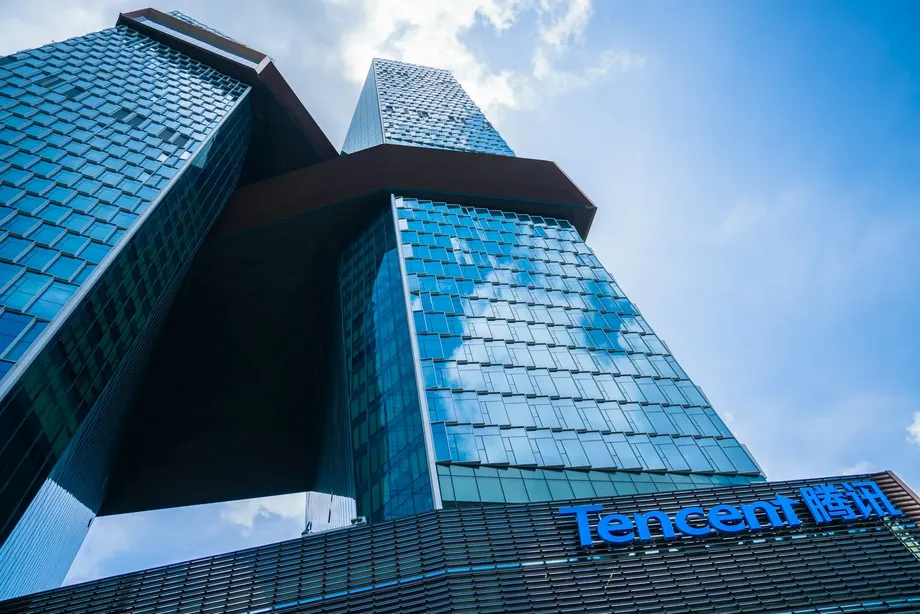
Tencent has launched Lüpaopao Duanju, a free short drama service inside WeChat, bringing live action, animated and AI generated series into an app that people already use for messages, payments and sharing. The service began appearing in September 2026 and had replaced the entrance to WeChat's earlier official Short Drama mini program by October.
Contents
- A new drama service inside China's everyday messaging app
- What viewers can watch and how they find it
- Friends' viewing helps shape recommendations
- A large WeChat audience, spread across many services
- Hongguo has scale and established viewing habits
- Tencent's short drama push has a longer history
- Advertising pays for free viewing
- AI dramas add supply and competition for creators
- Convenience must become a reason to return
- Key Points
The launch puts Tencent's messaging network behind a direct challenge to ByteDance's Hongguo. QuestMobile figures put Hongguo's daily active audience at 168 million in July 2026, up 107% from a year earlier. That exceeded the combined daily audience of about 155 million for Tencent Video, iQIYI, Youku and Mango TV.
Lüpaopao's approach is to remove a familiar obstacle: downloading another app. Viewers open a mini program, a small application that runs within WeChat, and watch dramas free of charge, with advertisements between episodes. They can browse a catalogue, swipe through recommendations or discover series through friends.
The Short Drama Mini Program User Agreement identifies Shenzhen Tencent Computer Systems Company Limited as the operator. It says outside providers supply the dramas and authorize the service to display and play them. Tencent therefore controls this viewing entrance while relying on producers, distributors and other mini programs for its catalogue.
Tencent's opportunity is substantial. QuestMobile's 2026 Short Drama Industry Insight Report counted 427 million monthly users of short drama mini programs within WeChat in February, compared with 335 million users of dedicated short drama apps. Lüpaopao gives Tencent a service of its own within that already busy market.
What viewers can watch and how they find it
Lüpaopao has three main areas: a free theatre, a vertically scrolling recommendation feed and a personal section. The theatre groups series into categories including AI dramas, live action dramas, animation, daily additions, weekly selections and titles with more than a million plays.
The recommendation feed offers a different route into the catalogue. Viewers swipe up or down to move between suggested content rather than choosing from a conventional list. Rankings, newly added titles and recommendations based on friends' viewing give the homepage several ways to draw attention to a series.
WeChat search provides an entrance to the service. Videos in Channels, WeChat's video platform, can also carry links that take viewers to a drama. Searches for relevant titles in QQ Browser have featured recommendations, extending discovery beyond the mini program's own homepage.
A floating playback window lets a viewer continue watching while replying to a WeChat message. This is a practical part of Tencent's strategy: entertainment can stay on screen while someone uses the messaging functions that brought them into WeChat in the first place.
Friends' viewing helps shape recommendations
Tencent gives social discovery a visible place in Lüpaopao. The homepage includes recommendations based on what friends are watching, alongside regional lists showing dramas popular with friends in a particular area.
The company says its personalized recommendations use browsing, viewing, sharing, likes, comments and saved content, as well as information about dramas watched by friends. In simple terms, suggestions draw on both a person's own activity and viewing activity within their social network.
Zhang Yi, chief executive of research company iiMedia Research, sees the service as a way to bring audiences scattered across many mini programs into an official entrance. His assessment is that sharing between people can become a central means of distributing dramas, rather than leaving discovery entirely to an app's recommendation feed.
The same design creates a balancing act. Sharing can help a drama reach new viewers, while repeated recommendations of similar stories could make the service tiring. Zhang argues that repetitive content, rather than the availability of traffic alone, is a central problem Tencent needs to address.
A large WeChat audience, spread across many services
QuestMobile's February figures show why Tencent is investing in this format. WeChat's short drama mini programs reached 427 million monthly users, 92 million more than the 335 million using dedicated short drama apps. The mini program audience was about 27% larger.
Much of that audience, however, was distributed among services operated by outside businesses. QuestMobile counted 54 WeChat short drama mini programs with more than one million monthly users in February 2026, up from 32 a year earlier. That is an increase of 22 services, or nearly 69%.
Hongguo concentrates a large audience within a single product. It had 304 million monthly users in February, while the entire dedicated short drama app category had 335 million. Users may visit several services during a month, so category totals measure audiences across a market rather than separate groups that can simply be added together.
For Tencent, the task is to turn WeChat's existing appetite for dramas into repeated visits to Lüpaopao. A viewer who already watches through another mini program still needs a reason to choose Tencent's service next time.
Hongguo has scale and established viewing habits
Hongguo's lead extends beyond the number of people opening it. QuestMobile measured average daily use per user at 125 minutes in February 2026, compared with 41.7 minutes for Hemajuchang, the second largest dedicated short drama app by monthly audience in that dataset. Hongguo's figure was almost three times as high.
Hemajuchang had 39 million monthly users that February, against Hongguo's 304 million. By July, Hongguo's 168 million daily users exceeded the combined daily audience of the four major traditional video platforms by about 13 million.
Entertainment industry analyst Zhang Shule argues that Hongguo's early expansion has built advantages in its content library, viewers' habits and relationships with creative teams. He expects those advantages to be difficult for a new competitor to match quickly.
Lüpaopao also recommends some titles already popular on Hongguo. A shared catalogue gives viewers familiar choices, but Tencent still needs reasons for people to return to its particular service. Zhang's assessment is that several successful dramas and a regular viewing habit will matter more than an initial flow of visitors from WeChat.
Tencent's short drama push has a longer history
Tencent's latest launch follows several years of experiments with short dramas. Its earlier efforts ranged from a channel inside Tencent Video to tools that helped outside businesses distribute and earn money from dramas through WeChat.
The main steps show how the company moved toward the current service:
- December 2021: Tencent Video introduced Tenfen Theater, a short drama brand within its main video app.
- 2024: WeChat expanded drama distribution tools, including connections between Channels videos and mini programs, and promotion through official accounts.
- January 2025: Mars Short Drama Community launched on WeChat. It was later renamed Mars Drama Watching.
- June 2025: WeChat introduced an official mini program named Short Drama.
- September 2026: Lüpaopao began appearing as Tencent's latest short drama service.
- October 2026: The entrance to the earlier official Short Drama mini program had been replaced by Lüpaopao.
Tenfen Theater placed short dramas inside a service associated with longer programmes. Mars offered free viewing of content that could require payment elsewhere in Tencent's video business. Lüpaopao puts greater weight on a common viewing entrance, recommendations from friends and advertising revenue within WeChat.
Advertising pays for free viewing
Lüpaopao follows the model that helped Hongguo grow: viewers watch without paying for each episode, while advertisements generate revenue. For producers and distributors, the commercial question becomes how much money an audience earns through viewing rather than how many people buy access.
Jiang Han, a senior researcher at the Pangoal Institution, argues that WeChat's existing advertising system gives Tencent a foundation for this model. The company already has tools for selling and delivering advertisements, reducing the need to build a separate commercial system for the drama service.
Tencent's incentive programme for the fourth quarter of 2026 links its highest rewards to viewing duration. Qualifying dramas in the joint distribution programme can receive incentives of up to 100%, comprising a 90% cash component and a 10% advertising credit component. Eligibility includes approval as a qualifying new drama and average viewing of at least 10 minutes.
The programme also specifies a base incentive of 85%, or 50% for dramas below the viewing duration threshold. Advertising credits give a partner promotional spending power rather than cash. The structure puts a financial reward on keeping people watching, alongside attracting an initial click.
AI dramas add supply and competition for creators
Tencent has given AI dramas and animated dramas prominent catalogue positions. AI generated content uses software to produce elements such as images, movement or voices, allowing creators to make stories through different production methods from filming actors on a set.
Tencent is also running the Huolong animated drama challenge with a cash prize pool of one million yuan, alongside support involving promotion, commercial work, intellectual property partnerships and exclusive contracts. Rival platforms are offering their own rewards: Kuaishou has advertised incentives of up to 200,000 yuan per drama, while Douyin Group's short drama copyright operation has offered performance based cash incentives of up to 400,000 yuan for productions combining actors and AI.
Lüpaopao uses revenue sharing without a guaranteed minimum payment for AI dramas. Under that arrangement, a creator's return depends on the income a title generates rather than an assured payment agreed in advance. That makes audience retention financially important to suppliers as well as Tencent.
Tencent has said Lüpaopao's average viewing duration was about five times the industry benchmark and retention more than 2.5 times the benchmark. The comparison period and benchmark definitions were not specified. The company also cited an early title, Yinghou Yaya, as attracting hundreds of millions of plays within three days, with average viewing above 30 minutes across the mini program and Channels.
Convenience must become a reason to return
WeChat gives Lüpaopao several ways to reach people without asking them to install anything new. Friends can share a drama, a Channels clip can lead to full episodes, and a search can open the mini program. Jiang Han expects those connections to help reduce the cost of attracting viewers.
WeChat is also a place where messages compete with entertainment. Jiang points to interruptions during viewing and the prominence of the service's entrance as practical limits. A floating window helps someone keep watching while replying, but the service must still win attention within a busy app.
Tencent's reliance on outside suppliers makes the quality and regularity of its catalogue especially important. More titles can fill a homepage quickly; memorable series give viewers a reason to come back. The viewing duration requirement in its incentive programme connects those two priorities by rewarding dramas that sustain attention.
Lüpaopao therefore brings together three parts of Tencent's business: WeChat's social connections, its advertising system and access to drama suppliers. Hongguo enters the contest with a much larger established audience for a single short drama product. Tencent's immediate challenge is to turn easy access into a lasting viewing habit.
Key Points
- Tencent's Lüpaopao Duanju offers free live action, animated and AI generated dramas inside WeChat, with advertisements between episodes.
- The service appeared in September 2026 and replaced the entrance to WeChat's earlier official Short Drama mini program by October.
- Recommendations use personal activity and friends' viewing information. Floating playback supports watching while replying to messages.
- QuestMobile counted 427 million monthly users of WeChat short drama mini programs in February 2026, versus 335 million for dedicated apps.
- Hongguo reached 168 million daily users in July, exceeding the combined daily audience of four major traditional video platforms.
- Tencent's highest joint distribution incentives require qualifying dramas to reach average viewing of at least 10 minutes.