October Talks Bring a Broader Age Limit Within Reach
Taiwan's Ministry of Labor agreed during legislative negotiations on October 8, 2026, to expand proposed parental leave eligibility to parents or guardians of children under 8. The change would reach beyond the government's May proposal, which set an age limit of 6, and the existing system, which requires parents to apply before their child turns 3.
Contents
- October Talks Bring a Broader Age Limit Within Reach
- What the Government Proposed in May
- How the Reform Reached This Stage
- Why Advocates Want Leave Beyond Preschool
- What 60 Flexible Days Would Mean
- Nine Months of Benefits, With Conditions
- Extra Support for Families With Greater Care Needs
- Longer Maternity Leave and a Shared Spouse Leave Allowance
- Employer Support and Measuring Who Uses Leave
- Key Points
The amendments to the Act of Gender Equality in Employment and the Employment Insurance Act still need legislative approval. Lawmakers did not reach a final agreement on October 8 because Taiwan People's Party legislators sought a higher age limit of 12, although legislators from the other major parties supported the move to 8.
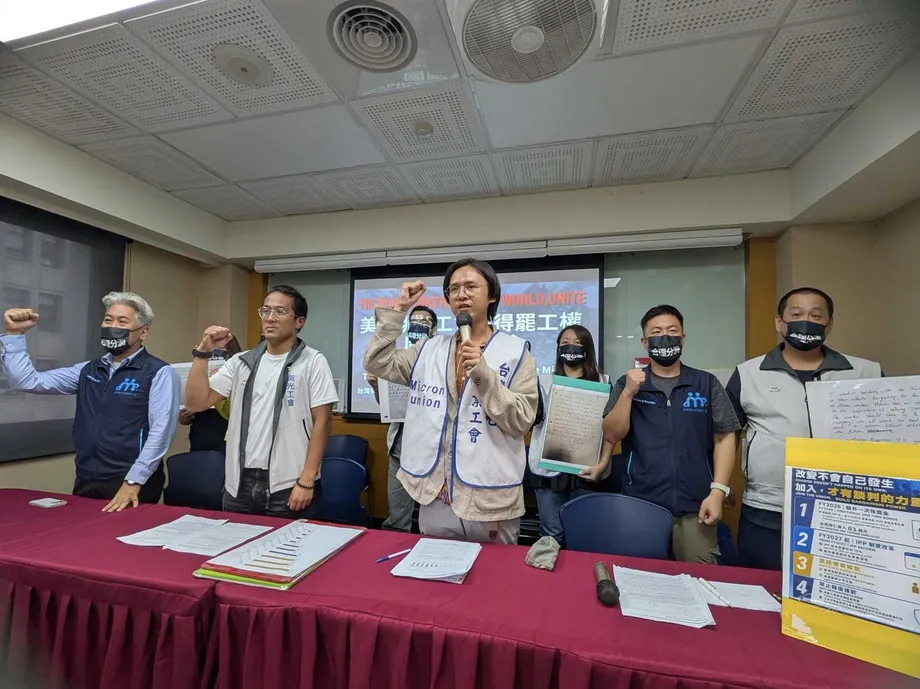
On October 14, the Childcare and Employment Policy Advocacy Alliance urged lawmakers to finish negotiations and pass the amendments so the new system could begin in 2027. The alliance has campaigned for broader eligibility and flexible leave since 2021.
The age limit is only part of the package. The government's proposals also include 60 days of childcare leave that can be taken one day at a time, longer maternity leave, more leave for prenatal appointments and childbirth, and additional parental leave benefits when both parents participate in caregiving.
For families, the central change would be access to time away from work after infancy, including the early years of primary school. For lawmakers, the remaining task is to settle who qualifies, how much leave and financial support different families receive, and how the employment and insurance rules fit together.
What the Government Proposed in May
The Ministry of Labor's employment equality proposal, published on May 28, 2026, outlined amendments approved by the Executive Yuan for submission to the Legislative Yuan. It described extending parental leave eligibility to age 6, with the aim of covering children before they enter school.
The October agreement to move to children under 8 therefore represents an expansion of that government proposal. The existing eligibility limit is under 3, rather than 6. The six year threshold belongs to the proposed reform that lawmakers were reviewing.
The ministry also proposed renaming the leave to reflect care for children beyond infancy. Its stated aim was to help employees continue working while meeting their caregiving responsibilities, as part of the government's response to Taiwan's low birth rate.
The accompanying employment insurance proposal, also published on May 28, described extending benefit eligibility to children aged 6 or younger, with the period running until the child's seventh birthday. That wording is more specific than the age 6 description in the employment equality announcement. The final amendments will need to set matching eligibility rules for leave and benefit payments following the October negotiations.
How the Reform Reached This Stage
President Lai Ching-te previewed the government's family support proposal in May. It included expanding parental leave beyond the existing limit of under 3 and allowing 60 days to be used as individual days with benefit payments.
The amendments entered detailed examination in the Legislative Yuan's Social Welfare and Environmental Hygiene Committee in late June. According to the advocacy alliance, legislators across party lines supported eligibility for children under 8 during committee review, but the relevant provisions were left for further negotiation.
- 2021: The alliance began its campaign for eligibility covering children under 8 and leave that could be taken by the day.
- May 28, 2026: The Ministry of Labor published the government's proposed employment equality and employment insurance amendments.
- Late June 2026: The legislative committee began examining the amendments provision by provision.
- October 8, 2026: The ministry agreed during party negotiations to eligibility for children under 8, while Taiwan People's Party lawmakers sought an age limit of 12.
- October 14, 2026: The alliance urged lawmakers to complete passage and prepare for implementation in 2027.
The alliance's target is passage during the current legislative session, followed by completion of the rules needed to operate the system. A date for the next negotiations, the final vote or implementation has not been announced.
Why Advocates Want Leave Beyond Preschool
The alliance bases its demand for an age limit of under 8 on specific caregiving responsibilities. It points to child welfare rules against leaving children under 6 alone, temporary closures affecting childcare facilities and younger primary school pupils, and school timetables that leave substantial gaps in care.
Childcare centres, kindergartens and classes through the second year of primary school can face temporary closures connected with outbreaks of enterovirus or influenza, the alliance says. A child with a fever may also need to be collected immediately and kept away from childcare.
Parents cannot always plan these absences in advance. An employee may need to leave work that morning, rather than arrange a continuous period of leave weeks ahead. The alliance also cites the timetable for younger primary school pupils, who have only one full day of classes each week, as a reason families still need substantial care after preschool.
The proposed age limit would extend eligibility into the early primary school years. The alliance's argument is that the time parents can take away from work should better match the care that schools, childcare providers and public health rules require them to provide.
What 60 Flexible Days Would Mean
The May employment equality proposal would increase flexible childcare leave from 30 to 60 days. Employees could use those days individually, making the leave more suitable for a temporary school closure, a child's illness or another short period of care.
Sixty days is twice the existing flexible allocation of 30 days. The proposal would also give this form of leave its own childcare leave name, while keeping the days within the parental leave period and benefit calculations.
That shared allocation matters when families plan their leave. A parent taking an individual day would use part of the same leave and financial benefit entitlement that supports a longer absence. Families would have a choice about how to spread that entitlement across their child's caregiving needs.
Parental leave and parental leave benefits serve different purposes. Leave allows an employee to take time away while retaining the employment relationship. A benefit is a payment through employment insurance that helps support the household during the absence. The two laws are being amended together because access to time and access to money need to work together.
The alliance says flexibility is especially valuable for employees with little annual leave accumulated. It argues that parents should be able to respond to an unexpected care need without using all the time they would otherwise reserve for their own rest.
Nine Months of Benefits, With Conditions
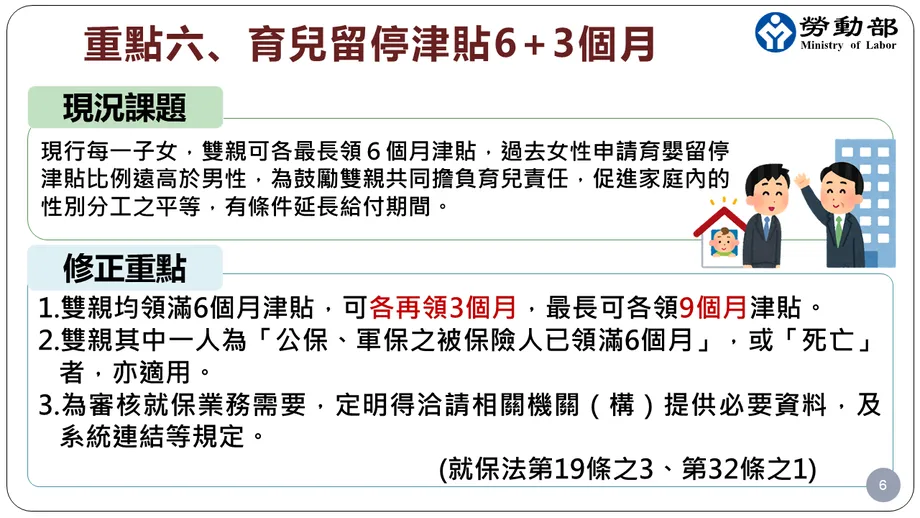
The May employment insurance proposal would allow each parent to receive up to nine months of parental leave benefits when both meet a participation condition. Both parents caring for the same child must first have received six months of benefits each. They could then each claim another three months during parental leave.
The additional three months would increase each qualifying parent's maximum benefit period from six to nine months, a rise of 50 percent. The ministry presented this arrangement as a way to encourage both parents to share childcare and strengthen financial support for families.
The condition also explains why lawmakers are discussing separate support for single parents. A household with one parent caring for a child cannot share leave in the same way as a household where two parents can each meet the six month requirement.
The insurance amendments also address administration. They would add a schedule of insured salary categories and allow the authorities to request necessary information from relevant bodies and connect systems for reviewing insurance matters. Insured salary categories are the salary levels used within the insurance system, rather than a promise that every worker receives the same payment.
Extra Support for Families With Greater Care Needs
Legislator Liu Chien-kuo proposed extending parental leave periods and flexible childcare leave days for families whose children have special caregiving needs. The alliance identifies children requiring early intervention, children with developmental delays and children with rare diseases among those who may need repeated appointments, rehabilitation and treatment.
Those families can use their available leave before a child reaches primary school, the alliance says. Extending the eligible age alone would leave them needing a larger allocation of time to handle frequent care.
Legislator Wang Cheng-hsu proposed allowing insured people who exercise parental authority alone or raise a child alone to receive parental leave benefits for up to nine months. His proposal would give qualifying single parents access comparable to the provision for a parent whose spouse has died.
The alliance urged lawmakers and the ministry to consider these changes in the continuing negotiations. If the necessary assessment of needs, resources and operating rules cannot be completed during this round, it wants work on further reform to begin promptly after passage.
These proposals address two different problems: how long a family can remain eligible as a child grows, and how much leave or financial support a family needs during that period. Families managing frequent treatment or raising a child with one available parent may need changes to both.
Longer Maternity Leave and a Shared Spouse Leave Allowance
The government's May proposal would increase maternity leave from eight to 12 weeks. That adds four weeks, or 50 percent, to the existing period. The ministry said the extension would give mothers more time for physical and mental recovery.
Leave for a spouse's prenatal checkups and childbirth would increase from seven to 14 days. The proposed total is twice the current allowance, but the prenatal and childbirth portions would continue to share one pool of days.
The alliance objects to that combined arrangement. Days used to attend prenatal appointments reduce the time available around childbirth. It also argues that the seven additional days for spouses offer too little support alongside the four additional weeks of maternity leave, leaving much of the care concentrated on mothers.
Under the ministry's proposal, employers would pay wages for the additional maternity and spouse leave days and could then apply to the Ministry of Labor for a subsidy. This is a different payment arrangement from parental leave benefits provided through employment insurance.
The alliance also wants reform of family care leave. It says military personnel, civil servants and teachers receive pay during that leave, while other employees face wage deductions. It has asked the government to make the pay gap and the design of spouse leave priorities for the next stage of reform.
Employer Support and Measuring Who Uses Leave
The May employment equality proposal includes a tax incentive for employers that establish childcare facilities or provide childcare services. Qualifying expenses could be deducted from taxable business income at 200 percent of the amount spent.
For example, qualifying spending of NT$100 would allow an income deduction of NT$200. The benefit would depend on the company's tax position and the final eligibility rules. The ministry's aim is to encourage employers to provide practical childcare support alongside statutory leave.
The alliance also wants the ministry to publish regular information after the reform takes effect, including benefit claims, eligible people who do not claim and the proportion of men using the benefits. It has asked for analysis of why some eligible parents leave their entitlement unused.
Those figures would show how the new rules work in households, particularly whether more fathers participate in care. The proposed bonus of three additional benefit months for each parent depends on both taking substantial leave, making participation a central part of the policy.
Taiwan's reform now has a broader age threshold backed by the ministry, a package of proposed leave and benefit increases, and unresolved legislative negotiations. The immediate decisions are the final eligibility age, support for families with greater needs and passage of the two linked laws. The alliance is pressing for those decisions soon enough to make a 2027 start possible.
Key Points
- The Ministry of Labor agreed on October 8 to proposed parental leave eligibility for parents or guardians of children under 8.
- The existing eligibility limit is under 3; the government's May proposal would have expanded it to age 6.
- Negotiations remain unfinished, with Taiwan People's Party lawmakers seeking an age limit of 12.
- The government proposed doubling flexible childcare leave from 30 to 60 days, counted within parental leave and benefit entitlements.
- Each parent could receive up to nine months of benefits if both first receive six months for the same child.
- Lawmakers proposed extra support for children with special caregiving needs and qualifying single parents.
- Maternity leave would rise from eight to 12 weeks, while combined prenatal checkup and childbirth leave for spouses would rise from seven to 14 days.
- The advocacy alliance wants passage and operating rules completed in time for a 2027 launch.