A jacket at a finance hearing becomes a political dispute
Taipei 101 chairwoman Janet Chia attended Taiwan's legislative Finance Committee on October 14, 2026, to answer questions about the business she leads. By evening, her clothing had become the subject of a public dispute, President Lai Ching-te had defended freedom of personal style, and the legislator who challenged her outfit had acknowledged that her wording was inappropriate.
Contents
- A jacket at a finance hearing becomes a political dispute
- Why was Chia appearing before lawmakers?
- What was said at the questioning podium?
- Lai first defended the reminder as parliamentary etiquette
- A floral shirt becomes the president's response
- By evening, Lai acknowledged inappropriate wording
- Chia described surprise, then explained her outfit
- Supporters challenged the focus on appearance
- The dispute centred on standards and mutual respect
- Key Points
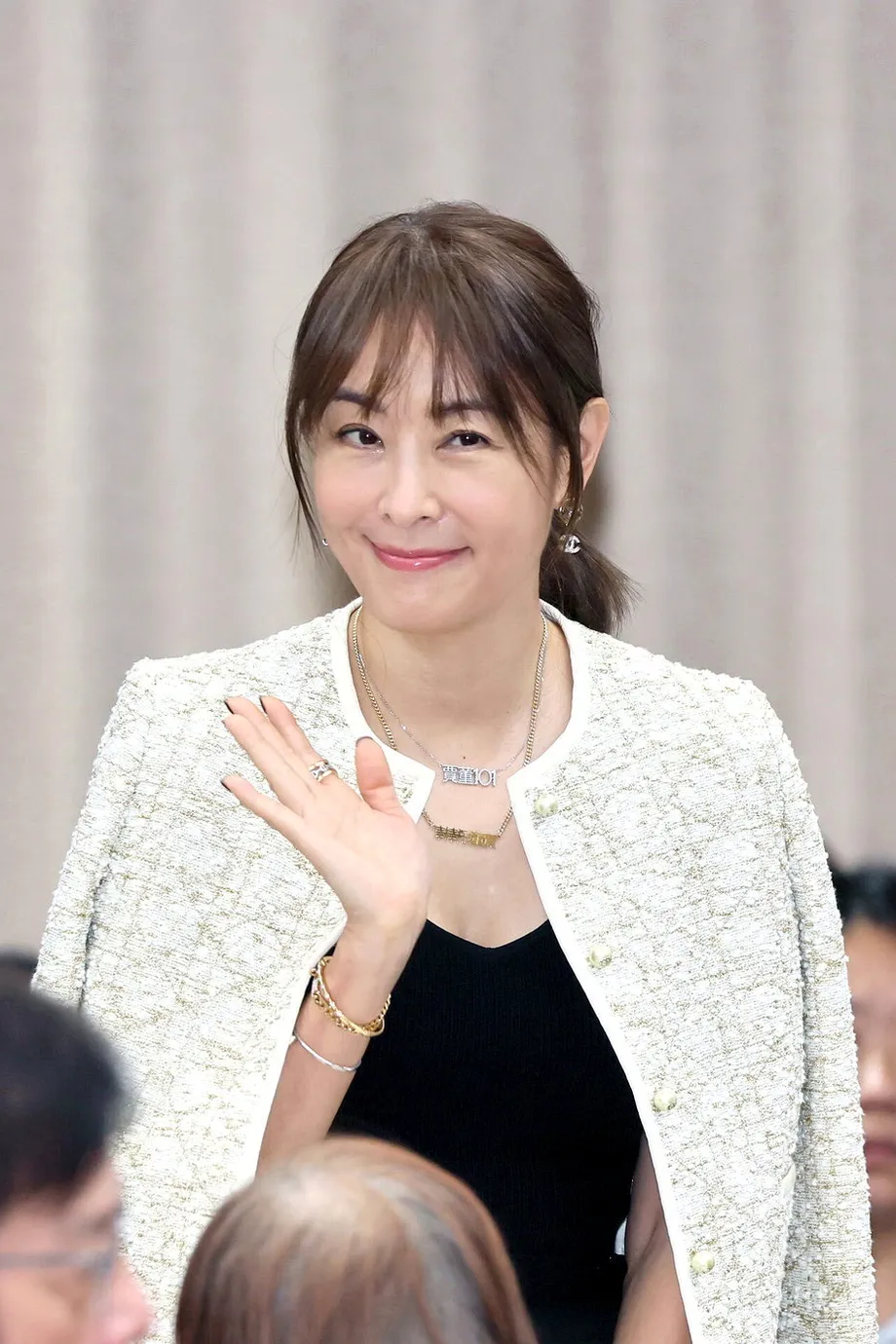
Chia wore a black dress with a pale Dior jacket draped over her shoulders. Lai Hui-yuan, a Democratic Progressive Party legislator chairing the committee meeting, suggested that she dress as simply as the lawmakers and said parliament had certain standards. Chia replied that she was wearing long sleeves, like those present, and respected parliament.
The exchange drew attention because it involved more than a disagreement about fashion. A committee chair was addressing someone appearing before lawmakers to answer questions. When Chia explained her choice of clothing, Lai asked whether she wanted to continue arguing, then moved the meeting to the next legislator.
Lai initially defended the intervention as a reminder about parliamentary etiquette, prompted by comments from people at the meeting. Later, after watching the video, she accepted that her expression had been inappropriate and said she would reflect deeply on the incident.
Why was Chia appearing before lawmakers?
The Finance Committee had invited Finance Minister Chuang Tsui-yun, heads of agencies under the ministry, and chairpersons and general managers of enterprises connected to public investment to present business reports. Representatives serving on boards through those investments were also included.
Chia attended in her capacity as Taipei 101 chairwoman because financial institutions with government shareholdings have invested in the company. Put simply, public investment gives lawmakers a reason to ask company representatives about how the business is being run.
Chia went to the questioning podium twice that day, according to Lai's subsequent statement. Lai said people began approaching her after Chia's first appearance to express concern about the jacket being worn over her shoulders.
What was said at the questioning podium?
Lai's remarks came after questioning by legislator Chiu Chih-wei, as Chia was preparing to leave the podium. The committee chair referred to Taipei 101's association with fashion before suggesting a different approach for future appearances.
Lai Hui-yuan, speaking as the chair of the Finance Committee meeting, gave this advice:
Please dress as simply as we do next time.
Chia replied that her clothing was similar to that of the lawmakers because she was also wearing long sleeves. Lai then said that parliament should have certain standards. Chia repeated that she believed she was dressed like those present.
Lai then challenged Chia's continued explanation:
Do you want to keep arguing?
Chia said she was not arguing and expressed respect for parliament. Before she completed her explanation, Lai called on legislator Yang Chiung-ying to begin questioning, ending their exchange.
The wording put two different ideas into the same conversation: dressing simply and respecting a formal meeting. Chia answered by pointing to the features of her clothing. Lai's later explanation focused more specifically on how the jacket rested on Chia's shoulders.
Lai first defended the reminder as parliamentary etiquette
Lai's initial statement said her responsibility as committee convener was to maintain order and keep proceedings running smoothly. She said people had asked her to remind Chia to consider the formality of parliament when wearing a jacket draped over her shoulders. She did not identify those people or say how many had approached her.
Lai said the reminder concerned etiquette rather than Chia's personal style, taste in clothing or appearance. She also said she appreciated Chia's fashion sense and recognised Taipei 101 as an international landmark and a platform for fashion and contemporary culture.
The statement included a broader point about how committee participants should treat one another. Lai said respect should run both ways: people attending to answer questions should respect parliament, and legislators should treat them with equal, rational and respectful consideration.
Her explanation centred on the intention behind the intervention. The later response addressed the way she had spoken and the discomfort it caused.
A floral shirt becomes the president's response
President Lai Ching-te, who also chairs the Democratic Progressive Party, entered the discussion that afternoon through a post on Threads. He shared a photograph of himself wearing a floral shirt while chairing a meeting of the party's Central Standing Committee.
The president described Taiwan as a free and diverse society in which everyone has the right to express an individual style. His message connected that freedom directly to how people are judged at work.
Lai Ching-te, speaking in his social media post, said:
A person's professionalism and dedication should never be judged solely by what they wear.
He also encouraged people to appreciate different ideas and styles. The photograph supplied a personal example: he had performed a formal leadership role while wearing something more expressive than a conventional plain shirt.
Chia responded beneath the post with a heart and a playful invitation. The Taipei 101 chairwoman wrote:
Very handsome. Next time you come to Taipei 101, I'll accompany you shopping for all kinds of clothes.
Her reply turned the exchange toward Taipei 101's retail business and away from the tense encounter at the committee podium.
By evening, Lai acknowledged inappropriate wording
Lai Hui-yuan released a video that evening acknowledging problems with how she had expressed herself. She said she had watched the footage again and recognised that parts of her remarks were inappropriate.
The legislator said her original purpose had been to convey some people's impressions within the meeting room. She described being surprised by the strength of the public reaction and acknowledged that the incident had made Chia and members of the public uncomfortable.
Lai Hui-yuan, explaining her response after reviewing the video, said:
I feel deeply uneasy and will reflect deeply.
She also recalled sharing an elevator with Chia on the way to the meeting that morning and noticing that Chia was beautifully dressed. That detail supported her stated position that she had not set out to judge Chia's ability through her appearance.
Lai endorsed the president's message about Taiwan's freedom and diversity, including everyone's right to show a personal style. Her evening response marked a change from defending the reminder's purpose to accepting responsibility for its delivery.
Chia described surprise, then explained her outfit
Chia told reporters after the hearing that she did not feel aggrieved, but was a little taken aback. She said she would wear the same outfit to a Taipei 101 news conference that afternoon.
She later shared details of the clothing and accessories on social media. The pale jacket was by Dior, with a beige colour and gold embroidered detailing. Chia said she bought it the previous year to attend her son An An's university graduation and had since worn it to several important occasions.
Chia identified her bracelet as Cartier and her shoes as Ferragamo. Her Dior watch carried a longer family history: she said her grandmother gave it to her when she graduated from university more than 30 years earlier.
The explanation gave each item a different place in her life, from a purchase for her son's graduation to a gift marking her own. Chia said luxury goods could be a reward for hard work, while their real value lay in the stories and memories attached to them.
She also joked about the temptation to shop during Taipei 101's anniversary sales. Her response combined humour with an account of why she continued to wear particular items over many years.
Supporters challenged the focus on appearance
Kuomintang legislator Hung Meng-kai spoke in Chia's defence during the committee proceedings. He said nobody should have to apologise for their clothing and disagreed with lawmakers targeting the outfits of people appearing for questioning, while describing such comments as an individual legislator's choice.
Designer Nieh Yong-chen also publicly backed Chia. He said she had good taste and was appropriately dressed, challenging the need to police her appearance.
Chia's friend Yueh Chi-ju, who has worked in public relations for many years, offered a sharper response on Facebook. She described the incident as bullying directed at a successful woman and argued that Chia was wearing formal clothing suited to her role.
Yueh connected that role to Taipei 101's relationships with luxury brands. She argued that clothing could demonstrate Chia's understanding of the fashion businesses with which she works, and that brand history, craftsmanship and commercial identity could offer lessons for Taiwanese companies.
Yueh also said Taipei 101's performance had reached a record and credited luxury brands as major contributors. She gave no sales total in those remarks. Her commercial argument was that representing a retail landmark includes understanding its tenants and customers, alongside answering lawmakers' questions about the business.
The dispute centred on standards and mutual respect
Lai Hui-yuan framed her intervention around the formality of parliament. Chia answered that her clothing was appropriate and that she respected the institution. The president focused on a different measure of professional conduct: a person's work and dedication rather than appearance alone.
The phrase asking Chia to dress like the lawmakers made their own appearance the point of comparison. Lai's subsequent statement offered a more specific explanation about the jacket, while also recognising that legislators owed respect to those appearing before them.
Chia's supporters approached the issue from their own positions. Hung challenged the need for a clothing apology. Nieh judged the outfit appropriate. Yueh linked fashion knowledge to Chia's business responsibilities and raised concerns about the treatment of successful women.
The public response ended with Lai acknowledging inappropriate expression and endorsing the president's defence of personal style. Chia, meanwhile, maintained that she respected parliament and continued to discuss her outfit without abandoning it. The central disagreement was over how a chair should communicate expectations of formal conduct to someone attending a hearing.
Key Points
- Taipei 101 chairwoman Janet Chia attended the legislative Finance Committee on October 14, 2026, for business questioning.
- Committee chair Lai Hui-yuan asked her to dress as simply as lawmakers after comments about a jacket draped over her shoulders.
- Chia said she respected parliament and described herself as surprised rather than aggrieved.
- President Lai Ching-te defended personal style, using a photograph of himself chairing a party meeting in a floral shirt.
- Lai Hui-yuan later acknowledged inappropriate wording and said she would reflect deeply.
- Chia explained that her Dior jacket and watch were connected to family graduation memories.