New targets put vegetables, eggs and seafood at the centre
Singapore has replaced its 30 by 30 food production ambition with two goals for 2035: local farms should supply 20 percent of the country's fibre consumption and 30 percent of its protein consumption. In 2024, those shares stood at about 8 percent and 26 percent respectively, leaving a much larger gap to close for fibre.
Contents
- New targets put vegetables, eggs and seafood at the centre
- What the numbers mean for local farms
- Why the earlier ambition ran into difficulty
- Four ways to protect the food supply
- Could shared facilities make farming more affordable?
- How vegetables and eggs could supply more
- Seafood needs investment and time to rebuild
- Alternative protein stays in the research pipeline
- Electricity links food resilience to climate policy
- Which milestones will show whether the reset works?
- The Bottom Line
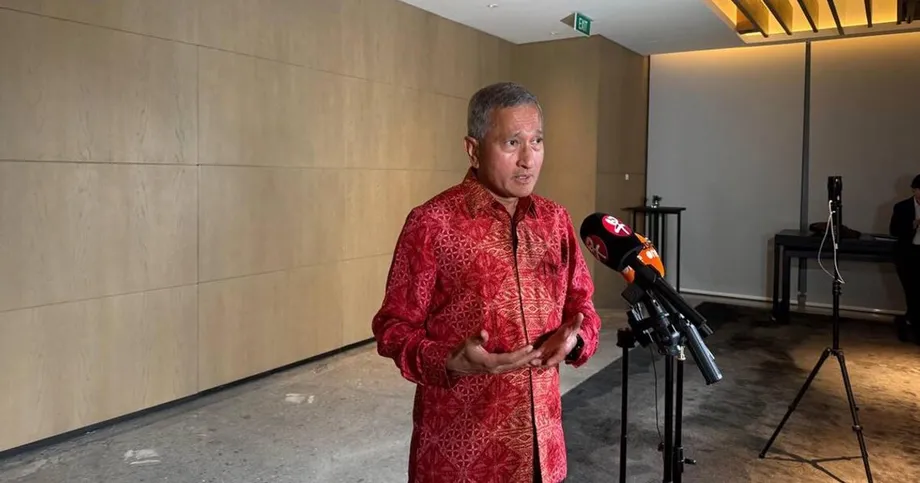
Minister for Sustainability and the Environment Grace Fu announced the revised targets at the Asia Pacific Agri Food Innovation Summit. The reset reflects the difficulties facing local farms while keeping food resilience, the ability to maintain supplies during disruption, a national priority.
Fibre, for these targets, covers leafy and fruited vegetables, bean sprouts and mushrooms. Protein covers eggs and seafood. Root vegetables and bulbs are excluded from the fibre count because they require more land and soil depth. Alternative protein remains part of Singapore's research agenda but sits outside its short term food security goals.
Singapore imports most of its food. Limited land, dense urban development and scarce natural resources make the country vulnerable when overseas supplies are interrupted. The pandemic and Malaysia's disruption to live chicken exports in 2022 showed how quickly availability and prices can change.
Local production provides a buffer during such crises and gives authorities more ways to steady supplies. The refreshed approach combines domestic farming with imports from a wider range of suppliers, strategic stockpiles and stronger international partnerships. Officials describe the new production goals as ambitious but achievable with more focused policies, better infrastructure and steady financing.
The change also makes the production targets more specific. Instead of relying on a single headline measure, Singapore is concentrating on foods that its farms have a clearer prospect of producing at scale in an urban environment.
What the numbers mean for local farms
Singapore's fibre target requires the local share of consumption to rise from about 8 percent in 2024 to 20 percent by 2035. That is an increase of 12 percentage points, taking the target share to two and a half times its starting level. Analysts estimate vegetable production must grow by roughly 9.5 percent each year to reach the goal.
Only about 1 percent of Singapore's land is set aside for agriculture. Expansion therefore depends on growing more from the space already available, using farms with multiple storeys, improving yields and making greenhouses more efficient, rather than opening large new areas for cultivation.
Leafy greens can grow well in greenhouses and farms where temperature and other conditions are controlled. Eggs benefit from established domestic expertise, strong measures against disease and strategies to manage feed supplies. Modern aquaculture, the farming of fish and other aquatic food, offers another route to higher production.
Protein starts closer to its target. Raising its local share from 26 percent to 30 percent requires an increase of four percentage points. Egg farms already supplied about 34.4 percent of the eggs consumed in Singapore in 2024, making eggs a stronger part of the local production picture.
Vegetables and seafood faced setbacks that year. Vegetable output fell by about 3 percent and seafood output by about 14 percent amid restructuring. Some farms operating at sea have closed or are moving their operations, reducing production during the transition. The protein target will depend on further gains in egg productivity as well as upgrades to aquaculture.
Why the earlier ambition ran into difficulty
Global supply disruptions and inflation after the pandemic raised the cost of feed, energy and construction. Higher interest rates made financing harder to obtain for agricultural technology businesses. Some prominent projects reduced their operations or closed, weakening both production and confidence in the sector.
Singapore's local conditions added to those pressures. Agricultural land is scarce, and farm leases are short compared with those in other countries. Indoor farms often need a constant supply of reliable electricity for lighting and climate control, creating substantial operating costs.
Farms at sea face a different set of risks: weather, disease and algal blooms, when algae grow rapidly in the water and can threaten fish. New environmental standards and licensing changes have also prompted farms to pause, relocate or leave the industry. Around a quarter of farms based at sea exited the sector in 2024.
Alternative protein had once been expected to make a larger contribution by 2030. Cultivated meat and products made from plants still face high production costs and modest consumer acceptance. Research support continues, but the revised production goals concentrate on vegetables, eggs and seafood.
The reset connects food security more closely to the practical conditions under which farms operate. Producing more requires businesses that can secure financing, cover their running costs and find reliable customers, as well as technology that can increase harvests.
Four ways to protect the food supply
Singapore Food Story 2, the government's refreshed approach, has four pillars: grow the right foods locally, diversify import sources, maintain strategic stockpiles and deepen global partnerships. Together, they aim to provide a resilient mix of supplies.
Import diversification spreads risk across suppliers and regions. When one source faces a disruption, other sources give Singapore more options. Local farms can then help fill critical gaps, while stored food provides time to adjust.
Stockpiles focus on foods with a longer shelf life, including rice and canned food. These supplies can be stored and rotated, meaning older stock is used and replaced so that reserves remain usable.
International agreements are another part of the strategy. Singapore has pursued arrangements with countries including Vietnam and New Zealand to support steady food flows and discourage export restrictions when markets become tight.
Malaysia's halt in live chicken exports in 2022 demonstrated how a decision across a border can quickly affect an everyday staple. The refreshed plan seeks to address that exposure through several measures at once: more suppliers, stronger supply relationships, reserves and a domestic production buffer.
Could shared facilities make farming more affordable?
The Singapore Food Agency is studying a facility where several farms could operate under one roof and share services. The proposal addresses one of urban farming's biggest obstacles: the cost of building and running the infrastructure needed to produce food reliably.
Shared services could include utilities, cold rooms, packing and processing lines, waste treatment, logistics and laboratories for quality checks at the facility. Spreading these costs across several farms could create economies of scale, where each business pays less because services are used by a larger group.
A controlled growing environment could also reduce losses from pests and disease. Sharing infrastructure may allow farms to begin operations sooner, reduce administrative work and avoid paying separately for equipment or services that several businesses need.
The feasibility study is expected to take about 12 to 18 months, and authorities have begun sounding out potential tenants. The proposed facility is separate from the planned agricultural and food technology hub at Lim Chu Kang, which has faced delays. Whether the shared facility will proceed has not yet been decided.
Some industry voices favour treating core farm infrastructure as public utilities. Under that model, the state would finance common services and lease space, leaving farmers to concentrate on production and customers. Similar arrangements are used in transport and utilities. The argument is that they may suit a city where land and electricity are major cost drivers.
How vegetables and eggs could supply more
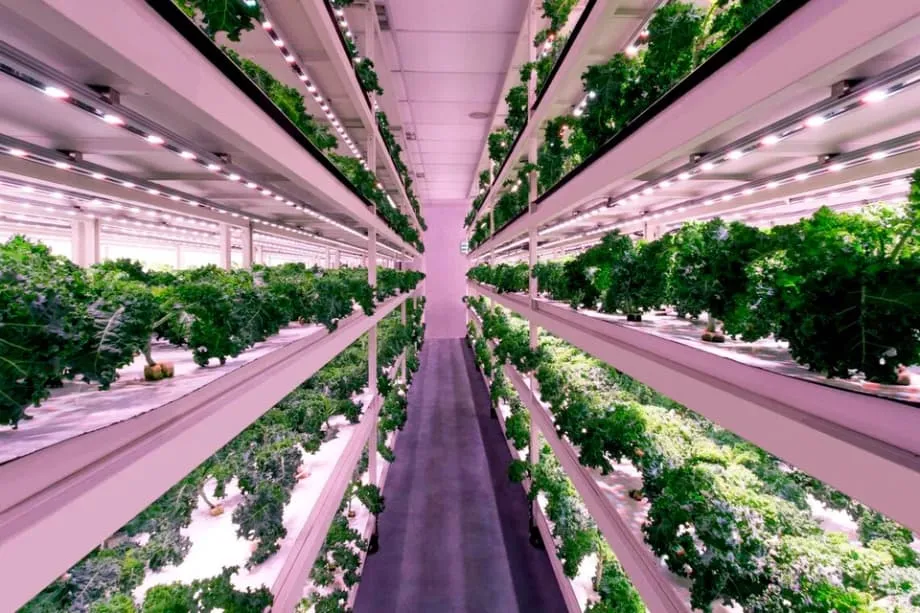
Vegetable farms can increase production through better seeds, greenhouses with controlled conditions, tighter pest management and hydroponics that use water efficiently. Hydroponics grows plants using water containing nutrients, reducing reliance on soil.
For leafy and fruited vegetables, yields per square metre have climbed in recent years as growers adjust lighting, nutrients and airflow. These improvements are central to raising production where land is limited. Root vegetables and bulbs remain outside the fibre target because their space and soil requirements make them harder to grow at scale in Singapore.
Egg production starts from a stronger position, with local farms already supplying roughly a third of consumption. Larger and more efficient hen houses, disease monitoring and secure feed supply chains could help raise output further.
Biosecurity means the measures farms use to keep disease from entering or spreading among animals. For egg producers, it works alongside reliable feed and electricity supplies to protect production. Backup power and solar generation on farms can help manage energy risks.
Authorities have plans to support flock renewal, replacing hens as needed to maintain production, and to connect farms with institutional buyers. More predictable purchasing volumes would help producers plan output and investment.
Seafood needs investment and time to rebuild
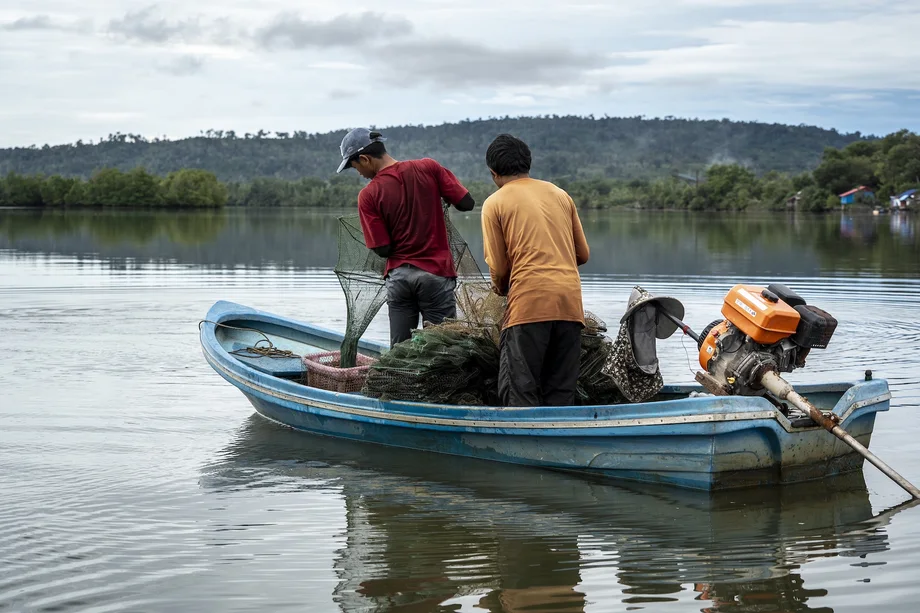
Seafood production will take time to recover after a year of transition. Moving from open cages at sea towards systems on land or enclosed systems could improve yields and reliability, but the change requires substantial investment, technical knowledge and skilled labour.
Closed containment gives farmers greater control over the water and conditions around their fish. Recirculating systems on land treat and reuse water, allowing farms to manage water quality more closely. These approaches can improve protection against disease, although they also require significant capital and energy.
Programmes that provide baby fish and technical support on water quality can help farmers learn to operate these systems. The production challenge is therefore both financial and practical: farms need equipment, suitable fish and the skills to keep them healthy.
Singapore's protein goal will draw on the combined contribution of eggs and seafood. Egg productivity offers a stronger current base, while aquaculture upgrades could provide additional capacity over time. The 14 percent fall in seafood output in 2024 shows the scale of the immediate rebuilding task.
Alternative protein stays in the research pipeline
Alternative protein includes cultivated meat and products made from plants. Cultivated meat is produced by growing animal cells rather than raising an entire animal. These technologies remain promising, but high production costs and limited consumer acceptance have slowed their contribution to food security.
Singapore continues to support research and regulatory work in the field and has experience approving novel foods. For the period leading to 2035, however, vegetables, eggs and seafood remain the focus of the production targets.
Lower costs and improved taste could attract more consumers over a longer period. Companies based in Singapore may find success in export markets before their products achieve large domestic adoption. Alternative protein therefore remains in the innovation pipeline while sitting outside the short term food security goals.
Electricity links food resilience to climate policy
Energy is the largest expense for many urban farms. Lighting, cooling and other equipment allow food to be grown in controlled conditions, but electricity costs can make those farms difficult to sustain financially.
Singapore has set a national target to reduce greenhouse gas emissions to between 45 million and 50 million tonnes by 2035, on the way to net zero by 2050. Net zero means balancing remaining emissions with removals so that no additional emissions are added on balance.
The electricity system currently relies mainly on natural gas. Solar supplies a small share because land and roof space are limited. The government is working on clean energy imports, hydrogen trials and research into advanced nuclear options to reduce emissions over time.
Indoor farms will benefit from cleaner electricity as the grid reduces its emissions. Until then, higher carbon taxes and changes in global fuel prices can increase running costs. Singapore is trying to expand local food production for resilience while keeping farms viable when energy is expensive.
More efficient equipment, heat recovery and solar installations where space allows can help limit those costs. Heat recovery captures heat that would otherwise be wasted and puts it to use. Such savings matter because more production must fit within both financial limits and the country's climate goals.
Which milestones will show whether the reset works?
The next year and a half will bring the shared facility feasibility study and consideration of sites and funding models. Farmers and investors will also watch for clearer land tenders, simpler licensing timelines and reliable utility pricing.
Annual figures for the local share of fibre and protein consumption will provide the main measure of progress. More detailed indicators can show where production is improving and where costs or losses remain difficult to manage.
For vegetables, yields per square metre and energy used per kilogram will be important. For eggs, the measures include disease protection, feed stability and the share of national demand supplied locally. For seafood, progress in moving from open sea systems to systems on land, alongside fish survival rates, will help show whether investment is translating into dependable output.
The dates and targets frame the reset:
- 2022: Malaysia's halt in live chicken exports demonstrated the risk of sudden restrictions on food supplies.
- 2024: Local farms supplied about 8 percent of fibre and 26 percent of protein consumption; vegetable and seafood output declined.
- 2030: The deadline attached to the earlier 30 by 30 ambition has been replaced by the new production goals for 2035.
- 2035: Singapore aims to supply 20 percent of fibre and 30 percent of protein consumption locally, while reducing national emissions to between 45 million and 50 million tonnes.
- 2050: Singapore aims to reach net zero emissions.
Import agreements, a wider range of suppliers and smooth rotation of stockpiles will also matter. The practical test will come during the next disruption: whether the combined strategy helps keep prices and supplies steady with fewer abrupt limits.
The Bottom Line
- Singapore has replaced 30 by 30 with local production targets of 20 percent of fibre and 30 percent of protein consumption by 2035.
- Fibre covers leafy and fruited vegetables, bean sprouts and mushrooms. Protein covers eggs and seafood.
- Local farms supplied about 8 percent of fibre and 26 percent of protein in 2024. Egg farms supplied about 34.4 percent of egg consumption.
- Vegetable output fell by about 3 percent and seafood output by about 14 percent in 2024. Around a quarter of farms based at sea left the sector.
- With about 1 percent of land set aside for agriculture, expansion depends on higher yields and more efficient use of space.
- Singapore Food Story 2 combines local production, diversified imports, stockpiles and global partnerships.
- A study lasting about 12 to 18 months will assess a shared farming facility, separate from the delayed Lim Chu Kang hub.
- Alternative protein remains supported through research but is excluded from the short term food security goals.
- Energy costs, investment and reliable demand will shape farms' ability to increase production.