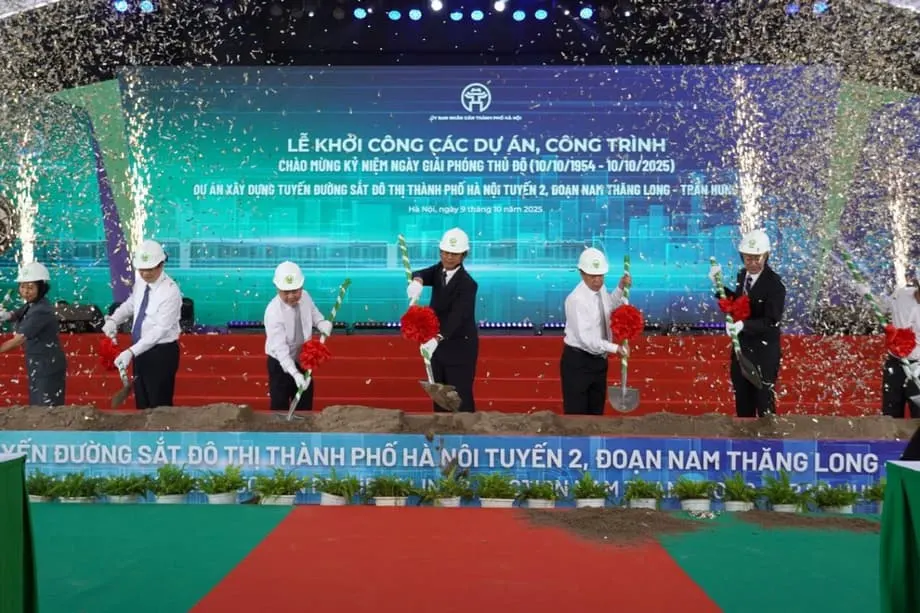
A railway connecting central Hanoi to its growing northern outskirts
Hanoi has begun construction of a 12 kilometer urban railway costing more than 35 trillion dong, about $1.3 billion, with Japanese equipment, technical expertise and concessional yen loans. The route will connect the city center with a rapidly developing district on the northern outskirts and include a subway section. Officials at a groundbreaking in early October 2025 said they expect it to extend to Noi Bai International Airport in a later phase.
Contents
- A railway connecting central Hanoi to its growing northern outskirts
- Where the route will run and what passengers may find
- Why rail offers a different kind of daily journey
- A project revived after years of delay
- What Ho Chi Minh City's opening shows
- A partnership spanning transport, education and technology
- How Hanoi fits into Vietnam's larger infrastructure plans
- Why the northern development corridor matters
- Keeping construction, payments and operations on schedule
- Cleaner air, more predictable travel and better access
- The Bottom Line
Vietnam approved the project's core concept and initially secured yen loans in 2009. The plan was subsequently suspended for several years before the government decided in December 2024 to resume it. In February 2025, Vietnam requested a lending package from Japan to move construction forward.
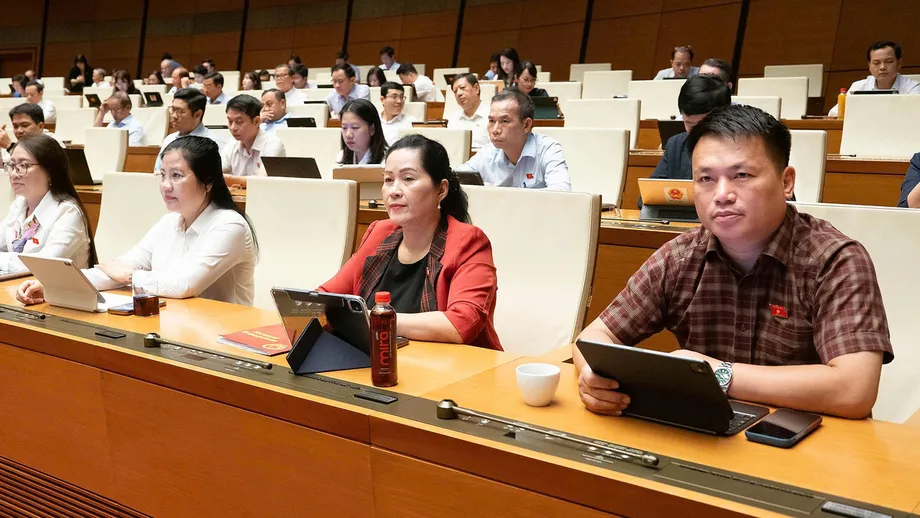
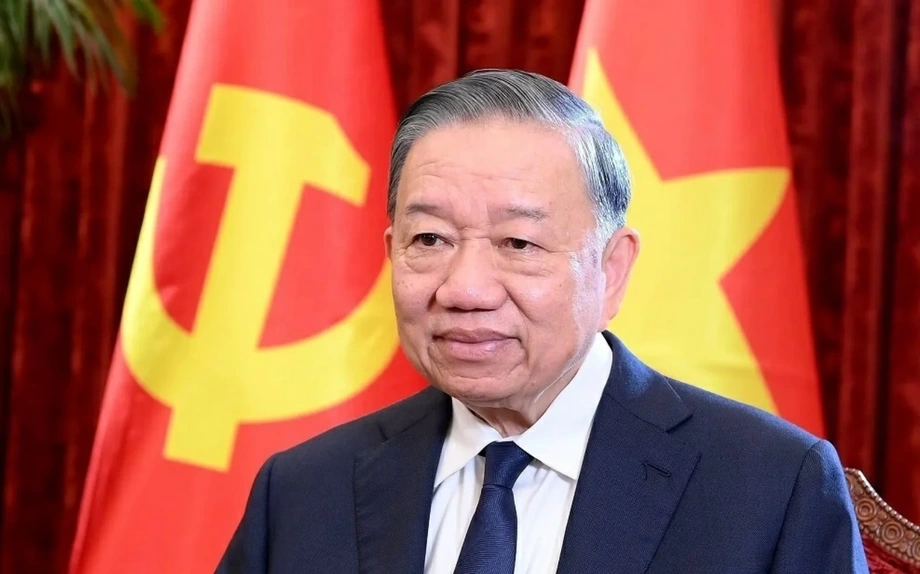
The restart forms part of a renewed push to expand public transport under Party General Secretary To Lam. For Hanoi, a capital with many millions of residents, the immediate priorities are practical: reduce gridlock, improve air quality and give people a dependable alternative to motorcycles and cars.
Hanoi's rapid expansion has increased pressure on streets where motorcycles still dominate daily travel and car numbers are rising. At rush hour, parents combine school drop offs with commutes, deliveries fall behind schedule and drivers queue at major intersections. Fine dust and nitrogen oxides associated with traffic have also become a public health concern.
The railway is intended to address several of those problems together. Trains on a dedicated route can move large numbers of passengers at predictable speeds, while a future airport extension would offer a consistent journey between downtown Hanoi and the terminals. The capital currently lacks that rail connection.
Where the route will run and what passengers may find
The planned corridor links Hanoi's historic core with a developing zone on its northern fringe, creating a connection across the city. Planners expect both elevated and underground sections, with several stations in built up areas. Specific station names and train details are to be finalized in later stages, and no opening date was given.
Authorities have signaled that safety, accessibility and connections with buses and future metro corridors will guide the design. Those connections matter because a railway journey usually begins before a passenger reaches the platform and continues after leaving the destination station.
Experience from other Vietnamese projects points toward modern trains with level boarding, priority seats and designated spaces for wheelchairs and strollers. Level boarding means passengers can enter without negotiating a large step between the platform and train, making travel easier for people with limited mobility and parents carrying children.
Platform screen doors can improve safety and help air conditioning work more efficiently in underground stations. Digital displays, signage in Vietnamese and English, and contactless fare gates are also expected features. These remain expectations for Hanoi's new route as the detailed design develops.
Why rail offers a different kind of daily journey
Rail can carry more passengers per hour than a road lane, and trains on a dedicated route avoid congestion on surface streets. Frequent services and station layouts that are easy to navigate can give commuters greater certainty about when they will arrive.
Feeder buses, bicycle parking and safe walking routes help turn that advantage into shorter trips from home to work. A feeder bus connects surrounding neighborhoods with a railway station. Without convenient access at either end, passengers may spend much of the time saved on the train reaching or leaving it.
Hanoi plans to add many more lines by the 2040s. Beginning with a corridor that can eventually reach the international airport gives the project a role in everyday commuting as well as tourism. Connections with future lines could also bring more jobs, schools and services within a reasonable journey of residential neighborhoods.
A project revived after years of delay
The railway's history stretches back more than a decade. Its restart brings financing, construction preparation and local responsibilities back into focus after the long interruption.
- 2009: Vietnam approved the core concept and initially secured yen loans for the project.
- Following the initial preparations: The plan was suspended for several years.
- December 2024: The government decided to resume the project.
- February 2025: Vietnam asked Japan to provide the lending package needed to move construction forward.
- Early October 2025: Officials attended the groundbreaking and discussed a future extension to Noi Bai International Airport.
The projected cost of more than 35 trillion dong is in line with recent metro construction costs in densely populated Asian cities. Japanese support combines financing with equipment and technical knowledge, while Vietnamese agencies will manage land acquisition, utility relocation and local works. Japanese and Vietnamese contractors will handle specialized construction and the integration of railway systems.
Concessional loans are loans offered on favorable terms. Support from the Japan International Cooperation Agency, known as JICA, typically combines low interest lending with technical cooperation and training for operators. That approach addresses both the expense of building a railway and the skills needed to run it.
Finalizing the yen loan agreements and a clear timetable for releasing funds will be an important delivery task. Each tranche, or installment of financing, needs defined conditions so that construction commitments and payments can be coordinated.
What Ho Chi Minh City's opening shows
Vietnam's first urban metro, Line 1 in Ho Chi Minh City, opened to passengers in late December 2024 after years of construction and testing. It runs about 19.7 kilometers and has 14 stations, including roughly 2.5 kilometers of underground railway.
Large crowds attended its launch. By June 2025, the line had carried more than 10 million riders, according to project supporters. That response suggests Vietnamese commuters will use rail when services are frequent, clean and connected to the places they need to reach.
Hanoi's planned 12 kilometer corridor is shorter than Ho Chi Minh City's 19.7 kilometer line. The southern project nevertheless provides a useful operational example for the capital, from passenger access to maintenance and staff training.
Ho Chi Minh City's trains have automatic stopping systems, priority seating and wheelchair spaces. Stations are designed for universal access, meaning people with different mobility needs can use them. Full height screen doors at underground platforms support passenger safety and efficient cooling.
Construction teams used advanced tunneling methods to reduce disruption in dense neighborhoods. Japanese partners also helped the operator develop maintenance procedures, training plans and customer service practices. Combined with adequate maintenance funding, those measures support reliable operations and lower costs over the railway's working life.
At the opening of the Ho Chi Minh City line, Japan's ambassador to Vietnam, Ito Naoki, expressed the hope that the project would encourage wider urban development:
We hope this will set a good precedent for urban development in Vietnam and lead to further development of the country.
Japanese companies also reported delays in receiving some construction payments on the southern project. Vietnamese and Japanese officials discussed the issue and stressed timely reimbursements so contractors and suppliers could deliver on schedule. For Hanoi, clear payment deadlines and close tracking of contract milestones are practical lessons from that experience.
A partnership spanning transport, education and technology
Japan and Vietnam have deepened cooperation in transport, energy, education and technology. Japanese officials describe Vietnam as entering a rising era and have pledged continued support for strategic infrastructure intended to improve productivity and living standards.
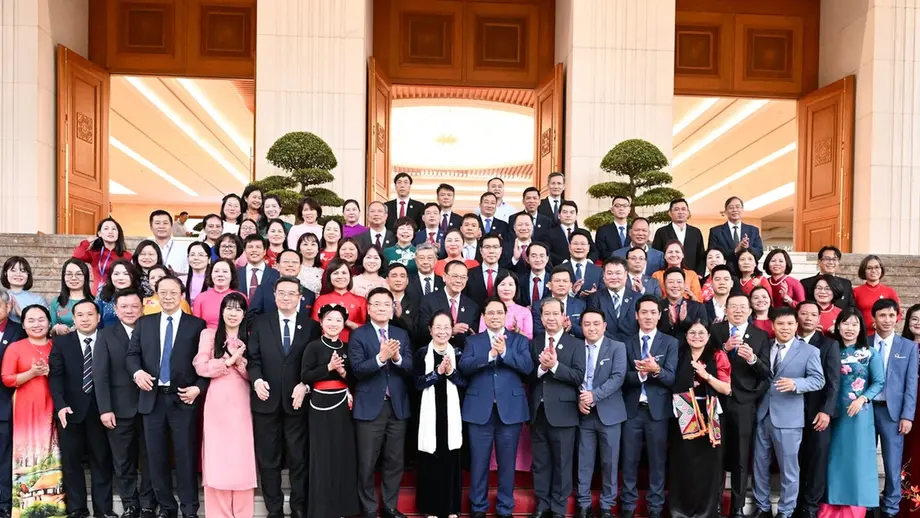
Leaders in both countries have maintained a busy schedule of meetings and exchanges. Parliamentary friendship groups, ministries and local governments also hold regular discussions that can lead to practical projects.
JICA's work in Vietnam covers roads, bridges, airports, ports and water treatment facilities, alongside health and education initiatives. In Hanoi, Japanese support helped deliver Terminal 2 at Noi Bai International Airport and the Nhat Tan bridge, whose deck is supported by cables attached to towers. Both improved mobility across the capital region.
JICA teams support public transport planning and operator training, drawing on experience from networks such as Tokyo Metro. In Ho Chi Minh City, support for the operator has been part of efforts to turn Line 1 into a daily service residents can trust.
In northern Vietnam, JICA has also backed climate resilience projects, including Sabo dams that help protect communities from flash floods and landslides. Such structures help manage sediment and debris carried by dangerous flows.
Training connects these investments with Vietnam's workforce goals. JICA supports transport agencies and metro operators through training, scholarships and joint programs with universities. New programs in semiconductor engineering and applied research align with Vietnam's ambition to expand innovation and its skilled workforce.
Urban rail requires a similar investment in people. Technical assistance, operating manuals and training on the job can help Vietnamese teams manage complex systems efficiently for decades after construction ends.
How Hanoi fits into Vietnam's larger infrastructure plans
Vietnam has asked Japan to provide new generation official development assistance for major projects, including the North South high speed railway, nuclear energy plans in Ninh Thuan province, and urban railway expansion in Hanoi and Ho Chi Minh City. Official development assistance is government support for development, which can include financing and technical help.
The National Assembly has approved the investment policy for the North South corridor, planned to connect Vietnam's two largest cities over roughly 1,541 kilometers. That decision sits alongside ambitions for much larger urban rail networks in both cities.
Government planning envisions up to 617 kilometers of urban railway in Hanoi and around 510 kilometers in Ho Chi Minh City by 2045. Japanese financial and technical support is viewed as a pillar for reaching those targets while improving safety, procurement and maintenance over the long term.
Hanoi's new corridor is therefore one part of a broader transport program. Its immediate purpose is local mobility, while its future connections would contribute to a network capable of supporting a much larger share of daily travel.
Why the northern development corridor matters
The North Hanoi Smart City project gives the railway's northern direction another layer of significance. A joint venture led by Sumitomo and BRG Group plans a new urban center in Dong Anh district, with an estimated investment of about $4.2 billion.
The development includes a planned tower with 108 stories and large areas combining different uses. Its success will depend partly on road and rail connections that let people reach homes, offices and shops without making a car necessary for every trip.
Sumitomo executives have described the smart city as a symbol of cooperation between Vietnam and Japan. The Vietnamese government has voiced support and called for close coordination to advance the project within the country's legal framework.
A railway from downtown Hanoi to the northern outskirts, with an eventual airport connection, fits that development vision. Stations can attract housing, offices and shops because they bring a regular flow of people on foot.
Transport investments can also make some long journeys unnecessary and shorten others. Over time, that can reduce exposure to traffic, encourage walking and cycling near stations, and help local businesses that depend on a steady flow of customers.
Keeping construction, payments and operations on schedule
Hanoi's earlier project suspension and the payment difficulties in Ho Chi Minh City illustrate the delivery risks facing urban rail. Land clearance can take longer than expected, while relocating utilities can uncover unexpected obstacles beneath streets. Procurement, environmental approvals and safety certification require careful documentation.
Project sponsors can reduce these risks by protecting budgets for land and utility relocation, agreeing reimbursement schedules with contractors, and using independent audits to compare physical progress with spending. Tracking both matters because money released and work completed need to advance together.
Construction and operations planning should proceed in parallel. Drivers, technicians and station staff need recruitment and training before passenger service begins. Partnerships with experienced operators can help prepare them, while bus changes, bicycle parking and safe walking routes should be designed before opening day.
The practical delivery tasks include:
- Finalize yen loan agreements and the schedule for releasing funds, with clear conditions for each installment.
- Complete land clearance and utility relocation by segment so contractors can begin without avoidable waiting time.
- Create an integrated project office for construction, systems and train teams, using a shared schedule and record of issues.
- Define bus network changes and station parking so transfers are short and easy to navigate.
- Start operator training, safety drills and maintenance planning early, including spare parts arrangements and depot routines.
- Use transparent payment and oversight procedures that connect milestones with quality checks and independent verification.
- Work with communities near stations to manage construction impacts and prepare for new pedestrian flows.
Clear signage, contactless ticketing and customer service desks can help people using the system for the first time. Public performance measures and regular reporting can build trust and support continuing improvements once trains are running.
Cleaner air, more predictable travel and better access
A shift from private vehicles to rail can reduce air pollution, greenhouse gas emissions and road crashes. Fewer idling engines can lower fine particulate pollution that harms respiratory health. Trains also use less energy per passenger, so the scale of the benefit depends on how many people ride.
Businesses can gain from shorter, more predictable commutes. Logistics companies can plan delivery windows around rush hour with greater confidence, and property markets may see growing interest in homes and offices within walking distance of stations.
A future connection to Noi Bai would offer travelers a reliable alternative to uncertain road journey times. Business travelers, airline crews and tourists carrying luggage could benefit from access without stairs and a consistent trip between the city and airport terminals.
If the extension proceeds, Hanoi would join regional hubs where passengers can travel between downtown and the airport in one ticketed journey. For residents, frequent trains, protection from the weather and a clear timetable would be the more immediate gains.
Accessible stations can help older passengers, people with disabilities and parents with strollers. Multilingual announcements and easy to read signs can make the network easier for visitors, while connections to buses, bicycle parking and passenger drop off areas can reduce total journey time.
As the network expands, more journeys involving two trains could become practical: one from a neighborhood station to the center, then another toward the airport or a major employment area. A cleaner, safer and more predictable transport system can also free scarce road space for freight, emergency services and essential deliveries.
The Bottom Line
- Hanoi has begun a 12 kilometer urban railway linking the center with its northern outskirts, including a subway section and a planned later extension to Noi Bai International Airport.
- The estimated cost exceeds 35 trillion dong, about $1.3 billion, with Japanese expertise, equipment and concessional yen loans supporting the project.
- The concept was approved in 2009, revived in December 2024 and followed by a loan request to Japan in February 2025.
- Ho Chi Minh City's Line 1 opened in December 2024 and carried more than 10 million riders by June 2025, offering lessons in construction, operations and payments.
- The North Hanoi Smart City project in Dong Anh has an estimated investment of $4.2 billion and includes a planned tower with 108 stories.
- Vietnam's plans envision up to 617 kilometers of urban rail in Hanoi and around 510 kilometers in Ho Chi Minh City by 2045.
- Key delivery tasks include land clearance, utility relocation, timely financing, operator training and convenient connections with buses and walking routes.
- Expected benefits include more reliable journeys, lower emissions, safer travel and, in a later phase, rail access to the airport.