About 300 packages take a faster route to Singapore
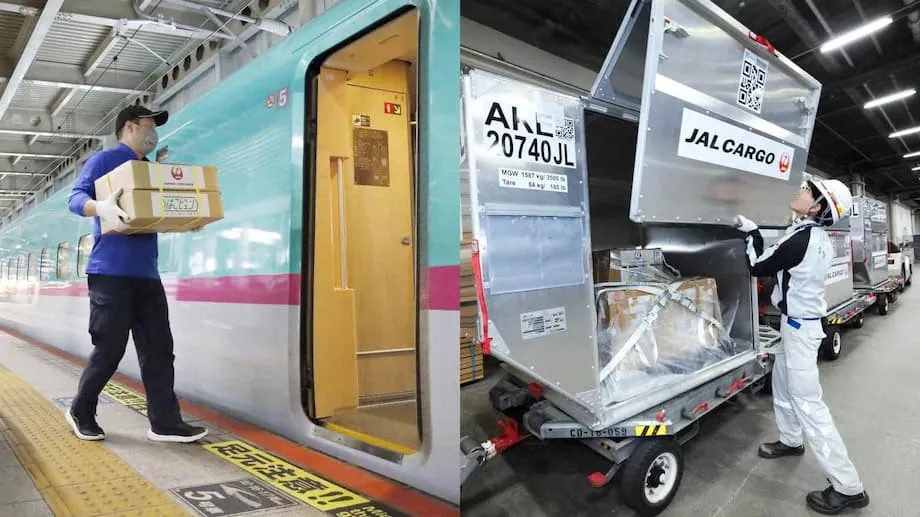
Japan's shinkansen has carried about 300 carefully packed packages on a trial export journey to Singapore, cutting total transport time by roughly 20 percent, according to the organizers. The shipment combined a bullet train journey inside Japan with a flight to Changi, replacing the long truck haul to the airport used on the standard route.
Contents
- About 300 packages take a faster route to Singapore
- How goods travel from regional producers to Changi
- Why speed and a steady ride matter
- From empty seats to a planned business
- Government interest and the scale of demand
- What cargo cars could look like
- Busy lines leave less room for freight
- JR Freight warns about competition for valuable shipments
- Why Singapore suits the trial
- What faster delivery changes for producers and buyers
- A reliable railway still needs careful handling
- Expansion depends on stations, schedules and airlines
- Key Points
The saving came from the Japanese part of the journey. Faster transfers, a smoother ride and precise train schedules helped remove hours from a delivery chain in which freshness can determine the value of the goods. For exporters, the opportunity is to connect regional farms, fisheries and factories with international flights on the same day.
The pilot focused on compact goods with a high value and a need for careful handling. Premium fruit, fresh seafood, confectionery and medical supplies are among the products suited to the service. Packages can be cushioned and secured on the train, then moved into storage with temperature controls at the airport before their flight.
The trial also comes as Japan looks for ways to manage a shortage of truck drivers under tighter overtime rules that began in April 2024. Railway companies are developing a business that started during the pandemic, when trains with empty passenger seats began carrying parcels on selected services.
As of October 10, 2025, the Singapore pilot points to a practical use for the passenger network: moving small, valuable shipments quickly enough to protect their quality. The account of the trial gives no shipment date, exact journey duration or transport price. Its reported result is a reduction of about one fifth in total delivery time compared with the usual route.
How goods travel from regional producers to Changi
A shipment begins with a local pickup near a farm, fishery or small factory. A short road journey brings the packages to a shinkansen station, where space has been arranged in advance and staff secure the cargo for the train journey.
The bullet train carries the shipment to the Tokyo area. Staff then transfer it to the airline cargo team for the flight to Singapore. Trucks still have a role in collecting goods and making local connections, while the train replaces the longer drive into the capital.
Tokyo's highway bottlenecks can add hours to a truck journey. Using rail for that stretch makes arrival at the airport easier to predict, helping exporters meet the airline's deadline for accepting freight. A missed deadline can mean waiting for another flight, so a reliable connection matters alongside outright speed.
The flight from Tokyo to Singapore remains the fastest international option. Depending on departure times and customs processing, goods can arrive the same day or early the following morning. The reported saving comes from shortening the domestic journey and reducing the waiting time built into shipment schedules.
Exporters normally allow extra time in case a truck is delayed. A more predictable train arrival can reduce that buffer, leaving products sitting for less time at a cargo terminal. Faster transfers and less handling also improve the chances that seafood and produce reach Singapore kitchens in good condition.
Why speed and a steady ride matter
Shinkansen trains run at up to 320 kilometers per hour on dedicated tracks, away from highway traffic. Their speed, precision and steady movement make them attractive for products that lose quality with time or suffer damage from repeated bumps.
Average delays are generally measured in seconds to a minute. For a producer booking an international flight, that precision makes it easier to plan the domestic journey closely around the airline's schedule.
Fruit and delicate desserts benefit from vibration that is lower and more consistent than on highways. Packaging still matters: cushioning, secure restraints and suitable containers help keep fragile goods stable during the train journey and the transfers at either end.
Rail also offers favorable energy use per ton kilometer compared with long truck journeys. A ton kilometer measures the work involved in moving one ton of cargo over one kilometer. The comparison concerns the domestic transport leg, while the export shipment still needs an aircraft to reach Singapore.
Stations in the centers of major cities provide access to the networks serving airline cargo terminals. The appeal is a combination of speed, predictable arrival and convenient connections, with less exposure to the road congestion and weather conditions that can slow trucks.
The product mix can change with the season. Fruit, seafood, sweets and medical supplies share a basic requirement: they need to arrive quickly and in good condition. Less time in transit and fewer handling stages can help preserve that condition.
From empty seats to a planned business
Railway groups began combining passengers and freight in 2020, when the pandemic caused travel demand to collapse. Empty seats created room for parcels, and the practice gradually developed into organized loading at selected stations and scheduled transfer arrangements.
East Japan Railway, known as JR East, has run regular cargo operations on routes including the Tohoku corridor. Fresh fish and regional specialties have traveled toward the Tokyo market, providing experience with products that need fast delivery.
JR East says it intends to commercialize freight services offering greater speed and volume in fiscal 2025, with trials underway. The idea is to reserve part of a train for goods or arrange some services specifically for freight, allowing cargo to travel at passenger train speeds.
Station procedures, booking systems and coordination with airlines are central to making that work. Premium seafood, fruit, confectionery, pharmaceuticals and urgent spare parts are among the strongest candidates because a saved hour can protect quality or help an urgent delivery arrive on time.
The development has unfolded across several years:
- 2020: Railway groups began carrying parcels in available passenger space as pandemic travel demand fell.
- April 2024: Tighter overtime rules for truck drivers took effect, adding pressure to a logistics industry facing a driver shortage.
- Fiscal 2025: JR East targeted commercialization of faster freight services with greater capacity while conducting trials.
- October 10, 2025: The Singapore pilot was described as carrying about 300 packages and reducing total transport time by roughly 20 percent.
Government interest and the scale of demand
Japan's Land, Infrastructure, Transport and Tourism Ministry sees high speed rail freight as one option for easing the pressure associated with the trucking rules. A ministry study group has discussed shinkansen services dedicated to cargo and a broader goal of doubling the amount of freight carried by rail over about the next decade.
Nomura Research Institute analysts estimate potential demand for freight carried by shinkansen at around 900 tons a day across Japan. Their assessment describes a viable business if operators attract shipments whose owners place a high value on speed and dependable arrival.
JR East has floated a medium term target of handling freight worth 10 billion yen as the service grows. Reaching that scale would require more than available space on trains: goods must also reach stations, be loaded efficiently and connect with their next transport stage.
A senior official discussing the prospect of frequent shinkansen cargo services described the potential change to logistics:
Logistics will change completely if Shinkansen can transport cargo at high frequency.
JR Hokkaido and other railway groups connected to JR East have shown interest. Northern agricultural and seafood producers could gain a faster route to Tokyo for export, while other corridors could adopt the model where their schedules have room.
The ministry's wider rail freight goal and the shinkansen demand estimate operate at different scales. The former concerns freight carried by rail more broadly; the latter concerns a service aimed at shipments that benefit from passenger train speeds.
What cargo cars could look like
JR East is studying a car with its passenger seats removed so that the space can be used entirely for freight. Options include larger door openings, anchor points for containers that can be rolled aboard and use of the first car as a cargo area.
A wider doorway and a floor designed around containers could make loading faster than placing individual packages in standard passenger accommodation. Anchor points would keep containers secure during travel. Using the first car could also keep passengers from having to walk through the freight area.
JR East has considered entire trains dedicated to goods on selected routes. Such services would depend on demand and the availability of paths in the timetable. Current trials mainly use unoccupied space in standard cars, a flexible arrangement while shipment volumes remain modest.
Removing seats means fewer tickets can be sold, so railway companies must balance passenger income against freight income. Trains outside busy travel periods, or late at night, are better candidates for larger allocations of cargo space.
Many shinkansen lines already have rules for oversized personal luggage, including designated storage areas and reservations for nearby seats. A dedicated freight car would move commercial cargo out of the passenger seating area, improving comfort and allowing more efficient loading.
Busy lines leave less room for freight
The Tokaido corridor presents a particular challenge because trains run at very high frequency, with top speeds around 285 kilometers per hour. A slower or heavier train can affect the services behind it, making freight expansion difficult in a tightly packed timetable.
Planners therefore see more potential in the near term on corridors with slightly more room, including Tohoku and Kyushu. Any new service still needs a timetable that accommodates loading, unloading and the train's performance without disrupting passengers.
Stations were built primarily for people rather than pallets. Elevators, passageways and access to platforms must accommodate trolleys and containers while allowing travelers to move freely. Larger operations would need better loading bays and rooms where cargo can wait between the truck and train stages.
Temperature management adds another requirement. Depending on the goods, stations may need equipment for rapid freezing, chilling or maintaining a stable temperature. Insulated boxes, coolants and sensors are also important, especially when seafood or produce passes through several handling points.
Heavy cargo can change how a train accelerates and brakes. On a busy line, even a small change in performance can spread through the timetable. Standard passenger seats can provide an interim way to carry goods, while purposefully arranged freight space would make larger volumes easier to manage.
JR Freight warns about competition for valuable shipments
JR Freight, which operates conventional freight trains on Japan's national network, is concerned that shinkansen services could attract some of its more profitable consignments. Its revenue base is much smaller than JR East's, and spare capacity on its trains is limited.
JR Freight President Shin Inukai has warned about customers moving their shipments to the bullet train network:
There is a fear that the demand for logistics will shift to Shinkansen trains.
The concern is that rapid expansion could create a contest for premium shipments rather than a coordinated improvement in the transport system. The attraction of fast delivery needs to be balanced with the role conventional freight already plays.
Rail operators describe a possible division of work. Large volumes of less urgent goods, including building materials and bulk food, can remain on conventional freight trains. Small consignments with a high value and an urgent deadline can travel by shinkansen to an airport and continue by air.
That approach gives exporters a choice based on the size, value and delivery needs of their goods. It also allows conventional trains and bullet trains to serve different parts of the market.
Why Singapore suits the trial
Singapore's restaurants and retailers have a strong appetite for premium Japanese produce and seafood. Chefs at leading restaurants value consistent quality, reliable origin labeling and ingredients that arrive in pristine condition.
Many products are seasonal and move through auctions or specialist brokers that require rapid delivery. A more predictable journey from a Japanese region to a Tokyo airport, followed by a flight to Changi, can shorten the interval between harvest or landing and service at a restaurant.
JR Kyushu has already carried premium ingredients by shinkansen from Kagoshima and other areas for showcase events, connecting the train journeys with short flights. Organizers say produce can reach destinations such as Taiwan within half a day of harvest when schedules align.
A Fukuoka event brought chefs from leading Singapore restaurants to experience Kyushu ingredients. Those exchanges show how better transport connections can help regional producers introduce their products to overseas kitchens.
The same rail and air model can serve Singapore on selected days, depending on flight availability and customs coordination. A reliable schedule helps buyers plan around seasonal products and supports the freshness standards that make those ingredients valuable.
What faster delivery changes for producers and buyers
A reduction of about 20 percent in total transport time gives producers more room to pick, pack and dispatch goods without rushing. That can reduce handling mistakes and preserve more of a product's usable life for the buyer.
A fisherman in Kyushu could, for example, land a catch before dawn, hand it to a shipper that morning and have it reach Singapore restaurants by lunch the following day. Fruit growers could harvest closer to peak ripeness while still making a flight, rather than picking earlier to accommodate an uncertain road journey.
Singapore buyers stand to benefit from more consistent deliveries, fewer occasions when products are unavailable and better quality when food reaches the plate. Faster movement can also reduce waste by leaving more time for products to be sold or served.
The strongest fit is compact cargo with a high value per kilogram, especially where freshness is central. Bulk goods, large appliances and products with a low value will continue to rely on ships or conventional freight rather than passenger train speeds.
Lower costs as volumes grow and better operating procedures could broaden the range of suitable products. The train connection also offers another domestic transport option during highway closures, typhoons or busy holiday periods, when truck availability or permitted driver hours may be tight.
A reliable railway still needs careful handling
Japan's bullet trains run on dedicated tracks of standard gauge, with automatic control systems maintaining safe spacing between services. Since shinkansen operations began in 1964, there have been no passenger deaths from train accidents.
Dense schedules and average delays typically below a minute help exporters plan closely around flight acceptance deadlines. Freight benefits from the same speed, stability and precision that underpin the passenger service, allowing less time to be set aside for unexpected delays.
Goods still need suitable packaging and prompt transfers at stations and airport cargo terminals. Temperature sensitive products require insulation, coolant or other controls throughout the journey, while fragile items need protection against shocks during loading and unloading.
A dependable rail journey is one part of a longer chain. Local pickup, station access, airport handling, flight timing and customs processing all affect when a consignment reaches its buyer.
Expansion depends on stations, schedules and airlines
Railway companies are focusing on consistent operating procedures, more capable station handling and corridors with space in their timetables. Cars dedicated to freight could provide wider doors and floor layouts suited to containers, speeding the work at station stops.
Assigning the first car to cargo has been discussed as a way to improve security and passenger comfort. Entire freight formations would require sufficient demand and suitable train paths, while smaller cargo allocations can build experience within existing services.
Airline partnerships remain central because the international flight accounts for the longest segment of the journey. As demand grows, the combination of shinkansen and air transport could serve other hubs in Southeast Asia as well as Singapore.
Government plans to increase rail freight will help guide investment decisions. Ports and ocean shipping are also expanding: Japan's container carrier Ocean Network Express plans substantial spending on new vessels and port upgrades by 2030.
Those investments serve different shipping needs. High speed rail adds an option for exporters whose compact goods benefit from rapid delivery, especially in premium markets such as Singapore, where condition and freshness help determine the price.
Key Points
- About 300 packages traveled on a shinkansen and air export trial to Singapore, with organizers reporting a roughly 20 percent reduction in total transport time.
- The train replaced a long domestic truck journey before goods continued by air to Changi.
- Premium fruit, seafood, confectionery, medical supplies and urgent spare parts are among the products suited to rapid rail transport.
- Parcel operations began during the pandemic in 2020, and JR East targeted larger commercial freight services for fiscal 2025.
- Tighter truck driver overtime rules began in April 2024, strengthening interest in alternatives to long road journeys.
- JR East is studying dedicated freight cars, wider doors, secure container fittings and possible trains carrying only cargo.
- A ministry study group discussed doubling rail freight over about a decade, while Nomura Research Institute estimated potential shinkansen freight demand at around 900 tons daily.
- JR East has floated a medium term target of handling freight worth 10 billion yen.
- JR Freight President Shin Inukai warned that logistics demand could shift to shinkansen services.
- Expansion depends on train schedules, station facilities, temperature controls, airline connections and customs coordination.