
Investigation targets pricing discussions across Japan’s dominant brewers
Japan’s Fair Trade Commission has conducted compulsory searches of four leading beer makers as it investigates whether they coordinated price increases for beer and other beer-like drinks. The companies named are Asahi Breweries, Kirin Brewery, Sapporo Breweries and Suntory Spirits. Together, they account for more than 90 percent of Japan’s domestic beer market, according to reports on the investigation.
Contents
- Investigation targets pricing discussions across Japan’s dominant brewers
- What are the companies suspected of doing?
- Why simultaneous price increases drew scrutiny
- A concentrated market with broad reach
- Consumers and retailers react with frustration
- What makes the searches different?
- Pressure on brewers extends beyond the investigation
- What to Know
The searches took place on October 7 under the commission’s criminal investigation authority, which allows officials to search premises and seize material with a court warrant. The measure is distinct from a routine administrative inspection and signals that investigators consider the allegations serious. A criminal complaint to prosecutors is one possible outcome, though no finding of wrongdoing has been announced.
All four companies have said they will cooperate. Kirin said its brewery was searched on suspicion of violating the Antimonopoly Act and that it was treating the matter seriously. Asahi confirmed it was under investigation. Suntory said officials had carried out an on-site inspection related to a potential violation of rules governing domestic alcohol trade. Sapporo was also among the companies searched and has acknowledged the investigation.
The JFTC has not publicly set out the evidence it is examining. Secretary General Hiroo Iwanari said the commission’s first priority was to establish the facts and declined to comment on the details of the preliminary investigation. The allegations remain unproven.
What are the companies suspected of doing?
Investigators suspect that sales managers and other officials discussed the timing and scale of price increases over several years. The alleged coordination concerned prices charged to wholesalers for beer, low-malt beer and other beer-like beverages, rather than a direct agreement on the exact price consumers would pay at every shop.
Reports say that company representatives may have exchanged pricing information after regular meetings of the Brewers Association of Japan. The association includes the four companies and Okinawa-based Orion Breweries. Orion was not identified as a participant in the alleged discussions. Some accounts describe the suspected meetings as involving sales officials at managerial level, with discussion of increases per litre and by container type.
Such contacts can matter because brewers set wholesale prices that affect what retailers and restaurants pay. Retailers then decide how to price products for shoppers and customers. If major suppliers coordinate their wholesale increases, the result can limit the room for supermarkets, convenience stores, bars and restaurants to negotiate independently.
The JFTC is expected to review seized documents, emails and other records and interview people familiar with the pricing decisions. Investigators will need to determine what was said, who took part, whether the exchanges influenced company decisions and whether senior executives knew about or directed any coordination.
Why simultaneous price increases drew scrutiny
Japan’s major brewers have raised prices at overlapping times in recent years. The companies increased prices in October 2022 and April 2025, citing higher costs for ingredients, energy, transport and distribution. Their announcements came close together, prompting questions in the industry about whether competitors had coordinated their plans.
Similar timing by itself does not establish a cartel. Companies facing the same inflation in materials and logistics may independently reach similar conclusions about when to raise prices. The legal question is whether competitors reached an agreement or exchanged sensitive information in a way that restricted independent pricing decisions.
The distinction is central to competition law. Businesses may follow public market trends and respond to common costs, but they are expected to set prices independently. Private discussions about future prices, planned increases or commercial strategy can reduce uncertainty between competitors and make it easier for them to move together instead of competing for customers.
The companies’ stated cost pressures are part of the context, not a conclusion about the case. Investigators will have to compare those explanations with the communications and decision-making records gathered in the searches.
A concentrated market with broad reach
Japan’s beer sector is unusually concentrated among the four companies under investigation. The Brewers Association of Japan reported that they made up about 99 percent of beer-product shipments in 2018. It stopped publishing comparable shipment figures from 2019, citing difficulty in measuring the wider market as craft beer and retailer-owned brands expanded. More recent reports put the four companies’ combined share above 90 percent.
The market includes more than standard lager. The investigation is reported to cover low-malt beer, known in Japan as happoshu, and third-category drinks that resemble beer but are made under different rules. These products have given companies ways to compete across price points and tax categories. They also mean that a pricing investigation may concern a wider range of drinks than conventional beer alone.
Japan’s National Tax Agency data put domestic alcohol sales at about ¥3.84 trillion in 2024. Beer accounted for roughly ¥1.15 trillion, or around 30 percent, while happoshu and third-category beer combined accounted for about ¥458 billion. The figures help explain why regulators may view coordination in this sector as capable of affecting a large number of households and businesses.
Beer makers sell through wholesalers to supermarkets, convenience stores, bars and restaurants. Any increase in wholesale costs can travel through that chain, although the amount passed on to customers depends on each retailer and outlet. The JFTC is examining whether the alleged arrangements led to artificially higher prices for those buyers and, ultimately, consumers.
Consumers and retailers react with frustration
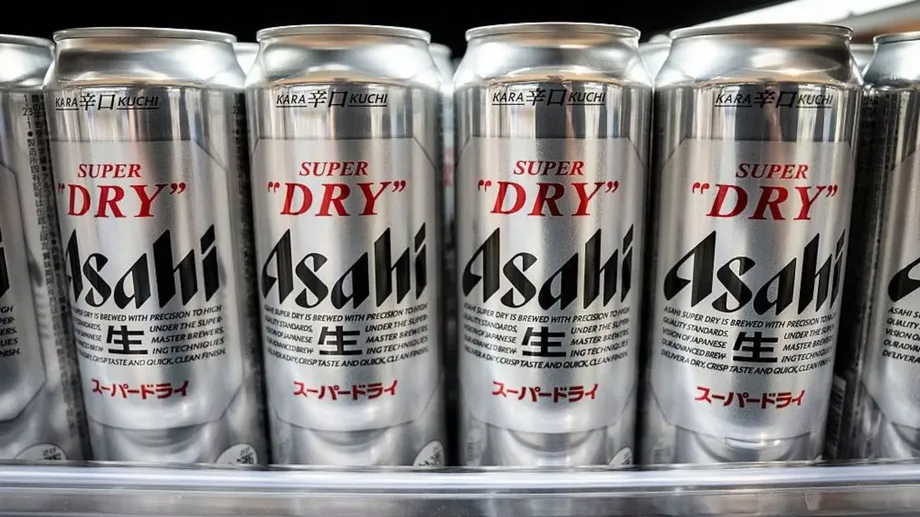
The allegations have prompted anger among some shoppers and store workers, particularly because the companies compete openly for market share while their best-known products often sell at similar price points. A Japanese newspaper reported that a 350-millilitre can of Asahi Super Dry, Kirin Ichiban Shibori and Sapporo Black Label had a suggested retail price of around ¥228, while Suntory’s draft beer was around ¥212. Actual prices vary by retailer and promotion.
A buyer at a supermarket in Yokohama said it was strange to see products from different makers priced so similarly and described a cartel as contrary to free competition. A shopper told NHK that she was disappointed by the possibility that prices had been decided secretly. Another consumer said beer makers should provide satisfying products at reasonable prices.
One supermarket manager in Tokyo said it would be difficult to accept the companies having coordinated to secure unfair profits while retailers tried to attract customers with lower prices. A 78-year-old resident told local media that, if the allegations were true, consumers would feel betrayed.
These comments reflect public concern, but they are not evidence of an agreement. The investigation will determine whether similar shelf prices arose from common costs and competitive conditions, or from prohibited coordination among suppliers.
What makes the searches different?
The JFTC’s use of compulsory criminal investigation powers marks a more serious stage than an ordinary administrative inquiry. Under Japan’s Antimonopoly Act, the commission can seek court-authorized warrants to search offices and seize evidence when it pursues a criminal case. If officials believe the evidence supports prosecution, they can refer the case to prosecutors.
Reports describe this as the first time the four largest beer companies have been searched together over a suspected price cartel. The move also stands out in the food and beverage sector. The commission has recently pursued other suspected price-fixing cases, including an investigation into diesel fuel sales to corporate customers in 2025, as well as inquiries involving other consumer industries.
Companies found to have engaged in illegal price fixing can face financial surcharges and orders requiring them to prevent further violations. Criminal proceedings may also follow if prosecutors decide to bring charges. The outcome depends on evidence of coordination and the legal assessment of how it affected competition.
Iwanari said that businesses should determine prices independently according to their own strategies, describing pricing as an important means of competition. The commission has also signalled that it intends to act firmly against cartels formed amid broad price increases. That approach reflects a regulatory concern that inflation can make it easier for competitors to justify similar moves while also increasing the incentive to learn about one another’s plans.
Pressure on brewers extends beyond the investigation
The probe arrives as Japanese brewers face a difficult domestic market. Alcohol consumption has fallen from its peak in the 1990s, as the population ages and shrinks and drinking habits change. Companies have sought growth through overseas expansion and a wider range of beverages and businesses.
At the same time, brewers have had to manage higher costs for raw materials and transport, as well as changes to liquor taxes. A tax consolidation affecting beer and beer-like drinks led to price revisions in October 2026, with reports saying major products also saw lower shipping prices as the tax rules changed. That later revision is separate from the earlier price increases at the centre of the current investigation.
The pressures facing the industry do not excuse collusion, if it occurred. They do, however, help explain why the commission will need to distinguish lawful parallel responses to common economic conditions from an agreement that replaced independent competition. The records of meetings and internal approvals could be decisive.
For now, the four brewers say they will assist the investigation, and the commission has not announced a conclusion. The next stage is likely to focus on what company representatives discussed, whether those exchanges shaped actual pricing decisions and how far any knowledge reached within each organization.
What to Know
- Japan’s Fair Trade Commission searched Asahi, Kirin, Sapporo and Suntory premises on October 7.
- The companies are suspected of coordinating wholesale price increases for beer and related drinks.
- All four companies say they will cooperate; the allegations have not been proven.
- The four brewers together account for more than 90 percent of Japan’s domestic beer market.
- Investigators may refer the case to prosecutors if evidence supports a criminal complaint.