October 29 Change Will Lift Prices by an Average of 6%
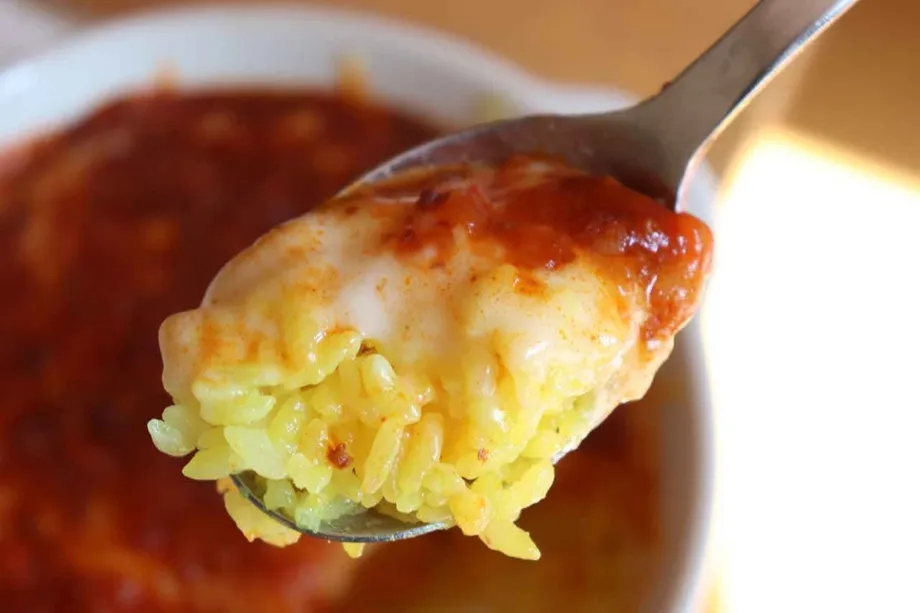
Saizeriya will raise prices on more than 80% of its menu from October 29, increasing them by an average of 6% as rising ingredient costs and shortages put pressure on the Japanese family restaurant chain. Its Milan-style doria will rise from 300 yen to 320 yen, including tax, while dishes currently priced at 400 yen will move to 420 yen or 430 yen.
Contents
The company announced the changes on October 14. Lunch menus, breakfast-only menus and fresh wine will stay at their current prices. A mug of draft beer will become cheaper, falling by 10 yen to 390 yen.
Saizeriya's official price announcement, dated October 14, 2026, sets out an average price revision of 6% across the menu from October 29. At 24 locations near leisure facilities and in some urban areas, the average increase will be 10%.
President Hideharu Matsutani said the company was reluctant to raise prices but had no choice. Saizeriya said it could no longer absorb the cost increases and ingredient shortages through its own efforts, and was changing prices to maintain food quality and keep products consistently available.
The decision marks a broader break with its pricing history than the last adjustment in July 2020. That change focused on rounding prices to reduce the amount of change handled during COVID-19 precautions. The new increase, covering nearly the entire menu, is the first of that scale since Saizeriya went public in 1998.
For customers, the effect will depend on what they order. Most menu items will cost more, but the increase will vary by dish, and several named categories will remain unchanged. The average of 6% describes the menu changes collectively, rather than a uniform increase applied to every purchase.
What Will Customers Pay?
Milan-style doria will cost 20 yen more, an increase of about 6.7% from its current price of 300 yen. A dish moving from 400 yen to 420 yen will rise by 5%, while one moving from 400 yen to 430 yen will rise by 7.5%.
Those examples show how the average translates into individual prices. Customers buying different dishes will see different percentage increases, even when the extra amount is only 20 yen or 30 yen.
- Milan-style doria: 300 yen to 320 yen, including tax.
- Items currently priced at 400 yen: 420 yen or 430 yen.
- Lunch menus and breakfast-only menus: unchanged.
- Fresh wine: unchanged.
- A mug of draft beer: down 10 yen to 390 yen.
A meal consisting of two Milan-style doria dishes, for example, would rise from 600 yen to 640 yen. That calculation uses the announced dish prices; it illustrates the effect on a simple order rather than describing a new set menu.
Why Saizeriya Says It Needs Higher Prices
Saizeriya identified two pressures behind the decision: ingredients becoming more expensive and some ingredients being in short supply. Both affect the company's ability to serve its menu at existing prices.
The company framed the increase as a way to preserve product quality and stable availability. In plain terms, it wants to keep serving food at the standard customers expect while making sure the ingredients needed to prepare it remain available.
In its announcement, Saizeriya explained its reasoning in a statement translated from Japanese:
Our efforts have been insufficient to absorb ingredient shortages and rising costs. After careful consideration, we will revise prices so that we can continue to maintain product quality and provide products consistently.
The original Japanese statement also cites rising energy costs and apologizes to customers:
昨今の原材料価格の高騰や、エネルギー等のコスト上昇が続く中、当社ではこれまで価格維持に向けた取り組みを進めてまいりました。しかしながら、当社の努力不足により、食材の不足や原価上昇を吸収できない事態が発生しております。
慎重に検討した結果、今後も商品の品質を維持し安定して提供していくため、価格改定を実施させていただきます。誠に申し訳ございませんが、お客様におかれましては、何卒ご理解賜りますようお願い申し上げます。
Matsutani's expression of reluctance reflects the choice facing the chain: keep existing prices despite higher costs, or ask customers to pay more to support continued service. The company chose a broad increase while preserving prices in several specific parts of the menu.
Why the July 2020 Change Was Different
July 2020 was Saizeriya's previous price adjustment, but its purpose was closely tied to how customers paid. The chain changed price endings to reduce the amount of change exchanged as part of precautions against COVID-19.
The October 29 revision addresses the cost of supplying the food itself. More than 80% of items will increase in price, making this the first broad increase across nearly the whole menu since the company's stock market listing in 1998.
The key dates explain the difference between the two decisions:
- 1998: Saizeriya went public, the starting point for its comparison of broad menu price increases.
- July 2020: The company adjusted price endings to reduce change during COVID-19 precautions.
- October 14: Saizeriya announced the new average increase of 6%.
- October 29: The revised menu prices take effect.
The history gives the latest decision its significance. Saizeriya has adjusted prices before, but the scale and cost pressures behind this change make it a larger shift in what customers will pay across the menu.
Some Prices Will Stay Put, and Beer Will Fall
Lunch menus and breakfast-only menus are among the exceptions to the increase. Fresh wine will also remain at its existing price, leaving customers who choose those categories with unchanged prices for those items.
A mug of draft beer will fall from 400 yen to 390 yen. That is a reduction of 2.5%, calculated from the announced 10 yen decrease and the new price.
The unchanged categories and cheaper beer mean a customer's bill will depend on the combination ordered. A higher food price could be partly offset by a cheaper beer, while an order consisting entirely of items with unchanged prices would cost the same.
A complete item by item price list was not included in the announcement details described here, so customers cannot yet calculate every possible order from the named examples alone. October 29 is the date to check the revised prices for individual dishes.
A Broad Change With Specific Exceptions
Saizeriya's decision combines a large reach with relatively small increases on the examples announced. More than four out of five menu items will become more expensive, while the named dishes rise by 20 yen or 30 yen each.
For a customer ordering one dish, that is a modest increase in yen. For a family ordering several dishes, those amounts add together. The clearest guide is the price of each item, because neither the 6% average nor the share of affected dishes gives an exact increase for every bill.
The company's stated priority is to maintain quality and dependable supply despite higher costs. From October 29, customers will see how that decision changes the prices of their usual orders, alongside the lunch, breakfast and wine prices that remain fixed.
Key Points
- Saizeriya announced the changes on October 14, with revised prices taking effect on October 29.
- More than 80% of menu items will rise in price, with an average increase of 6%.
- At 24 locations near leisure facilities and in some urban areas, the average increase will be 10%.
- Milan-style doria will rise from 300 yen to 320 yen, including tax.
- Items priced at 400 yen will increase to 420 yen or 430 yen.
- Lunch menus, breakfast-only menus and fresh wine will remain unchanged.
- A mug of draft beer will fall by 10 yen to 390 yen.
- The company cited ingredient shortages and rising costs, saying the changes would help maintain quality and consistent supply.
- The broad increase is the first of its scale since Saizeriya went public in 1998; the July 2020 adjustment focused on reducing change.