A small gap in diagnoses, a larger gap in deaths
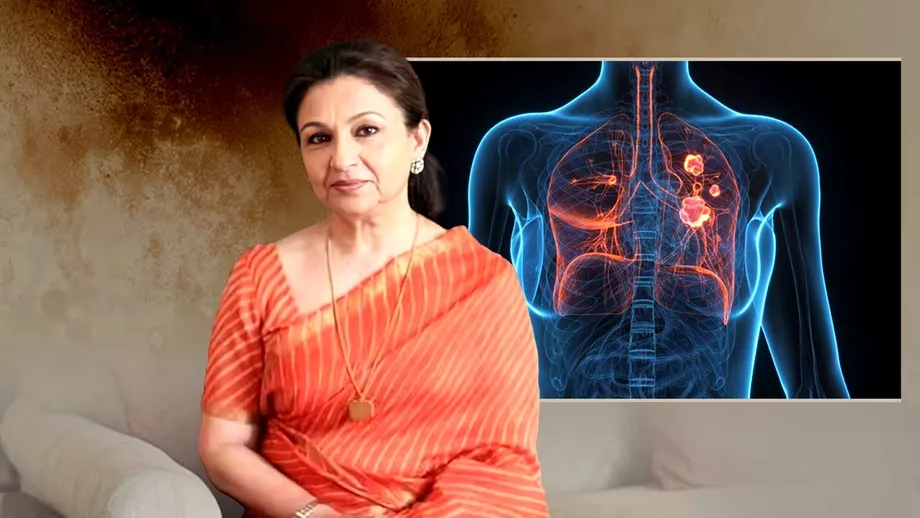
Women accounted for 51.1 percent of cancer cases recorded by India's population based cancer registries between 2015 and 2019, while men accounted for 55 percent of recorded deaths. National estimates for 2024 put the burden at about 1.56 million new cases and 874,000 deaths, revealing a divide between who develops cancer and who dies from it.
Contents
- A small gap in diagnoses, a larger gap in deaths
- Different cancers create different chances of survival
- What the registry figures cover
- Tobacco, alcohol and areca nut shape men's burden
- Hormones, infections and biology add to the divide
- The northeast carries an exceptional burden
- Where people live affects when cancer is found
- Poverty and stigma shape the experience of illness
- Screening works differently for different cancers
- India's response spans screening, treatment and financing
- What could narrow the gap in deaths
- What to Know
The National Centre for Disease Informatics and Research and the Indian Council of Medical Research compiled information from 43 registries covering different regions and communities. Across those five years, the registries recorded more than 700,000 cases and over 200,000 deaths. Researchers used those observations to model national totals.
Incidence means the number or rate of new cancer diagnoses. Mortality measures deaths. India's figures show why the two need to be considered together: women make up a slightly larger share of diagnoses, yet men bear a larger share of deaths. The projected lifetime risk of developing cancer nationally is about 11 percent.
India's pattern differs from the global picture. Worldwide in 2022, cancer incidence was roughly 197 cases per 100,000 people, with about 212 among men and 186 among women. In the United States, lifetime cancer risk is close to equal for men and women.
The explanation in India involves the cancers most common in each sex, the stage at which they are found, exposure to risks such as tobacco, and the ability to reach treatment. Reproductive healthcare brings many women into contact with medical services, while some men delay seeking help until symptoms become difficult to ignore.
Different cancers create different chances of survival
Breast, cervical and ovarian cancers together account for about 40 percent of female cases in India. The 2024 projections put breast cancer first among women, with roughly 238,000 cases, followed by cervical and ovarian cancers.
Breast and cervical cancers offer opportunities for earlier detection, and timely treatment can improve survival. Screening looks for disease or changes that may develop into cancer before a person has obvious symptoms. Cervical screening can identify changes before cancer develops.
Men face a different mix. Oral cancers were expected to account for more than 200,000 cases in 2024, followed by lung and prostate cancers. Oral cancer has overtaken lung cancer as the most common cancer among men in several registries, reflecting the lasting effects of tobacco exposure alongside alcohol use and areca nut chewing.
Oral and lung cancers are strongly linked to tobacco and alcohol exposure, tend to be more aggressive, and are often diagnosed late. Men are also less likely to attend routine checkups or seek help promptly, reducing opportunities to begin treatment earlier.
Public awareness has developed unevenly. Campaigns around breast checks, cervical screening and human papillomavirus vaccination have expanded. Discussion of men's cancers more often concentrates on tobacco and mouth lesions, with fewer routine routes into preventive care and less emphasis on systematic early detection of lung cancer.
What the registry figures cover
India's cancer registries cover roughly 10 to 18 percent of the population, with unequal representation across states and generally better coverage in urban areas. National totals are estimates calculated from that registry base. The 2024 figures can also be expressed as 15.6 lakh new cases and 8.74 lakh deaths, using the Indian unit of 100,000.
The dates behind the findings matter because observations, reporting disruptions and projections refer to different periods:
- Since the 1990s, the share of cancers associated with tobacco has fallen in some cities, although the absolute burden remains high.
- From 2015 to 2019, the 43 registries recorded the cases and deaths used to describe the sex divide.
- Data for 2020 were excluded because the COVID-19 pandemic disrupted reporting.
- For 2024, researchers modeled national totals from the registry information.
Regional gaps in coverage affect how precisely the burden can be measured. The broad pattern of higher female incidence and higher male mortality remains consistent. Expanding registry coverage, digitizing pathology and imaging reports, and linking hospital records would improve both accuracy and the speed of reporting.
Tobacco, alcohol and areca nut shape men's burden
Tobacco remains India's largest driver of preventable cancers. Registry studies put cancers associated with tobacco at about 40 to 50 percent of all cancers among men and around one fifth among women. The burden includes cancers of the oral cavity, tongue, pharynx, larynx, lung, esophagus and urinary bladder.
Patterns of use vary across the country. Chewing tobacco is common in parts of Assam and neighboring states. Smoking is more prevalent in Mizoram and nearby districts. Many people consume areca nut with slaked lime, and areca nut raises oral cancer risk even when tobacco is absent.
Heavy alcohol use increases risk further, particularly for cancers of the mouth and upper digestive tract. Cancer often reflects exposures accumulated over many years, so current disease patterns also carry the effects of earlier habits.
Some cities have recorded a declining share of cancers associated with tobacco since the 1990s, likely reflecting prevention gains and changing behavior. The number of people affected remains substantial, and passive exposure to tobacco smoke continues in homes and workplaces.
Men may first seek care when a mouth sore fails to heal or when cough and weight loss become severe. Such symptoms often accompany advanced disease. Work commitments, fear of lost wages, stigma and a tendency to minimize symptoms can all delay that first visit.
Hormones, infections and biology add to the divide
Breast and ovarian cancers are influenced by hormones. Later first pregnancies, fewer children, shorter periods of breastfeeding or no breastfeeding, and an older age at menopause contribute to greater lifetime exposure to estrogen and progesterone.
Urbanization, sedentary living, obesity and diets rich in processed foods also contribute to changing risks. Exposure to cosmetics and personal care products containing chemicals that may disrupt hormones has been flagged as a possible contributor, although measuring that effect is complex.
Infections create other routes to cancer. Persistent infection with human papillomavirus, or HPV, is linked to cervical cancer. Helicobacter pylori raises stomach cancer risk in some communities, while hepatitis B and C increase liver cancer risk. HPV vaccination and cervical screening provide opportunities to prevent disease.
Biological differences also influence how cancers arise and progress. Across many cancers worldwide, men have higher incidence than women. Bladder cancer illustrates the complexity: incidence in men is roughly four times that in women, yet women with bladder cancer often arrive with higher grade disease and have worse outcomes.
Differences in immune responses, hormone receptor signaling, and genetic and epigenetic changes help explain part of the gap. Epigenetic changes affect how genes operate. Delays in referral and diagnosis also influence outcomes, alongside these biological processes.
The northeast carries an exceptional burden
India's northeast has the country's highest cancer incidence. Aizawl in Mizoram, East Khasi Hills and Papumpare in Arunachal Pradesh stand out for high rates and lifetime risks. In some districts, lifetime risk exceeds 21 percent for men and 18 percent for women, compared with the national estimate of about 11 percent.
Those districts also have high age adjusted rates. Age adjustment allows places with different population age profiles to be compared more fairly, since cancer risk changes with age.
Tobacco use, whether smoked or chewed, is widespread in the region. Alcohol consumption and culturally established areca nut chewing add to the burden. Food practices involving smoked and salted meats and fermented products may contribute, while HPV and Helicobacter pylori infections likely play a part in cancers at particular sites.
Other regions have distinct patterns. Srinagar has the highest lung cancer incidence among men, while Hyderabad has the highest breast cancer incidence among women. Hyderabad, Delhi, Bengaluru and Chennai all stand out for high female breast cancer incidence.
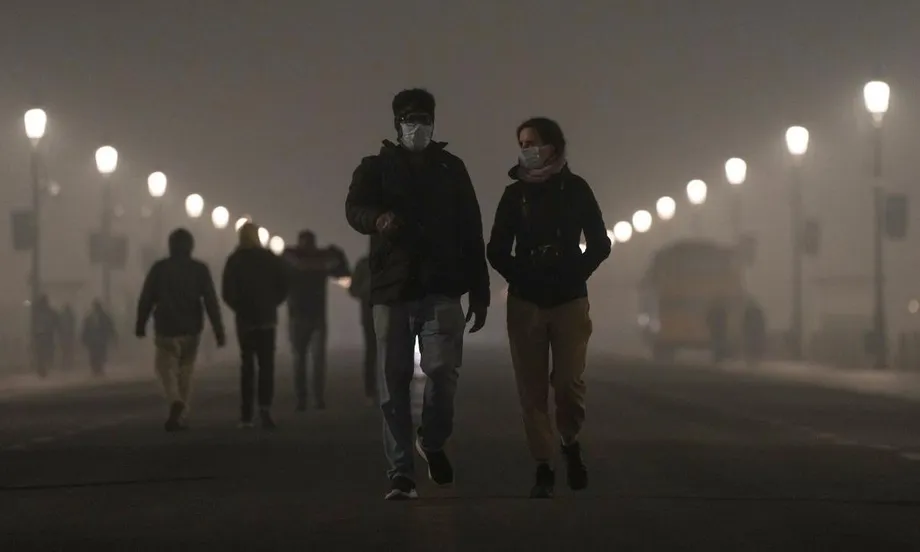
Delhi records the largest number of cancer cases among major cities. Ahmedabad has seen rising figures, including an increase in oral cancers among men. Air pollution, occupational exposures and crowded urban living complicate the picture, especially for respiratory cancers. Changing lifestyles and diets are also shifting risks in large cities and the areas around them.
Where people live affects when cancer is found
Urban residents generally have easier access to imaging, biopsies and specialist consultations. That access can make measured incidence appear higher because more cancers are diagnosed and recorded.
Rural residents may need to travel long distances and pay costs from their own pockets before receiving a diagnosis. Delays can reduce the number of cases captured locally while increasing the proportion found at an advanced stage.
Many patients eventually travel to metropolitan centers for definitive treatment. Their journeys can make the burden seem concentrated in those cities, although access to services is part of the explanation for that concentration.
Women's contact with reproductive healthcare can create opportunities for screening or incidental detection. Social constraints can still interrupt the route from a first symptom to diagnosis and treatment. Men may have fewer routine contacts with healthcare, while employment pressures and expectations about masculinity can discourage preventive visits.
Records from a major cancer center in Mumbai show how unequal access can begin in childhood. Over a decade, only one girl received treatment for every two boys. The pattern points to biases in family decisions about which child receives care.
Poverty and stigma shape the experience of illness
Medical anthropologist Cecilia Van Hollen documented the experiences of Dalit women in Tamil Nadu who connected rising cancer to poverty, chemicals in food and fields, hard labor and drought. Their accounts place illness within daily struggles over work, food and social position.
An elderly Dalit woman speaking during Van Hollen's fieldwork described that sense of injustice in religious and economic terms:
Cancer is a sign of the Kali Yuga. It has come because of the way we live, because of agricultural chemicals in our food, and lack of work.
Stigma can add another delay. Some women fear that a breast lump will be regarded as shameful, or that cervical disease will invite judgments about morality. Others describe misdiagnosis or brusque treatment in crowded facilities.
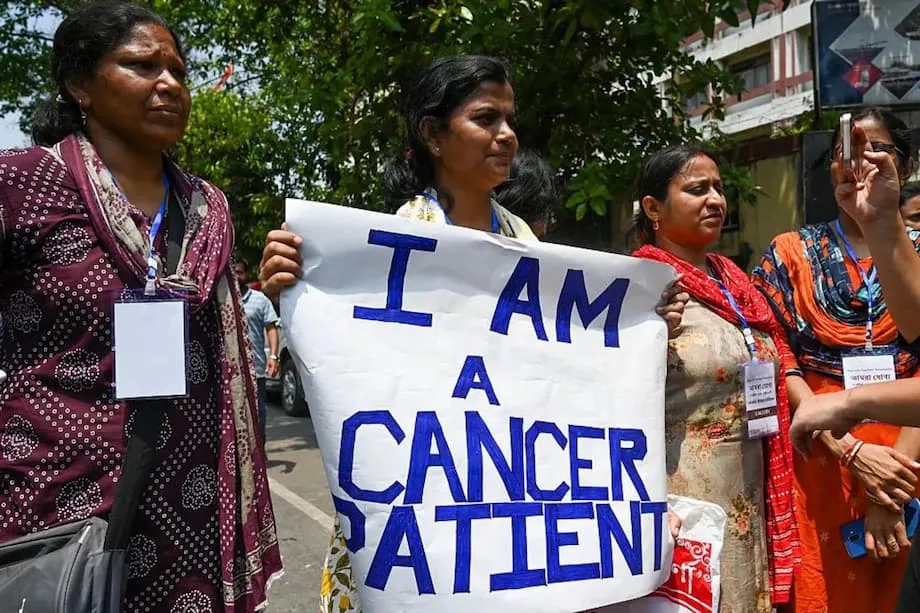
Income, education, caste and gender expectations can determine whether someone reaches care in time. Prevention and treatment therefore involve practical questions about transport, wages, family support and respectful services, alongside medical questions about the cancer itself.
Screening works differently for different cancers
Cervical cancer is largely preventable through HPV vaccination and regular screening. India's indigenous HPV vaccine, Cervavac, makes wider vaccination more feasible. Visual inspection and Pap testing can identify changes before cancer develops, allowing treatment at an earlier point. Expanding these services in places with limited resources could prevent thousands of deaths.
Breast cancer survival improves sharply when disease is found early. In many countries, survival for five years after an early stage diagnosis exceeds 90 percent. Many Indian women still arrive with stage 3 or stage 4 disease, when survival falls steeply.
Clinical breast examination by trained providers, targeted mammography for eligible age groups and faster referrals can help move diagnosis earlier. Technology is one part of that work. Awareness, access and systems that keep patients connected to follow up care are also essential.
Oral cancer offers a practical screening opportunity for men at high risk. Trained health workers can examine the mouth, identify suspicious patches or early lesions, and arrange prompt referral. Primary care visits, dental appointments and workplace programs can all provide opportunities for these checks.
Lung cancer screening requires a different approach. Low dose CT scans are effective for defined groups at high risk in some countries, but require resources and careful implementation. India can pilot targeted programs for people at very high risk, guided by specialists and local capacity, while improving evaluation of persistent cough, weight loss and chest symptoms.
India's response spans screening, treatment and financing
The National Programme for Prevention and Control of Cancer, Diabetes, Cardiovascular Diseases and Stroke supports awareness and screening for oral, breast and cervical cancers. These are practical entry points for finding disease before it becomes harder to treat.
The Strengthening of Tertiary Care for Cancer scheme has expanded State Cancer Institutes and Tertiary Cancer Centres. These facilities provide specialist care beyond the services available at primary health centers.
The National Cancer Grid connects more than 280 centers to standardize care. Public financing through Ayushman Bharat gives poor families access to cancer treatment, while planned day care cancer centers aim to bring services closer to patients.
Research developments include indigenous CAR T cell therapy, a treatment approach involving immune cells. Such advances show growing scientific and treatment capacity, alongside the continuing need for accessible diagnosis and established cancer services.
What could narrow the gap in deaths
Reducing male cancer mortality requires action on both exposure and delayed care. Stronger enforcement of tobacco control laws, higher excise taxes, licensing of vendors, restrictions on marketing areca nut products and reliable services to help people quit can reduce tobacco use and support cessation.
Workplace and community programs can pair help with quitting tobacco with routine mouth examinations. Those services are especially valuable for men in occupations where risks are high and medical visits may mean losing income.
Primary care teams can use simple decision guides to identify warning signs, including mouth ulcers that do not heal, hoarseness and a persistent cough, then route patients quickly to diagnostic services. Links with tuberculosis programs may help because chronic cough already prompts assessment in primary care.
Paid time off for screening and mobile units at workplaces could reduce practical barriers. Messages that present health checks as an act of responsibility may also encourage men to seek care sooner. Carefully targeted lung screening pilots would need specialist guidance and sufficient local capacity.
Women also need reliable access from screening through treatment, especially where stigma, poverty or family decisions cause delays. India's cancer divide reflects different diseases and exposures, combined with unequal routes into care. Reducing deaths means addressing each of those factors while improving the records used to measure progress.
What to Know
- Women accounted for 51.1 percent of registered cancer cases in 2015 to 2019; men accounted for 55 percent of deaths.
- National estimates for 2024 were about 1.56 million new cases and 874,000 deaths.
- Breast, cervical and ovarian cancers make up about 40 percent of female cases; oral, lung and prostate cancers lead among men.
- Cancers associated with tobacco account for about 40 to 50 percent of male cases and around one fifth of female cases.
- The northeast has the highest incidence, with lifetime risks in some districts far above the national estimate of 11 percent.
- HPV vaccination, cervical screening, breast assessment and oral checks offer opportunities to prevent disease or find it earlier.
- Travel, treatment costs, stigma and gender bias affect who reaches care and when.
- Wider registry coverage, faster referrals and more accessible treatment are central to reducing the gap in cancer deaths.