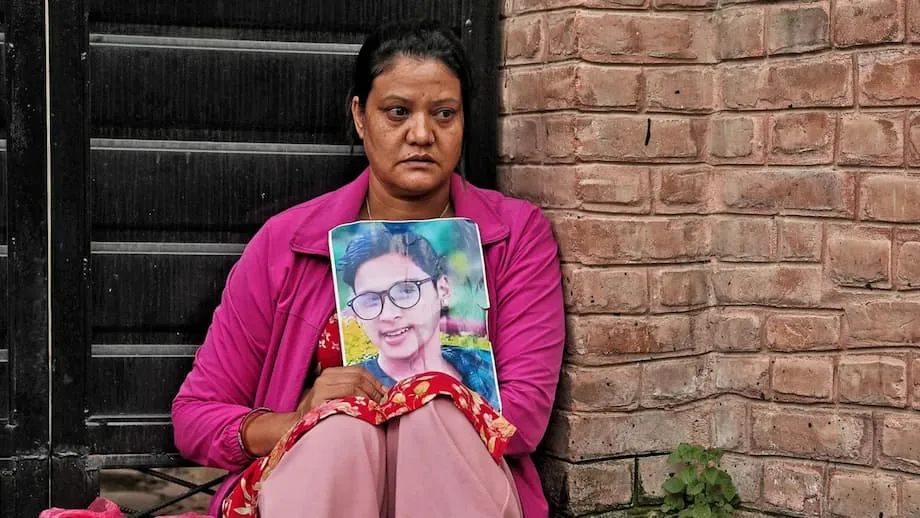
Families demand answers after two days of deadly unrest
At least 72 people were killed and 2,113 injured in Nepal after protests against corruption and a brief social media ban escalated into street clashes, arson and the collapse of Prime Minister K.P. Sharma Oli's government. As of September 16, 2025, former chief justice Sushila Karki, 73, was leading an interim administration, promising an investigation, support for victims and national elections on March 5, 2026.
Contents
- Families demand answers after two days of deadly unrest
- How restrictions on 26 platforms sparked a wider revolt
- From a peaceful gathering to fires across the capital
- Gunshot wounds put police conduct at the centre of scrutiny
- What an investigation would need to establish
- Protest organizers reject vandalism as the army takes control
- A former chief justice becomes Nepal's first woman prime minister
- Three ministerial appointments set the government's early priorities
- Kathmandu quiets under curfews and military checkpoints
- Why the protests reached so many young Nepalis
- Key Points
The two days of violence brought Nepal its deadliest unrest in decades. Crowds burned parliament, the Supreme Court and parts of the Singha Durbar administrative complex. Politicians' homes were attacked, government offices were damaged across several provinces, and bodies were recovered from torched offices and residences.
Outside the Tribhuvan University Teaching Hospital morgue in Kathmandu, families waited to identify young relatives. Among the dead were students and recent graduates, including a young person who had hoped to become a judge, a hotel worker in the capital and a student of French aged 19. Many families faced hours of waiting before they could confirm what had happened.
Narendra Shrestha, 45, identified his son Sulov, 21. For him, political apologies offered little comfort without an explanation of who authorized shooting at protesters.
"Politicians will say sorry. Sorry does not make a dead son come alive again," said Narendra Shrestha.
Karki has pledged free medical treatment for those injured and 1 million rupees for each family that lost someone. Her government must also restore public services, rebuild damaged buildings and respond to demands for accountability from the young people whose protests brought her to office.
How restrictions on 26 platforms sparked a wider revolt
The immediate trigger was a government restriction on 26 social media platforms, including Instagram, Facebook and WhatsApp. Announced in early September, the ban lasted barely two days. Officials presented it as a response to fraud, scams, hate speech and misinformation. Protesters saw an attempt to silence criticism and shield powerful people from scrutiny.
Young Nepalis had already been sharing posts mocking so called nepo kids, the children of senior politicians whose lavish lifestyles appeared online while many other young people struggled to find work or earn enough. Those posts gathered momentum over the summer, turning frustration with nepotism and a culture of impunity into a shared public grievance. Nepotism means giving opportunities to relatives because of family connections rather than ability.
Social media also connects Nepalis to customers, news and relatives abroad. Families are spread across continents, young entrepreneurs use platforms to reach buyers, and money sent home by workers overseas equals about one third of gross domestic product, the value of goods and services produced in the economy.
The ban therefore touched daily life as well as political debate. Restoring access did not end the protests because anger had spread beyond the restrictions to corruption, unequal opportunities and distrust of established leaders.
From a peaceful gathering to fires across the capital
On Monday, September 8, thousands gathered near parliament in Kathmandu. Many wore school or college uniforms. Groups identifying themselves as Gen Z organizers said they had called a peaceful demonstration against the platform restrictions and corruption.
Tensions rose when groups pushed past barricades. Police used tear gas, water cannons and rubber bullets. Reports of live ammunition followed, and early figures put the death toll at at least 19 by nightfall. Those deaths deepened public anger, drawing more people into the streets despite curfews.
On Tuesday, crowds set fire to parliament, parts of the Supreme Court and the Singha Durbar complex. Residences belonging to prominent politicians were attacked or burned, while public offices elsewhere in Nepal also sustained damage. Oli resigned after the first day of mass casualties, saying he wanted a constitutional solution to the crisis.
The main developments unfolded in this order:
- Early September: The government announced restrictions on 26 social media platforms, prompting accusations of censorship.
- September 8: Thousands demonstrated near parliament in Kathmandu. Clashes with police left at least 19 people dead in the initial count.
- September 9: More people defied curfews, buildings were set ablaze and attacks spread to politicians' homes and public offices.
- Later that week: President Ram Chandra Paudel dissolved parliament on the recommendation of a caretaker leadership, and Karki was sworn in as interim prime minister.
- By September 16: Health officials reported at least 72 deaths and 2,113 injuries. The interim government had pledged an inquiry and elections on March 5, 2026.
Local officials also reported prison breaks across the country during the turmoil. In Banke district, five youths were killed when security forces fired on escapees from a juvenile facility.
Gunshot wounds put police conduct at the centre of scrutiny
The health ministry said most fatalities were caused by gunfire. Others died in fires or chaotic confrontations. Witnesses, medical workers and rights monitors described live rounds being fired into crowds, while videos from several locations showed officers aiming rifles at chest level as people scattered.
Arms specialists who examined images from Kathmandu identified ammunition measuring 7.62 by 51 millimetres, associated with automatic rifles. Such rounds are far more lethal than equipment ordinarily used to control crowds. Medical staff described entry and exit wounds consistent with live ammunition, including wounds to the head, chest and torso.
At Bir Hospital near parliament, doctors treated more than 170 people on the first night. Several died from their injuries, and others remained in critical condition. Staff initially saw injuries from rubber bullets, followed by growing numbers of patients with multiple gunshot wounds.
Another major hospital described receiving more than 450 emergency patients over two days. Hospitals faced successive waves of casualties while fire crews and recovery teams searched damaged buildings. The nationwide injury count rose above 2,100 as teams reached places that had been burned.
Abishek Shrestha, 22, was shot in the leg. Speaking from a hospital bed, he blamed the authorities and questioned the legality of the crackdown.
"International law says they are not allowed to shoot. I blame the government, the police and the rules. Things must change," said Abishek Shrestha.
What an investigation would need to establish
The central unanswered question is who authorized lethal force. Police leaders have promised to investigate their conduct, and Karki has pledged a broad inquiry into the two days of violence. Families want responsibility traced through the chain of command, meaning the officials who issued orders as well as the personnel who carried them out.
Independent monitors and legal experts have called for investigators to reconstruct events, examine command decisions and compare victims' wounds with ballistic evidence and video. Cartridge casings, radio communications and body camera recordings where available could help establish when live ammunition was issued and who used it.
International standards allow live fire only when there is an imminent threat to life. The reported concentration of wounds in the chest and head, together with videos showing officers firing into densely packed crowds, has intensified demands for an independent commission with powers to require evidence and protections for witnesses.
Rights groups also want police training, equipment and rules governing the use of force reviewed. Their demands extend beyond individual shootings to how officers were prepared and instructed to manage demonstrations.
Volker Turk, the United Nations high commissioner for human rights, called for accountability and reminded the authorities that freedom of expression and peaceful assembly are protected by Nepali law and international obligations.
"We urge a prompt, impartial investigation into the deaths of protesters and all allegations of unnecessary and disproportionate use of force by security forces," said Volker Turk, the UN human rights chief.
Protest organizers reject vandalism as the army takes control
Groups identifying themselves as Gen Z organizers say their movement rejected vandalism and that troublemakers infiltrated peaceful gatherings to loot and burn property. Student organizers have asked security forces to distinguish peaceful demonstrators from people exploiting the disorder.
In a public statement, the organizers described their campaign as an exercise in peaceful civic participation.
"Our movement was and remains non violent and rooted in the principles of peaceful civic engagement," the Gen Z organizers said in their statement.
The Nepal Army, deployed to restore order, described its role as protecting citizens and public property while encouraging dialogue. Commanders warned that looting and arson would be punished. Soldiers established checkpoints and helped police enforce curfews in major cities.
Army chief Ashok Raj Sigdel appealed directly to demonstrators in a televised address, asking them to stop protesting and enter talks.
"To lead the country towards peace from the present adverse situation, we appeal to the protesters to suspend their protest and come for dialogue," Gen. Sigdel said.
Military spokesman Rajaram Basnet said troops were also responding to people taking advantage of the breakdown in order.
"We are mainly in the process of controlling elements who are taking advantage of the situation to loot, set fires and cause various incidents," said military spokesman Rajaram Basnet.
A former chief justice becomes Nepal's first woman prime minister
Sushila Karki took office with support from a broad group of youth activists who wanted a leader known for integrity. Her appointment made her Nepal's first woman prime minister, with responsibility for guiding an interim government to the election scheduled for March 5, 2026.
Karki built her reputation by challenging corruption in court, defending judicial independence and women's rights, and resisting political pressure. Years earlier, she faced an impeachment motion after overturning a politically favoured appointment for police chief. Her stand strengthened her reputation among people seeking appointments based on merit instead of party patronage.
President Ram Chandra Paudel dissolved parliament later in the week on the recommendation of a caretaker leadership. The change placed responsibility for restoring stability and preparing an election with Karki's interim administration after Oli's resignation.
Karki told senior officials that the state would support bereaved families, pay for treatment of the injured and begin rebuilding immediately. She also addressed the demands of the generation that had helped bring her to power.
"I will work according to the thinking of the Gen Z generation. They want the end of corruption, good governance and economic equality," Interim Prime Minister Sushila Karki said.
Three ministerial appointments set the government's early priorities
Within days of taking office, Karki appointed three ministers with reputations for reform. Their responsibilities covered domestic security, public finances and energy, areas central to restoring government operations and public confidence after the unrest.
Om Prakash Aryal, a human rights lawyer known for public interest litigation, became home minister. Public interest litigation uses the courts to address matters affecting the wider public rather than only a private dispute.
Rameshwar Prasad Khanal, a former finance secretary who championed fiscal transparency, took charge of the finance ministry. Fiscal transparency means making government revenue, spending and financial decisions open to public scrutiny.
Kulman Ghising became energy minister. He is credited with ending chronic power cuts while leading the state electricity utility, giving him a public record tied to a basic service that affects homes and businesses.
The three ministers took their oaths alongside Karki outside the presidential office, which had been damaged by fire. The setting reflected the immediate task facing the administration: governing while public institutions were still recovering from destruction.
Kathmandu quiets under curfews and military checkpoints
Kathmandu's streets grew quieter after two nights of chaos, but movement remained restricted by curfews and army roadblocks. Soldiers used loudspeakers to tell residents to avoid unnecessary travel. People returning to damaged buildings swept away soot and broken glass.
The main international airport reopened after a shutdown, although access remained tightly controlled and troops guarded the terminals. Nationwide curfews, airport closures and military patrols had followed the worst clashes.
At Singha Durbar and across the capital's administrative centre, charred buildings, twisted vehicles and shattered windows showed the extent of the damage. Smoke continued rising from government compounds as cleanup crews began work. The destruction extended across several blocks.
Outside Kathmandu, public buildings were damaged in Pokhara, Birgunj and towns across the southern plains. Regional government offices and courts were burned or otherwise damaged. The attacks spread the disruption beyond the national institutions at the centre of the protests.
Police announced dozens of arrests linked to arson and looting and said they had recovered firearms stolen during the turmoil. Several embassies urged calm and respect for peaceful assembly and expression. India tightened security on its side of the border while calling for restraint.
Why the protests reached so many young Nepalis
Nepal's youth unemployment rate stood at around one fifth last year. Low wages, high living costs and slow job creation have left many young people frustrated, while repeated changes of government and party patronage have weakened trust in the parties dominating parliament.
Millions of Nepalis work abroad. Their remittances, money sent back to relatives, have become a foundation of household finances and amount to about one third of the economy. For people remaining in Nepal, the contrast between limited opportunities and the conspicuous wealth displayed by politicians' children sharpened resentment.
Gen Z in this movement includes teenagers and people in their late twenties. Many were children during Nepal's civil war and the political transitions that followed. They grew up with smartphones, online businesses and migration across borders, using social media to share allegations of corruption and build networks.
The platform ban cut into those networks at a moment when anger was already intense. Its reversal addressed the immediate restriction, while demands for honest government, fairer opportunities and accountability continued to drive the movement.
Young people also took part in cleanup efforts after the clashes. Students and workers wearing masks carried rubbish bags through the streets and guarded cultural sites. They said they wanted political change without the destruction of Nepal's heritage.
Key Points
- Health officials reported at least 72 deaths and 2,113 injuries after two days of unrest.
- A brief ban on 26 social media platforms triggered protests that grew into a broader movement against corruption and nepotism.
- The health ministry said most deaths were caused by gunfire. Families and rights groups are demanding an independent investigation.
- Parliament, the Supreme Court, parts of Singha Durbar, politicians' homes and public buildings outside Kathmandu were attacked or burned.
- K.P. Sharma Oli resigned, and former chief justice Sushila Karki became Nepal's first woman prime minister.
- Karki pledged free treatment for the injured and 1 million rupees for each bereaved family.
- National elections were scheduled for March 5, 2026.
- The army enforced curfews and checkpoints, while police announced dozens of arrests over arson and looting and recovered stolen firearms.
- Protest organizers said their campaign was peaceful and blamed infiltrators for destruction.
- Youth unemployment of around one fifth and anger over political privilege helped fuel the uprising.