Manila and Kyiv work toward an October agreement
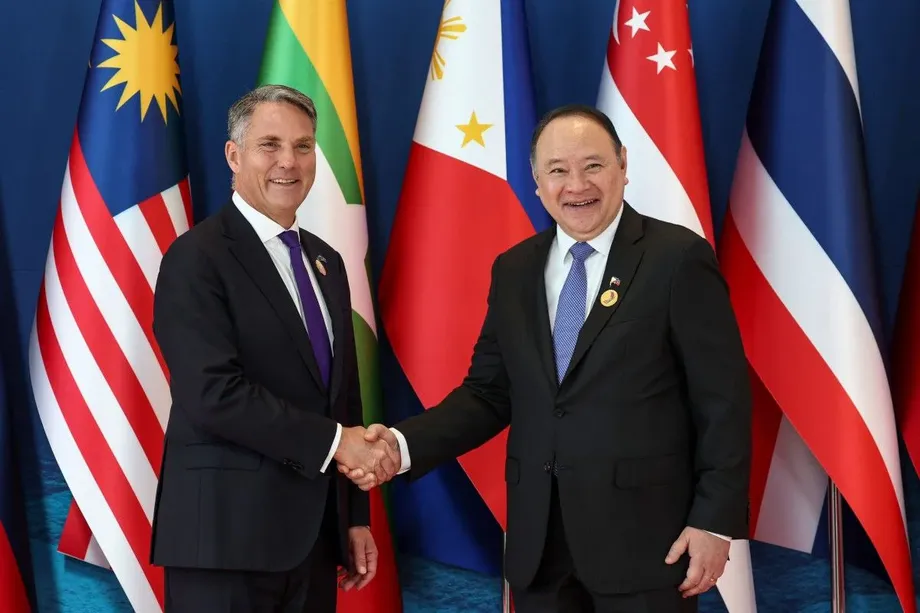
Ukraine and the Philippines are working toward a defense agreement that could open the way to joint production of drone boats for maritime defense in the West Philippine Sea. As of September 16, 2025, Ukrainian Ambassador Yuliia Fediv has said a memorandum of understanding could be signed around October, with a Ukrainian Ministry of Defense delegation preparing to visit Manila for talks.
Contents
- Manila and Kyiv work toward an October agreement
- Military meetings prepare the ground
- Why Manila wants more options at sea
- How drone boats compare with submarines
- Ukraine offers experience from the Black Sea
- What local production could involve
- How the craft would operate and stay connected
- Daily missions and the limits of small craft
- A Ukrainian partnership within a wider network
- Funding and industrial capacity will shape delivery
- The next milestones begin in October
- What to Know
The draft is already with the Philippine Department of National Defense. Approval would give the two governments a framework for technology sharing, training and possible local production, connecting Ukraine's experience fighting Russia in the Black Sea with Philippine efforts to strengthen its position against a larger Chinese maritime force.
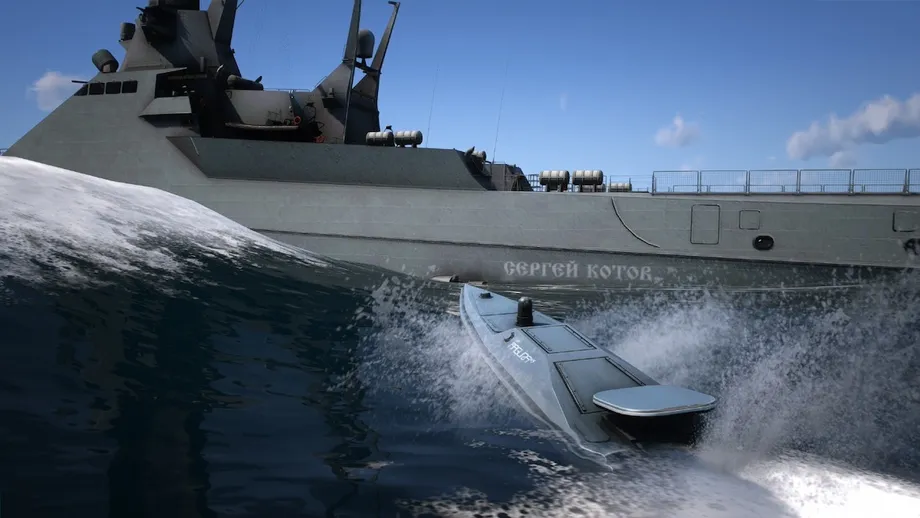
Manila sees uncrewed surface vessels, commonly called drone boats, as a relatively inexpensive way to expand its reach without waiting for major warships or submarines. These craft operate without crews aboard and can carry cameras, sensors or weapons, depending on their mission.
The Philippines already has a small fleet of vessels supplied by the United States that have appeared in joint exercises, giving Philippine personnel practical experience. That fleet still depends on foreign support. A production partnership with Ukraine could increase numbers, widen the choice of suppliers and help Philippine industry move from prototypes to systems ready for regular use.
Neither government has announced a final production contract, an agreed design, an order size or a budget. October is a possible signing window for the cooperation framework. The production arrangements and delivery schedule would depend on subsequent decisions, funding and technical work.
Military meetings prepare the ground
Col. Andrii Bilenkyi, Ukraine's first nonresident defense attaché to the Philippines, has met Philippine counterparts at Air Force, Army and Navy headquarters in recent weeks. Discussions have covered technology, training, capability development and cybersecurity.
Ukrainian officials have also toured Philippine facilities and met service chiefs. Those contacts give both governments a starting point for deciding which technologies might suit Philippine requirements and what support local operators and manufacturers would need.
Officials and engineers are expected to meet at a drone warfare summit in Zambales in October. The gathering would provide another opportunity to compare operational needs, discuss technical integration and consider how Ukrainian systems could support daily missions in the West Philippine Sea.
A memorandum of understanding would establish the legal and administrative basis for further cooperation. Ministries use such frameworks to authorize projects and arrange funding. If signed, it could lead to joint working groups and more detailed proposals, including a possible pilot batch assembled in the Philippines with Ukrainian guidance.
Why Manila wants more options at sea
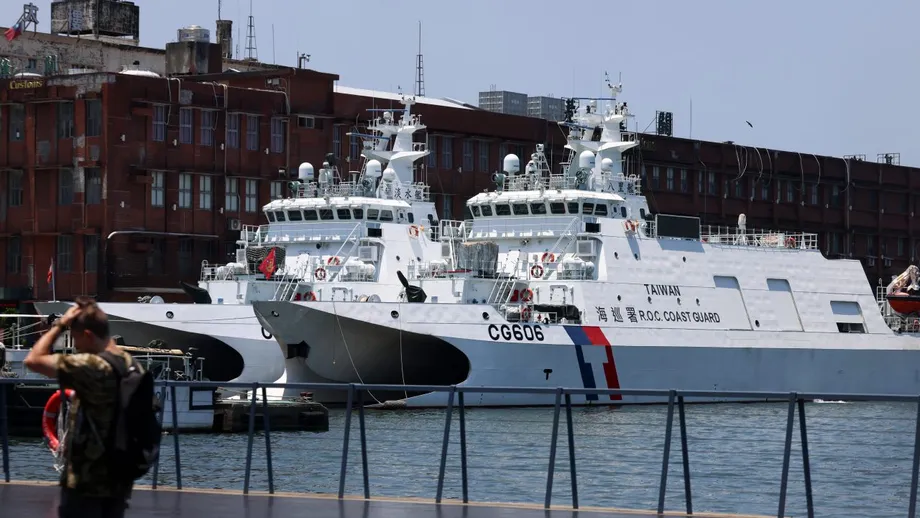
Chinese coast guard, navy and maritime militia vessels assert expansive claims in the South China Sea. They have blocked or harassed Philippine missions near Second Thomas Shoal and Scarborough Shoal, making surveillance, resupply and rapid responses central concerns for Manila.
Philippine leaders want equipment that can maintain a more persistent presence and impose costs on a stronger opponent while limiting the danger of uncontrolled escalation. Drone boats could perform dangerous or repetitive tasks while keeping crews away from immediate harm.
Small uncrewed craft are faster to build than major warships, easier to replace and relatively affordable to deploy in numbers. Modern systems can navigate autonomously, transmit live video and follow targets using electro optical and infrared sensors. Those sensors provide ordinary camera images and detect heat, helping operators observe activity in different conditions.
Possible Philippine missions range from monitoring disputed waters to supporting crewed vessels and, if authorized, conducting attacks:
- Maintaining surveillance along routes to Second Thomas Shoal and other features.
- Screening resupply missions, recording encounters and warning crews about approaching ships.
- Shadowing intruding vessels and gathering intelligence.
- Using decoys to confuse targeting and draw attention away from crewed ships.
- Delivering precision strikes against ships or infrastructure with suitable warheads.
- Scouting and mapping for amphibious operations and coastal defense.
Keeping sailors off these platforms can also reduce the political sensitivity of exposing personnel to danger. Philippine planners would still need clear rules governing where the craft operate and how they respond during confrontations.
How drone boats compare with submarines
Defense Secretary Gilberto Teodoro Jr. has argued that unmanned systems can fill gaps while major acquisitions remain years away. He has described uncrewed surface vessels as a credible option while the Philippines considers more demanding capabilities.
Defense Secretary Gilberto Teodoro Jr. said unmanned surface vessels could serve as alternatives to submarines for the Philippines.
Submarines remain powerful deterrents, but buying them, training their crews and sustaining them require large budgets and years of preparation. Drone boats need less training and infrastructure and can operate from small bays or modular forward sites.
Philippine planners could connect the craft with aircraft, coastal radars and patrol vessels to create several layers of observation and defense. A drone might detect activity, pass information to a patrol ship and allow commanders to decide which asset should respond.
Deploying many small craft together, often described as a swarm, could also strain defenses designed to stop only a few large ships. Operators would assign different roles across the group, such as observation, deception or attack. This combination of speed, numbers and lower infrastructure demands explains Manila's interest while projects with longer preparation periods continue.
Ukraine offers experience from the Black Sea
Ukraine has expanded production of uncrewed platforms since 2022 while fighting Russia. Its maritime drones have struck Russian Black Sea Fleet vessels and forced changes in Russian naval operations.
Ukrainian teams have refined communications, onboard autonomy and mission planning for journeys across long distances in heavily monitored waters. Autonomy allows a craft's computers to perform some navigation and operating tasks without an operator directing every movement.
Ukrainian companies design surface drones for reconnaissance, mine countermeasures and strikes over long distances. Their work includes remote control, partly autonomous navigation and cooperative tactics in which several drones share tasks and sensor information.
Ambassador Fediv has described a defense agreement as the foundation for deeper cooperation between the two countries' defense industries.
Ukrainian Ambassador to the Philippines Yuliia Fediv said the first step is to sign a defense agreement to create the legal framework for the next steps.
Fediv has also said Ukraine is ready to share successes and lessons learned with partners facing similar threats. For the Philippines, the attraction includes established designs, operator training and maintenance practices developed under combat pressure, supported by Ukraine's expanding drone industry.
Philippine forces need to cover wide sea areas with limited crews and budgets. Access to Ukrainian technology and operating experience could shorten some of the work required to develop a larger uncrewed fleet.
What local production could involve
Philippine boatyards could provide the industrial starting point. Small and medium sized yards, including ferry and fast craft businesses around Cebu and Batangas, already have experience building hulls, managing quality and delivering vessels to tight schedules.
A joint program could adapt Ukrainian designs to hull forms suited to Philippine requirements. Local companies could fabricate structures and install propulsion, batteries and navigation equipment. Ukrainian suppliers could provide sensitive components such as sensors, controllers and secure radios for assembly and testing in the Philippines.
Local work could create jobs for welders and marine electricians while giving the armed forces a domestic maintenance base. Over time, Philippine engineers could form design teams and qualify local suppliers to produce camera masts, launch rails and power management equipment.
Training would need to cover operators, mission planners and technicians working at maintenance depots. Having those skills locally would make it easier to support large numbers of craft and increase activity during a crisis without relying on foreign contractors.
The practical work would include establishing a joint integration line, agreeing on common software versions, testing communications on Philippine networks and writing operating procedures. Those procedures would explain how drone boats coordinate with coast guard cutters and navy patrol ships.
Export controls and intellectual property arrangements would also need clear rules. Both governments would have to agree which components and processes could be handled locally and which would require Ukrainian oversight. Successful pilot production could support larger orders and additional equipment packages, including mine reconnaissance or variants intended to attack ships.
How the craft would operate and stay connected
A typical modular drone boat combines cameras, radar or radar reflectors, navigation equipment and encrypted radios. Radar reflectors help make an object visible to radar. Different mission packages could add a warhead, a towed sonar for mine hunting or extra fuel for longer patrols.
Operators could control a vessel through a direct radio connection from shore or a larger ship. Satellite connections could extend control beyond the range of those direct links.
Autopilots handle routine course changes, while onboard computers can follow planned waypoints and avoid collisions. Operators review video, radar information and alerts before sending commands that the craft carries out with little delay.
Cybersecurity is therefore expected to feature in cooperation talks. Command links and the networks carrying sensor information are valuable targets for electronic attack. A production program would need to protect both the craft and the wider systems used to control them.
Philippine teams would also need to connect Ukrainian designs with existing equipment. Shared procedures and compatible communications would allow drone information to reach the ships, aircraft and headquarters that need it.
Daily missions and the limits of small craft
During peacetime or periods of tension, drone boats could maintain an almost continuous presence on important routes serving Philippine outposts in the Spratlys. Operating at a distance, they could record video and radio exchanges involving foreign vessels.
During a resupply mission to Second Thomas Shoal, a screen of drones could monitor likely approaches and alert crewed vessels to aggressive maneuvers. In exercises, the same technology could simulate hostile swarms, allowing crews to practice responding to many small targets.
If conflict approached, craft carrying weapons could potentially attempt to break a blockade or strike an exposed vessel in a port or anchorage. Such operations would require authorization under rules of engagement set by civilian leaders.
Fuel and battery capacity limit endurance. Squalls and heavy seas in the West Philippine Sea can also place severe strain on small vessels. Maintaining a persistent patrol would require operators to rotate craft, replenish fuel or batteries and keep engines and other equipment working.
China could counter drone boats with electronic warfare, its own drones, helicopters, fast interception craft and coastal sensors. Jamming can interrupt GPS signals or command links. Spoofing sends misleading navigation information that can steer a craft away from its intended course.
Possible defenses include using several navigation methods, such as inertial systems and visual maps, rather than relying entirely on GPS. Inertial equipment estimates movement using onboard sensors. Radios that switch frequencies, strong encryption and antennas designed to resist jamming can help protect communications.
Greater autonomy could allow a vessel to continue a mission after losing contact with its controller. Mixed formations of drones, crewed ships and aircraft could make targets harder to distinguish. Sending many small craft together would require an opponent to find and stop each one, while Philippine crews would still need procedures for recovering lost vessels and repairing battle damage quickly.
A Ukrainian partnership within a wider network
Cooperation with Ukraine would sit alongside the Philippine alliance with the United States. American supplied uncrewed vessels have already appeared in joint exercises, and sites being upgraded under the Enhanced Defense Cooperation Agreement in Palawan and elsewhere could support such systems.
Japan and Australia have expanded training and maritime domain awareness programs with Manila. Maritime domain awareness means knowing what is happening at sea, including where vessels are moving and what they are doing. Shared information and common procedures could connect those programs with drone operations.
The Philippines also signed a security cooperation document with Lithuania in July covering cybersecurity, ammunition, defense industry collaboration and maritime security. Lithuanian Defense Minister Dovile Sakaliene placed that cooperation within a wider argument for coordination among democracies.
Lithuanian Defense Minister Dovile Sakaliene warned of an emerging authoritarian axis of Russia, China, North Korea, and Iran, urging democratic states to coordinate their responses.
For Manila, these partnerships combine access to training, intelligence and technology with an effort to build more capacity at home. A Ukrainian agreement would provide another supplier and a possible production base in the Philippines, improving the ability to sustain equipment when global supply chains become strained.
Funding and industrial capacity will shape delivery
The Armed Forces of the Philippines modernization program proceeds in stages, with aircraft, ships, coastal defenses and surveillance systems competing for funding. Drone boats cost less than major ships, but operating a fleet still requires spare parts, fuel or batteries, trained personnel and dependable maintenance.
Program managers would need to arrange sea trials, certify safety procedures and establish doctrine for coordination among navy, coast guard and air assets. Doctrine is the agreed approach that tells personnel how equipment should be used together.
Philippine boatyards also have commercial commitments. Military work would require processes for sensitive electronics, cybersecurity and military quality standards. Spreading production across many small yards could complicate the task of making every vessel to the same standard.
Political decisions could affect the program's durability. A future administration might seek a diplomatic reset with Beijing or change industrial priorities. Transparent contracts that distribute work across regions could help sustain support, alongside clear legal rules, export control compliance and coordination with allies.
The next milestones begin in October
October brings two possible opportunities to advance the partnership: the proposed memorandum signing and the drone warfare summit in Zambales. The Ukrainian defense delegation's planned Manila talks would provide another step toward defining the work.
- Since 2022: Ukraine has expanded uncrewed systems production and developed maritime drone experience against Russia.
- July 2025: The Philippines signed its security cooperation document with Lithuania.
- Recent weeks before September 16: Col. Andrii Bilenkyi met Philippine military counterparts across the services.
- September 16, 2025: Ukraine's draft defense memorandum is with the Philippine Department of National Defense.
- October 2025: A possible signing and the Zambales summit could move technical and industrial discussions forward.
If the memorandum is signed, working groups could develop specific programs, potentially followed by a small pilot production line. Sea trials near Palawan or Zambales, operator training and network integration would be likely steps. An initial craft could be ready for exercises within a year of a contract award if funding and facilities were available.
Public tenders or announcements concerning integration facilities, communications tests and training courses would indicate movement toward delivery. Participation in major allied exercises would offer a practical test of whether Ukrainian designed systems could share information through American and partner data links.
What to Know
- Ukraine and the Philippines are discussing a defense memorandum that could be signed around October 2025.
- The draft is with the Philippine defense department, and a Ukrainian defense delegation is expected in Manila.
- Joint drone boat production could combine Ukrainian technology and combat experience with Philippine boatbuilding and maintenance capacity.
- Manila sees uncrewed vessels as a near term option alongside longer projects, including submarines.
- Possible missions include surveillance, resupply screening, decoy operations, mine reconnaissance and authorized strikes.
- American supplied vessels already provide Philippine personnel with experience during exercises.
- Electronic attack, rough weather, endurance, funding and industrial standards would shape any fleet's usefulness.
- Production and deployment would depend on agreements, contracts, facilities, training and successful trials.