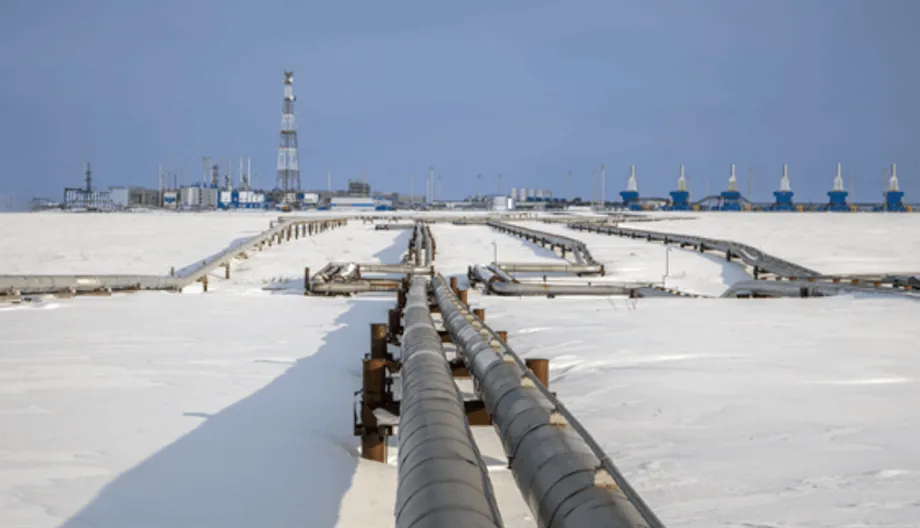
A proposed gas route with consequences beyond Asia
Russia and China have announced a new step toward Power of Siberia 2, a pipeline designed to carry up to 50 billion cubic meters of Russian natural gas a year through Mongolia to northern China. Gazprom, Russia's state owned gas company, describes the construction memorandum as legally binding and puts the pipeline's design life at 30 years. As of September 16, 2025, China has not published matching details, while pricing, financing and construction schedules remain unsettled.
Contents
- A proposed gas route with consequences beyond Asia
- What Russia and China would build
- How the proposal developed
- China has several ways to meet its gas needs
- Price and flexibility are at the center of the talks
- Payments could move further from the dollar
- Russian energy purchases test Western pressure
- The sanctions choices carry costs for buyers
- What could change for LNG exporters
- Mongolia stands to gain, while balancing its partners
- Demand and construction will decide the project's value
- What to Know
Moscow wants the project to give west Siberian gas a new destination after Europe sharply reduced purchases following Russia's 2022 invasion of Ukraine. The proposed line would carry gas from the Yamal Peninsula, redirecting supply from fields that once served European customers. Beijing is willing to consider more Russian pipeline gas, likely at a discount and under terms suited to its energy strategy.
The possible scale is substantial. If Power of Siberia 2 begins operating around the early 2030s, Russia's combined pipeline deliveries to China could exceed 100 billion cubic meters annually. That would amount to more than one fifth of China's projected gas demand for that period. Europe imported as much as 180 billion cubic meters of Russian gas a year before the war; its purchases through pipelines are now a fraction of that peak.
Western governments have sought to reduce Russian energy revenue to limit Moscow's ability to finance the war. A pipeline operating for decades would give Russia a steady outlet as Europe withdraws. Chinese acceptance of cargoes from the sanctioned Arctic LNG 2 project adds another immediate source of friction. Together, the developments connect a future pipeline negotiation with the present struggle over sanctions enforcement.
What Russia and China would build
Power of Siberia 2, often shortened to PoS2, would connect Yamal gas supplies with northern China by crossing Russia and Mongolia. Its planned annual capacity of 50 billion cubic meters is close to the volume carried by Nord Stream 1 to Germany before the war. Mongolia would become the transit corridor, a route Beijing previously viewed cautiously but now appears ready to accept.
Gazprom executives have floated first deliveries around 2030. Reaching that point would require a final commercial agreement, construction mobilization and Chinese approval for the connections needed to distribute the gas inside China. The proposed date depends on all of those steps moving ahead.
The existing Power of Siberia pipeline began supplying northeastern China in late 2019. It is increasing deliveries toward 38 billion cubic meters a year, with an agreed expansion to 44 billion. Russia has also advanced a Far East route to China's northeast coast. Adding PoS2 would bring Russian sales to China to levels rivaling its pipeline exports to individual European countries before the war, while still falling below what Gazprom once sold to the European Union as a whole.
The volume comparison matters less to Gazprom's finances than the return on each unit of gas. European sales historically produced higher returns. Moving gas to China over long distances, paying for transit and accounting for new pipelines inside China would likely leave Moscow with lower netbacks. A netback is the money a seller retains after the costs of getting its product to the buyer.
How the proposal developed
Russian leaders have promoted the pipeline for years, with greater urgency after European sales collapsed. China has moved more slowly because it has other suppliers and can weigh the proposal against its own demand and infrastructure plans.
The main dates show how the new project fits into the wider change in gas trade:
- Late 2019: The first Power of Siberia pipeline began delivering gas to northeastern China.
- 2022: Russia's invasion of Ukraine was followed by a sharp reduction in European purchases of Russian gas.
- 2024: China's domestic gas production exceeded 240 billion cubic meters, alongside high LNG imports and sizable pipeline imports.
- September 16, 2025: Gazprom describes the PoS2 construction memorandum as legally binding, while final commercial terms remain unresolved.
- 2027: Europe has pledged to end purchases of Russian pipeline gas.
- Around 2030 or the early 2030s: PoS2 could begin deliveries if commercial agreements, approvals and construction proceed.
The gap between Europe's intended departure and the possible opening of PoS2 helps explain Moscow's urgency. Russia is seeking a durable replacement market, while China can continue comparing the pipeline with other ways of buying or producing gas.
China has several ways to meet its gas needs
China already imports pipeline gas from Central Asia, especially Turkmenistan, and from Myanmar. It is also the world's largest buyer of liquefied natural gas, or LNG, taking cargoes from Qatar, Australia and other producers. LNG is gas cooled into a liquid so that ships can transport it.
Chinese domestic production exceeded 240 billion cubic meters in 2024. State companies have been developing new fields and improving recovery from existing resources. LNG imports were also high that year, and pipeline imports remained sizable. Beijing's approach is to balance domestic gas, imported pipeline gas, LNG, coal and sources that do not use fossil fuels, keeping costs under control and limiting dependence on any one supplier.
A pipeline through Mongolia would reduce exposure to maritime choke points such as the Strait of Malacca. LNG cargoes passing through crowded sea routes face shipping risks. A land route could provide steady basic supplies for northern cities and industry, particularly where winter heating causes demand to rise sharply.
LNG would still offer a flexible supplement during cold spells, while domestic production and coal would remain important to energy security. PoS2 would add to China's supply choices rather than replace the others outright. That range of options also gives Beijing room to negotiate: it can compare the proposed Russian price with the cost of cargoes, Central Asian supplies and domestic output.
Price and flexibility are at the center of the talks
China's bargaining position is stronger because Russia urgently needs buyers for gas that has lost its European market. Beijing has alternatives, including contracts for LNG over many years, Central Asian pipelines and rising domestic production. It can wait for a price and delivery arrangement that fits its needs.
During negotiations, China reportedly sought prices close to Russia's subsidized domestic gas price and preferred the ability to buy less than the pipeline's full capacity when demand weakened. Russian officials want firm take or pay commitments. Under such arrangements, a buyer agrees to pay for a specified amount even if it takes less gas, giving the seller revenue it can use to support the cost of construction.
Moscow also faces the risk of concentrating sales in one large buyer. China could use that position when prices are reviewed or delivery volumes scheduled. Beijing faces a different risk: a fixed commitment lasting decades could extend beyond the peak of Chinese gas demand if efficiency, renewable energy, nuclear power and storage develop faster than expected.
Northern China's gas demand changes sharply with the seasons. Industrial growth is slowing in some regions, and several coastal provinces can switch among gas, coal and renewable energy according to price. Chinese negotiators will likely seek flexible seasonal deliveries and room to resell LNG cargoes when market prices make that attractive. Russia wants steady purchases throughout the year to keep the pipeline heavily used.
Payments could move further from the dollar
Gazprom executives say current transactions are split between renminbi and rubles. If PoS2 uses the same arrangement, it would extend energy trade outside the dollar system and help both countries manage exposure to sanctions.
The choice of currency matters because international banks must assess the transactions they process and the penalties they might face. Chinese banks and companies could still face financial penalties if Washington expands secondary sanctions, measures aimed at third parties doing business with sanctioned interests.
A greater use of renminbi and rubles in future gas sales could also reduce the dollar's share of global energy invoicing. That would affect the reach of sanctions, the cost of protecting against currency movements and the way banks manage compliance risk. The terms of payment therefore belong alongside price and volume in the commercial negotiations.
Russian energy purchases test Western pressure
The United States has sanctioned Arctic LNG 2, along with some Russian tankers and logistics networks. Chinese acceptance of cargoes from the project has tested enforcement, with deliveries made by a fleet of tankers that had been renamed and reflagged. For Beijing, discounted Russian energy serves its supply priorities. Washington and European capitals view those purchases as weakening pressure on the Kremlin.
US officials have also discussed urging Group of Seven partners to impose sweeping tariffs on Chinese and Indian purchases of Russian oil. Europe, meanwhile, has pledged to leave Russian pipeline gas behind by 2027 and has replaced most of those flows with LNG from the United States, Qatar and other suppliers.
China's Foreign Ministry spokesperson Guo Jiakun described Beijing's position in terms of national interests and its right to choose its energy supplies.
China will take energy supply measures that are right for China based on national interests and will firmly safeguard its own sovereignty, security, and development interests.
Ukrainian President Volodymyr Zelensky urged buyers to stop purchasing Russian energy as a way to reduce the money available for Moscow's war.
Buying any kind of energy from Russia should stop if the goal is to halt Russian aggression.
Energy revenue accounted for a large share of Moscow's budget before the war. A new pipeline could sustain income as European customers disengage. Even before a final price is agreed, the construction memorandum sends a political signal that Russia and China are moving closer in energy trade despite Western pressure.
The sanctions choices carry costs for buyers
Western policymakers face tradeoffs in deciding how far to pursue buyers of Russian energy. Tariffs or secondary sanctions could target Moscow's revenue, while expansive measures would raise input costs for Asian economies and risk a wider backlash.
China has so far avoided penalties for buying Russian fuels, although some Chinese companies and banks have faced sanctions for transactions linked to Russia. The distinction matters for businesses considering future deals: pressure on particular transactions or firms can affect financing and payments even while fuel purchases continue.
PoS2 would turn that tension into a relationship lasting decades. Russia would gain a regular buyer, and China would gain another supply route on potentially favorable terms. Western governments would then have to decide how to respond to a gas trade designed to continue after Europe's planned exit from Russian pipeline supplies.
What could change for LNG exporters
China's need for additional LNG cargoes could ease in average years if it secures up to 50 billion cubic meters of inexpensive pipeline gas annually. Chinese companies already hold a large portfolio of contracts lasting many years and have resold cargoes when domestic demand was weak. More pipeline supply could make them more active traders, sending surplus LNG to Europe or South Asia when prices are favorable.
US exporters would face a less certain source of future demand. Before the latest trade friction, Chinese buyers signed several agreements with US projects that could have increased the US share of China's LNG imports toward the end of the decade. Tariffs and political tensions have since chilled that flow.
PoS2 could make it harder for new US LNG projects to reach a final investment decision, the point at which developers commit to building. One of the largest potential buyers might need fewer spot cargoes, bought for immediate or near term delivery, and could postpone new purchases. Existing US terminals would still supply Europe and Latin America, but additional demand from North Asia would be less certain.
Qatar faces similar competition as it expands North Field East and North Field South. A large amount of new supply will need buyers in the late 2020s and early 2030s. Chinese companies already buy a large share of Qatari LNG. If Russian pipeline gas replaces some expected growth in those purchases, Doha may need to accept softer prices or seek more customers in Europe and South Asia.
More global LNG supply, combined with weaker Chinese demand in some years, could shift bargaining power toward buyers and intensify competition for projects with higher costs. Chinese companies reselling cargoes could also become suppliers that adjust shipments as prices and demand change across markets.
Weather and geopolitics would continue to drive price swings. If winter spot LNG prices stay below roughly $12 per million British thermal units, Chinese utilities may favor cargoes to meet peak demand. The unit measures the energy contained in the gas. If prices rise sharply, domestic production and pipeline gas priced under agreed formulas would become more attractive. PoS2 would give China more room to move between those options.
Mongolia stands to gain, while balancing its partners
Mongolia would provide a direct land corridor into northern China, avoiding congested sea lanes and reducing maritime exposure. Hosting the pipeline promises investment, construction jobs and regular transit fee income. A project of this size could support economic growth and modernize parts of the country's energy grid.
Ulaanbaatar also pursues a Third Neighbor policy, developing relationships beyond Russia and China with democratic countries and international institutions. Western partners may press Mongolia over governance standards, environmental safeguards or compliance with sanctions. The pipeline would place a major economic opportunity within that wider diplomatic balancing act.
Negotiators reportedly included a fallback clause allowing the route to shift through Kazakhstan if major problems arise in Mongolia. Such an option would reduce geopolitical risk for Moscow and Beijing, while local approvals and regulatory challenges would still need attention. Protecting infrastructure across long stretches of steppe and border areas would require investment and coordination.
Demand and construction will decide the project's value
China's energy transition complicates the case for a pipeline designed to last 30 years. Wind and solar capacity have been growing rapidly, battery storage is expanding and new nuclear units continue to enter service. Beijing has pledged to peak carbon emissions before 2030.
Gas can replace coal in heating and industry, reducing local air pollution and carbon emissions for the energy produced. Its future growth is uncertain, however. In several scenarios, Chinese gas demand peaks in the 2030s and then gradually falls as electrification spreads and clean power grows.
If demand levels off, China could use PoS2 gas to replace more LNG or purchase smaller pipeline volumes, leaving Russia with unused capacity. Northern winter heating demand also falls away in spring. The pipeline's economics work best with steady use throughout the year and a price competitive with LNG and domestic gas. Chinese planners must weigh those conditions against the strategic value of a dependable land route.
A construction memorandum and a gas supply contract serve different purposes. The final commercial agreement still needs to settle the price formula, financing shares and responsibility for building each segment. No confirmed construction schedule or delivery date has been disclosed. The business case also depends on keeping construction costs within budget and connecting the line to Chinese demand centers that already have dense networks and competing supplies.
The engineering work would span all three countries. Russia must connect Yamal gas to the Mongolian entry point, Mongolia must build a mainline across varied terrain, and China must connect the incoming gas with existing grids near northern cities. Gazprom can move quickly within Russia using domestic contractors, but the pace of the whole project will follow the commercial agreement.
Some experts doubt an early start, and many view the announcement as a political signal and a test of Western reactions as much as a final investment decision. If construction begins later this decade, first gas around 2030 is possible, though far from guaranteed. China can continue weighing LNG, Central Asian pipelines and domestic production while deciding when, and on what terms, to commit.
What to Know
- Power of Siberia 2 would carry up to 50 billion cubic meters of Russian gas annually through Mongolia to northern China, with a design life of 30 years.
- Gazprom calls the construction memorandum legally binding. China has not published matching details, and final commercial terms remain unresolved.
- Combined Russian pipeline deliveries to China could exceed 100 billion cubic meters a year in the early 2030s if the project proceeds.
- The route would redirect Yamal gas that once supplied Europe and could sustain Russian revenue as Western governments seek to reduce it.
- China's other suppliers and rising domestic production give it bargaining power over prices and delivery flexibility.
- Payments in renminbi and rubles could expand energy trade outside the dollar system while leaving companies exposed to sanctions risks.
- US and Qatari LNG exporters could face less additional demand from China and stronger competition for buyers.
- Mongolia could gain jobs, investment and transit fees, while managing diplomatic, regulatory and security demands.
- Deliveries around 2030 depend on agreements, approvals and construction. China's future gas demand will help determine the pipeline's value.