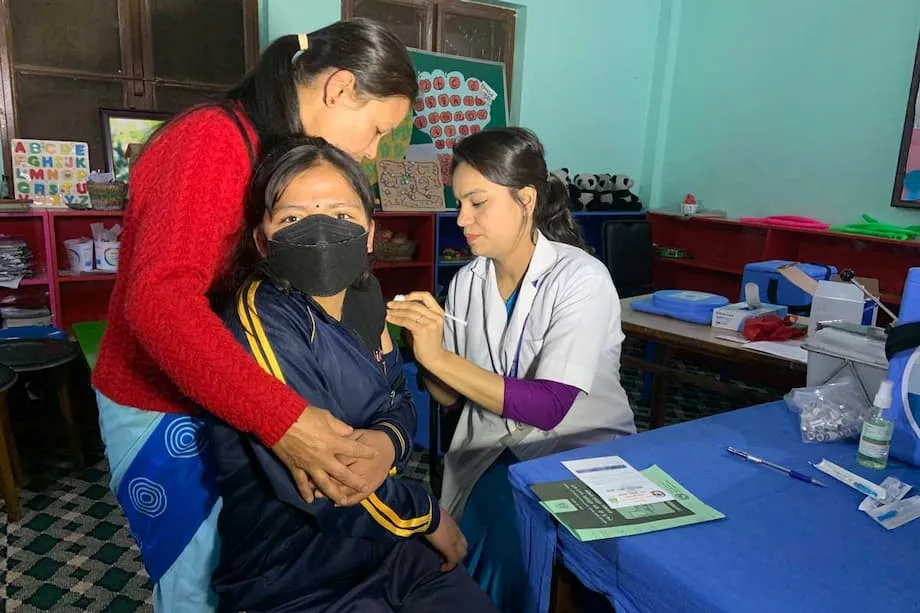
At Least 13 Vaccine Storage Units Lost
At least 13 vaccine cold chain units and sub centers have been destroyed in arson attacks during recent demonstrations against corruption in Nepal, putting routine childhood immunisation at risk in several districts. Preliminary health assessments also count at least 37 health facilities completely destroyed, with checks still underway.
Contents
- At Least 13 Vaccine Storage Units Lost
- Where the Fires Hit
- Why an Intact Vial May No Longer Work
- Missed Appointments Create Gaps in Protection
- Replacement Costs Go Beyond Refrigerators
- How Vaccination Can Continue
- Protecting Health Services During Unrest
- What Partners Can Help Replace
- Reducing the Damage From Future Shocks
- Key Points
As of September 20, 2025, health officials were still counting the destroyed vaccine stocks. Thousands of doses have been lost, together with refrigerators, cold rooms and equipment needed to keep replacement supplies usable. Officials say there is no immediate budget to replace the destroyed cold chain units.
The damage reaches beyond the buildings that burned. A vaccine sub center can supply several immunisation posts in surrounding wards and villages. Losing one storage site can therefore interrupt appointments for children across multiple communities, even where their local health post remains standing.
Nepal's routine programme provides 13 vaccines free of charge, protecting children against diseases including measles, rubella, pneumonia, tuberculosis, diphtheria, pertussis, tetanus, hepatitis B, rotavirus, Japanese encephalitis and typhoid. The Ministry of Health and Population had planned to add the human papillomavirus vaccine during the current fiscal year. That timetable now faces uncertainty.
Health officials warn that regular vaccination sessions will be disrupted in several districts until alternative storage and supplies are arranged. Replacing lost doses alone will not restore services: new vaccines also need working refrigerators, reliable transport and trained staff to keep them at the right temperature until they reach a child.
Where the Fires Hit
Vaccine sub centers reported destroyed include those in Nepalgunj, Tulsipur, Morang, Birgunj, Golbazar, Shuklaphanta, Godawari and Biratnagar, along with sites in Khaireni and Rapti municipalities. The provincial health emergency operation center in Koshi province was also affected.
Crowds attacked government offices in several towns and cities during the demonstrations. Fires consumed storage rooms containing vaccine refrigerators, freezers used for particular products, backup generators, cold boxes, temperature data loggers and reserve supplies of diluents and syringes. Diluents are liquids used to prepare certain vaccines before administration.
Health workers arriving after the fires found charred remains of equipment that had supported regular vaccination services. Cold rooms, refrigerators lined with ice and temperature monitors were among the losses. Some units had been established with help from development partners, including UNICEF, and some equipment had been imported from Japan.
Public health leaders describe the deliberate targeting of vaccine stores as without precedent in Nepal in recent decades. Health leaders and officials regard the destruction as a serious crime. Even during the years of armed conflict, health facilities and vaccine stores were rarely targeted.
The preliminary figures of at least 13 destroyed cold chain units and sub centers and at least 37 completely destroyed health facilities may change as assessments reach remote areas. The final vaccine loss also remains under assessment, while districts work out how much usable storage capacity they have left.
Why an Intact Vial May No Longer Work
Vaccines are biological products that need controlled temperatures throughout their journey from a manufacturer to the person receiving a dose. This connected system of storage and transport is called the cold chain. For routine vaccines, the usual temperature range is between 2 and 8 degrees Celsius.
Heat can reduce a vaccine's potency, meaning its ability to provide protection. Excessive cold can also damage certain vaccines. A vial may look unchanged even after its active ingredients have been harmed, so appearance alone cannot tell health workers whether it remains usable.
Fire creates several dangers at once. Flames and smoke can reach supplies directly, while damage to electricity, generators or refrigerators can allow surviving stocks to warm. Even a brief temperature excursion, when conditions move outside the required range, can compromise vaccines.
Many vaccine vials carry a vaccine vial monitor, a small sticker that darkens with heat exposure. Health workers also rely on temperature records from storage and transport. After a fire, these monitors and logs need close review, and suspected stocks must be separated from supplies cleared for use.
Stocks affected by fire or smoke must be discarded. Where vaccine quality remains in doubt after assessment, the doses must also be discarded so children do not receive a vaccine that will fail to protect them. Staff need to review temperature logs and vial monitors before vaccination sessions resume.
Nepal's mountains, remote valleys and sometimes inconsistent power supply already make this work demanding. Supplies may travel long distances by road or on foot. Refrigerators lined with ice, insulated cold boxes, ice packs and temperature monitors help health workers maintain safe conditions along those routes.
Missed Appointments Create Gaps in Protection
Children depend on receiving vaccine doses on schedule. When a storage unit burns, a planned session may stop, a delivery route may change and a family may miss an appointment. A child who misses a scheduled dose remains without that protection until a catch up dose is given.
Measles and rubella vaccination is an immediate concern. Measles spreads extremely easily, and communities need vaccination coverage of around 95 percent to prevent its spread. If groups of children miss their doses, gaps in protection can allow an outbreak to start and grow.
Diphtheria and pertussis can also return in places where coverage is low. In the Tarai and other areas where Japanese encephalitis occurs, slower delivery of routine vaccines raises concern about seasonal increases in illness. Older siblings can carry infections between households and wards, extending the reach of a local gap in protection.
Nepal has made substantial gains through its immunisation programme, helping reduce deaths among children younger than five. The World Health Organization has recently recognised the country's elimination of rubella as a public health problem, an achievement built through years of regular delivery and thousands of outreach sessions.
The fires put that consistent delivery under pressure. Families whose nearest vaccination post depends on a destroyed store may need a different appointment or location, while staff must identify missed doses and arrange catch up sessions promptly.
Fear can add to the disruption. Images of burned clinics circulating on social media may lead parents to believe vaccination has stopped everywhere. Health workers need to identify functioning sites and explain that vaccines kept in unaffected stores remain safe and effective.
Replacement Costs Go Beyond Refrigerators
Officials say there is no immediate allocation to replace the destroyed cold chain units. Installing a refrigerator or a small cold room requires more than buying equipment: a site needs secure space, reliable power, trained technicians and continuing maintenance.
Procurement can take weeks or months, with shipping and customs clearance adding time. Because international partners helped purchase many of the destroyed units, replacement may also depend on external funding cycles. Districts must keep services running while those arrangements are made.
Health teams first need to map where children are due for vaccination and where equipment still works. Existing refrigerators may need to be moved to the locations with the greatest need. Stocks must be tracked, transport routes revised and local vaccination plans updated.
That work takes staff time while offices are also managing cleanup, damaged records or equipment, and security concerns. Each replacement decision must account for the wider network of health posts that a storage unit serves, rather than just the building where it will stand.
Research during the COVID-19 period identified gaps in logistics and coordination within Nepal's restructured federal system. Studies across countries with low incomes also identified storage, transport and staffing as common pressure points. Partner investment has improved equipment and training, but fires, floods and earthquakes can remove that capacity within minutes.
How Vaccination Can Continue
Unaffected districts can provide emergency storage and lend portable cold boxes to neighboring areas. Provincial stores can release reserve stocks, while delivery teams use temperature monitors and properly prepared ice packs to establish temporary supply routes.
Facilities with working cold rooms can extend opening hours or add vaccination days to receive families from closed sites. Mobile teams can run sessions in schools or community halls where suitable cold boxes and temperature monitoring are available. These arrangements still require supplies to remain within their required temperature range throughout the journey.
Health posts need careful records of children who miss appointments so staff can schedule catch up doses without delay. Local governments can announce alternative sites through radio, social media, ward offices and schools. Families need clear information about where to go and what to bring.
Quality checks must remain part of every temporary arrangement. Suspected stocks should be separated and marked for discard, and staff should review temperature records and vial monitors before each session. A working delivery route is useful only when the vaccines arriving at its end remain fit for use.
The planned introduction of the human papillomavirus vaccine remains a public health priority for adolescent girls. Introduction can proceed in unaffected areas while districts with damaged storage adjust their schedules. Early communication with schools and parents would help families plan around any changes.
Where resources allow, a combined outreach visit could offer the HPV vaccine to adolescents and routine vaccines to younger siblings on the same day. That would reduce the number of journeys a family needs to make while services are being restored.
Protecting Health Services During Unrest
The destruction of vaccine stores puts children at risk even though they had no role in the political grievances behind the demonstrations. Preventing further attacks requires protection for storage sites and agreement within communities that health facilities should remain neutral spaces during protests.
Civil society leaders, local officials and health workers can jointly affirm that immunisation serves every family, regardless of politics. Coordination with protest organisers can help protect clinics and vaccine stores during future demonstrations.
Visible security measures, stronger locks, alarms and accessible fire extinguishers can reduce risks at storage sites. Community engagement also matters for restoring confidence among families who may be frightened by the violence or uncertain about where services remain available.
Messages about security and service arrangements need to work together. Parents should know which nearby facilities are operating, while staff need conditions that allow them to store supplies and carry out vaccination sessions. Clear information can limit fear and rumours that might otherwise keep children away from appointments.
What Partners Can Help Replace
UNICEF has supported Nepal's cold chain equipment and logistics over many years. The World Health Organization provides technical guidance and training, while Gavi helps finance vaccines and strengthen the systems used to deliver them.
Humanitarian organisations with logistics experience, including those that expanded cold chain capacity during the COVID-19 response, can contribute equipment and technical support. Past disaster responses in Nepal show that partners can act quickly when requests are clear and coordination is strong.
District needs should guide those requests. Priority supplies may include refrigerators lined with ice, solar direct drive refrigerators for places with unreliable electricity, portable cold boxes, vaccine carriers and temperature data loggers. Vehicles and fuel may also be needed to keep temporary delivery routes operating.
Emergency funding can pay technicians to install and certify replacement equipment and cover overtime for health workers running extra clinics. Vaccine donations need to be matched with enough storage and transport capacity, because new supplies cannot be used effectively without somewhere suitable to keep them.
Reducing the Damage From Future Shocks
The fires show how the loss of a limited number of storage sites can disrupt services across many communities. Secure rooms with doors that resist fire, smoke detectors and accessible extinguishers can help protect equipment. Flammable materials should be kept away from cold rooms.
Facilities can maintain photographic inventories and equipment serial numbers to speed insurance claims and replacement orders after an incident. Regular drills can prepare staff to evacuate safely and protect records, which are needed to track supplies and children awaiting vaccination.
Remote temperature monitors can send text alerts when a refrigerator warms, helping staff respond to power failures before stocks are lost. Solar direct drive refrigerators reduce dependence on the electricity grid. Consistently completed paper logbooks remain useful for spotting temperature changes and guiding decisions during an emergency.
Provincial and district authorities can also agree in advance on how to share equipment and supplies after damage. Clear arrangements for mutual aid would help move working units to places where they are most urgently needed, while a small provincial contingency fund could shorten delays in purchasing critical replacements.
Training more cold chain technicians and vaccinators would strengthen the workforce available to restore services after a shock. For the communities affected now, recovery depends on linking those practical tasks: replacing storage, checking vaccine quality, restoring delivery routes and reaching children whose appointments have been interrupted.
Key Points
- As of September 20, 2025, preliminary assessments counted at least 13 destroyed vaccine cold chain units and sub centers and at least 37 completely destroyed health facilities.
- Thousands of vaccine doses were lost during arson attacks linked to demonstrations against corruption, with final damage assessments continuing.
- Affected locations include Nepalgunj, Tulsipur, Morang, Birgunj, Golbazar, Shuklaphanta, Godawari, Biratnagar, Khaireni and Rapti. The Koshi provincial health emergency operation center was also affected.
- Nepal provides 13 vaccines free of charge. Its planned addition of the HPV vaccine during the current fiscal year faces uncertainty.
- Officials say there is no immediate budget to replace the destroyed cold chain units, many established with support from development partners.
- Heat or freezing can damage vaccines even when vials look normal. Fire affected stocks and doses of uncertain quality must be discarded.
- Nearby stores, temporary delivery routes, mobile sessions and catch up appointments can help maintain services while equipment is replaced.
- Interruptions threaten protection against measles and other diseases after years of progress, including Nepal's recent elimination of rubella as a public health problem.