A return to office after a harassment investigation
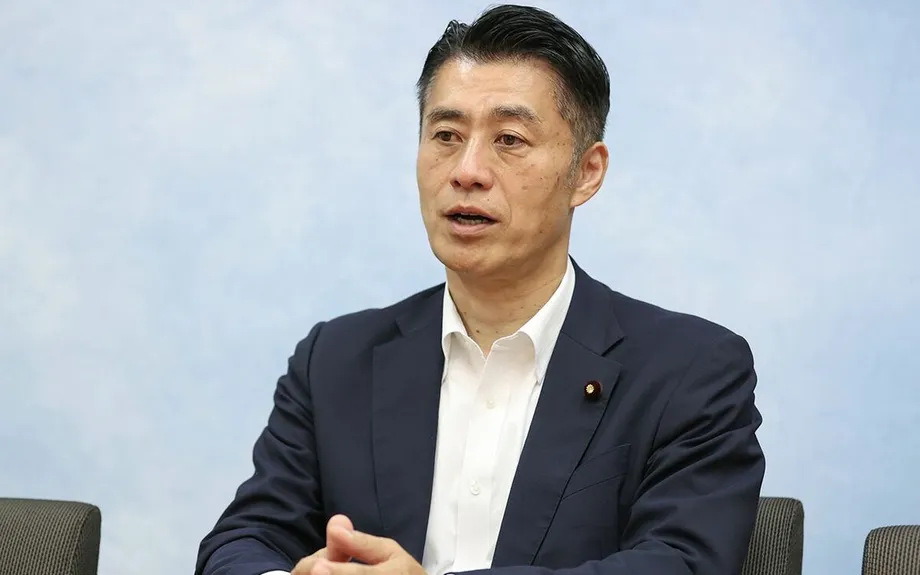
Hideo Kojima, 75, has won a seat on the town assembly in Ginan, Gifu Prefecture, returning to elected office after resigning as mayor in March 2024 following an independent investigation that documented 99 instances of sexual harassment. Results announced on Monday, September 8, 2025, showed that he finished second among the ten successful candidates in a field of sixteen.
Contents
- A return to office after a harassment investigation
- What the investigators found
- A staff survey and Kojima's response
- How the events unfolded
- Why an established politician could win
- What election law and local rules allow
- Protecting employees inside town hall
- Online anger and Japan's gender debate
- A parallel in Hyogo and the decisions ahead
- Key Points
The result in the small town in central Japan prompted anger and disbelief online. It also brought an immediate workplace concern back to the centre of local politics: several women who reported harassment still work at town hall, where Kojima will now return as an elected assembly member.
Kojima presented his election as an endorsement by residents. Speaking to local television after the count, the former mayor introduced himself as a newly elected assembly member and urged critics to stop discussing the allegations.
The election proves residents trust me. Do not mention the sexual harassment claims again.
Ginan must now carry out everyday government work while protecting employees and managing the return of an official whose conduct was the subject of detailed investigative findings. The town adopted new harassment prevention ordinances in March 2025, creating procedures that are directly relevant to his return.
The election has renewed a wider debate about power, workplace safety and accountability in Japanese politics. For residents, the immediate issue is how their assembly will operate. For employees who came forward, it is whether they can continue doing their jobs without fear, intimidation or pressure.
Kojima's victory also highlights the difference between leaving office after an investigation and being legally barred from standing in another election. His resignation ended his time as mayor, but it did not end his eligibility to seek an assembly seat.
What the investigators found
Ginan commissioned a third party investigation after allegations came to light through reporting by the weekly magazine Shukan Bunshun. The committee released its report in February 2024, documenting 99 cases of sexual harassment involving multiple women employed by the town.
Investigators described unwanted touching, including touching a colleague's breasts and buttocks, as well as patting women on the head. The report also recorded comments and demands that made employees uncomfortable. Its findings described a pattern of misconduct toward women working under the mayor's authority.
Kojima would boast that his hands were fair and smooth and compel female employees to touch them, according to the report. Investigators said he rolled up his trousers, showed his legs and told women to touch them. He also asked one employee to bend over and made other inappropriate remarks.
Some workers reportedly used disinfectant spray after being touched. That detail helps explain the distress behind the report's total of 99 cases: the investigation concerned employees' experiences in their workplace, including physical contact they did not welcome.
The committee also found that Kojima used his authority to intimidate staff. It described him telling employees "you are fired" or "you will be demoted" on a near daily basis. Such statements placed threats to employment and professional standing alongside the unwanted contact and remarks.
Investigators warned that parts of the conduct could meet the elements of crimes under Japan's penal code, described today as nonconsensual indecency. In plain terms, the committee identified conduct involving unwanted sexual contact that could fall within criminal law.
A staff survey and Kojima's response
The investigation included a survey sent to 193 municipal employees. Of those, 161 responded, meaning about 83 percent of the staff members approached took part. About 53 percent of male respondents and 58 percent of female respondents said the mayor had done something that made them feel uncomfortable.
The survey broadened the picture beyond individual incidents. More than half of the responding men and women reported discomfort, with the proportion among women five percentage points higher than among men. These figures concerned the employees who answered the survey.
Kojima disputed parts of the report at a news conference in 2024. He said some gestures had been misinterpreted and maintained, for example, that patting employees on the head was intended as an expression of gratitude. He also criticised the committee's work as biased.
His response left a sharp divide between his explanation of his behaviour and the committee's findings about its effect on employees. The town's documentation and public record remain accessible for residents and assembly members to review.
Kojima resigned as mayor in March 2024, the month after the report was released. His return through the assembly election now requires the municipality to address workplace concerns while recognising that he has won a different elected position.
How the events unfolded
Ginan's investigation, Kojima's resignation and the adoption of new rules took place over more than a year before his election to the assembly. The main dates show how the town moved from documenting misconduct to changing its procedures, then confronting his return.
- February 2024: The independent committee released a report documenting 99 instances of sexual harassment involving multiple women staff members.
- March 2024: Kojima resigned as mayor after the investigation.
- March 2025: Ginan adopted new harassment prevention ordinances addressing complaints involving public officials, including the mayor and assembly members.
- September 8, 2025: Results announced on Monday showed Kojima had finished second among ten winners in an assembly election contested by sixteen candidates.
The ordinances were therefore in place before the election result. Their practical importance has increased because the town must now manage relations between staff who reported harassment and an elected member who was the subject of those findings.
Why an established politician could win
Kojima is a familiar figure in Ginan politics. He served as a town assembly member before becoming mayor, and this victory marks his eighth successful run for office, including by elections. His second place finish shows that he retained enough support to secure a seat comfortably despite the controversy.
Longstanding relationships, name recognition and connections with civic groups can carry considerable weight in municipal elections. Candidates often depend on personal contact with residents, and those relationships can matter more than party labels when voters choose who should handle local affairs.
Local elections in Japan often attract modest turnout compared with national contests. A candidate with an organised base can benefit when a relatively small group of committed supporters votes consistently. Regular voters tend to be older and may give priority to familiarity, perceived administrative competence or the delivery of services.
A contest with sixteen candidates and ten seats also allows a politician with concentrated support to win without persuading every voter. In a crowded field that includes newcomers, an established officeholder can rely on a base built over years of local involvement.
Kojima presented himself as an experienced politician who could help guide town finances and welfare programmes. That message likely appealed to some residents concerned about daily services and municipal management.
The result prompted people inside and outside Gifu to struggle with how a candidate facing detailed harassment findings could finish near the top. Local networks and campaign priorities help explain the conditions in which he won, while employees' safety remains a separate responsibility for the town.
What election law and local rules allow
Kojima has not been convicted of a crime. Japan generally bars people from standing for public office when they have certain criminal convictions or are serving specified sentences. Resigning from the mayor's position does not, by itself, disqualify a person from seeking another elected post.
That legal framework explains why Kojima could run for the assembly after the committee's findings. Eligibility to stand in an election and the handling of harassment complaints are governed through different processes.
Local assemblies can censure members, formally expressing disapproval of their conduct. They can also adopt rules setting behavioural standards or restricting committee assignments. These are tools the chamber can consider as it decides how to manage its work.
Residents have another possible route through the recall system. A recall allows citizens to petition for a vote on removing a sitting assembly member. It requires substantial public support, formal verification of the petition and then a special election.
Ginan adopted a harassment prevention ordinance in March 2025 that allows independent lawyers to form a harassment countermeasures committee. The committee can review allegations, including cases involving a mayor. A separate ordinance addresses situations in which an assembly member harasses someone or is a victim of harassment.
The rules are intended to formalise reporting channels, protect employees from retaliation and clarify how complaints involving public officials should be handled. Retaliation means punishing or pressuring someone because they reported misconduct. For workers who came forward, protection against that treatment is central to being able to remain in their jobs.
Protecting employees inside town hall
Several employees who reported harassment continue to work for Ginan. Kojima's return brings the accused official and those employees back into the same institution, creating a sensitive workplace problem for town leaders.
Officials must ensure that employees can work without fear while following fair procedures if new complaints arise. They also need to prevent encounters that could produce intimidation, retaliation or perceived pressure.
Possible safeguards include rules preventing meetings between Kojima and reporting employees without another person present. Protocols for accompanied interactions inside government buildings could create clearer boundaries, while requiring him to step aside from deliberations involving personnel could reduce direct involvement in matters affecting staff.
An independent channel for complaints would give employees a place to report concerns outside ordinary management relationships. Support that takes account of the distress associated with harassment, along with regular training for assembly members and managers, could also help the town handle complaints and prevent further misconduct.
These measures are possible steps for the municipality to consider. Transparent communication about the safeguards it puts in place could help rebuild trust inside town hall, where employees need clear information about how they will be protected.
The practical task is to organise access, meetings and government business so that staff can carry out their duties. The election result has made that task immediate, even as the town continues to deal with the consequences of the earlier investigation.
Online anger and Japan's gender debate
The election result drew strong reactions on social platforms. Many users questioned what Kojima's victory said about attitudes toward harassment in politics, while others expressed solidarity with the women who had come forward.
One user on X voiced anger at the result and concern for the employees who reported harassment.
So voters in the town do not care about employees who were sexually harassed? Shame on you.
Other readers defended voters' right to weigh different factors and make their own judgments, and some criticised media coverage. The exchanges also included arguments that respecting an election result can go alongside scrutiny of safety in government workplaces.
Japan has made incremental progress in addressing workplace harassment, but advocates say victims still face barriers to reporting. The global #MeToo movement gained traction later in Japan than in many Western countries. Several prominent cases in government and media have since brought greater attention to sexual misconduct and the abuse of authority at work.
The World Economic Forum's 2025 gender gap index ranked Japan 118th out of 148 countries. The ranking formed part of the context for reactions to Kojima's return, alongside concerns about women's representation in politics and leadership.
Ginan's election brought those national concerns into a local setting. The argument was about both democratic choice and the standards expected of public officials, with the experiences of municipal employees at its centre.
A parallel in Hyogo and the decisions ahead
Motohiko Saito's return as governor of Hyogo Prefecture offers another recent example of a Japanese politician winning an election after a controversy involving workplace conduct. Saito won reelection after losing his position in a no confidence vote related to accusations of power harassment, meaning the use of workplace authority to intimidate or mistreat others.
The allegations against Saito received extensive national and regional coverage, yet he prevailed in a crowded race. Social media organising, distrust of traditional news outlets and supporters' focus on his policy record were identified as factors in that result.
The facts and seriousness of the Hyogo and Ginan cases differ. Both illustrate how some voters separate concerns about conduct from their judgments about performance, administrative competence or promises of reform.
Some voters discount allegations when they see a politician as an effective manager or reformer. Others regard personal conduct as disqualifying regardless of performance. Social media and fragmented information sources can sharpen those competing views, while close personal relationships and name recognition give local contests their own dynamics.
Ginan's next decisions concern the assembly and the workplace it shares with municipal staff. In the coming weeks, Kojima is expected to be sworn in and assigned to committees. The chamber can consider a censure or other resolutions setting expectations for his behaviour, while town administrators can introduce access controls and other employee safeguards.
The harassment prevention framework allows independent lawyers to review new claims or alleged violations of conduct rules. Residents seeking removal could explore a recall petition. No timetable has been given for a censure, new workplace measures or a recall effort, and the level of public support for a recall is not yet clear.
Kojima has shown no sign that he intends to revisit the investigation's findings. Earlier this year, the former mayor shut down questions from reporters about the scandal.
There will be no discussion on that topic.
Ginan's leaders now have to manage routine public business, protect employees who reported harassment and respond to the choice made by voters. The effectiveness of the new ordinances will depend on how the town puts its procedures into practice as Kojima returns to office.
Key Points
- Hideo Kojima, 75, won a Ginan assembly seat, finishing second among ten winners in a field of sixteen candidates.
- He resigned as mayor in March 2024 after an independent report released in February documented 99 instances of sexual harassment.
- Investigators described unwanted sexual touching, coercive demands, inappropriate remarks and frequent threats concerning employees' jobs.
- Of 193 employees surveyed, 161 responded. About 53 percent of men and 58 percent of women who responded reported feeling uncomfortable because of the mayor's behaviour.
- Kojima disputes parts of the findings and said his election showed residents trusted him.
- Several employees who reported harassment still work at town hall, making workplace protection an immediate concern.
- Ginan adopted harassment prevention ordinances in March 2025, including procedures involving independent lawyers and provisions covering assembly members.
- Kojima has no criminal conviction. Resignation alone did not prevent him from running, while censure and a citizen recall remain possible responses.
- The result prompted online anger and renewed debate about gender, democratic choice and standards of conduct in public office.
- Upcoming steps include Kojima's swearing in and committee assignments, alongside decisions about employee safeguards and any formal assembly response.