Drug findings put Singapore on alert
Singapore will introduce tougher vaping penalties on September 1, 2025, after authorities detected 28 cases involving e-cigarettes containing etomidate in the first half of the year, nearly three times the number recorded throughout 2024. A random test of 100 seized vapes in July found that about a third contained the powerful anaesthetic, which is intended for medical use.
Contents
- Drug findings put Singapore on alert
- What changes on September 1?
- Users face fines and compulsory rehabilitation
- Why etomidate has changed the debate
- Hundreds of officers and wider checks
- A campaign aimed at young people
- Help to quit and places to surrender devices
- A regional trade complicates enforcement
- Why prohibition remains contested
- The dates behind the crackdown
- Key Points
As of August 28, the city-state is preparing to treat the growing problem as both a tobacco issue and a drug threat. E-vaporisers containing etomidate, known locally as Kpods, have sharpened concerns about youth addiction, dangerous synthetic substances and organised crime. The response brings together law enforcement, public health services, education and technology, with action planned across streets, schools and borders.
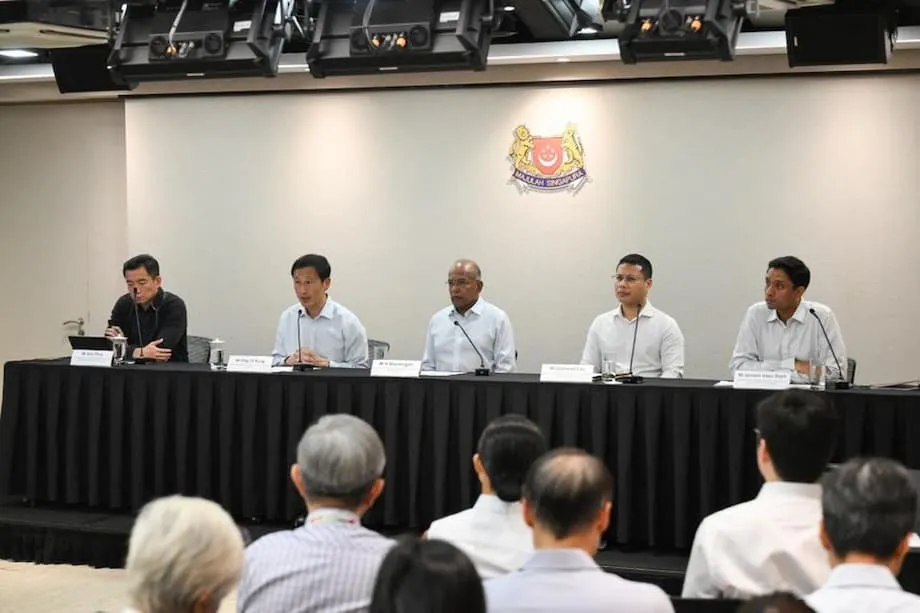
Health Minister Ong Ye Kung described why the government sees the devices as a growing threat. His warning focused on their use to deliver substances beyond nicotine.
Vapes have become a gateway for very serious substance abuse where the devices have become delivery devices for drugs.
Singapore banned vaping in 2018. The latest measures build on that prohibition as authorities confront devices that can carry drugs as well as nicotine. The United Nations Office on Drugs and Crime has warned that vapes in Southeast Asia increasingly contain cannabinoids and synthetic substances, placing Singapore's concerns within a wider regional problem.
The government's campaign aims to stop supply, discourage use and help people quit. Its central concern is that a device presented as fashionable or harmless can expose users to substances with severe health effects. Young people are a particular focus, with about a third of vapers in Singapore under 18 and more than half under 30.
What changes on September 1?
Etomidate and related substances, including butomidate and metomidate, will become Class C drugs under the Misuse of Drugs Act from September 1. Analogues are substances with a related chemical structure. Bringing them into the same legal framework extends the controls beyond etomidate itself to similar substances used in these devices.
Possession, use and distribution will become serious criminal offences under that framework. The strengthened measures target different parts of the supply chain, from importers and distributors to users and social media influencers involved in promoting vaping.
Suppliers of Kpods will face up to 20 years in jail and 15 strokes of the cane. Importers will face a minimum of three years in jail and five strokes, with a maximum of 20 years and 15 strokes. The penalties combine imprisonment with judicial caning and put those bringing drug-containing devices into Singapore at risk of lengthy sentences.
Vaping offences will also be scheduled under major crime laws, including the Organised Crime Act and the Corruption, Drug Trafficking and Other Serious Crimes Act. These measures will allow authorities to seize proceeds from vape sales linked to organised crime and take down online content promoting vaping. Seizing proceeds means removing money or assets obtained through the illegal trade.
The government presents the penalties as among the harshest in the world and has made clear that it intends to address vaping with the same seriousness it brings to hate speech and the death penalty. Its approach combines a public health argument with an effort to disrupt criminal businesses selling the devices.
Users face fines and compulsory rehabilitation
First-time Kpod abusers under 18 will be fined S$500, while adults will be fined S$700. Both groups must undergo up to six months of compulsory rehabilitation. The adult fine is S$200 higher, but the requirement to receive treatment applies to both age groups.
Repeat offenders face mandatory supervision, drug testing and possible detention in a Drug Rehabilitation Centre. The response therefore extends beyond a fine: authorities can monitor whether a person continues using drugs and require more intensive intervention after repeated offences.
Foreigners and tourists will also be subject to enforcement. They may be fined, deported and banned from returning to Singapore for serious offences. Long-term pass holders risk losing their immigration privileges, making a vaping offence a potential threat to their continued stay in the country.
Why etomidate has changed the debate
Etomidate is a powerful anaesthetic intended for medical use, but authorities are encountering it in e-vaporisers used outside that setting. When inhaled, it can cause muscle spasms, seizures, confusion, psychosis and even death. Psychosis can affect a person's understanding of reality.
Videos of teenagers behaving erratically after vaping have circulated widely, increasing public anxiety and support for tougher action. The concern now reaches beyond nicotine addiction to the possibility that a vape can deliver a potent psychoactive substance, meaning a drug that affects the brain, behaviour or mental state.
The 28 cases detected in the first half of 2025 and the July test of seized devices provide two different measures of the problem: cases identified over several months and the contents found in a tested group of vapes. Together, they explain why drug-containing devices have become central to the government's response.
Organised crime syndicates are exploiting the vaping market, targeting young people and using social media influencers to make vaping appear attractive. Officials view the devices as drug implements rather than tools for reducing tobacco harm. Their response applies enforcement methods used against drug traffickers to a market that has already been illegal since 2018.
The government's reasoning has two main parts. It wants to prevent health damage from nicotine and other substances, while also cutting off the networks that profit from selling illegal devices. For a young user, the consequences can include addiction, mental health problems, declining academic performance and death.
Hundreds of officers and wider checks
Several hundred officers from the police, Central Narcotics Bureau, Immigration and Checkpoints Authority, and Ministry of Manpower are being empowered to act against vape users and syndicates. The involvement of several agencies extends enforcement across different settings rather than leaving it solely to health authorities.
The Ministry of Defence is also increasing enforcement. Military personnel can face fines, detention and possible discharge, placing vaping within the armed forces' disciplinary response as well as the wider national crackdown.
Roving patrols on trains and at bus terminals and parks allow officials to conduct spot checks and search bags. At land crossings, airports and other entry points, authorities have stepped up inspections. Most e-vaporisers are smuggled into Singapore from neighbouring countries such as Malaysia and Indonesia.
The Health Sciences Authority (HSA) uses surveillance powered by artificial intelligence to monitor social media for illegal vape sales. The National Environment Agency uses portable devices to test vape liquids for synthetic substances. Online monitoring targets the way sellers reach customers, while testing helps officers identify what a device contains.
Border inspections, patrols and online surveillance address different stages of the trade. Devices must enter Singapore, reach sellers and then be passed to users. The expanded operation is intended to interrupt that process at each stage, including in public places where vaping can be detected directly.
A campaign aimed at young people
The Health Promotion Board (HPB) has launched Don't Toy With Your Life, a campaign using dark imagery to challenge the appeal of vaping. Its visuals resemble collectible toys but reveal gruesome health effects, turning a familiar youth-oriented design into a warning about harm.
The campaign appears in cinemas, on public transport and across social media. Its message is that vaping is a deceptive and dangerous habit rather than harmless fun. Those channels place the warning in many of the same spaces where young people encounter entertainment and promotional content.
Schools and institutes of higher learning are rolling out education programmes against vaping. Detection efforts include nicotine test kits, metal detectors and vape detectors. Students caught vaping face counselling, adjustments to conduct grades, suspension, and the loss of scholarships or leadership opportunities.
The Ministry of Education reported that about 3,100 students in schools and 800 students in institutes of higher learning were caught vaping annually from 2022 to 2024. Those figures add up to about 3,900 students a year across the two groups, illustrating the scale of the issue facing education institutions.
Peer pressure, social media influence and the belief that vaping is trendy or harmless are major drivers of youth use. Parents are encouraged to have open conversations with their children, using resources from HPB and other agencies. Education and family discussions are intended to work alongside detection and school discipline.
The government has directed a stark message at young people, linking each use of a device to the risks it is trying to prevent.
There is no favourable outcome when you put a vaping device into your mouth. Each time you inhale, you are blowing your life away.
Help to quit and places to surrender devices
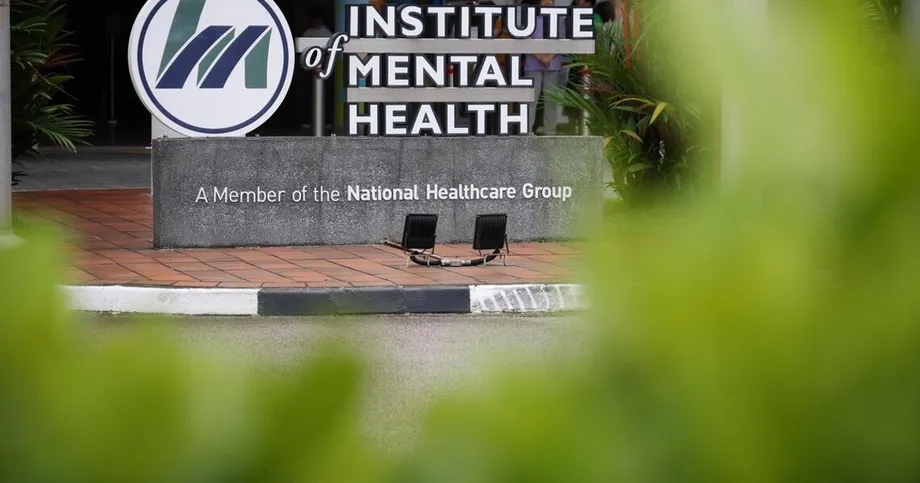
Singapore's approach includes support for people who want to stop vaping. QuitLine and the I Quit Programme offer help, while WE CARE Community Services, the Singapore Anti-Narcotics Association and the Institute of Mental Health provide counselling, addiction management and recovery support.
The government is investing heavily in public health campaigns and support services, especially for young people. Those who voluntarily seek help or dispose of their devices will not face penalties or receive an offence record. This gives users a route to seek assistance as the penalties for continued use become tougher.
Vape disposal bins have been placed at 24 locations across Singapore, including community clubs and universities. Users can surrender devices through these bins, which are locked and monitored to prevent tampering. All surrendered vapes are incinerated under supervision.
HSA assures the public that identities will not be traced when devices are surrendered. It also says the locations of the bins do not reflect vaping usage rates in those areas. The disposal network is intended to make giving up devices easier, while protecting the bins from interference.
Compulsory rehabilitation and voluntary support serve different points in the response. People caught abusing Kpods face the prescribed penalties and treatment requirements. People who come forward for help or surrender their devices have a route into quitting without a penalty or offence record.
A regional trade complicates enforcement
The United Nations has warned that international drug syndicates are using the vaping industry to push synthetic drugs in the region. Malaysia has reported that 65% of seized e-liquids since 2023 contained banned synthetic substances, reinforcing concern about what is being sold inside vaping products.
Singapore's reliance on border enforcement reflects the movement of devices from overseas. Malaysia and Indonesia have not introduced national vaping bans, creating a different legal environment on the other side of Singapore's borders. Cooperation across borders is essential to tackling supplies that enter the country illegally.
Thailand uses drones equipped with infrared cameras to patrol rivers against traffickers. Vietnam and Australia have imposed their own bans or strict vaping regulations. The United Kingdom and Belgium have also introduced bans or restrictions, particularly in response to youth vaping.
These countries are using different combinations of controls to address vaping and trafficking. Singapore's model brings together severe penalties, technology used in enforcement and public health campaigns, and is influencing the regional response. Compliance service providers are also emerging to help manufacturers and retailers navigate the increasingly complex rules.
Singapore's crackdown is being watched by neighbouring countries and the wider international community. Its approach may serve as a model for countries facing similar problems, particularly where illicit vaping products are being used to carry synthetic drugs. The cross-border trade makes action by any single country only one part of the enforcement task.
Why prohibition remains contested
Harm reduction advocates argue that regulation could be more effective than prohibition. Their position draws on countries where regulated vaping has helped smokers stop using traditional cigarettes. The debate centres on whether legal controls over products and sales would better manage the risks than an outright ban.
Singaporean officials counter that drug-containing vapes and the involvement of organised crime make prohibition necessary for public safety. Their immediate focus is the use of e-vaporisers to deliver dangerous substances, alongside the continued concern about nicotine addiction and youth use.
The government is maintaining its zero-tolerance approach while developing a longer-term legal framework. Classifying etomidate as a Class C drug is an interim measure that will remain in effect until February 28, 2026. Authorities plan to study the issue and refine the framework over the next six months.
The final shape of those longer-term rules has not yet been decided. New or amended laws are possible as the government considers how to address emerging threats. For now, September 1 is the immediate date that changes the consequences for users, suppliers and importers.
The dates behind the crackdown
Singapore's latest measures follow an existing ban and a rise in detected cases involving etomidate. The sequence shows how a tobacco enforcement issue has developed into a broader response involving drug laws, rehabilitation and action against criminal supply networks.
- 2018: Singapore banned vaping.
- 2022 to 2024: About 3,100 school students and 800 students in institutes of higher learning were caught vaping annually.
- First half of 2025: Authorities detected 28 cases involving e-cigarettes containing etomidate, nearly three times the number for all of 2024.
- July 2025: A random test of 100 seized vapes found that about a third contained etomidate.
- September 1, 2025: Tougher measures take effect, including the Class C classification of etomidate and related substances.
- February 28, 2026: The interim Class C measure is scheduled to remain in effect until this date while longer-term legislation is developed.
For users, the immediate choices include stopping, seeking support and surrendering devices. For suppliers and importers, the new framework brings the prospect of long prison sentences and caning. Schools, public agencies and border officers will each have a role as the measures take effect.
Key Points
- Singapore's tougher vaping measures take effect on September 1, 2025.
- Etomidate, butomidate and metomidate will be classified as Class C drugs under the Misuse of Drugs Act.
- Kpod suppliers face up to 20 years in jail and 15 strokes of the cane; importers face minimum prison and caning penalties.
- First-time Kpod abusers face fines of S$500 if under 18 or S$700 if adults, plus up to six months of compulsory rehabilitation.
- Foreigners can face deportation and return bans for serious offences, while long-term pass holders risk their immigration privileges.
- Enforcement includes border checks, public patrols, social media surveillance and testing of vape liquids.
- Voluntary help and device surrender are available without penalties or an offence record, with disposal bins at 24 locations.
- The interim drug classification runs until February 28, 2026, while authorities develop longer-term rules.