Africa Becomes China's Fastest Growing Export Destination
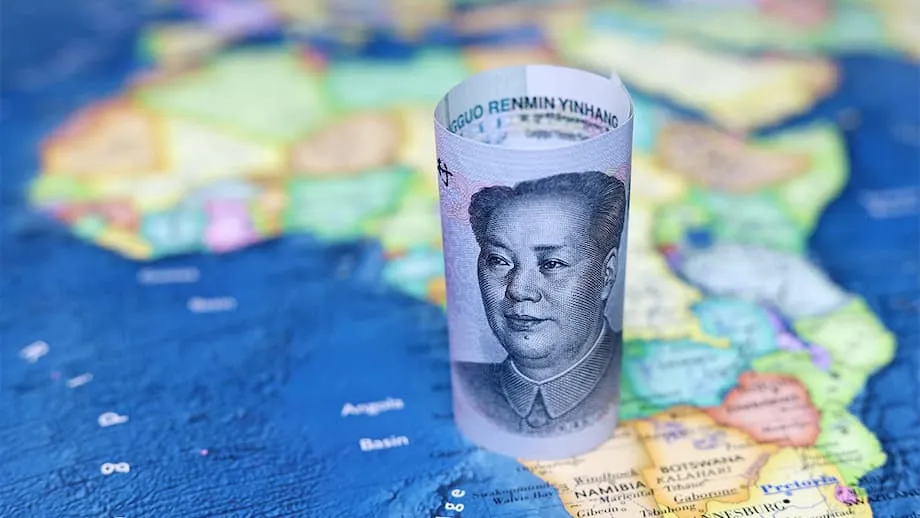
China's exports to Africa reached $122 billion in the first half of 2025, rising 25% from a year earlier and already exceeding the total shipped during all of 2020. As of August 27, Africa had emerged as the fastest growing destination among China's major export markets, while steep US tariffs were pushing Chinese manufacturers to seek buyers elsewhere.
Contents
- Africa Becomes China's Fastest Growing Export Destination
- Why Tariffs and a Weaker Yuan Matter
- China Promises Wider Access for African Goods
- Construction Contracts Drive Demand for Chinese Equipment
- Cheaper Energy Technology Opens Another Market
- The Trade Gap and the Push to Use Yuan
- Local Manufacturers Face Opportunity and Pressure
- Kenya's Response Shows the Larger Ambition
- How the Trade Shift Developed
- Key Points
A second set of figures in a regional export comparison put shipments to Africa at $103 billion in the first half, up 21.4%, against a 10.7% fall in exports to the United States. The difference between the two Africa totals and growth rates was not explained. Both placed Africa at the front of China's export growth across major markets.
Projections suggested Chinese exports to Africa could exceed $200 billion for the first time by the end of 2025. Behind that prospect were several connected developments: US tariffs reaching as high as 145% on Chinese goods, a weaker yuan, rising African demand for infrastructure, and Beijing's efforts to open its own market to African products.
Africa's 1.5 billion people represent a large market for manufacturers seeking customers. Its need for railways, ports, electricity and industrial equipment also creates demand for the machinery and materials Chinese companies sell. For African governments, the immediate attraction is access to affordable goods and investment. The longer challenge is turning that trade into stronger local industries and more exports of their own.
China's trade surplus with Africa reached $62 billion last year. That imbalance sits at the center of the current expansion: Chinese manufactured exports are growing rapidly, while African sales to China remain heavily concentrated in raw materials.
Why Tariffs and a Weaker Yuan Matter
The US-China tariff war has made the American market more expensive for Chinese suppliers. A tariff is a tax charged on imported goods. When that tax rises sharply, buyers face higher costs, giving manufacturers a reason to look for customers in other countries.
US tariffs as high as 145% have helped push Chinese companies toward Africa. Direct Chinese exports to the United States have fallen, while some goods intended for American buyers are being shipped through third countries, including African nations, to get around tariffs. Alongside that rerouting, China is building deeper commercial relationships with African markets themselves.
A weaker yuan has supported the expansion. When China's currency loses value, Chinese goods can become cheaper for buyers paying with other currencies. That makes machinery, vehicles and other manufactured products more competitive for African customers.
Prices for many Chinese goods shipped to Africa have fallen even as demand has risen. This gives buyers more purchasing power, although cheaper imports also increase pressure on African manufacturers competing in the same markets.
The Belt and Road Initiative, launched in 2013, provides another part of the explanation. Chinese investment in African infrastructure has created demand for construction equipment, vehicles, steel and electrical machinery. The export surge therefore reflects both a search for alternatives to the United States and years of investment that connected Chinese suppliers to African projects.
China Promises Wider Access for African Goods
In June 2025, China announced that it would remove tariffs on imports from the 53 African countries with which it has diplomatic relations. The tariff removal announcement extended the proposed access beyond the least developed countries to include economies such as South Africa, Nigeria, Egypt and Kenya.
The expanded market access is intended to help balance a relationship that has favored Chinese exports. Removing an import tariff lowers one cost of selling into China, giving African producers a better chance to compete for Chinese customers.
China's Ministry of Commerce reported that imports from African least developed countries had reached $21.42 billion by March 2025, an increase of 15.2% from the previous year. Products reaching Chinese consumers more easily included dried anchovies from Kenya, lamb from Madagascar and rubber from Côte d'Ivoire.
Rwanda's Fisher Global was among the companies expanding exports of specialty products, including dried chili peppers. A Rwandan exporter described what the policy could mean for business planning:
With China's zero-tariff policy, we can now plan for long-term growth, invest in quality, and reach a market of over a billion consumers.
African officials and experts have welcomed the prospect of easier access to the world's second largest economy as support for industrialization. The ambition is to sell more products that have been processed or manufactured in Africa, allowing a greater share of their value to remain with African businesses and workers.
China is also negotiating economic partnership agreements, developing green channels for agricultural products and supporting African participation in major trade exhibitions. Those measures are intended to make it easier for producers to reach buyers and take part in production networks that stretch across countries.
Construction Contracts Drive Demand for Chinese Equipment
African countries signed $30.5 billion in construction contracts with Chinese firms in the first half of 2025, five times the amount recorded during the same period a year earlier. The projects covered railways, ports, industrial parks and energy facilities.
Nigeria, South Africa and Egypt were leading buyers of Chinese goods. Their purchases included construction machinery, vehicles, steel and electrical equipment, linking the growth in trade directly to investment in transport, industry and power supplies.
Chinese exports of construction machinery to Africa rose 63% from a year earlier. Passenger car shipments more than doubled, while exports of steel and iron components used in infrastructure increased 43%. Batteries and transformers also recorded growth in double digits.
Chinese state banks are helping finance the projects behind that demand. The China Development Bank released a €245 million installment for a Nigerian railway and extended loans for infrastructure in Egypt. Such financing supports construction while creating orders for Chinese suppliers.
African economies stand to gain from better transport and electricity systems. Unreliable power and costly logistics make it harder for businesses to produce goods and get them to customers. A railway, port or energy project can address those constraints while generating immediate imports of equipment and materials.
The financing also connects the benefits of construction to questions about debt. Governments need infrastructure that supports economic activity, while keeping the cost of borrowing manageable. The same projects that help close infrastructure gaps can deepen financial dependence if debt becomes difficult to repay.
Cheaper Energy Technology Opens Another Market
Energy remains a major obstacle to development, with less than half of Africa's population having reliable access to electricity. China is increasingly supplying solar panels, wind turbines and electric vehicles as African countries seek more varied energy sources and less dependence on imported oil.
Affordable Chinese technology is an important attraction. Lower equipment costs can make energy projects easier to finance and allow buyers to obtain more capacity for the money available.
Prices for transformers and converters shipped to Africa fell 39% during January through July 2025. These devices help electricity move through power systems in forms that equipment can use, making them essential for connecting renewable energy supplies to local grids.
Cheaper components can help African countries pursue energy independence and economic growth. Their value extends beyond the purchase itself: energy equipment serves the factories, businesses and households that depend on a functioning electricity network.
The Trade Gap and the Push to Use Yuan
China's $62 billion trade surplus with Africa last year means it sold considerably more to the continent than it bought. African exports to China were dominated by commodities, including oil from Angola, cobalt from the Democratic Republic of Congo and minerals from South Africa. Chinese shipments mainly consisted of manufactured goods.
African governments want more of their exports to involve processing and manufacturing at home. Moving up the value chain means doing more work on a product before selling it, rather than exporting only the raw material. The tariff initiative is intended to make room for that change in the Chinese market.
Nigeria, South Africa, Egypt and Mauritius already have bilateral currency swap agreements with China. These arrangements allow the countries involved to exchange currencies, supporting trade and reducing reliance on the US dollar.
Kenya is in talks to convert some loans denominated in dollars into yuan. Such a change could help ease debt burdens and expand the use of China's currency in African financial systems, drawing financial relationships closer alongside the rise in trade.
Currency arrangements and market access address different parts of the relationship. Swaps concern how trade and financing are paid for, while wider access to China's market concerns what African businesses can sell. Both are part of efforts to manage a trading relationship in which Chinese exports remain much larger.
Local Manufacturers Face Opportunity and Pressure
African buyers benefit from affordable imports, infrastructure construction and new opportunities to export to China. Local manufacturers face a harder calculation: cheaper machinery can support their businesses, while cheaper competing products can take customers away.
The concern is that a flood of low cost imports could crowd out African producers and weaken industries governments are trying to develop. Borrowing for major projects adds another risk when the resulting debt becomes difficult to manage.
Hannah Ryder, an Africa focused consultant, linked the widening trade gap to the need for stronger African exports and more processing within African economies:
Unless we have an equivalent increase of African exports to China, then trade deficits will continue to increase. The new zero-tariff initiative could help to balance trade, but only if African countries seize the opportunity to move up the value chain.
China has acknowledged concerns about the balance of the partnership. The Forum on China-Africa Cooperation Beijing Action Plan for 2025-2027 stresses mutual respect, support for African development strategies, and sustainable, inclusive growth.
The plan includes measures covering easier trade procedures, the digital economy, healthcare, green development and skills training. Those commitments broaden the agenda beyond buying and selling goods toward the capabilities African economies need to produce more themselves.
Kenya's Response Shows the Larger Ambition
Kenya is seeking to use duty free access to expand sales of tea, coffee, avocados, textiles and manufactured goods to China. Its goal is to move beyond raw commodity exports and develop regional production networks capable of supplying finished products.
That approach fits the ambitions of the African Continental Free Trade Area, known as AfCFTA, which aims to increase trade within Africa and support industrialization. Regional value chains allow businesses in different African countries to contribute materials, processing or manufacturing to a finished product.
A trade policy analysis described China's approach as a partnership built around finance, infrastructure and market access rather than charity. For African governments, the practical task is to turn those connected elements into lasting growth, employment and economic change.
The United States' retreat from partnerships centered on aid, together with new tariffs, has added pressure on African governments to rethink their options. Many are looking to China as both a buyer of raw materials and a partner in developing manufacturing.
African countries are also seeking a more active role in deciding how they participate in international trade. Building infrastructure and processing more goods locally are ways to retain more economic value, rather than relying mainly on sales of resources.
How the Trade Shift Developed
The export surge brings together developments spread across several years, from the launch of China's infrastructure initiative to the tariff announcements and trade figures of 2025.
- 2013: China launched the Belt and Road Initiative, which subsequently directed investment into African infrastructure.
- 2020: The full year's Chinese exports to Africa provided a benchmark that the $122 billion total for the first half of 2025 had already exceeded.
- 2024: China's trade surplus with Africa reached $62 billion.
- By March 2025: China's Ministry of Commerce reported $21.42 billion in imports from African least developed countries, up 15.2% from the previous year.
- First half of 2025: African countries signed $30.5 billion in construction contracts with Chinese companies, five times the amount a year earlier.
- June 2025: Beijing announced plans to remove tariffs on imports from its 53 African diplomatic partners.
- January through July 2025: Prices for transformers and converters shipped to Africa fell 39%.
- 2025-2027: The Forum on China-Africa Cooperation Beijing Action Plan covers trade, digital activity, healthcare, green development and training.
The shift reaches beyond China and Africa. As the United States and Europe contend with protectionism and disrupted supply chains, China is strengthening its position as an African partner in trade, technology and development. African governments face the connected tasks of expanding exports, maintaining fair competition and keeping debt manageable.
Key Points
- Chinese exports to Africa rose sharply in the first half of 2025, making the continent China's fastest growing major export destination.
- US tariffs reaching 145%, a weaker yuan and African infrastructure demand helped drive the expansion.
- China announced tariff removal for imports from 53 African countries with which it has diplomatic relations.
- African construction contracts with Chinese firms reached $30.5 billion in the first half, five times the amount a year earlier.
- China's $62 billion trade surplus with Africa in 2024 underlines the push for more African exports and local processing.
- Affordable goods and infrastructure bring opportunities, while competition for local manufacturers and debt remain central concerns.