111 Items Taken From Expo Shops
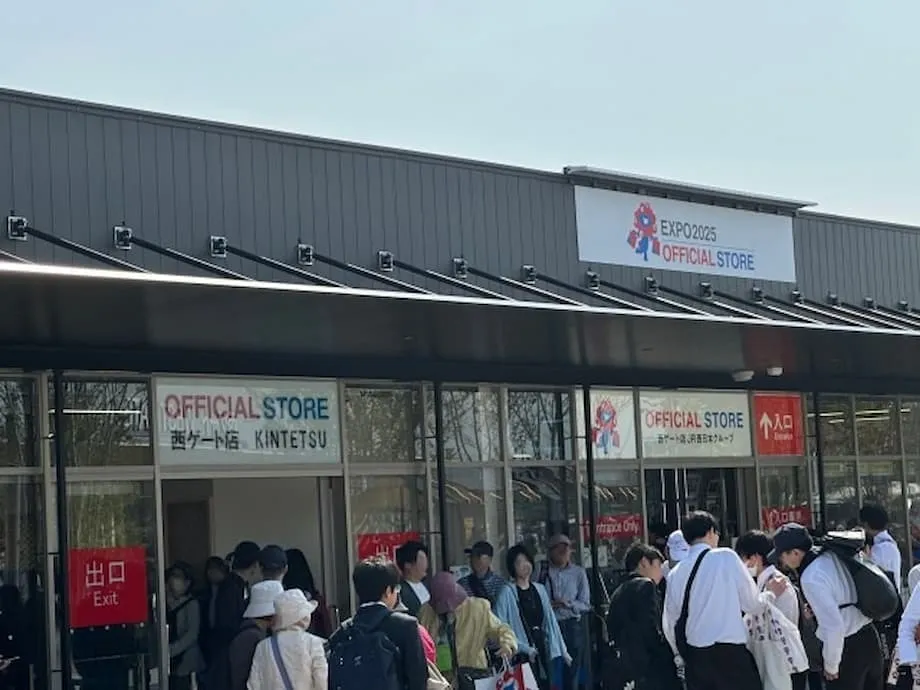
Six young men from Tokyo, all in their early twenties and members of a train photography enthusiast group, were arrested in Osaka over a coordinated shoplifting operation at the 2025 Osaka-Kansai World Expo. The group allegedly took 111 items worth approximately 410,000 yen, about US$2,800, including souvenirs and newly stocked merchandise intended for resale.
Contents
- 111 Items Taken From Expo Shops
- How the Group Traveled and Entered
- Why Newly Stocked Merchandise Was Targeted
- A Customer's Alert Brought Police In
- Who Are the Toritetsu?
- Public Anger Over Theft and Discounts
- An International Event With Millions Expected
- Resale Crime and a Separate Pavilion Dispute
- Osaka's Hobby Community and the Cost of Stigma
- Key Points
The case involved more than theft from shops. The suspects allegedly avoided paying the full fare for their Shinkansen journey from Tokyo to Osaka, entered the Expo with discounted student tickets despite being ineligible, and selected a day when new children's clothing arrived in stores. Inside the grounds, they reportedly stored stolen goods in lockers and returned to steal more.
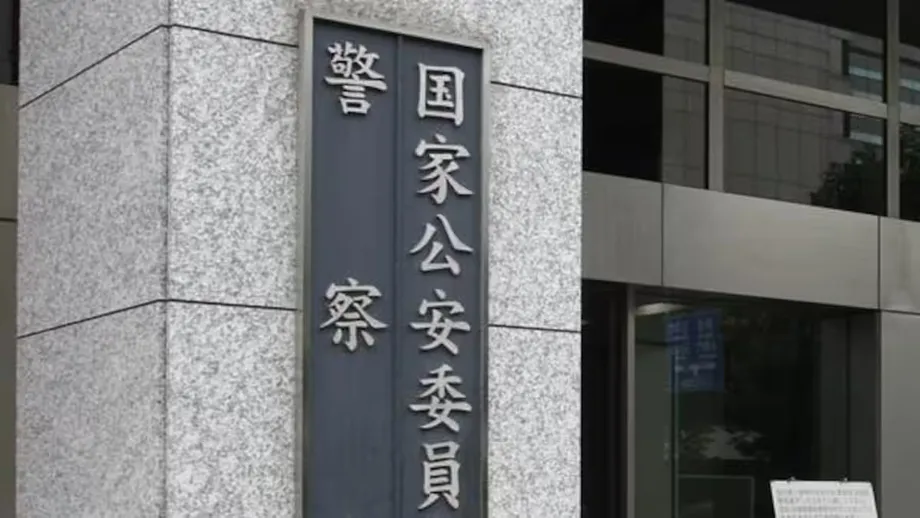
A customer noticed suspicious behavior and alerted Expo staff, who contacted the Osaka Prefectural Police. The six were apprehended as they attempted to leave with the goods. The date of their arrest and any subsequent court proceedings were not specified.
The arrests have drawn widespread criticism and renewed scrutiny of the train photography community known as toritetsu. The reported fare evasion has attracted particular anger because the suspects belonged to a hobby centered on the railway system they allegedly exploited.
The incident also brings a practical security problem into focus at a major international gathering: how to protect shops and check admission eligibility while keeping a large event accessible and welcoming. A customer, staff and police together brought this episode to an end, but the group reportedly made repeated visits to shops before being stopped.
How the Group Traveled and Entered
The six men traveled from Tokyo to Osaka by Shinkansen, Japan's bullet train. Instead of buying tickets covering the full journey, they allegedly purchased only the minimum ticket needed to pass through the entrance gates. They then coordinated their movements to evade conductors and avoid paying the remaining fare.
Fare evasion means traveling without paying the amount required for the journey. In this case, the reported method combined entering through the gates with a cheap ticket and avoiding the staff responsible for checking tickets aboard the train.
The group subsequently entered the Expo using discounted student tickets, although they were not eligible for that discount. The alleged misuse of both railway tickets and Expo admission prices has become part of the public criticism surrounding the shoplifting case.
Their reported movements followed a sequence from travel to theft and eventual arrest:
- The six traveled from Tokyo to Osaka by Shinkansen, allegedly paying only the minimum amount needed to enter the train gates.
- They entered the Expo with student tickets despite being ineligible for the discount.
- They targeted a day when new children's clothing stock arrived at Expo shops.
- They allegedly took merchandise, placed it in lockers and returned to shops several times.
- A customer alerted staff, who contacted police before the group could leave with the goods.
Why Newly Stocked Merchandise Was Targeted
The group's reported choice of day was tied to the arrival of new children's clothing. The intention was to increase the resale value of the goods they took. Their haul also included a range of souvenirs and other newly stocked merchandise, bringing the total to 111 items.
The lockers provided somewhere to keep the goods while the suspects returned to shops. Rather than a single episode involving a few items, the account describes repeated thefts during the same visit, with merchandise accumulated before the group attempted to leave.
Reselling means buying or obtaining goods and selling them to someone else. Limited supplies and strong demand can make event merchandise attractive to people seeking a profit. The original purchase price and the price a later buyer is willing to pay may differ, particularly when an item is new or difficult to obtain.
Reselling itself is not always illegal. Theft, fraud and other criminal acts make the conduct unlawful. The alleged plan at the Expo involved taking goods without paying for them and then selling them, rather than purchasing merchandise through the usual retail process.
A Customer's Alert Brought Police In
A customer spotted behavior that appeared suspicious and reported it to Expo staff. Staff then contacted the Osaka Prefectural Police, leading to the suspects being apprehended and arrested. The customer was the first person described as raising the alarm.
The response illustrates how ordinary shop activity, staff decisions and police action can connect during a large event. Visitors and employees are close enough to merchandise to notice conduct that may require attention, while police handle the resulting criminal investigation.
The case has prompted calls for stronger security, including better checks of ticket eligibility and more monitoring of suspicious behavior. The reported use of student discounts puts admission checks alongside shop surveillance as an area of concern.
Expo organizers must manage those demands while maintaining a welcoming atmosphere. Visitors need to enter, move between attractions and shop without unnecessary disruption. Staff also need to be able to identify theft and respond promptly when someone raises a concern.
Who Are the Toritetsu?
Toritetsu are railway enthusiasts who travel around Japan to photograph trains. The name combines the Japanese words for taking a photograph, tori, and train, tetsu. Their subjects include rare trains, scenic routes, special events and images valued for their visual appeal.
Most members of the community are law abiding hobbyists who respect rules and safety. Train photography can involve substantial travel and careful planning to reach a particular place when a desired train passes. Osaka's railway history and urban landscape make it a popular destination for both casual photographers and dedicated enthusiasts.
The hobby has also faced criticism following incidents involving trespassing on railway property, obstruction of train operations and physical altercations between photographers. Competition for unusual or desirable photographs can sometimes lead to risky or unethical behavior.
The Expo arrests have further damaged the community's public image. Online criticism has focused on the apparent contradiction between an interest in trains and the alleged avoidance of railway fares. Other commenters have expressed concern that misconduct by a few people could bring closer scrutiny or restrictions for enthusiasts more widely.
Public Anger Over Theft and Discounts
News of the arrests spread through Japanese social media and news platforms. People expressed anger about the theft, the alleged fare evasion and the use of student discounts by people who did not qualify. The Expo's role as a symbol of international cooperation and innovation added to the criticism.
An unnamed online commentator, responding as a member of the public, expressed frustration about both the railway losses and the effect on other train fans:
It's disgraceful that people who claim to love trains would steal from train companies and damage the reputation of all train fans.
Other commenters warned that incidents like this reinforce negative stereotypes about hobby communities. Their concern was that people who photograph trains responsibly could face suspicion or tighter restrictions because of the actions of others.
The suspects face legal consequences connected to the alleged conduct, while the wider community faces damage to its reputation. Those are different effects of the same episode: one concerns the people accused, and the other concerns how the public views people who share their hobby.
An International Event With Millions Expected
The Osaka-Kansai World Expo is scheduled from April 13 to October 13, 2025, under the theme "Designing the Future of Our Lives." Organizers expect more than 28 million visitors, including over 3 million from abroad. Nearly 5 million tickets have already been sold.
The event takes place on an artificial island off western Osaka, using advanced infrastructure similar to that of Kansai International Airport. Its attractions include flying car prototypes, immersive pavilions and displays focused on international cooperation and cultural exchange.
Japan sees the Expo as an opportunity to present its technology and hospitality to visitors from around the world. It is among the most significant international events the country has hosted in decades, with the number of expected visitors making security and event management substantial daily tasks.
The Expo has also attracted domestic debate over rising construction costs, political disputes and the relevance of world expos today. The shoplifting incident adds a concern about criminal activity within the grounds to those existing arguments.
The planned closing date of October 13 remains the next major event milestone identified in the account. Until then, the challenge for organizers is to manage a gathering intended for millions of people while protecting visitors, staff and merchandise.
Resale Crime and a Separate Pavilion Dispute
Japan has seen a rise in crimes connected to the resale of goods produced in limited quantities, particularly at prominent events. High demand, restricted supply and the possibility of substantial profit have attracted opportunistic individuals as well as organized groups.
Reselling, sometimes described as scalping, affects products ranging from concert tickets to collectible merchandise. In the Expo case, the reported intention to sell stolen goods connects the shoplifting allegations to that wider problem. The timing around new stock is a concrete part of how the suspects allegedly sought valuable items.
The Expo has faced a separate dispute involving the Malaysia Pavilion. A Malaysian creative agency accused the country's Ministry of Investment, Trade and Industry, known as Miti, of using its pavilion concept without acknowledgment or compensation. The allegation led to an official investigation.
The agency's complaint concerns intellectual property, meaning rights associated with creative work or ideas used in a project. The shoplifting case concerns physical goods taken from shops. Both have added controversy to the Expo, although the pavilion dispute is unrelated to the six men's alleged conduct.
Osaka's Hobby Community and the Cost of Stigma
Osaka is known for its welcoming atmosphere, lively street life and strong sense of community. Local photographers and residents draw attention to places ranging from traditional izakayas, Japanese drinking and dining establishments, to busy markets. Respectful exploration and genuine human connection are part of that picture of the city.
Train photographers who visit Osaka responsibly contribute to the documentation of its railway life and urban surroundings. Most respect the rules and remain mindful of safety. The arrests have nevertheless renewed discussion about self regulation within enthusiast communities and public awareness of misconduct.
Popular culture has also explored how a shoplifting accusation can affect more than the person accused. In the American animated series "The Simpsons," the episode "Marge in Chains" depicts Marge Simpson being arrested for shoplifting, followed by public shaming and hardship for her family.
The episode treats the situation as comedy, but its themes include justice, reputation and the effects of individual actions on a community. In Osaka, the alleged theft has brought consequences for the suspects, criticism of their hobby group and negative attention for the international event where it happened.
The central practical issue remains the reported conduct: repeated thefts, improper discounts and an unpaid railway fare. The customer who raised the alarm and the staff who contacted police show the role that public vigilance and a prompt response can play in protecting a busy venue.
Key Points
- Six men from Tokyo, all in their early twenties and members of a toritetsu train photography group, were arrested in Osaka.
- They allegedly stole 111 Expo shop items worth about 410,000 yen, approximately US$2,800, with the intention of reselling them.
- The group allegedly evaded Shinkansen fares and entered the Expo with student discounts for which they were ineligible.
- New children's clothing stock was a target, and stolen goods were reportedly stored in lockers between visits to shops.
- A customer alerted Expo staff, who contacted the Osaka Prefectural Police.
- The arrests renewed criticism of misconduct among some train enthusiasts and prompted calls for better ticket checks and security monitoring.
- The Expo runs from April 13 to October 13, 2025, with more than 28 million visitors expected, including over 3 million from abroad.
- A separate investigation concerns a Malaysian creative agency's allegation that Miti used its Malaysia Pavilion concept without acknowledgment or compensation.
- Most train photography enthusiasts follow the rules, while misconduct by a few can damage the reputation of the wider community.