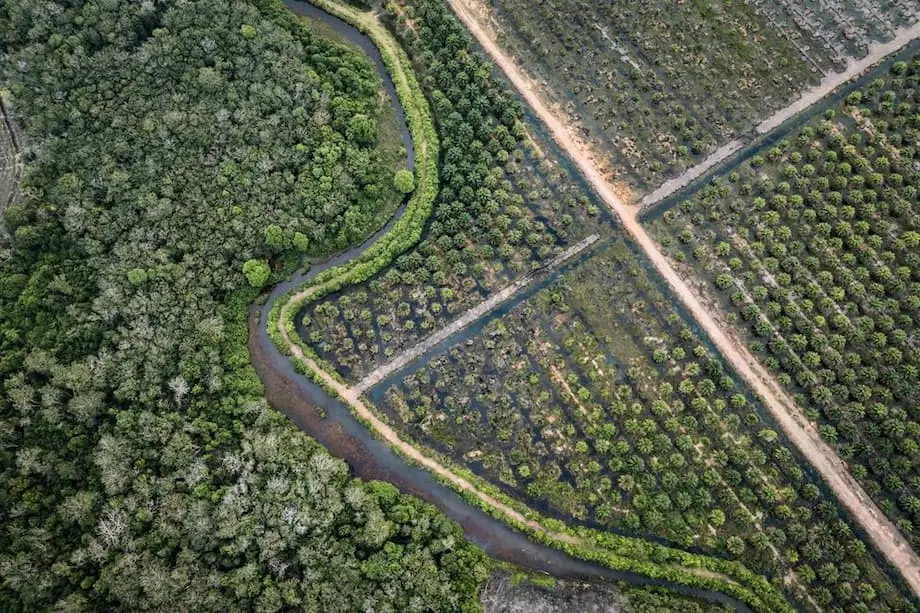
Three Major Indonesian Exports Set for US Tariff Relief
The United States has agreed in principle to exempt Indonesian palm oil, cocoa and rubber from a 19% tariff imposed on August 7, Indonesia's chief economic minister, Airlangga Hartarto, said. As of August 27, 2025, the exemption still depended on both governments finalizing their agreement.
Contents
- Three Major Indonesian Exports Set for US Tariff Relief
- How Indonesia Reached the 19% Tariff
- What Jakarta Offered Washington
- What Lower Tariffs Would Change for Businesses
- Why Airlangga Links Trade Certainty to Growth
- Turning Commodity Exports Into Industrial Investment
- Energy Storage and Mining Broaden the Negotiations
- How the Agreement Could Affect Other Trade Talks
- Final Terms Will Determine the Practical Benefits
- Key Points
The proposed relief would cover three important exports from Southeast Asia's biggest exporter of these commodities. Indonesia is the world's largest palm oil exporter and a major supplier of rubber and cocoa. Access to the American market matters to exporters, processing businesses and millions of smallholder farmers whose livelihoods depend on these industries.
Airlangga said the exemption would apply to products not produced in the United States, identifying palm oil, cocoa and rubber. Once the agreement is finalized, tariffs on those goods would fall to zero or close to zero.
No implementation date had been announced. The United States was continuing tariff negotiations with other countries, and the US embassy in Jakarta had yet to comment publicly on the proposed exemption.
Indonesia offered a substantial package to secure better terms: up to $34 billion in additional purchases from the United States, commitments involving American energy, aircraft and agricultural goods, and zero tariffs on nearly all US goods entering Indonesia.
The agreement could lower costs for businesses trading these commodities and give investors a clearer basis for decisions. Its practical effect will depend on the final terms and when they take effect, with Indonesia also seeking investment in processing plants, energy storage and more advanced manufacturing.
How Indonesia Reached the 19% Tariff
Indonesia was among the first countries to strike a tariff deal with the United States in July. Even so, its exports faced a 19% rate from August 7, matching the rate applied to Thailand and Malaysia and sitting just below Vietnam's 20% rate.
Those figures left Indonesia with the same tariff rate as two regional competitors despite its early agreement. The proposed commodity exemptions would improve conditions for the covered Indonesian exports, while the final agreement would determine the precise treatment of those goods.
Tariffs are taxes on imported goods. Governments use them to protect domestic industries or to strengthen their position in trade negotiations. A tariff makes an imported product more expensive, creating pressure on businesses to absorb the extra cost, negotiate prices or pass some of the expense along.
President Donald Trump's administration imposed tariffs on a wide range of imports in 2018 and 2019, saying it wanted to protect American jobs and industries from unfair foreign competition. The August tariff formed part of his trade policies.
For Indonesia, the 19% charge increased the cost of selling into a crucial market. That threatened the competitiveness of its exports and put pressure on industries that support millions of smallholder farmers.
The negotiations developed through several stages:
- 2018 and 2019: The Trump administration imposed tariffs on a wide range of imported goods, citing protection for American jobs and industries.
- July 2025: Indonesia was among the first countries to reach a tariff deal with the United States.
- August 7, 2025: A 19% tariff took effect on Indonesian exports.
- By August 27, 2025: Airlangga confirmed an agreement in principle to exempt palm oil, cocoa and rubber, pending finalization.
What Jakarta Offered Washington
Indonesia's proposed increase in purchases from the United States reached up to $34 billion, exceeding the roughly $19 billion US trade deficit with Indonesia. A trade deficit means a country buys more goods from a trading partner than it sells to that partner.
The proposed purchases were intended to address Washington's concerns about that gap and build a more balanced trading relationship. Indonesia also pledged zero tariffs on nearly all American goods entering its market, giving US suppliers broader access.
The package included commitments to buy large quantities of American crude oil, liquefied petroleum gas, airplanes and agricultural products. Liquefied petroleum gas, often shortened to LPG, was one of the energy products included in the proposed expansion of trade.
These offers followed months of negotiations. They linked tariff relief for Indonesian commodities with opportunities for American exporters, extending the agreement beyond the three products at the center of the exemption announcement.
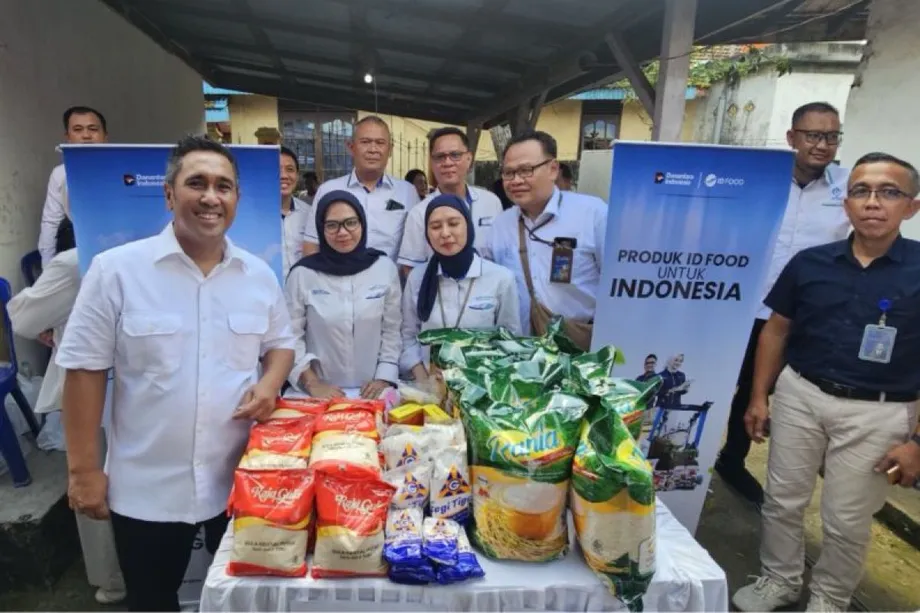
Airlangga also identified roles for Danantara, Indonesia's sovereign wealth fund, and Pertamina, the state energy company. Both were expected to help support US investment, particularly in fuel storage infrastructure and mining.
What Lower Tariffs Would Change for Businesses
Indonesian exporters would gain from a reduction in the cost of supplying the American market. Lower tariffs could make their palm oil, cocoa and rubber more competitive and create room for higher sales volumes.
American companies use these commodities in food, cosmetics, automotive production and other manufacturing. Cheaper access to raw materials could reduce their production costs, support manufacturing jobs that depend on imported inputs and potentially lower costs for consumers.
Indonesia could also see stronger export earnings and a larger trade surplus with the United States if sales increased. The scale of those gains would depend on the final agreement and how businesses responded to the new terms.
Smallholder farmers have a direct interest in the outcome because the palm oil, cocoa and rubber industries provide livelihoods for millions of Indonesians. Improved export conditions could support demand for their crops and offer the prospect of better prices.
Indonesian exporters, industry groups and the business community welcomed the proposed exemption. An Indonesian business leader, whose name was not given, described the expected benefits for sellers and buyers:
This is a win-win for both countries. Indonesian exporters get better access to the US market, and American companies can source high-quality raw materials at competitive prices.
Why Airlangga Links Trade Certainty to Growth
Airlangga connected greater certainty over US tariffs with Indonesia's ambition to grow its economy by 5.4% in 2026, compared with estimated growth of 5% in 2025. The target represents an increase of 0.4 percentage points.
He also pointed to progress in talks on a free trade agreement with the European Union. Together, clearer US trade terms and progress with the EU could improve confidence among businesses deciding where to invest.
Airlangga, Indonesia's chief economic minister, explained his assessment of the growth outlook and investor sentiment:
Certainty over US tariffs and recent progress in talks about a free trade agreement with the European Union could boost Indonesia's economic growth, helping the government reach a 5.4% target for 2026. This brings an optimistic perception from the global market since most investors are looking for certainty, and Indonesia is one of the countries that provide global certainty.
Financial analysts and market observers also viewed the agreement positively because it could reduce uncertainty, encourage investment and strengthen Indonesia's place in international supply chains. Investors looking for stable and predictable markets would have clearer information about the cost of trading with the United States.
Indonesia's growth strategy therefore reaches beyond immediate commodity sales. The government wants trade agreements to help attract the factories and infrastructure that can generate jobs and keep more economic activity inside the country.
Turning Commodity Exports Into Industrial Investment
Indonesia wants to build on its experience attracting Chinese investment into nickel processing. Its next ambition is to draw American and other international investors into facilities that process palm oil, rubber, cocoa and silica sand.
Processing means turning raw materials into products that have more uses and can command higher prices. By carrying out more of that work domestically, Indonesia aims to earn more from its natural resources rather than relying mainly on selling them in raw form.
Silica sand is part of that industrial strategy because it is used in solar panels and semiconductors. Indonesia wants to encourage production of solar panels and semiconductor wafers alongside investment in its established commodity industries.
The government's priorities include:
- Attracting foreign investment into processing palm oil, rubber, cocoa, nickel and silica sand.
- Developing infrastructure for energy storage and distribution.
- Promoting production of solar panels and semiconductor wafers.
- Securing favorable trading terms with major partners, including the United States and European Union.
Indonesia intends these measures to create jobs, support economic growth and keep its industries competitive. Greater access to the US market could make investment in Indonesian production more attractive by improving the conditions under which finished goods and materials are sold.
Energy Storage and Mining Broaden the Negotiations
Danantara and Pertamina are central to a proposed partnership involving American investment in Indonesian fuel storage infrastructure. The plan aims to improve energy security and make energy trade between the countries run more smoothly.
Fuel storage would give the relationship a physical investment component alongside commitments to purchase American crude oil and LPG. Indonesia is seeking infrastructure that supports energy supplies while opening opportunities for cooperation beyond commodity exports.
Mining is another area Airlangga identified for potential US investment. The United States is seeking reliable supplies of critical minerals and other commodities as geopolitical tensions and climate change disrupt international supply chains.
Indonesia, meanwhile, wants investors to support processing and advanced manufacturing. These interests give both governments reasons to pursue a broader economic relationship, with trade in agricultural commodities connected to energy, minerals and industrial development.
How the Agreement Could Affect Other Trade Talks
Thailand and Malaysia faced the same 19% tariff as Indonesia, while Vietnam faced 20%. Indonesian exemptions could encourage other Southeast Asian governments to seek similar relief or better terms in their own negotiations with Washington.
The United States could point to Indonesia's proposed purchases, market access commitments and investment cooperation as an example of how reciprocal arrangements can lead to tariff relief. That could influence its negotiations with other trading partners.
Indonesia is also pursuing a free trade agreement with the European Union. Progress with the United States could provide a useful example or strengthen Jakarta's negotiating position in those discussions.
The proposed agreement fits a broader shift in trade relationships across the Asia Pacific region. Washington wants to diversify supply chains and reduce dependence on China, making countries such as Indonesia increasingly important partners.
Indonesia is using its natural resources and growing consumer market to attract foreign investment and negotiate favorable trade terms. Its willingness to offer substantial purchases and broader market access reflects an effort to secure a larger role in regional and global trade.
Final Terms Will Determine the Practical Benefits
Both governments still need to complete the agreement before the exemptions can take effect. Indonesia's exporters and American buyers therefore have an agreement in principle to plan around while awaiting the final terms.
The expected benefits extend across several parts of the relationship: lower costs for commodity trade, possible growth in Indonesian exports, more American sales to Indonesia and investment in processing, mining and energy infrastructure.
For farmers and businesses, the most concrete change would be a reduction from the 19% tariff on the covered products to zero or close to zero. For the Indonesian government, the larger objective is to connect improved trade access with investment, jobs and its 5.4% growth target for 2026.
Key Points
- The United States agreed in principle to exempt Indonesian palm oil, cocoa and rubber from a 19% tariff imposed on August 7.
- Airlangga Hartarto said tariffs on the covered goods would fall to zero or close to zero once the agreement is finalized.
- Indonesia offered up to $34 billion in additional US purchases and zero tariffs on nearly all American goods.
- The purchase commitments include crude oil, LPG, airplanes and agricultural products.
- Danantara and Pertamina are expected to support investment cooperation involving fuel storage, with mining also identified as a priority.
- Indonesia is seeking more commodity processing and advanced manufacturing investment as it pursues 5.4% growth in 2026.
- As of August 27, 2025, no implementation date had been announced, and the US embassy in Jakarta had yet to comment publicly.