Foreign Buyers Face New Conditions From August 26
Foreigners buying homes in Seoul, designated parts of Gyeonggi Province and parts of Incheon will need government approval from August 26, 2025, under new restrictions intended to curb speculation and ease pressure on housing prices. Buyers will have to move into their property within four months of approval and live there for at least two years.
Contents
- Foreign Buyers Face New Conditions From August 26
- Which Buyers and Properties Are Covered?
- Where the Permit Zones Apply
- Financing Checks and Penalties
- Rising Prices Put Pressure on the Government
- Who Owns Homes in South Korea?
- Does the Policy Address Unequal Access to Loans?
- What Changes for Foreign Residents?
- How Other Countries Restrict Foreign Purchases
- Fairness, Enforcement and the Next Decisions
- The Essentials
The policy, initially scheduled to last one year, is South Korea's most comprehensive effort yet to restrict speculative home purchases by foreigners in the capital region. It changes the conditions for buying a home, especially for investors who intend to collect rent or sell later without living in the property.
Foreign housing transactions in the Seoul metropolitan area rose from 4,568 in 2022 to 7,296 in 2024, an average annual increase of 26 percent over that period. Chinese nationals accounted for 73 percent of those purchases, followed by U.S. citizens at 14 percent. Gyeonggi Province accounted for 62 percent of transactions and Incheon for 20 percent, while luxury homes in Seoul's most desirable districts reached record prices.
South Korean buyers already face strict mortgage limits, and officials are concerned that foreign purchasers can obtain loans overseas and avoid those domestic restrictions. Public frustration about rising housing costs has made that perceived difference in treatment a political issue.
First Vice Land Minister Lee Sang-kyeong described the government's objective as preventing purchases that disrupt the market and improving housing conditions for Korean citizens:
We will block foreign activities that distort the housing market from the outset and work to stabilize prices, thereby contributing to the housing welfare of Korean citizens.
Which Buyers and Properties Are Covered?
Foreign individuals, corporations and governments seeking to buy residential property in the designated zones will need prior approval from local authorities. The move into the home must take place within four months of that approval, followed by at least two years of residence after purchase.
The restrictions cover apartments, single family homes and dwellings containing multiple units where the applicable area exceeds six square meters. Commercial properties, including officetels, are exempt. An officetel is a studio style property that can be used for both residential and business purposes.
Gifts, inheritances and acquisitions through court auctions are also excluded. These exceptions mean the new conditions focus on purchases covered by the permit system, rather than every way a foreign person might acquire property.
For a buyer planning to live in the home, the policy adds an approval process and a binding residence requirement. For someone planning to buy solely for rental income or a future increase in value, the requirement to occupy the home changes whether that purchase can meet the rules.
Where the Permit Zones Apply
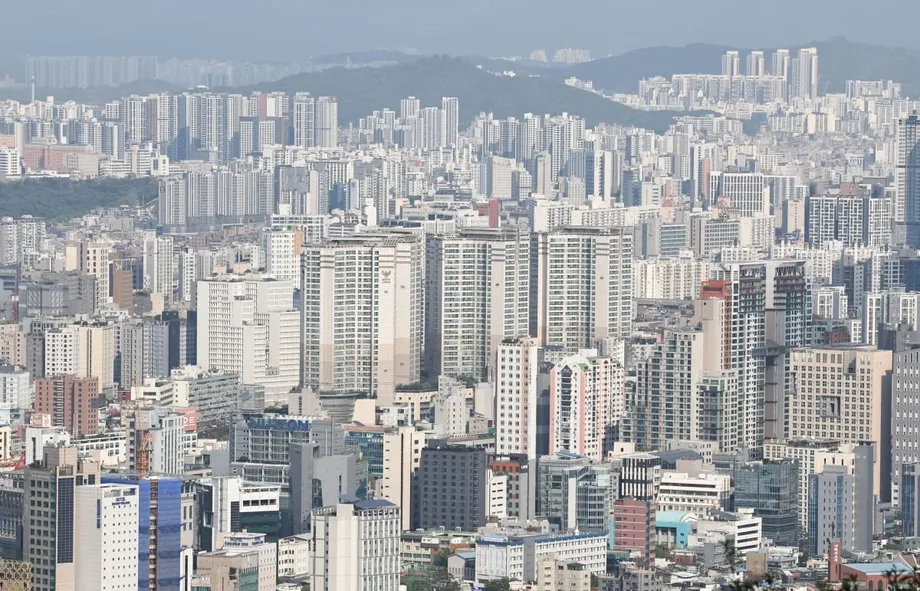
All of Seoul will be covered, along with 23 cities and counties in Gyeonggi Province and seven districts in Incheon. The designation therefore reaches beyond the capital's expensive central districts into surrounding areas where foreign purchases have been concentrated.
Places with minimal foreign buying are excluded. These include Yangju, Icheon and Yeoncheon, along with certain districts in Incheon. Foreign buyers will need to establish whether a particular property falls within a designated area before proceeding.
The government has left open the possibility of extending the policy beyond its initial year, depending on market conditions. Officials may also expand or modify the restrictions. No decision on an extension or a revised geographic boundary has been announced.
Financing Checks and Penalties
Foreign buyers must submit a detailed financing plan within 30 days of purchase. The plan must identify the source of the money, any overseas financial institution involved and the buyer's visa type in South Korea.
Authorities will examine those documents for signs that overseas credit is being used for speculative purchases. Suspicious cases may be referred to the Korea Financial Intelligence Unit, which can share information with foreign tax authorities.
The approval and financing requirements address different parts of the transaction. Permission and residence conditions govern the purchase and use of the home. The financing plan gives authorities information about how the buyer paid for it, including borrowing outside South Korea.
Violators face repeated fines of up to 10 percent of the property's value and, in some cases, cancellation of the purchase contract. Local authorities will be required to take legal action within three months of a violation, under the government's promised enforcement approach.
The main dates and deadlines are:
- 2022: Foreign housing transactions in the Seoul metropolitan area totalled 4,568.
- 2024: Those transactions reached 7,296.
- June 2025: President Lee Jae-myung took office after campaigning on easing living costs.
- August 26, 2025: The new approval and residence rules take effect.
- Within 30 days of purchase: Foreign buyers must submit their financing plan.
- Within four months of approval: Buyers must move into the property.
- After purchase: Buyers must live in the home for at least two years.
- After the initial year: The government may extend or adjust the policy according to market conditions.
Officials have cited purchases of expensive apartments with cash and purchases made in the names of minors as examples of activity prompting concern. The government wants the new checks to direct purchases toward genuine residential use.
Rising Prices Put Pressure on the Government
Apartment prices have risen for 29 consecutive weeks, while home values in Seoul have increased by more than 80 percent over the past five years. Low interest rates, ready access to mortgages and speculative investment by domestic and foreign buyers have helped fuel the property boom.
President Lee Jae-myung made reducing living costs a central campaign promise before taking office in June 2025. Continued increases in home prices have become a political liability because housing costs affect whether people can buy a home and how much of their income goes toward somewhere to live.
Household debt increased by 24.6 trillion won, given as $22.7 billion, in the second quarter of 2025. That was the biggest quarterly rise since 2021. Household debt includes money that families owe, and a large increase adds pressure when housing purchases depend on borrowing.
The Bank of Korea has been reluctant to cut interest rates further despite economic headwinds, reflecting concern that cheaper borrowing could encourage more housing demand. Lower rates can reduce the cost of a mortgage, making purchases easier to finance while also encouraging more people to compete for homes.
Public debate has focused on whether foreign purchasers have an advantage when they can borrow abroad while Korean purchasers face stricter domestic lending limits and higher taxes on multiple properties. Editorials and policy discussions have called for equal treatment, and some lawmakers want tougher restrictions or higher taxes on buyers who do not reside in South Korea.
Foreign ownership nevertheless accounts for about 0.5 percent of the country's 20 million housing units. The concentration of purchases in areas with strong demand, together with prominent expensive transactions, has drawn attention to foreign buyers beyond their small national share.
Who Owns Homes in South Korea?
Government data for late 2024 put the number of property units owned by Chinese nationals at 56,301, more than any other nationality. Americans owned 22,031 units, Canadians 6,315 and Taiwanese owners 3,360.
About 93 percent of foreign homeowners own just one property. A small number own several units, a pattern that some see as evidence of investment activity. Ownership totals describe homes already held, while transaction figures describe purchases during a period, so the two sets of numbers answer different questions.
Many foreign buyers are residents who have lived in South Korea for years or expatriates working in major industries. The government's particular concern is investors who live outside the country and purchase homes for rental income or capital gains, sometimes using overseas loans to avoid local lending restrictions. A capital gain is the increase in value an owner receives when selling a property for more than its purchase price.
The growth in metropolitan transactions was substantial: 7,296 purchases in 2024 compared with 4,568 in 2022 means an increase of 2,728, or about 60 percent across those two years. Gyeonggi Province and Incheon together accounted for 82 percent of the transactions, using their respective shares of 62 percent and 20 percent.
Those figures help explain why the policy reaches well beyond Seoul itself. The public debate includes record prices in desirable Seoul districts, while most foreign transactions have occurred in the surrounding province and Incheon.
Does the Policy Address Unequal Access to Loans?
The government is seeking to close routes into speculative purchases, particularly where buyers use financing from their home countries. Critics of the existing arrangements describe the difference between foreign and domestic borrowing conditions as reverse discrimination against Korean buyers.
Lee Eun-hyung, a researcher at the Korea Research Institute for Construction Policy, said the residence requirement addresses speculative demand while leaving the lending issue unresolved:
The new rule focuses only on filtering out speculative demand through proof of residency, but it falls short of leveling the playing field with Koreans when it comes to access to loans.
Kwon Dae-jung, a professor of real estate at Sogang University, also identified overseas borrowing as a concern:
Foreigners take out loans from overseas banks to purchase housing here, distorting the local real estate market.
The policy combines a requirement to occupy the home with checks on where purchase funds originate. Its residence conditions are explicit, while its financing measures require disclosure and scrutiny of overseas borrowing. The debate about equal access to credit therefore continues alongside the new permit system.
What Changes for Foreign Residents?
Americans and other foreigners living and working in South Korea will face an additional approval process in an already difficult property market. Residents with appropriate visas, including the F-5-1 General Permanent Resident Visa and F-5-2 Spousal Permanent Resident Visa, can still purchase homes if they meet the residence requirements.
Investors who live abroad, or buyers intending to acquire a home for rent or speculation, will find entry into the designated markets much harder. A purchase plan now needs to account for both the buyer's ability to obtain approval and the obligation to live in the property.
Foreign residents also have to navigate progressive income taxes, mandatory health insurance contributions and reporting requirements for overseas assets. Progressive taxation means the rate increases as taxable income rises.
U.S. citizens must file annual returns with the Internal Revenue Service. They may qualify for the Foreign Earned Income Exclusion or Foreign Tax Credit to avoid double taxation, depending on their circumstances. These provisions address the problem of income being subject to tax in more than one country.
Daily housing costs remain substantial. Monthly rent for an apartment with one bedroom in central Seoul ranges from $800 to $1,200, and large housing deposits are common under the jeonse system. Jeonse involves a substantial deposit as part of the housing arrangement, making the amount needed at the outset an important consideration.
Imported goods can also be expensive. South Korea's efficient public transport and modern, accessible healthcare are part of the wider living conditions foreign residents weigh alongside housing costs.
How Other Countries Restrict Foreign Purchases
Australia, Canada and New Zealand have introduced or extended restrictions on foreign purchases of residential property, citing housing affordability and market stability. South Korea's move is part of that wider trend, although the rules differ by country.
Australia began a ban on foreigners buying existing homes in April 2025, scheduled to last two years. Canada introduced a ban lasting two years in January 2023 and later extended it.
China allows foreigners to hold land use rights rather than full ownership and requires at least one year of residence before a purchase. Land use rights allow the holder to use land under the applicable arrangement rather than own it outright.
In the United States, restrictions involve both federal and state debate. At least 22 states have enacted laws limiting foreign ownership of agricultural land or land considered sensitive. Some measures specifically target buyers from China, Russia, Iran and North Korea.
Florida's 2023 law prohibits Chinese citizens without permanent resident status from owning property and has prompted legal challenges and national debate. Supporters of such restrictions argue that they protect national security and fair access to housing for local residents.
The Committee of 100, an advocacy group, has warned that these laws can legitimize xenophobic claims and disproportionately affect people of color, because most of the countries targeted have populations that are predominantly nonwhite. Xenophobia means hostility toward people because they are perceived as foreign.
South Korea's approach centres on approval and actual use of a home in designated areas. The international debate also includes outright purchase bans and restrictions on agricultural or sensitive land, with different consequences for residents, investors and people affected by nationality rules.
Fairness, Enforcement and the Next Decisions
Supporters say the new restrictions can curb speculation, stabilize prices and respond to concerns about fairness. Critics question how much they will improve affordability or whether speculative investment will move into other parts of the property market.
Opponents also argue that the vast majority of foreign buyers are residents or expatriates rather than speculators. They say attention to foreign ownership can distract from deeper pressures, including limited housing supply, zoning restrictions and the concentration of economic activity in Seoul. Zoning rules determine what may be built in particular places and can affect where additional homes become available.
Legal experts have raised concerns about the constitutionality of targeting purchasers by nationality, the principle of reciprocity and possible conflicts with international agreements. Reciprocity concerns how countries treat each other's citizens. South Korea's measures so far have mainly used residence and property use requirements rather than outright bans based on citizenship.
Local authorities will need to track whether buyers actually occupy their homes and remain there for the required period. Monitoring owners who live abroad is a particular enforcement challenge. Some analysts warn that overly restrictive rules could deter foreign investment or create unintended loopholes.
The government plans to monitor the effects and adjust the rules as needed. An extension or expansion could follow if the measures cool prices and reduce speculative activity. Other options discussed include higher taxes on owners who live abroad and further restrictions on overseas financing.
For South Korea, the immediate change comes on August 26: qualifying foreign buyers will need permission, a documented financing plan and a commitment to occupy their home. The continuing policy debate concerns how to protect local residents and market stability while remaining open to foreign investment.
The Essentials
- New rules take effect on August 26, 2025, across Seoul, 23 cities and counties in Gyeonggi Province and seven districts in Incheon.
- Covered foreign buyers need prior approval, must move in within four months and must reside in the home for at least two years.
- Financing plans are due within 30 days of purchase, including information about overseas lenders and visa status.
- Officetels, gifts, inheritances and court auctions are exempt from the new restrictions.
- Violations can bring repeated fines of up to 10 percent of property value and, in some cases, cancellation of the purchase contract.
- Metropolitan foreign housing transactions increased from 4,568 in 2022 to 7,296 in 2024, while foreign ownership represents about 0.5 percent of the country's housing units.
- The policy initially lasts one year, with extension or adjustment possible depending on market conditions.